
In the summer of 1940, Germany is master of the continent, but the United Kingdom refuses to negotiate. Hitler must decide how to compel London to cease fighting. An invasion of England (Operation "Seelöwe", Sea Lion) is considered, but it would mean crossing the Channel in the face of the Royal Navy, the world's foremost fleet, and the RAF, which controls the British skies.
The obstacles are colossal: without command of the sea or the air, a fleet of improvised landing barges would be at the mercy of the British navy and air force. Many German military leaders doubt the feasibility of such a landing.
The command can launch the preparation of Sea Lion, first demanding that the Luftwaffe destroy the RAF to gain air superiority. It can renounce the invasion and seek to strangle the United Kingdom through the submarine blockade and bombing. Or it can turn to the East (the USSR), leaving England isolated but unbeaten. The choice will shape the rest of the war.
Should Hitler prepare the invasion of England, rely on blockade and bombing, or turn to the East?
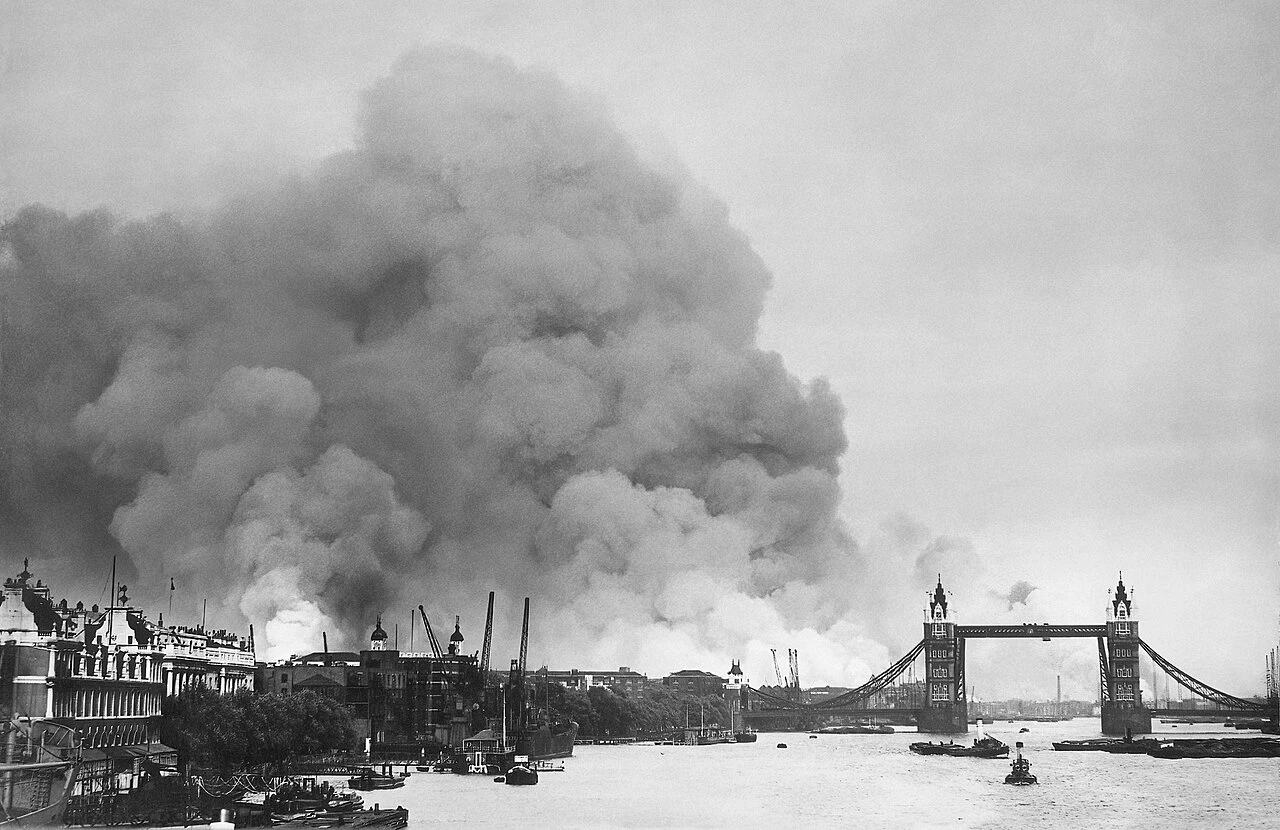
Hitler first settles on A: Directive No. 16 (16 July 1940) orders the preparation of Sea Lion, conditional on gaining air superiority. There follows the Battle of Britain (summer–autumn 1940), in which the Luftwaffe fails to break the RAF. Lacking command of the air, the invasion is repeatedly postponed and then deferred; Germany slides towards B (the Blitz, the bombing of cities) with no decisive result. From the autumn, Hitler turns his plans to the East (C) and the invasion of the USSR (Barbarossa, 1941). The failure to subdue the United Kingdom in 1940 — the first real setback for the Reich — preserves a base for reconquest in the West and constitutes a major turning point of the war.
Learn more about this event
Related polls
10
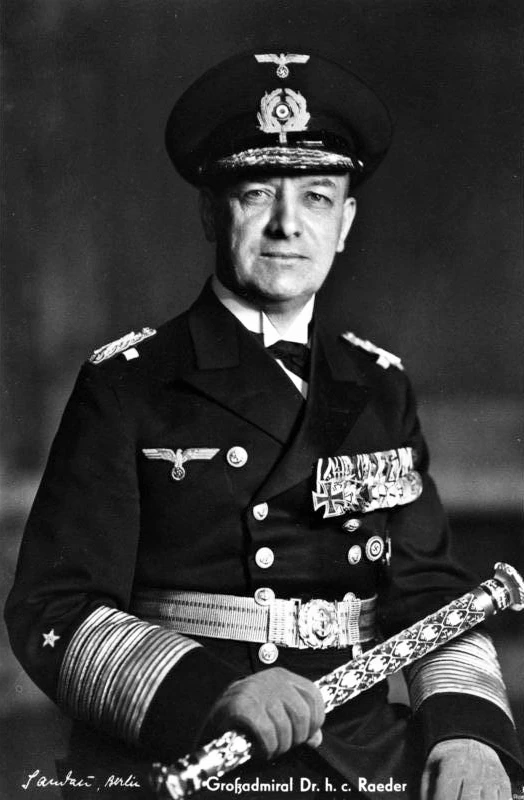
Raeder and the Seelöwe gamble
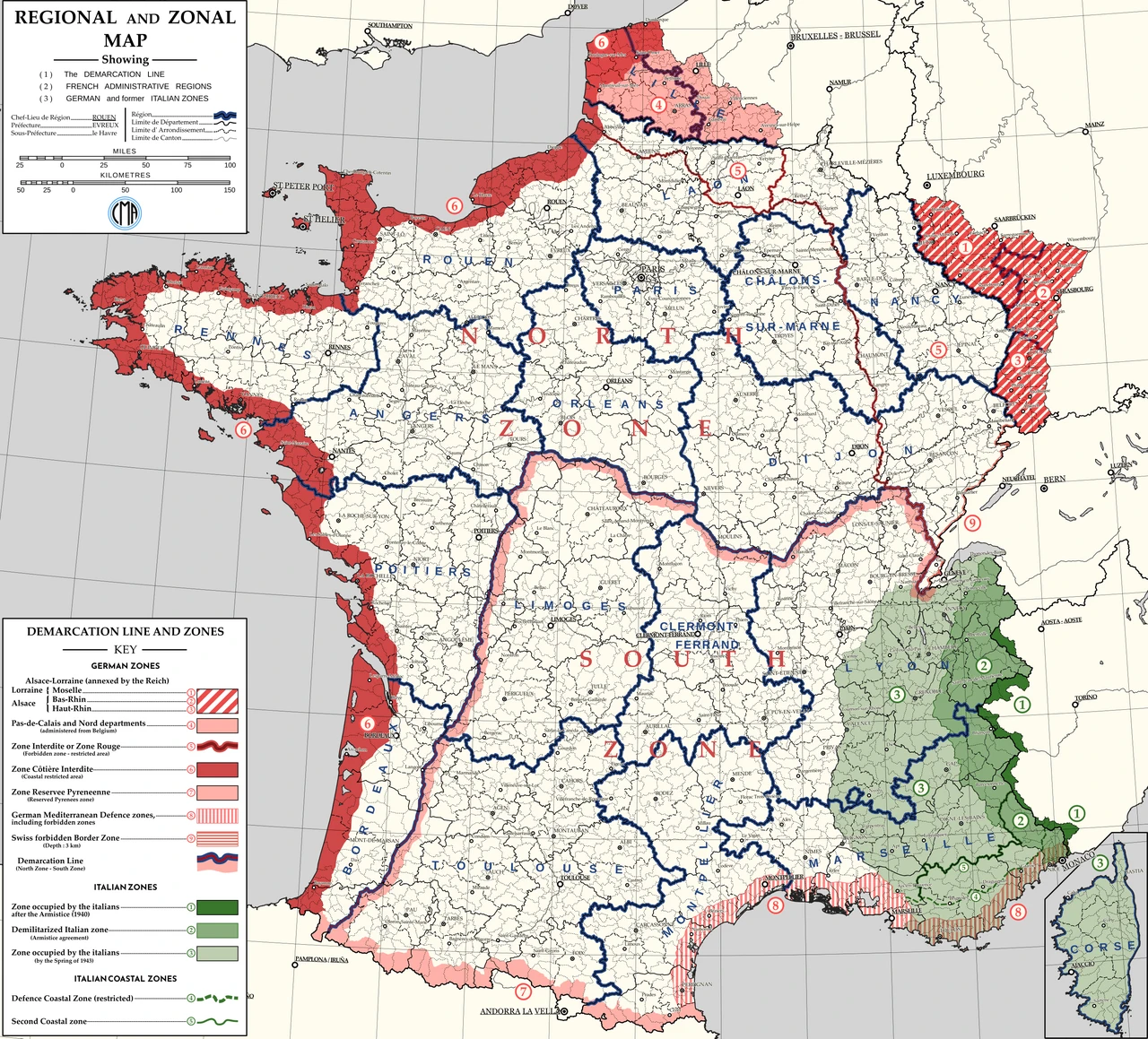
Wiesbaden — Tracing the Demarcation Line
Adlertag — which targets?
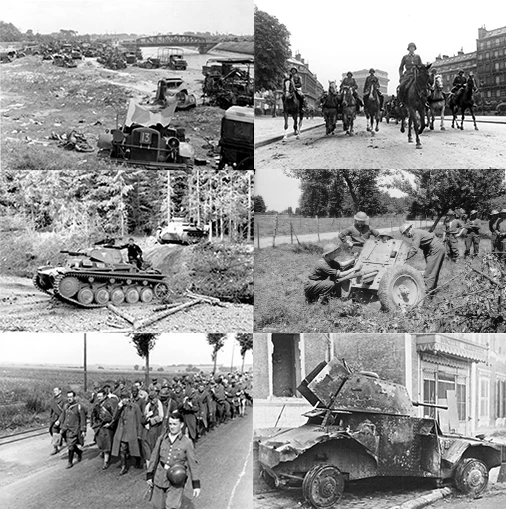
Fall Gelb — the order of 9 May 20:00
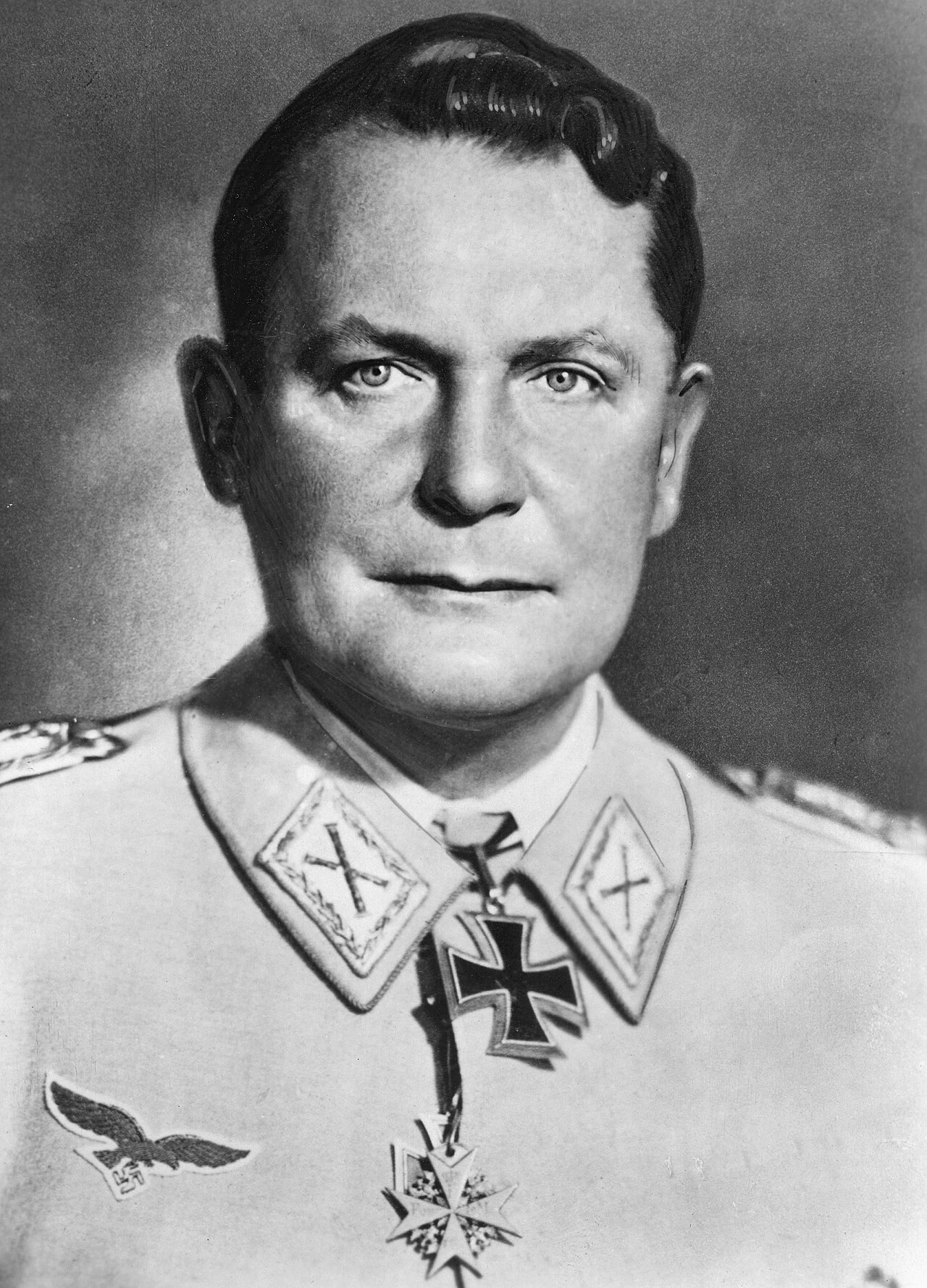
Goering at Carinhall — the promise to Hitler
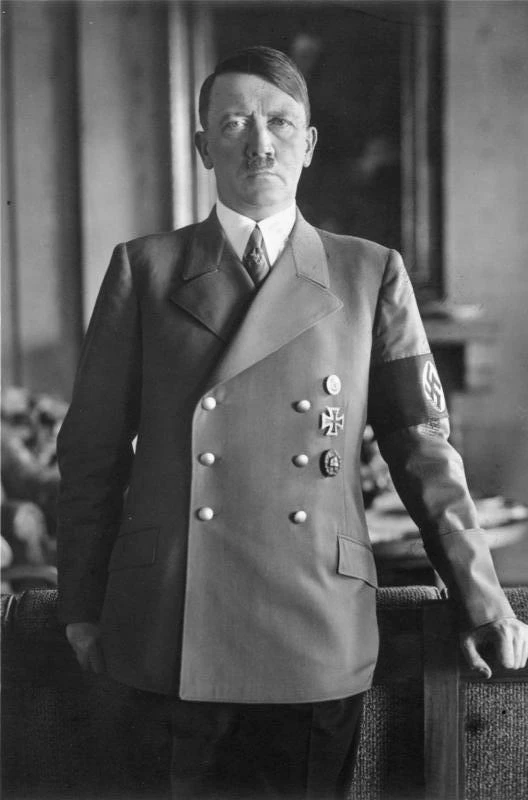
Hitler at the Felsennest — the anguish of the flanks
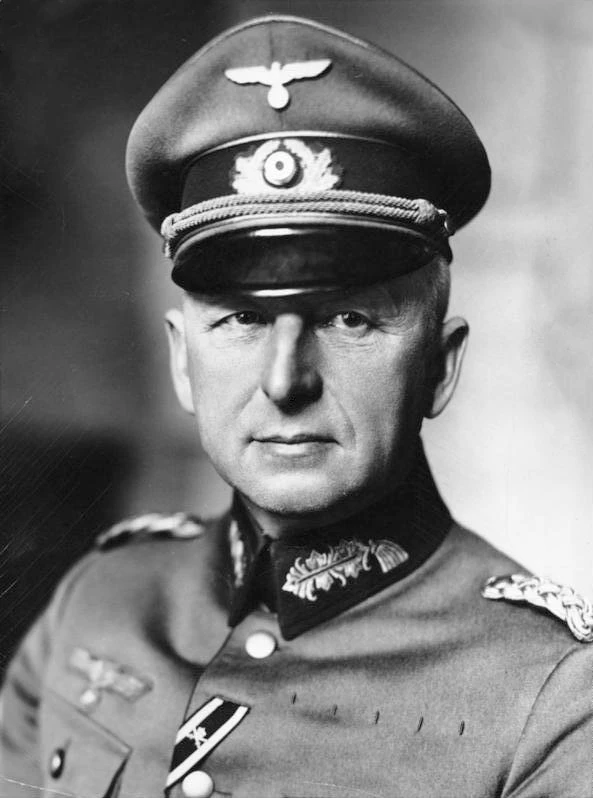
Manstein watches his plan — Koblenz, 10 May
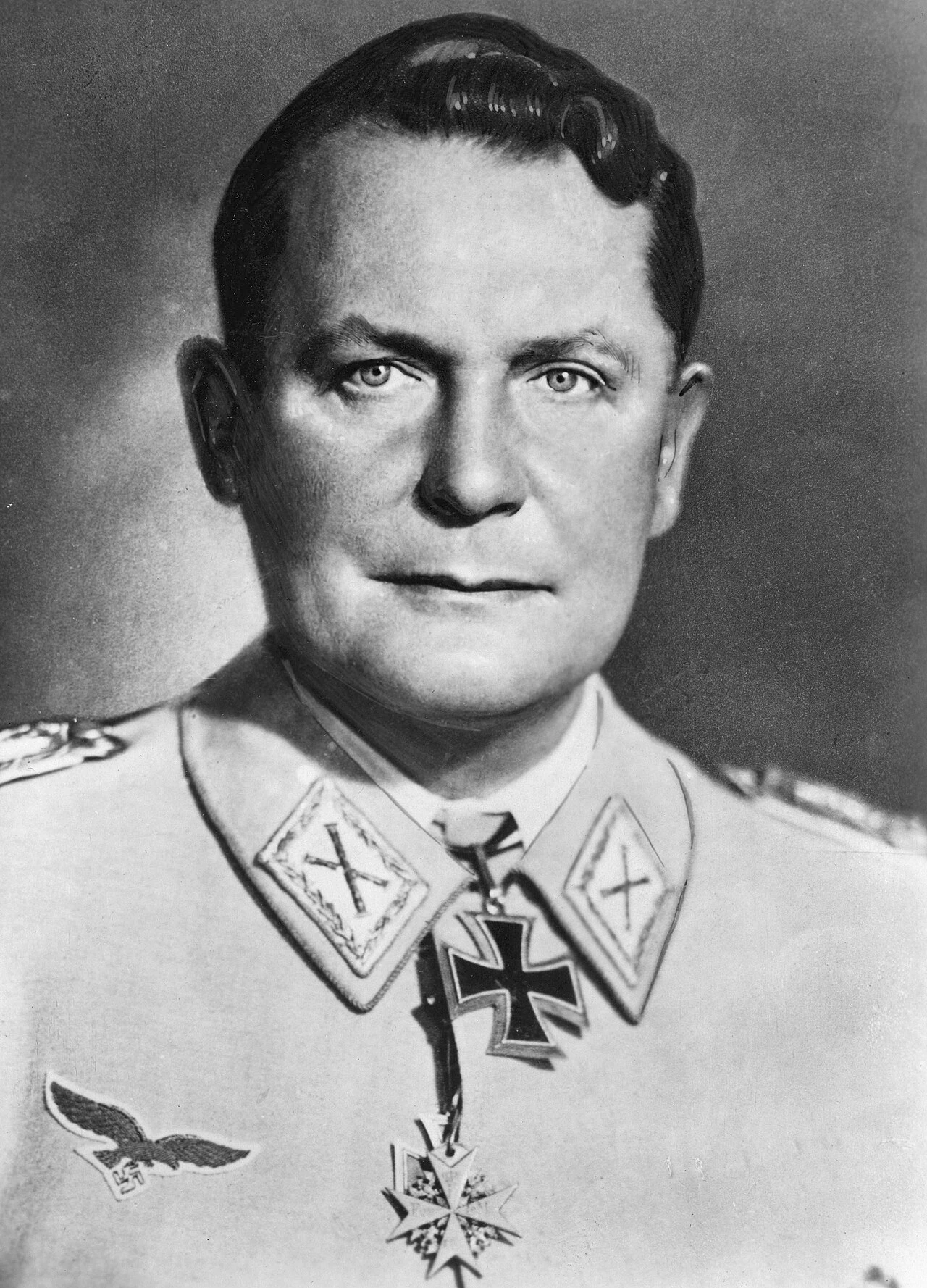
Göring's promise — Operation Adler
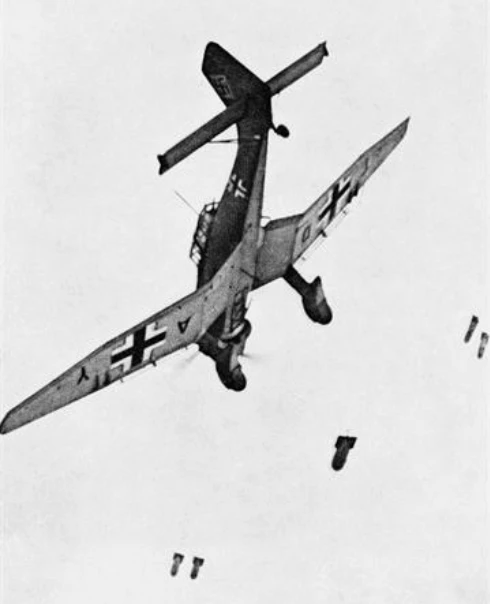
Withdrawing the Stukas
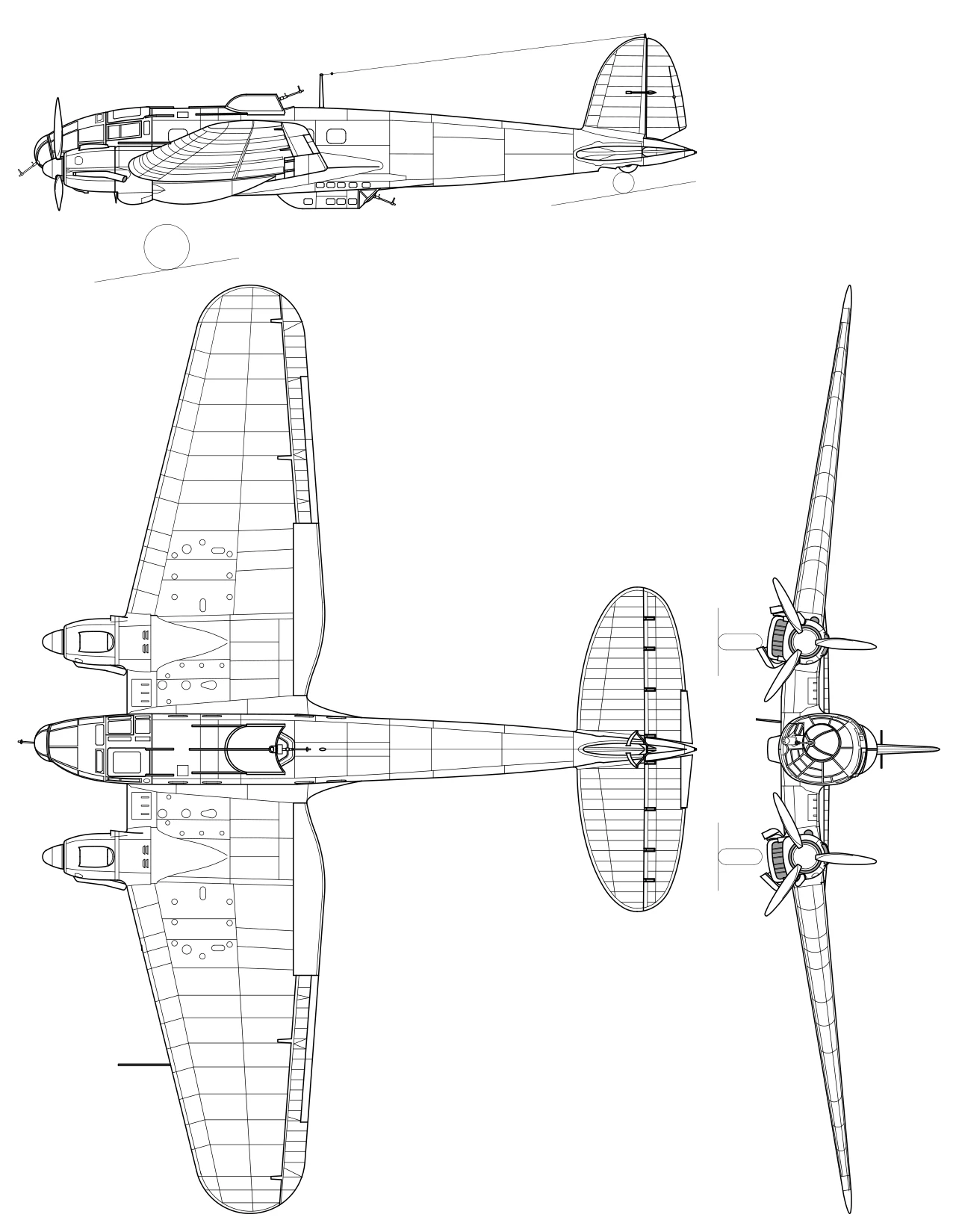
The doctrine of terror bombing
Raeder and the Seelöwe gamble
Wiesbaden — Tracing the Demarcation Line
Adlertag — which targets?
Fall Gelb — the order of 9 May 20:00
Goering at Carinhall — the promise to Hitler
Hitler at the Felsennest — the anguish of the flanks
Manstein watches his plan — Koblenz, 10 May
Göring's promise — Operation Adler
Withdrawing the Stukas