
Perekop: the Iron Gate of Crimea
In late September 1941, the German 11th Army, commanded by General Erich von Manstein, is advancing through southern Ukraine and sets its sights on Crimea, a strategic peninsula that commands the Black Sea and shelters the great Soviet naval base of Sevastopol. As long as it remains in the hands of the Red Army, Soviet aviation can threaten the Romanian oil fields of Ploiești, vital to the Reich's war effort.
The only land access to the peninsula runs through the Isthmus of Perekop, a narrow tongue of land a few kilometers wide, flat and featureless. The Soviets have turned it into a lock: trenches, minefields, an antitank ditch inherited from past centuries, pillboxes, and lines staggered in depth, supported by artillery. But the peninsula also has a long coastline, and the Axis forces have air support in the region.
Manstein commands battle-hardened infantry divisions, whose strength and equipment vary from sector to sector along the Eastern Front. The season is advancing and autumn, with its rains, is approaching, while other operations are tying up German resources. Several courses of action are open to the command for tackling this lock. He must decide.
How can the Isthmus of Perekop be forced to open the road into Crimea?
Manstein chose the frontal assault: lacking armor and pressed for time, he launched his infantry divisions into the open against the Perekop fortifications in late September and early October 1941. The fighting was extraordinarily violent on this flat terrain swept by Soviet fire, and German losses were heavy. But the 11th Army broke through the staggered lines, forced the lock of the isthmus and then that of Ishun, and surged across the peninsula in the autumn, seizing almost all of Crimea. A single bastion held out: the naval fortress of Sevastopol, whose siege dragged on. Despite the commitment of a colossal siege artillery, the city would not fall until July 1942, at the end of one of the deadliest sieges of the Eastern Front. This campaign would earn Manstein the marshal's baton, but at the cost of a prolonged bloodletting for his army.
Learn more about this event
Related polls
10
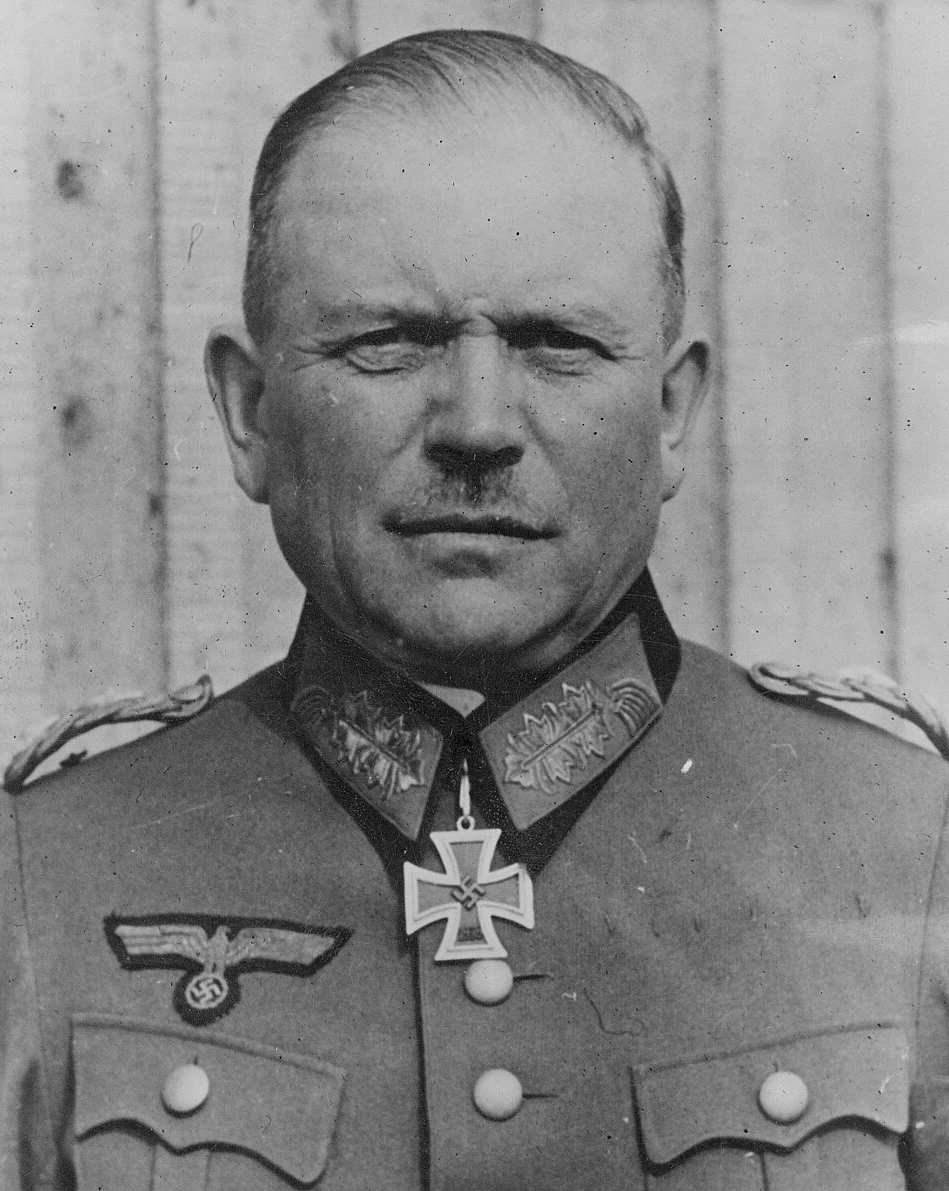
The Mud, the Winter and the Road to Moscow
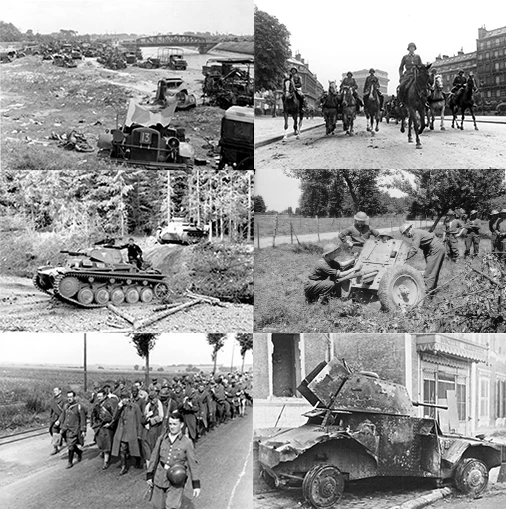
Fall Gelb — the order of 9 May 20:00
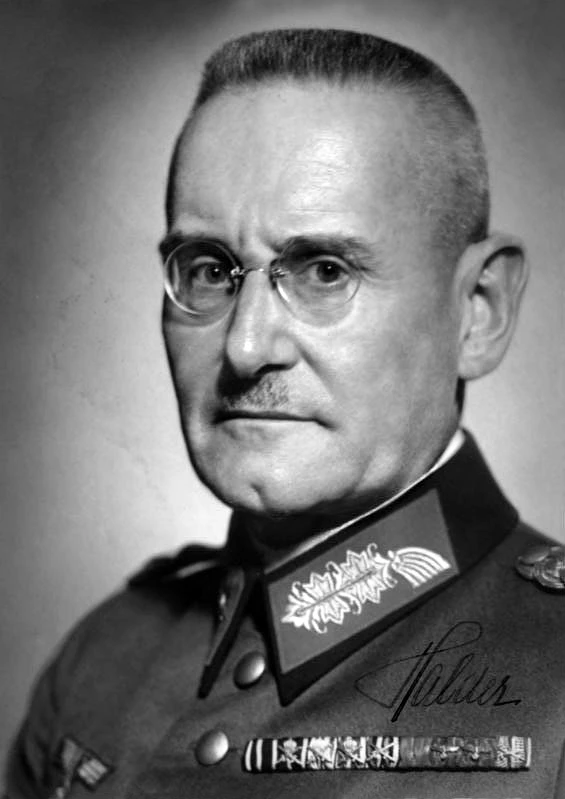
Which heart to strike in the East?
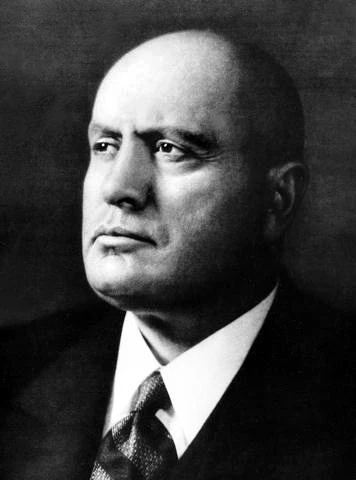
Mussolini wants his victory in Albania
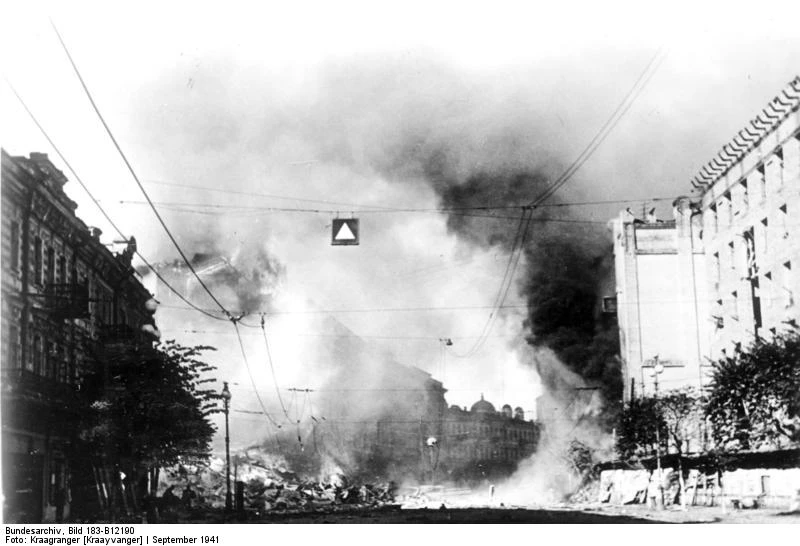
Kirponos, Kiev and Stalin's Prohibition
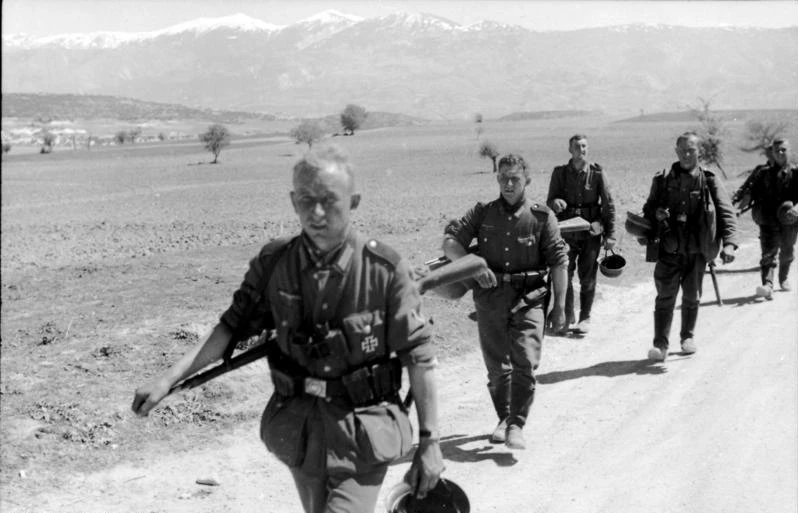
Marita — the invasion of Greece
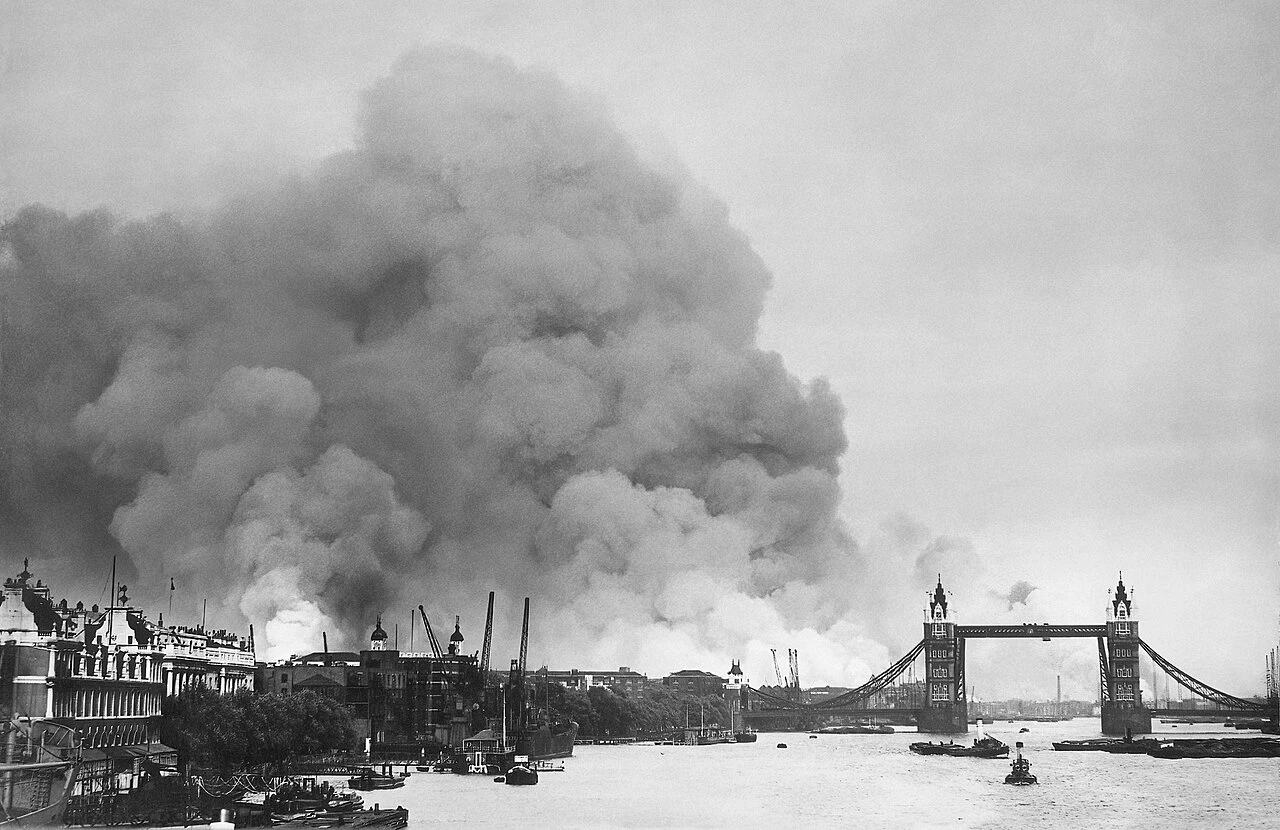
Adlertag — which targets?

The Houx weir
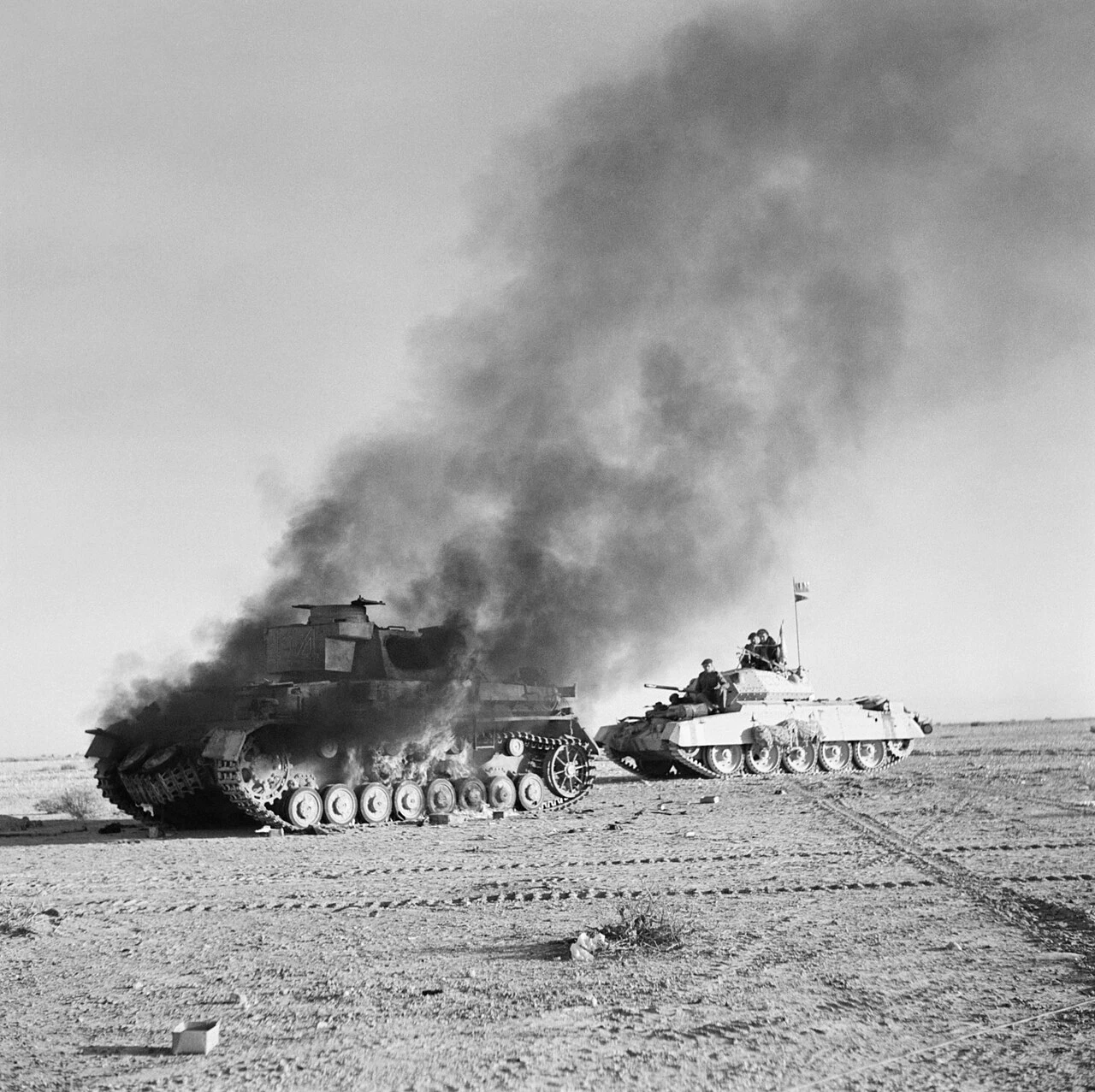
Crusader: The Generals' Doubt
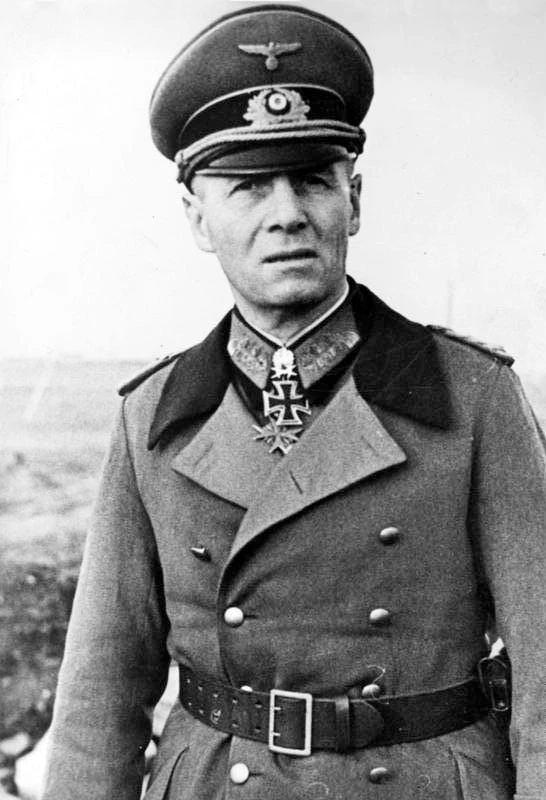
Rommel's ghost division
The Mud, the Winter and the Road to Moscow
Fall Gelb — the order of 9 May 20:00
Which heart to strike in the East?
Mussolini wants his victory in Albania
Kirponos, Kiev and Stalin's Prohibition
Marita — the invasion of Greece
Adlertag — which targets?
The Houx weir
Crusader: The Generals' Doubt