
At the start of 1939, the Jews of Germany live under a persecution that has become stifling: barred from the professions, despoiled, struck by the violence of the November 1938 Kristallnacht, forced to pay ruinous emigration taxes. In 1933 the Reich counted around 523,000 Jews; many have already fled.
Yet leaving remains an obstacle course. One needs a host country willing to issue a visa, guarantors, money for the taxes, and the luck of finding a place before the doors close. The United States applies strict quotas, Palestine is about to be shut, and the formalities drag on endlessly.
To illustrate this dilemma, you are a Berlin family. Emigrate now to any destination that will receive you, abandoning everything? Wait patiently for a visa to a specific, prepared country, at the risk that the doors close in the meantime? Or stay — out of attachment, lack of means, or the hope that the storm will pass? Every month that goes by narrows the field of the possible.
Should our family flee as fast as possible, wait for a safe visa, or stay in hope of better days?
Historically, the majority of those who could chose A: of the ~523,000 Jews of 1933, around 282,000 emigrated from Germany before September 1939 (and some 117,000 from annexed Austria), nearly 120,000 in the years 1938–1939 alone. But the wall of visas trapped many: around 202,000 remained in Germany at the end of 1939, for want of a host country, money, or time. Those who could not flee will, in their great majority, be deported and murdered. The fate of Germany's Jews in 1939 illustrates a cold truth: wanting to leave was not enough — a country still had to be willing to open its doors.
Learn more about this event
Related polls
10
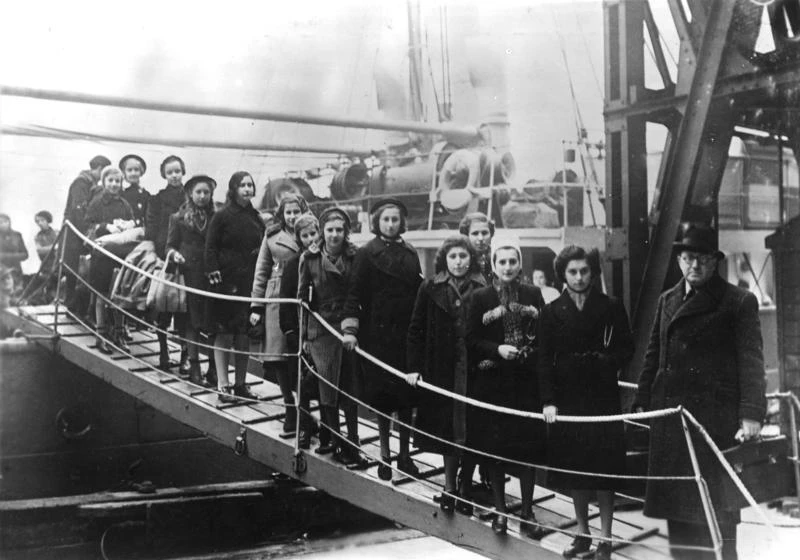
The Kindertransport
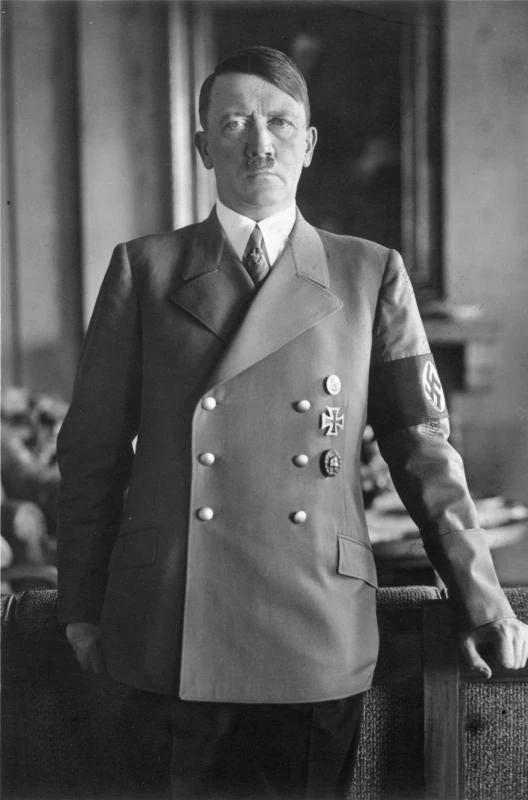
The Prophecy Speech
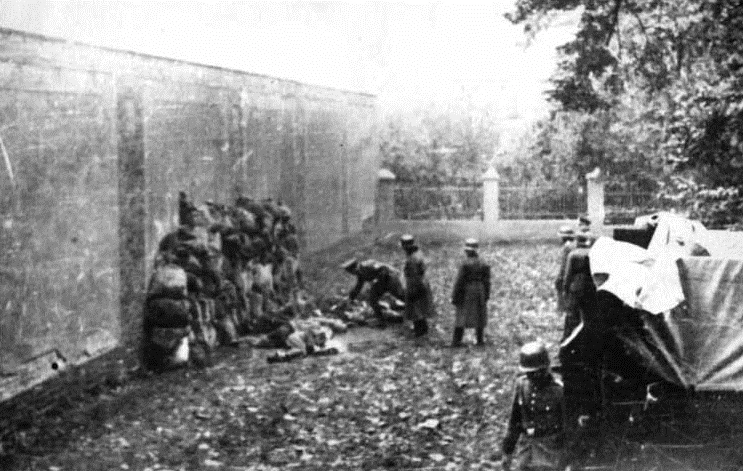
The Warsaw Ghetto — the ration of hunger
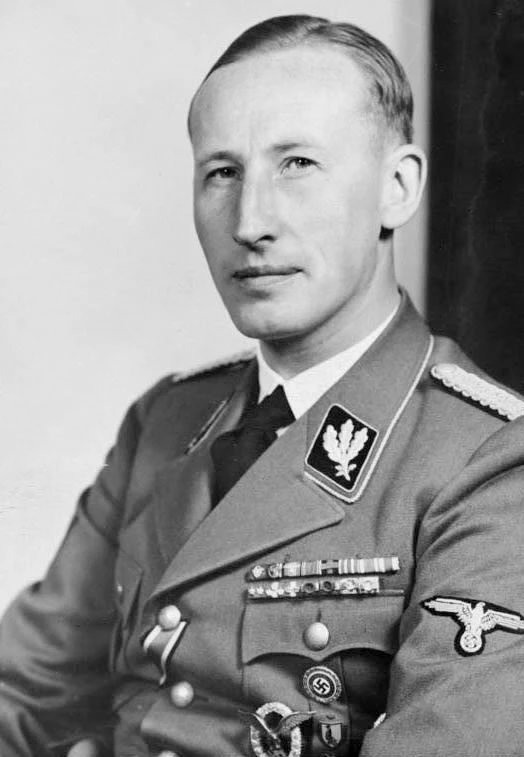
The Reich Central Office for Jewish Emigration
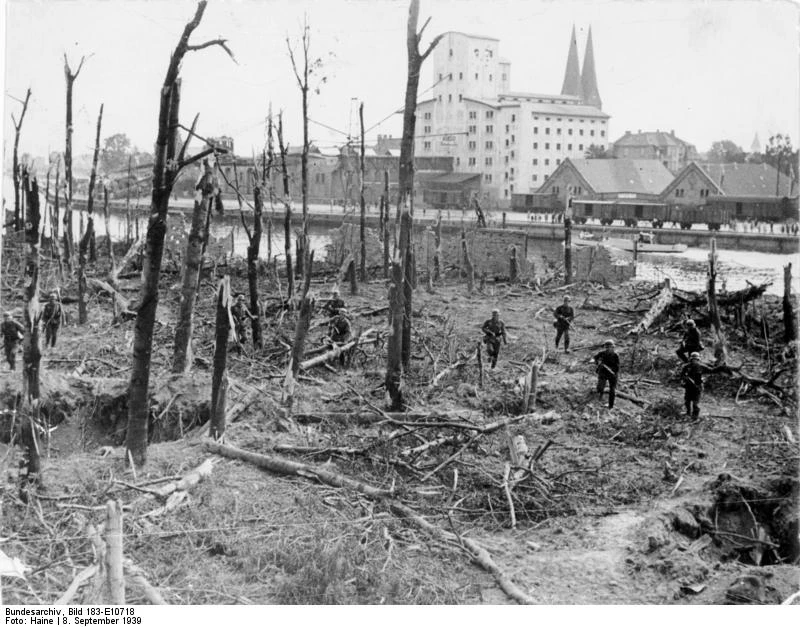
A Danzig Customs Officer on the Day of Annexation

Join the Party?
The Youth of the Reich
A Correspondent in Berlin
The Obersalzberg Speech
Generalplan Ost — the Hunger Plan
The Kindertransport
The Prophecy Speech
The Warsaw Ghetto — the ration of hunger
The Reich Central Office for Jewish Emigration
A Danzig Customs Officer on the Day of Annexation
Join the Party?
The Youth of the Reich
A Correspondent in Berlin
The Obersalzberg Speech