
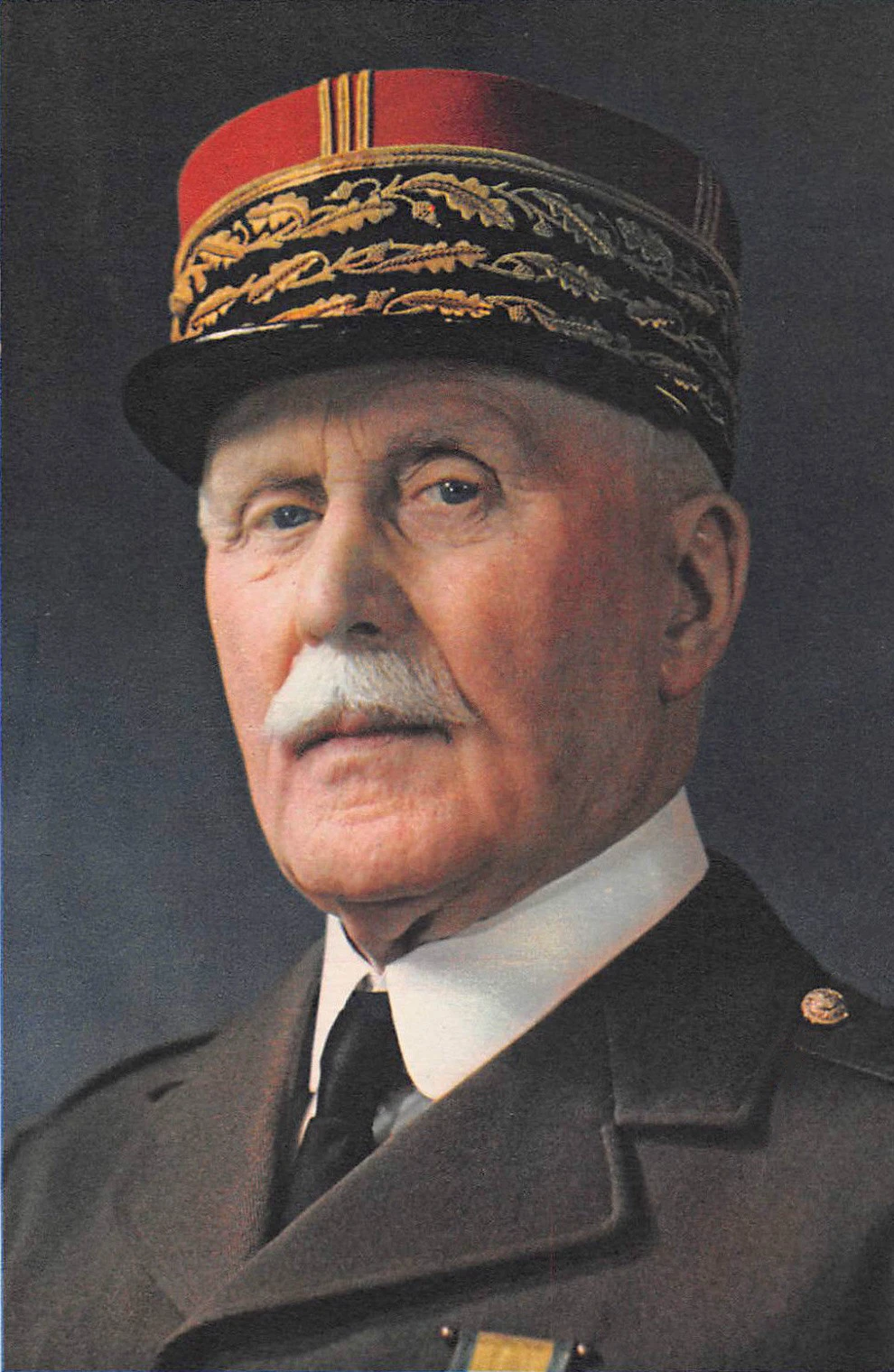
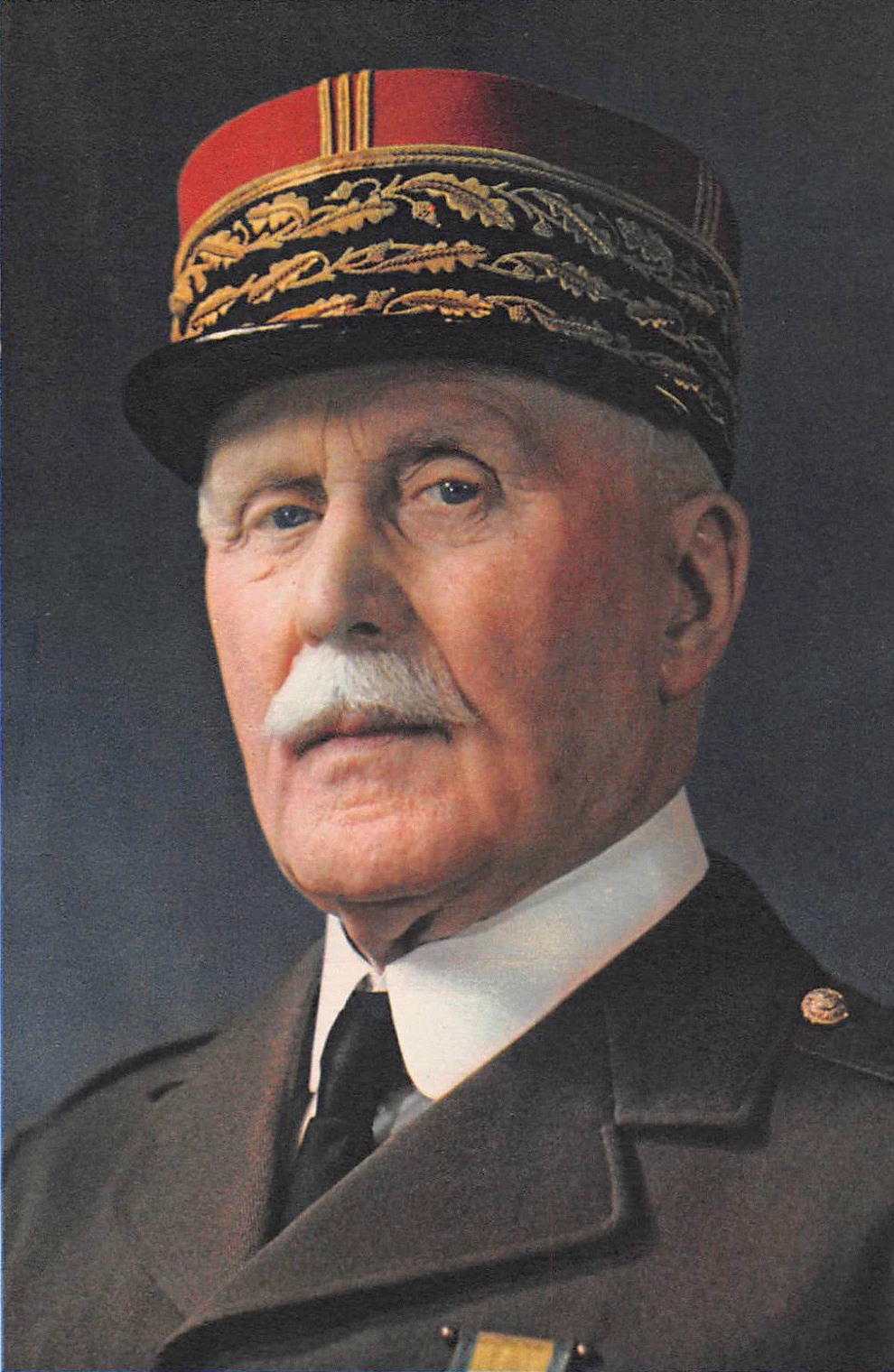
On 10 July 1940, gathered at Vichy, the deputies and senators of the Third Republic had to vote on a bill granting Marshal Pétain full constituent powers — that is, the right to rewrite the Constitution. In the disarray of the defeat, many saw in Pétain, the "victor of Verdun", a recourse and a saviour.
What was at stake was the very fate of the Republic. To vote full powers was to scuttle the parliamentary regime and place the State in the hands of one man and his entourage, in the hope of order and recovery. To refuse was to defend republican legality, but against the current of a stunned public opinion and a climate of panic, and without any genuinely organised alternative.
Each parliamentarian could vote for full powers, out of confidence in Pétain or resignation. Vote against, to defend the Republic, at the risk of isolation. Or abstain / absent himself. Pressure, confusion and the absence of the parliamentarians who had left on the Massilia weighed on the vote. It was the legal act of birth of the Vichy regime.
Should the parliamentarians vote full powers to Pétain, vote against, or abstain?
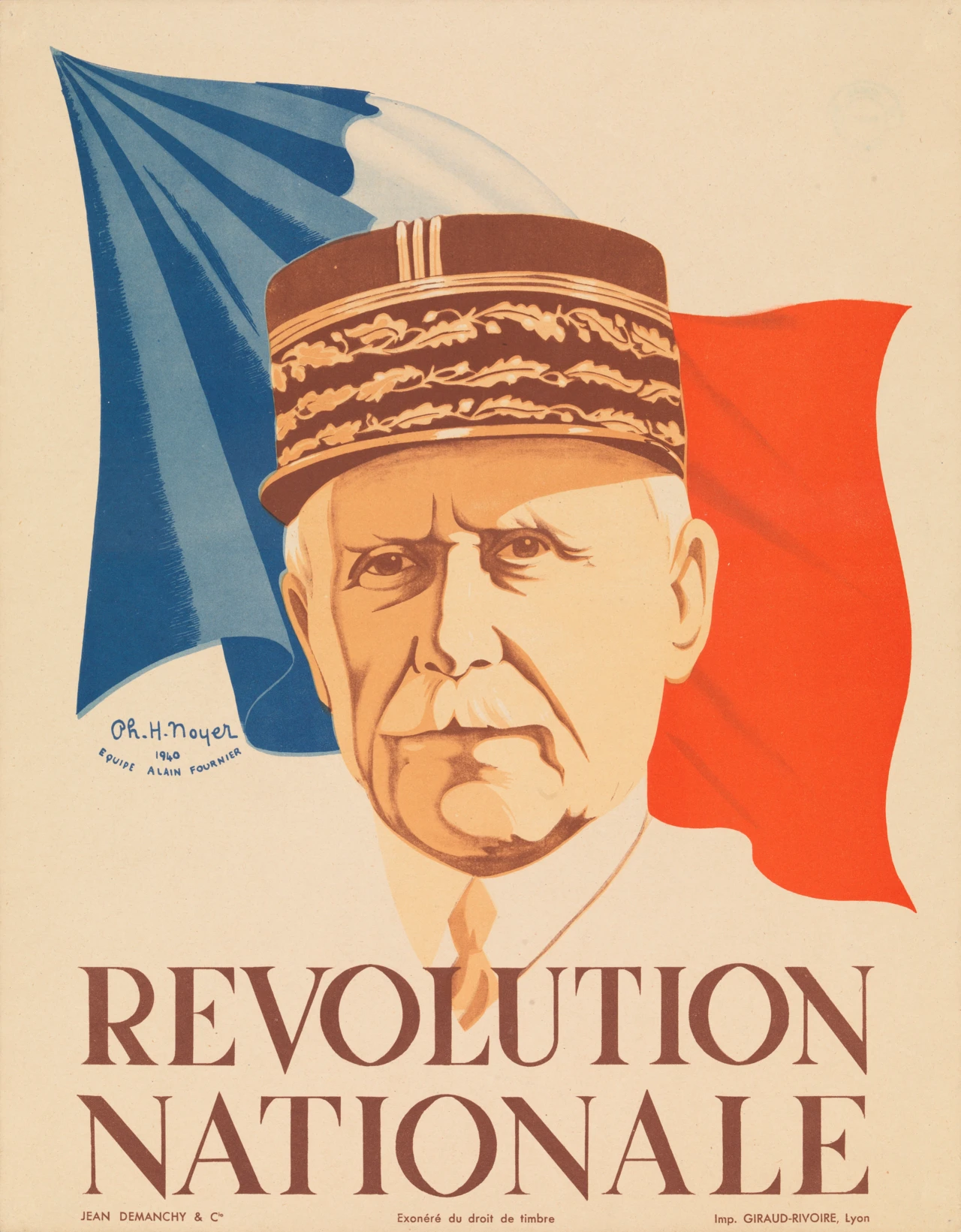
The Assembly voted massively for A: on 10 July 1940, by 569 votes to 80 (and some twenty abstentions), the parliamentarians granted full constituent powers to Pétain, putting an end to the Third Republic. The next day, Pétain assumed full powers and established the "French State". The 80 who voted no — remembered in history as the "eighty" — would become a symbol of republican resistance. This vote, obtained in the stupor of defeat, opened the way to the authoritarian Vichy regime, to the "National Revolution" and to collaboration. It still poses, to this day, the question of the responsibility of a Parliament that had abdicated into the hands of one man.
Learn more about this event
Related polls
10
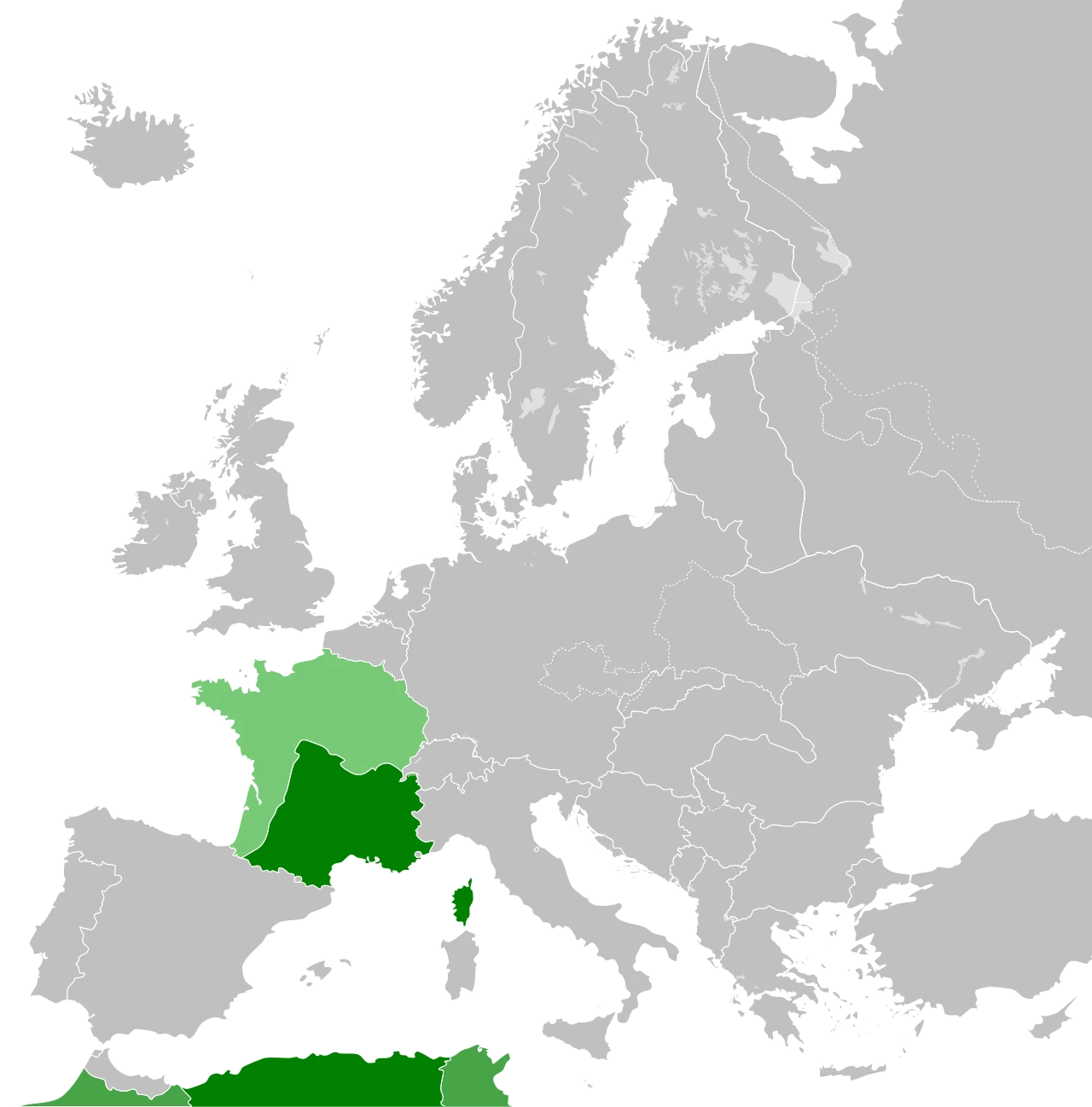
A Capital for the French State — 28 June
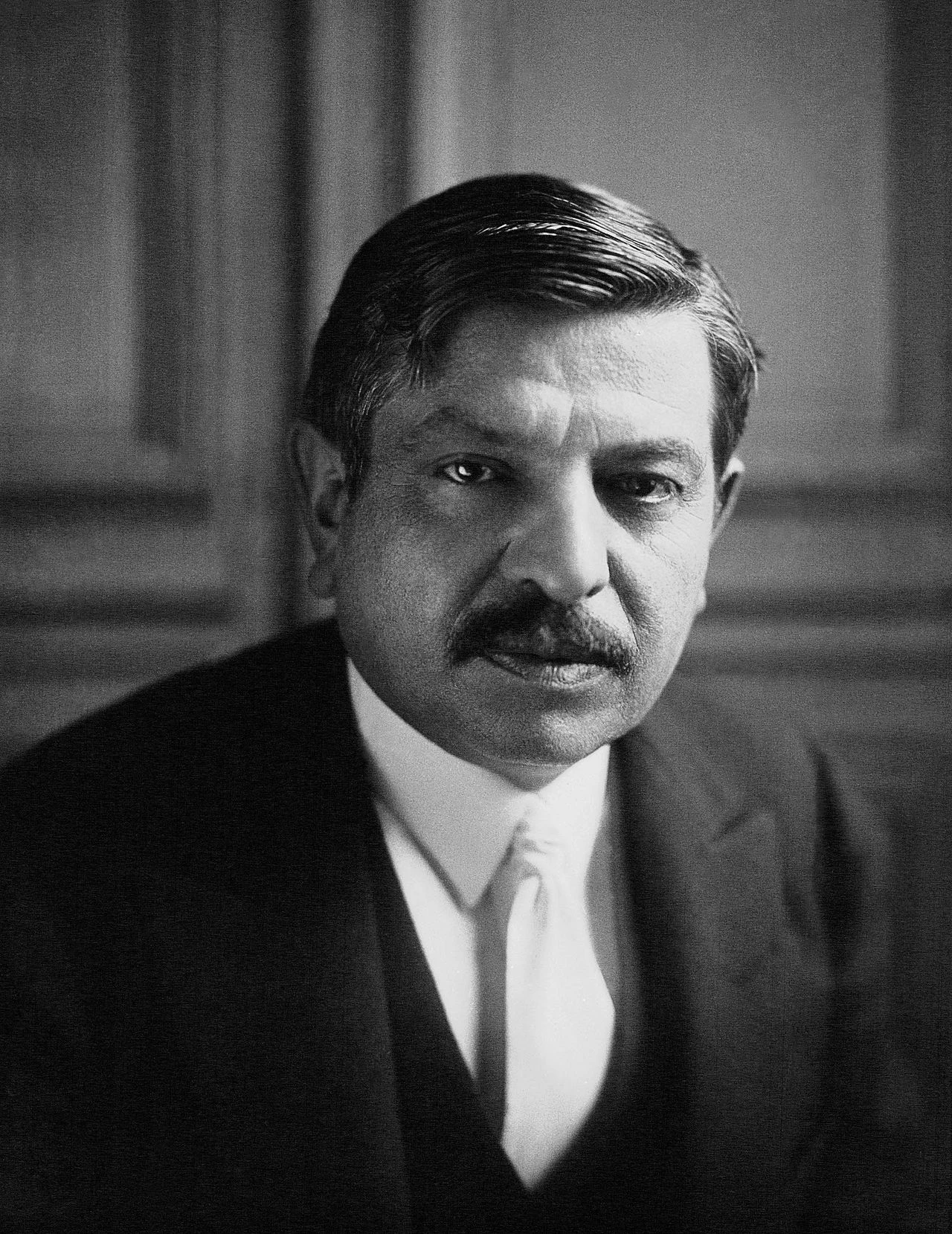
Laval at the Vichy Casino — 10 July

The French Pacific Rallies
Pétain Faces Mers-el-Kébir
Work, Family, Fatherland
Vincent Badie — Vichy Casino, 10 July
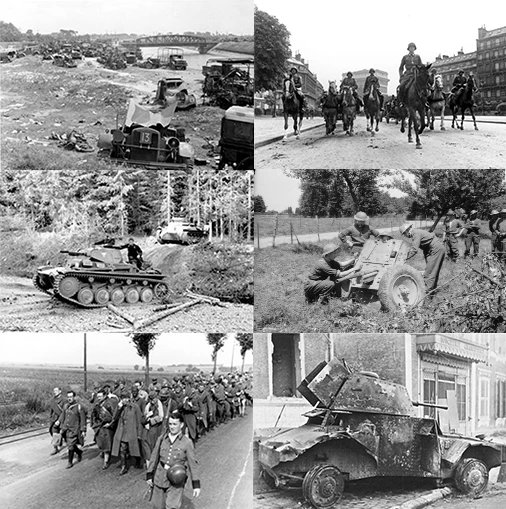
The armistice of Rethondes
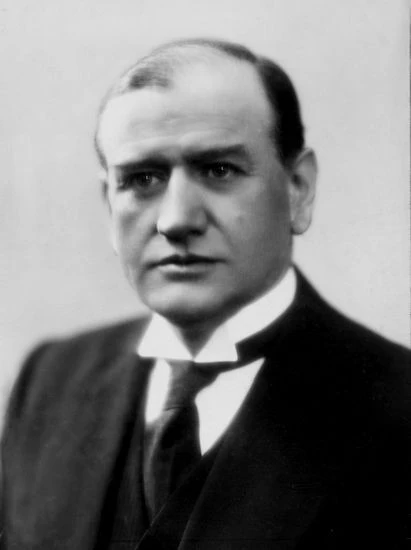
Daladier asked to leave the War Ministry
Dunkirk: should the French be saved alongside the British?
The Empire — Vichy or de Gaulle
A Capital for the French State — 28 June
Laval at the Vichy Casino — 10 July
The French Pacific Rallies
Pétain Faces Mers-el-Kébir
Work, Family, Fatherland
Vincent Badie — Vichy Casino, 10 July
The armistice of Rethondes
Daladier asked to leave the War Ministry
Dunkirk: should the French be saved alongside the British?