
Hitler at Compiègne — 22 June 4:30 p.m.
On 22 June 1940, goes in person to the Rethondes Clearing in the Forest of Compiègne. He has demanded that the French capitulation be signed at the exact spot, and in the very Foch carriage, where Germany had to accept the armistice of 1918. The staging is a symbolic revenge for the German humiliation of the Great War.
Hitler visits the carriage, listens to the reading of the preamble, then leaves the site before the signing, which he leaves to Keitel and the French delegation. On his way out, around midday, before the propaganda cameramen, he marks his jubilation with a movement — a heel-click, a body gesture — captured by the cameras.
The moment is also an act of communication. For Hitler, at the peak of his military successes, it is a matter of fixing the Reich's triumph in the image. The question is what that gesture really was: spontaneous joy, a calculated pose for the camera, or both, amplified afterward in editing.
Was Hitler's 'jig' at Compiègne spontaneous or staged?
The accepted answer is C. The interpreter , a direct witness, describes real jubilation; but the propaganda film that follows accentuates and repeats the movement, creating the enduring image of a Hitler dancing for joy. This 'Compiègne jig' becomes a symbol, taken up even by Allied propaganda. For Hitler, Compiègne marks the summit of his trajectory: the humiliation of 1918 erased, France struck down. What follows will be a long descent — failure against England as early as the summer of 1940, then the invasion of the USSR in 1941. Hitler will have the Rethondes site dynamited shortly afterward, sparing only the Foch statue.
Learn more about this event
Related polls
10
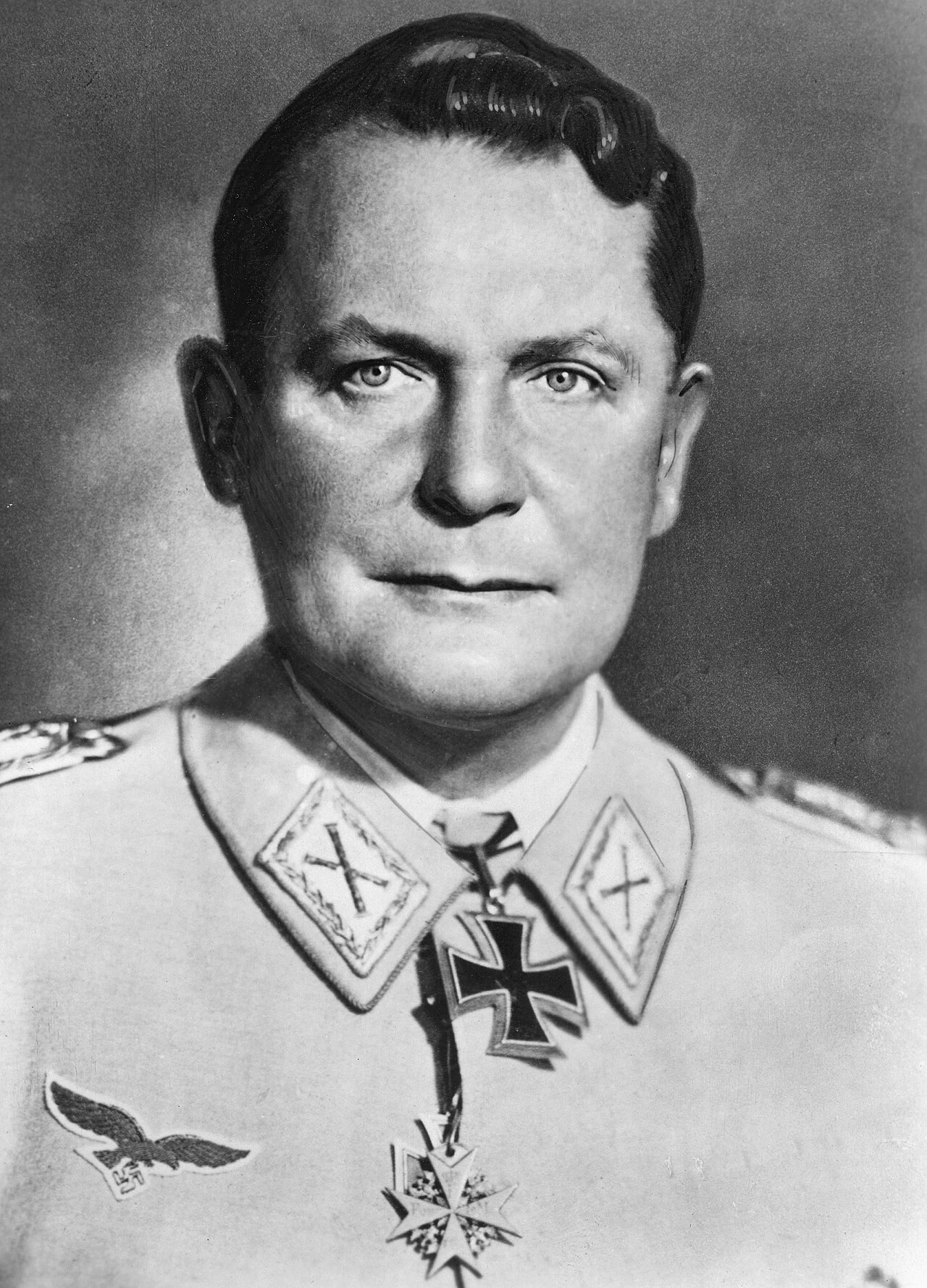
Goering at Carinhall — the promise to Hitler
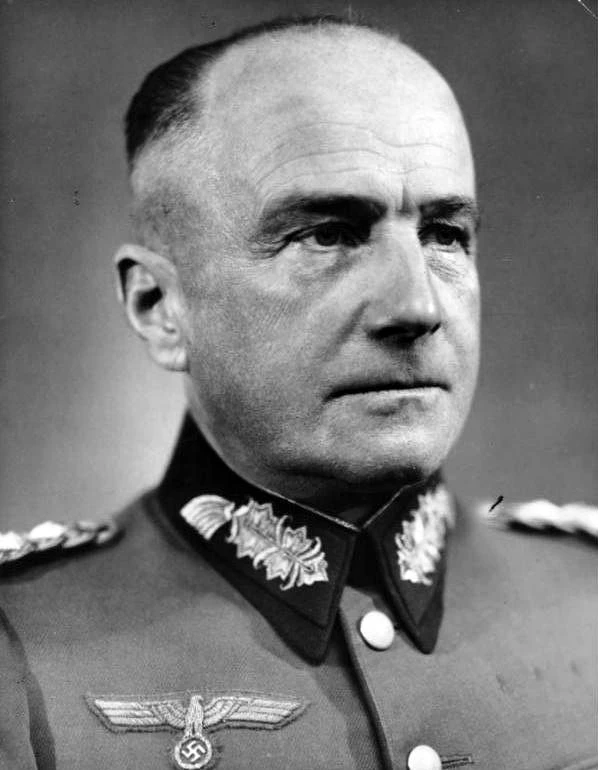
Brauchitsch — Reich Chancellery, 5 November
Ciano summons the ambassadors — 10 June
Goering — the economic mobilization plan
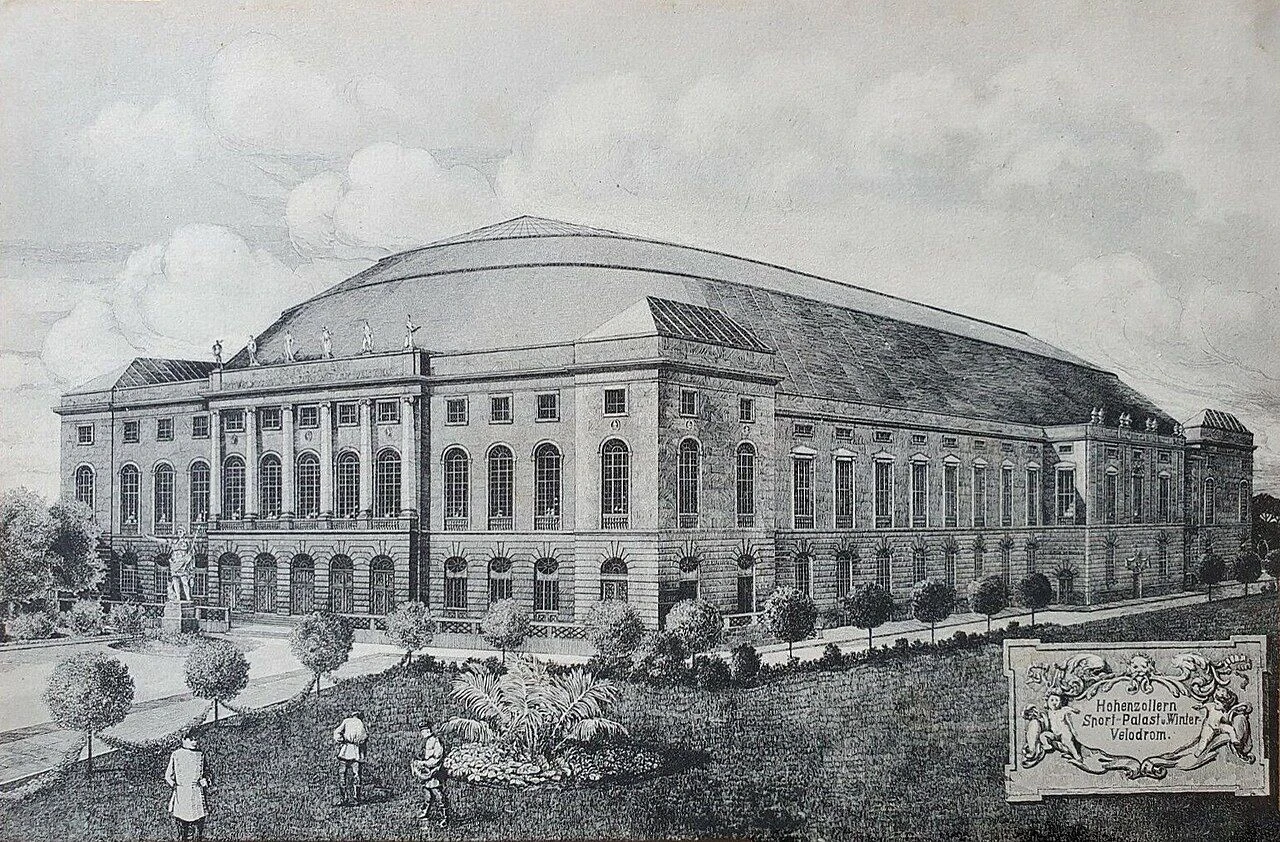
Hitler at the Sportpalast — 30 January, 8 pm
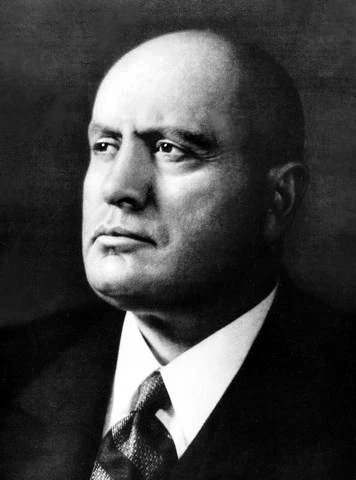
Mussolini on the balcony — 10 June, 18:00
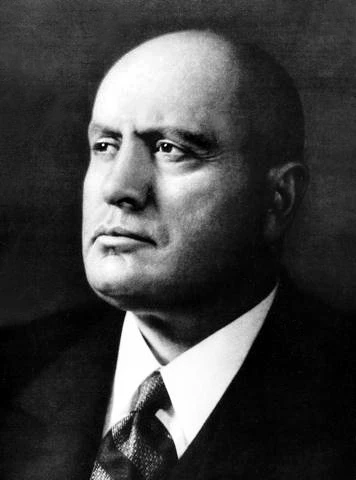
Mussolini on the Riviera — 21 June
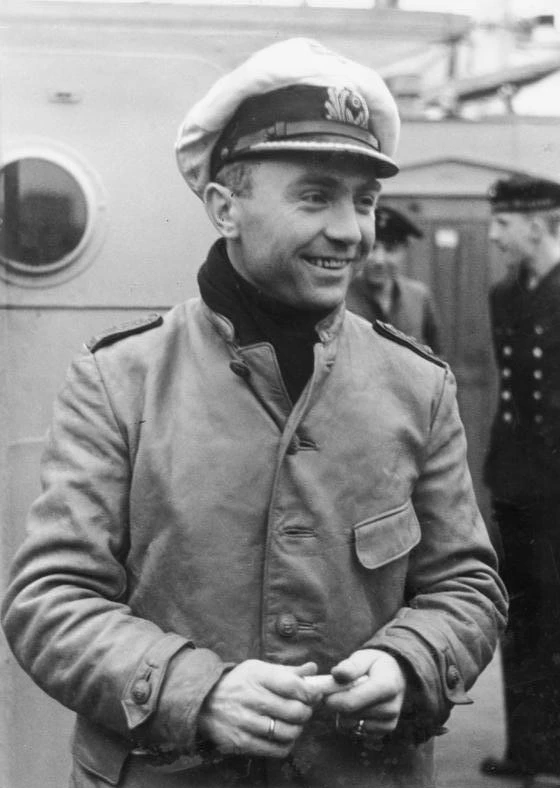
'Where is Prien?' — the fate of a hero
Welles with Hitler — 2 March 11:00
Berlin, October 1941: The Words of Victory
Goering at Carinhall — the promise to Hitler
Brauchitsch — Reich Chancellery, 5 November
Ciano summons the ambassadors — 10 June
Goering — the economic mobilization plan
Hitler at the Sportpalast — 30 January, 8 pm
Mussolini on the balcony — 10 June, 18:00
Mussolini on the Riviera — 21 June
'Where is Prien?' — the fate of a hero
Welles with Hitler — 2 March 11:00