
Denouncing the partisans under the terror of reprisals in Serbia
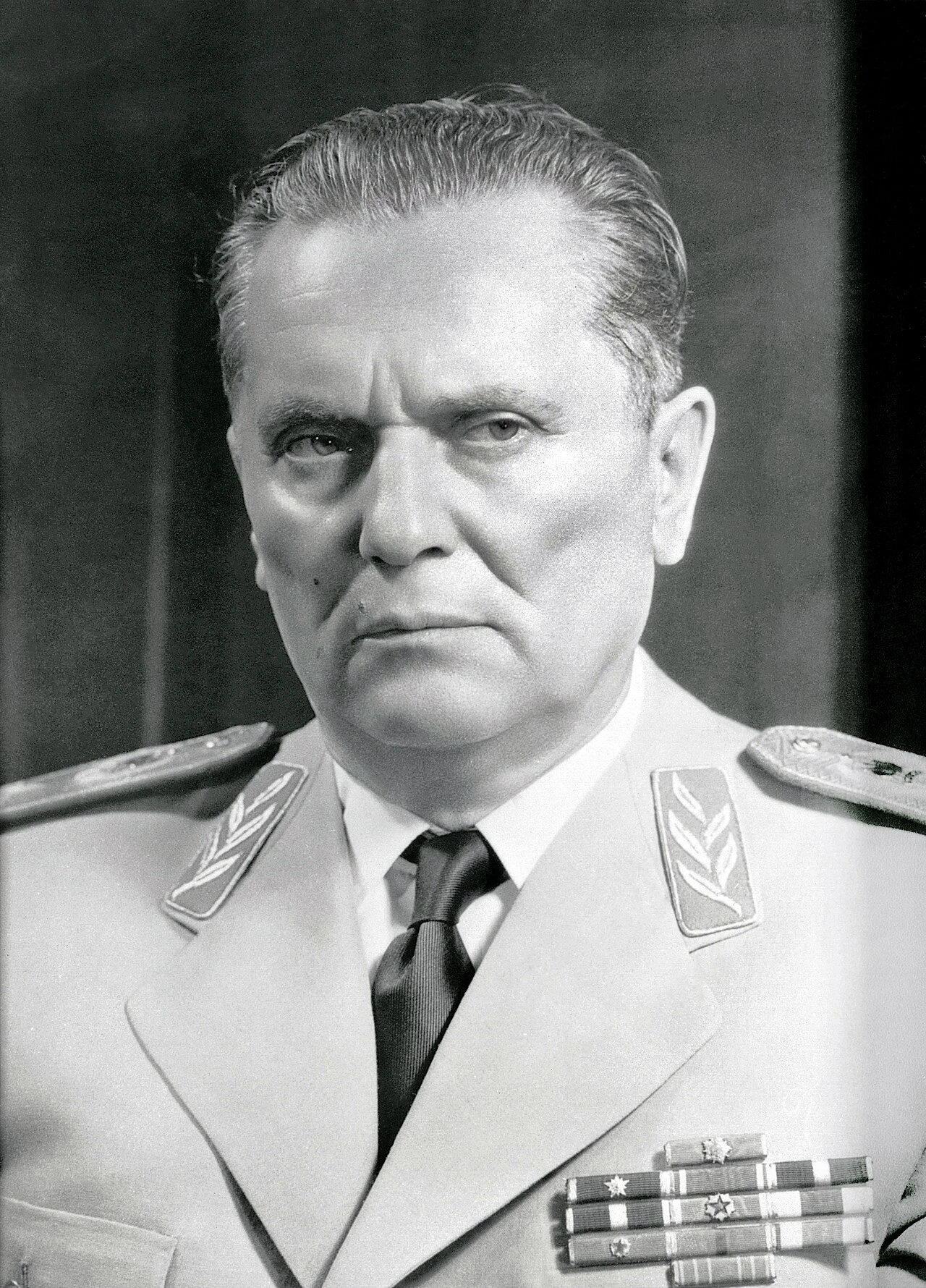
In the autumn of 1941, occupied Serbia is ablaze. After the invasion of the USSR on 22 June, Tito's Yugoslav Communist Party calls for an uprising, and in the hills of Šumadija, the rural heart of Serbia, communist partisans and 's Chetniks harass the German garrisons. The Wehrmacht, with only a few divisions, responds with a codified terror: Keitel's order (OKW) of 16 September 1941 prescribes the execution of 100 hostages per German soldier killed and 50 per wounded.
The village is a microcosm where everyone knows one another. The insurgents are often sons, cousins, neighbours; they come down at night to seek bread, intelligence, shelter. The occupier promises bounties in dinars for any information leading to a partisan, and imposes on each community a retribution that targets not the guilty party but the first civilians at hand. To denounce may divert the lightning from one's own hamlet but exposes those one betrays; to keep silent makes one complicit; to warn the partisans is to risk one's life. October 1941 shows it: at Kraljevo, from the 15th to the 20th, about 2,000 inhabitants are shot; on the 21st, at Kragujevac, more than 2,700 men and boys are rounded up and then killed at Šumarice, including entire classes of secondary-school pupils led by their teachers.
The ratio of 100 to 1 is not an abstraction: it is a machine for killing the innocent. The peasant's dilemma is anything but theoretical.
Faced with partisans hiding in the woods, should the peasant denounce them to the Germans, keep silent, or warn them of danger?
The great majority of Serbian peasants chose silence over denunciation, out of fear of reprisals as much as out of solidarity or hostility towards the occupier. A minority collaborated and informed the Germans, but systematic denunciation remained marginal in the countryside. The German policy of terror, far from pacifying Serbia, culminated in the massacres of Kraljevo (about 2,000 dead, 15–20 October 1941) and Kragujevac (more than 2,700 dead, including 144 secondary-school pupils, on 21 October 1941), applying Keitel's order of 16 September 1941. In all, German reprisals killed tens of thousands of Serbian civilians in 1941. These killings, by striking blindly, ultimately fed the resistance they claimed to crush.
Learn more about this event
Related polls
10
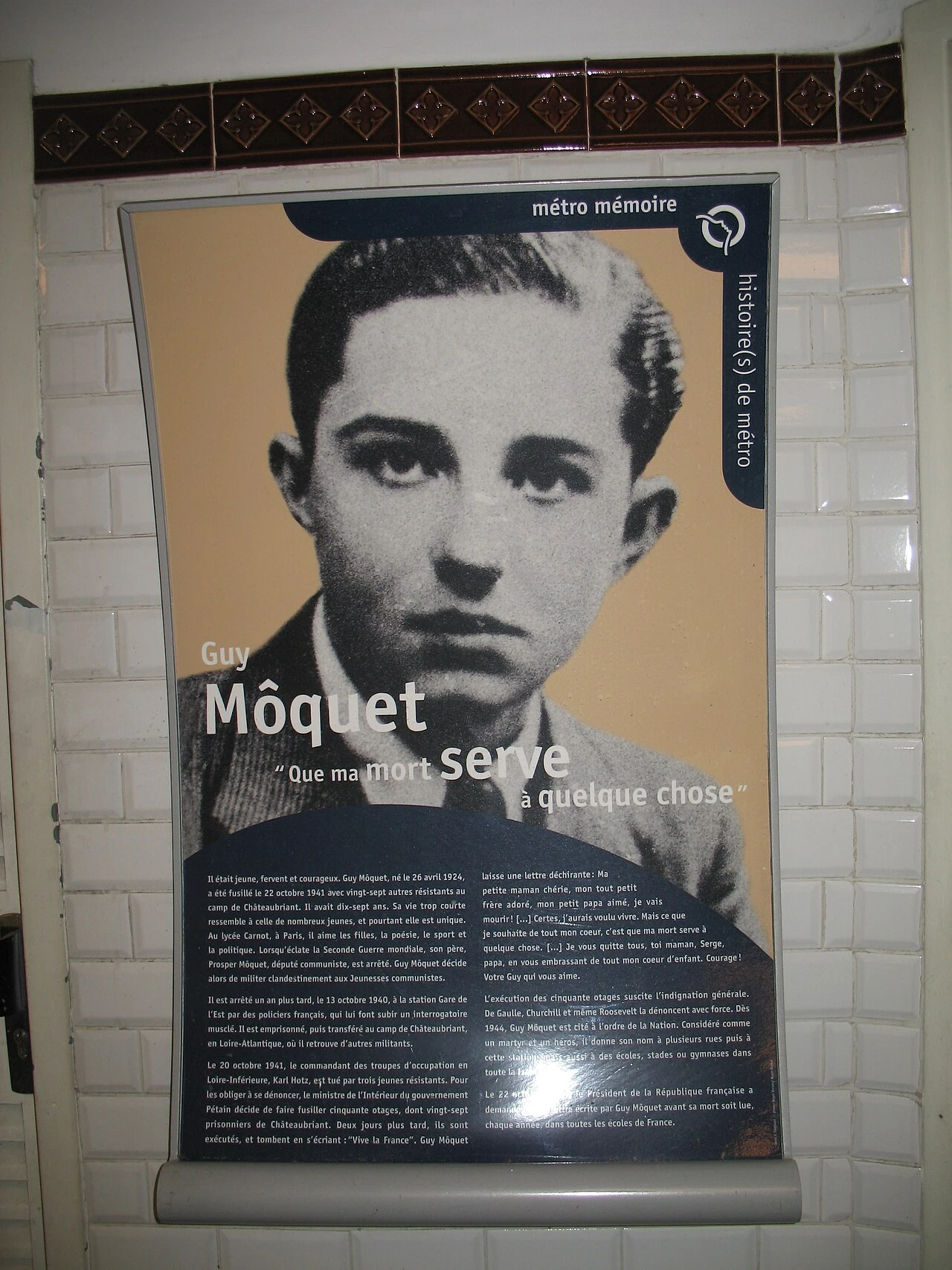
Châteaubriant: The List of Hostages
The Belgrade schoolteacher under the occupation
The Belgrade medical student and the call of the Partisans
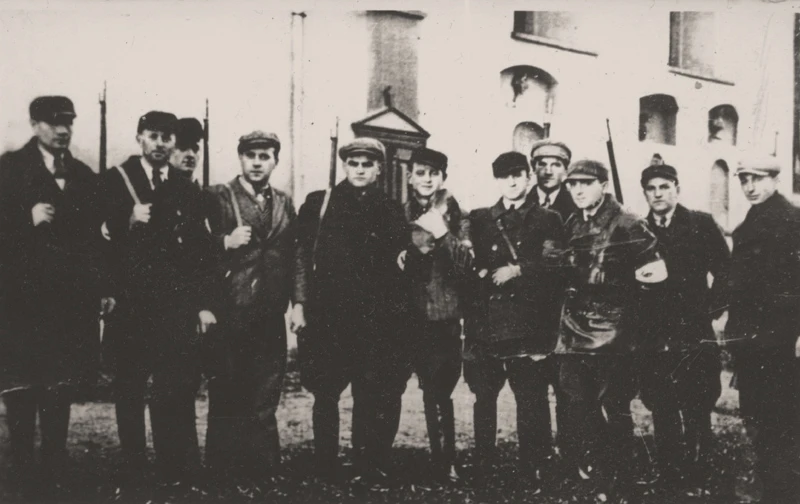
The Volksdeutsche Conscripted into the Selbstschutz
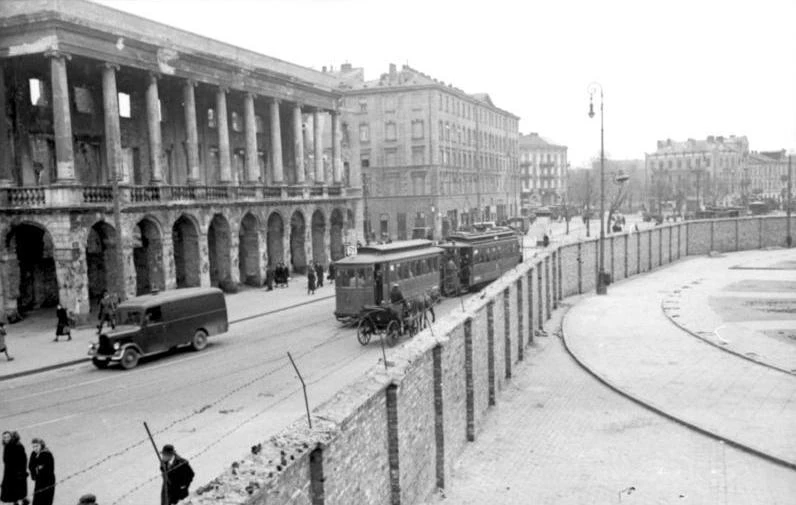
Clandestine teaching in the Warsaw Ghetto
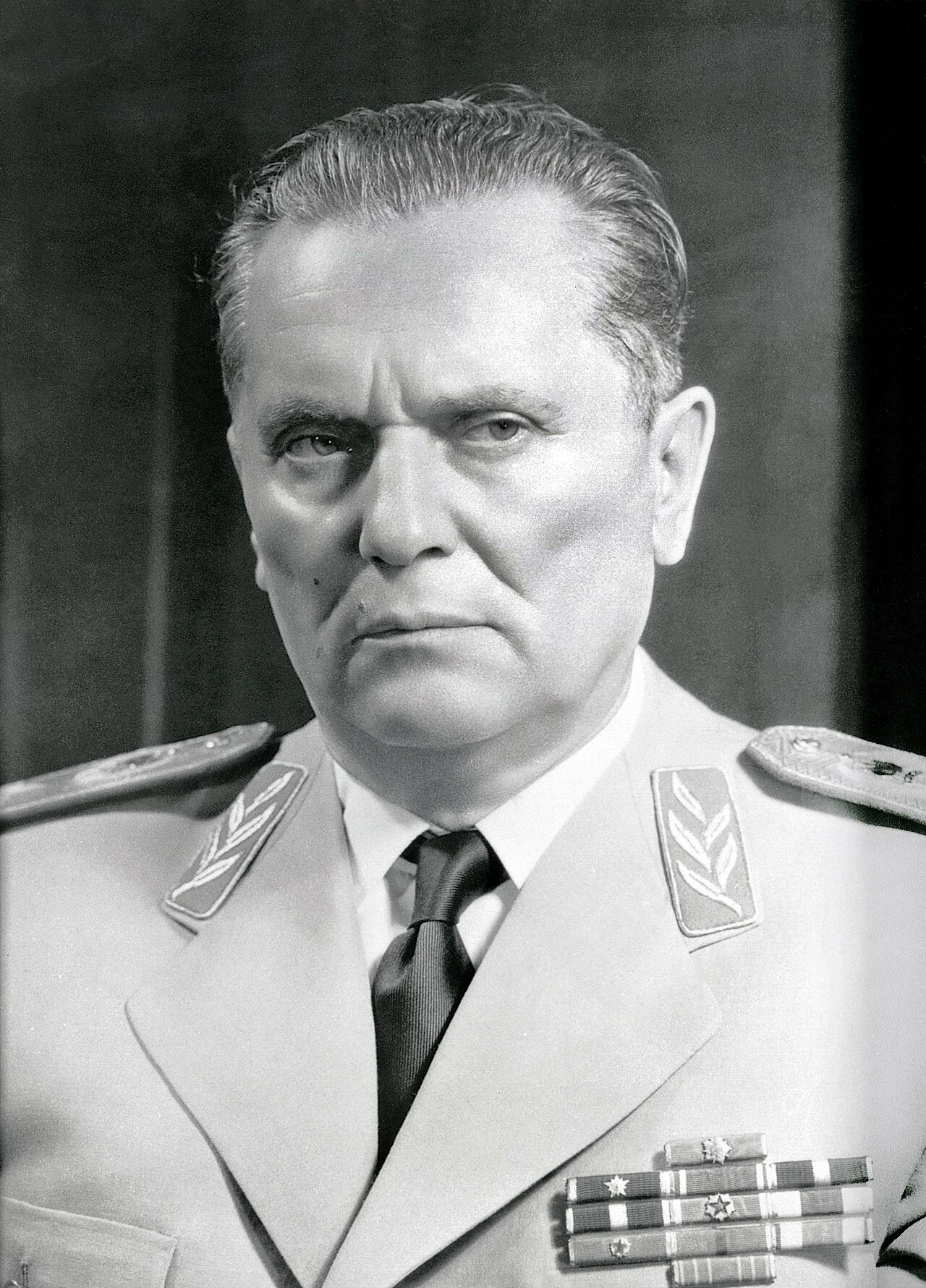
Tito — the call to insurrection
The deportation of the Volga Germans
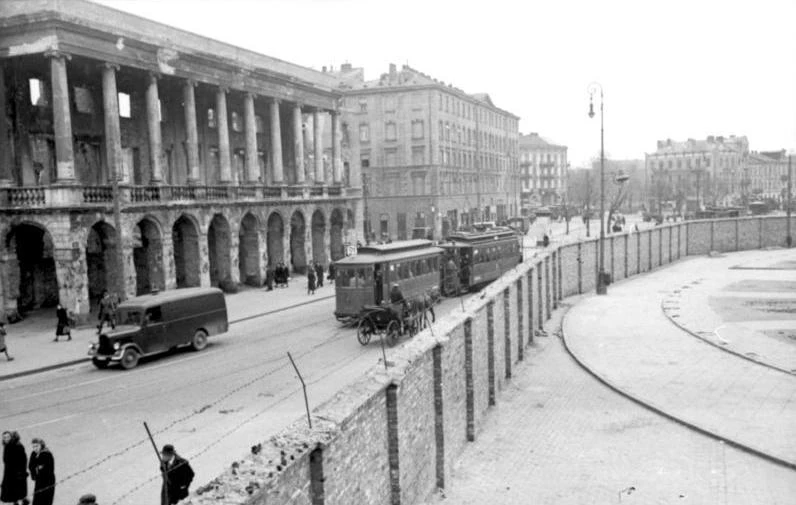
Studying in the Warsaw Ghetto
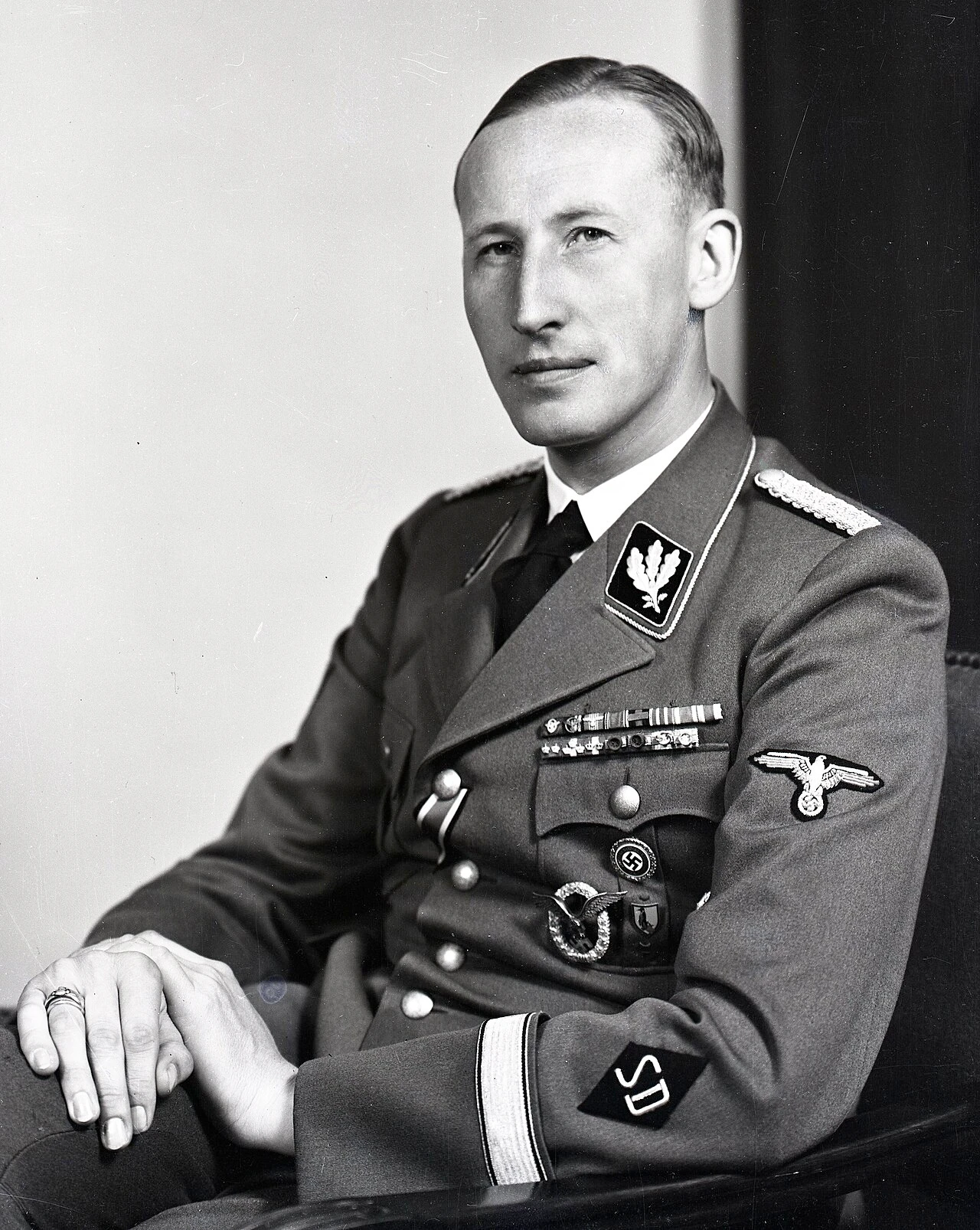
Heydrich Arrives in Prague
The Parisian concierge facing informing under the Occupation
Châteaubriant: The List of Hostages
The Belgrade schoolteacher under the occupation
The Belgrade medical student and the call of the Partisans
The Volksdeutsche Conscripted into the Selbstschutz
Clandestine teaching in the Warsaw Ghetto
Tito — the call to insurrection
The deportation of the Volga Germans
Studying in the Warsaw Ghetto
Heydrich Arrives in Prague