
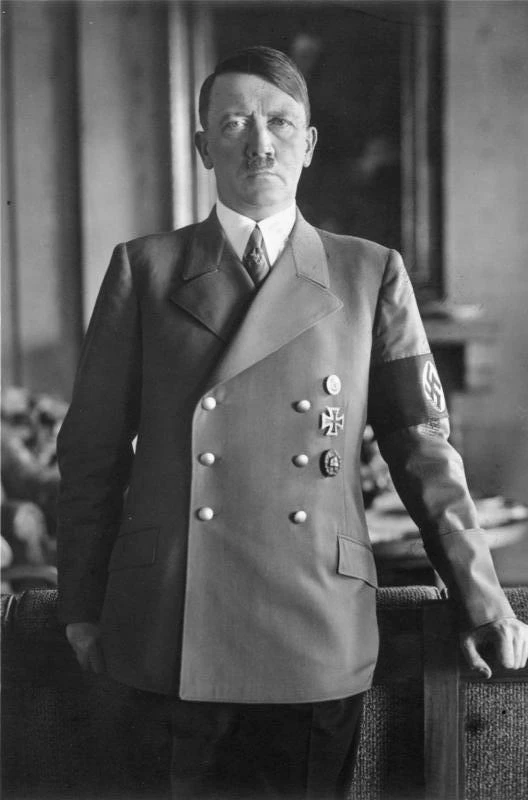
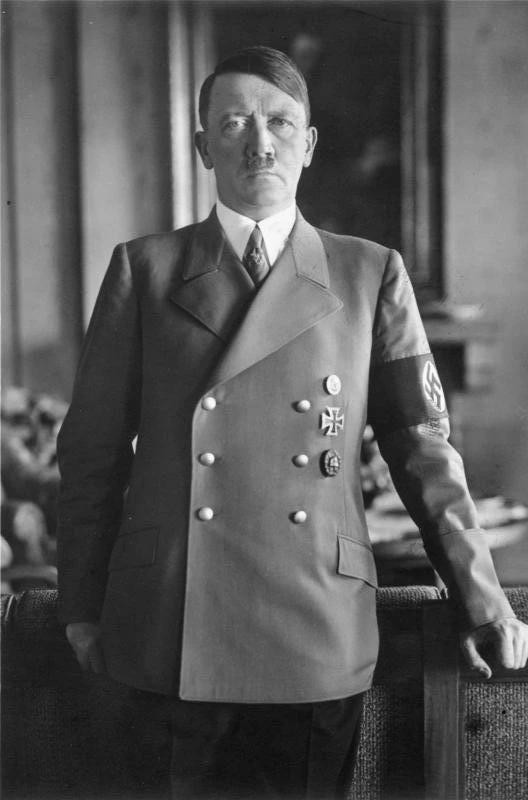
The German-Soviet pact of August 1939 divided Eastern Europe between Berlin and Moscow, but tensions are rising: Germany has sent troops into Romania and guaranteed its borders, encroaching on the Soviet sphere of interest. To clarify matters, Hitler invites Foreign Affairs Commissar to Berlin on November 12 and 13, 1940.
Hitler and Ribbentrop want to deflect the USSR southward — toward India and the Persian Gulf — and associate it with a vast division of the world between the Axis and Moscow, to avoid an immediate confrontation. But Hitler has already, in secret, turned his mind to invading the USSR the following spring; this meeting is also a test of Soviet intentions.
Molotov, methodical and inflexible, is carrying Stalin's demands: guarantees on Finland, Bulgaria, Romania, the Turkish straits (Bosphorus and Dardanelles). He must decide on the stance to take toward a Germany at the peak of her power: firmly press the Soviet claims, show himself accommodating to gain time, or evade.
What stance should Molotov take toward the German proposals?
Molotov chooses A: he presses, point by point, Soviet interests, demands clarification on the German presence in Finland and Romania, and reasserts Moscow's interest in the straits and the Balkans, without letting himself be seduced by the distant prospects toward Asia. While the two delegations take cover from an RAF raid, Molotov ironically asks Ribbentrop just whose bombs these are if England is "finished." His firmness convinces Hitler that the USSR will not let itself be deflected and will remain an obstacle. The visit fails: soon after, Hitler gives the decisive impetus to the planning of the invasion of the USSR (Barbarossa directive, signed in December 1940). Berlin thus marks the true turning point toward the war in the East.
Learn more about this event
Related polls
10
Hitler After Molotov — Berlin, November 1940
Bulgaria: lock of the Balkans, a price to pay
Gibraltar after the rebuff at Hendaye
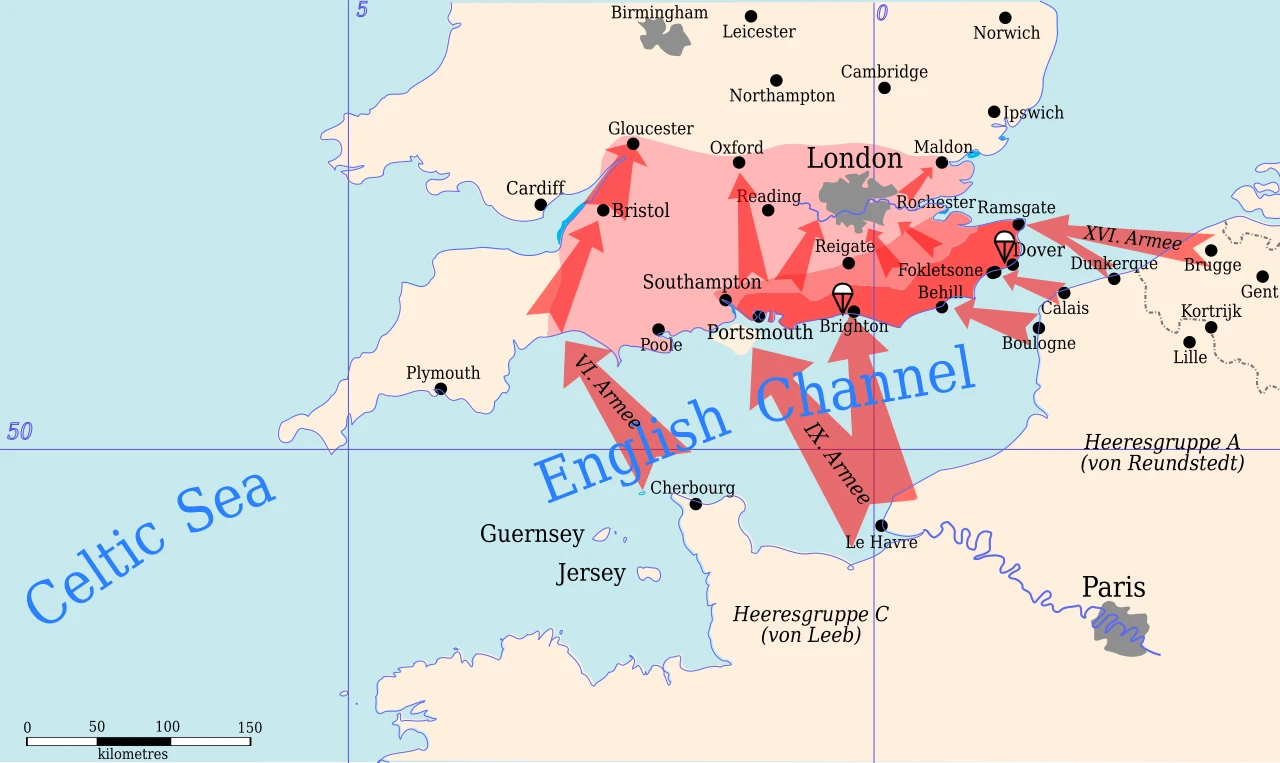
Hitler faces Sea Lion — September 17
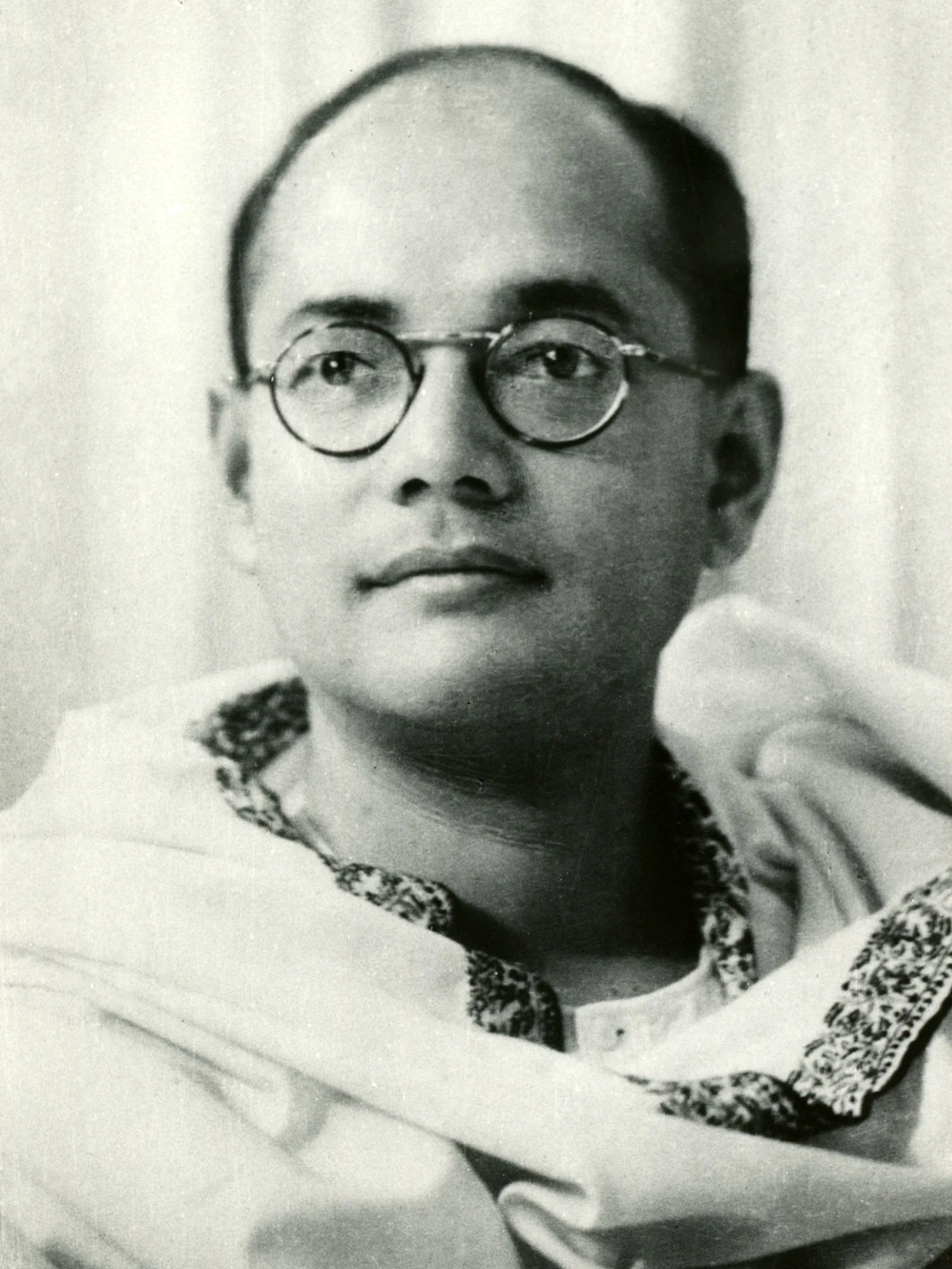
The Indische Legion — Subhas Chandra Bose in Berlin
Saving an ally bogged down in the mountains
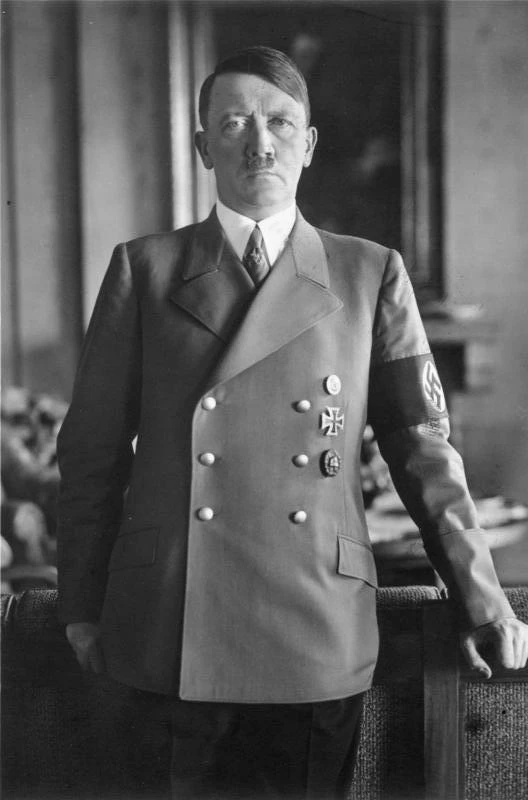
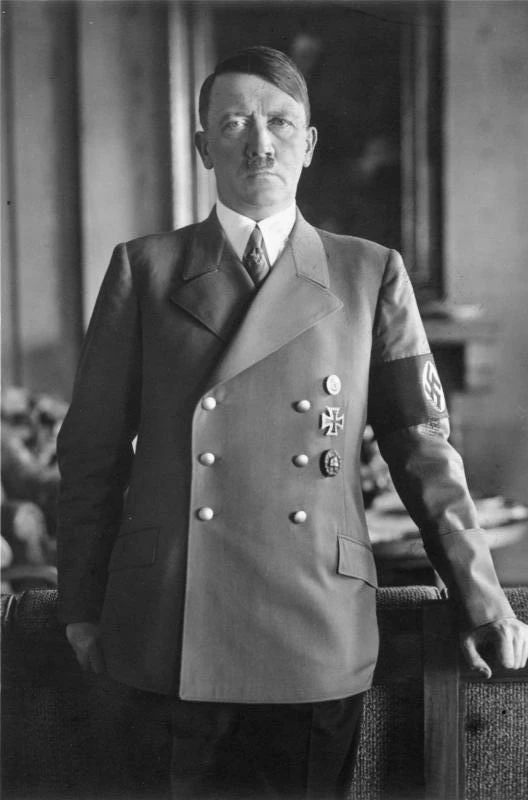
The Obersalzberg Speech
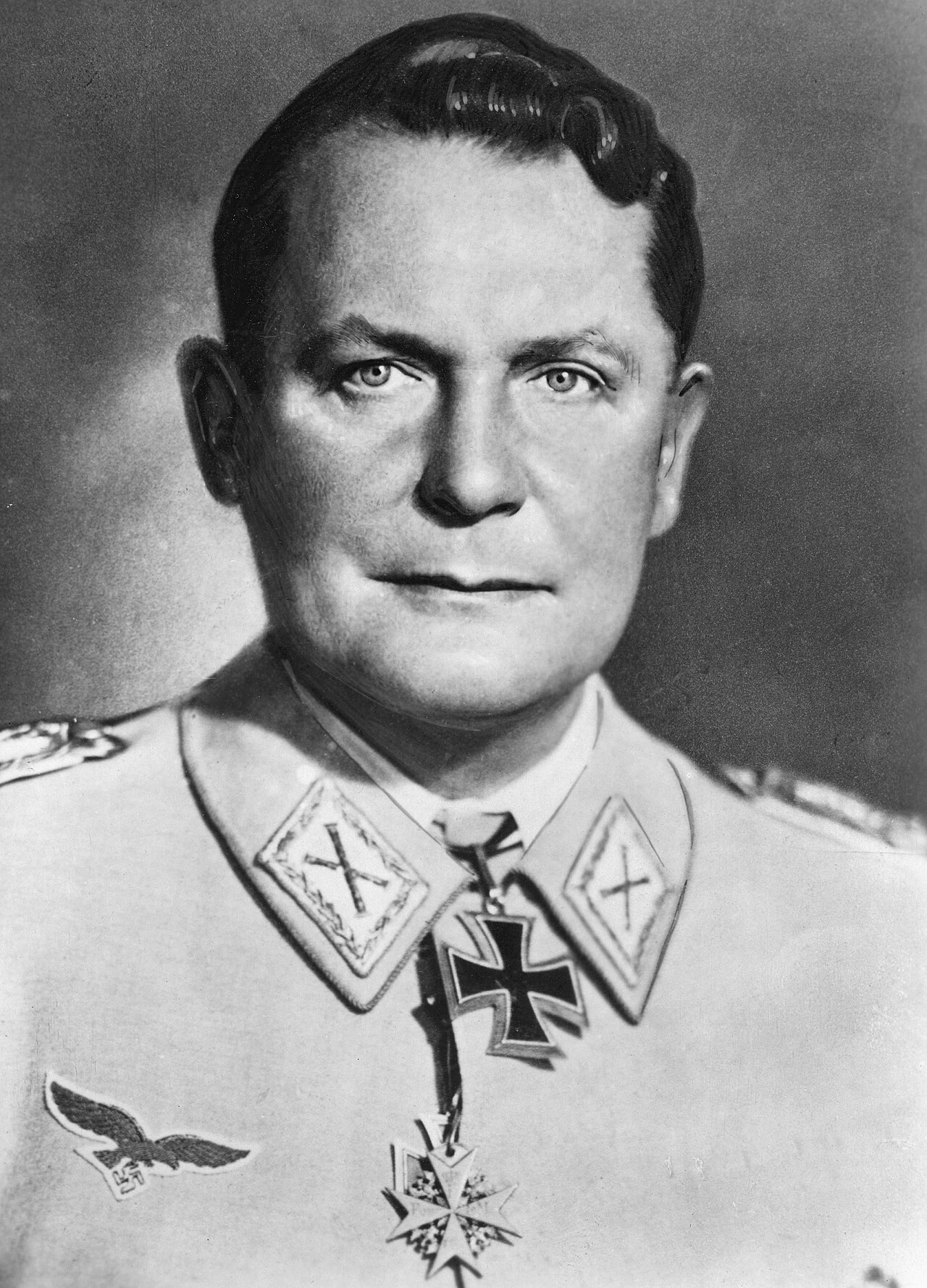
Goering at Carinhall — the promise to Hitler
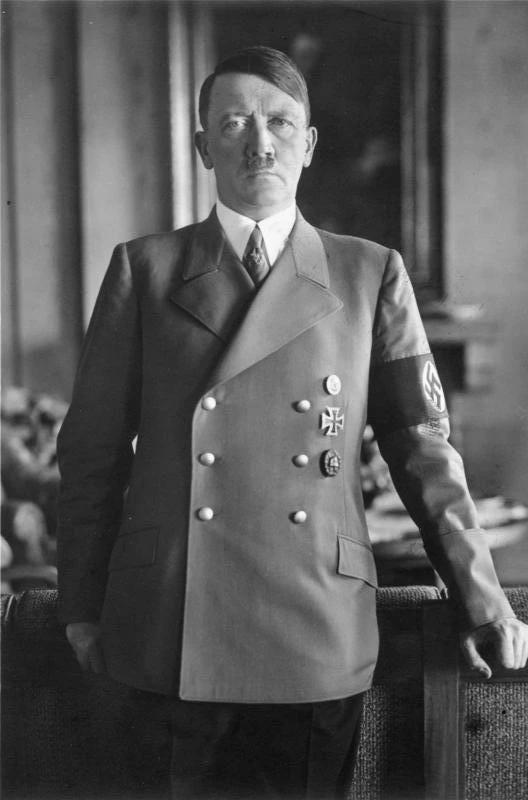
Hitler Before His Generals
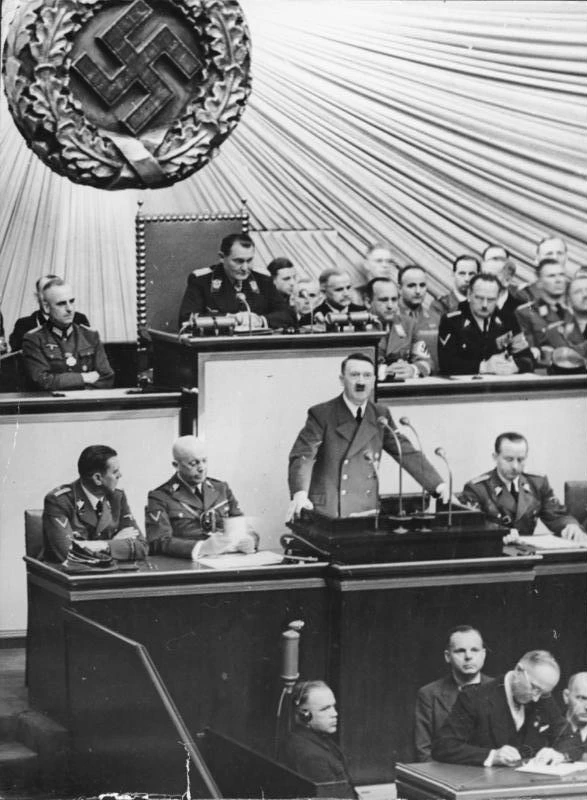
Hitler — the Reichstag Speech
Hitler After Molotov — Berlin, November 1940
Bulgaria: lock of the Balkans, a price to pay
Gibraltar after the rebuff at Hendaye
Hitler faces Sea Lion — September 17
The Indische Legion — Subhas Chandra Bose in Berlin
Saving an ally bogged down in the mountains
The Obersalzberg Speech
Goering at Carinhall — the promise to Hitler
Hitler Before His Generals