
Platt before Kassala — January 1941
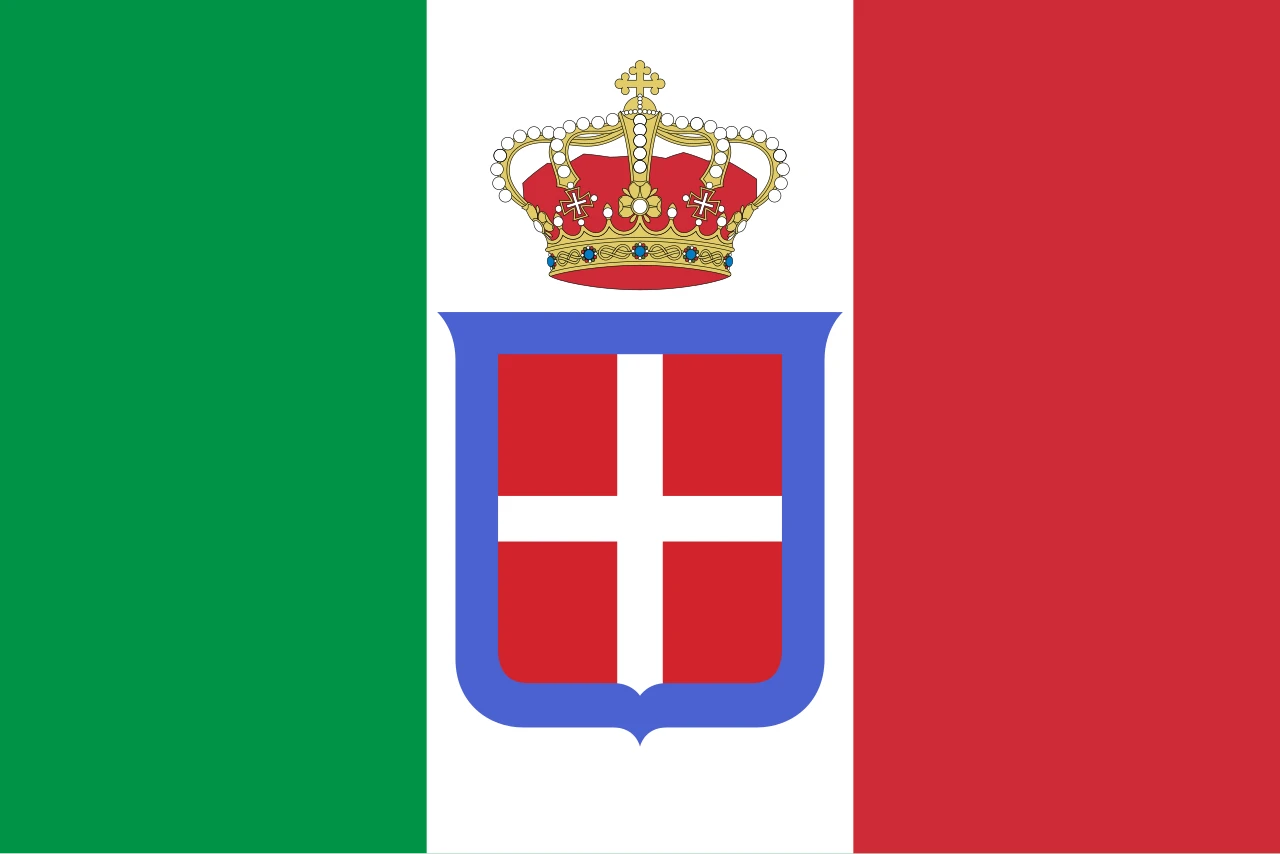
In 1940 Italy conquered British Somaliland and threatened Sudan and Kenya from its vast colony of Italian East Africa (Ethiopia, Eritrea, Somalia), where the Viceroy, the Duke of Aosta, commands hundreds of thousands of men — but, cut off from any supply since entering the war, his stocks of fuel and ammunition are draining away inexorably.
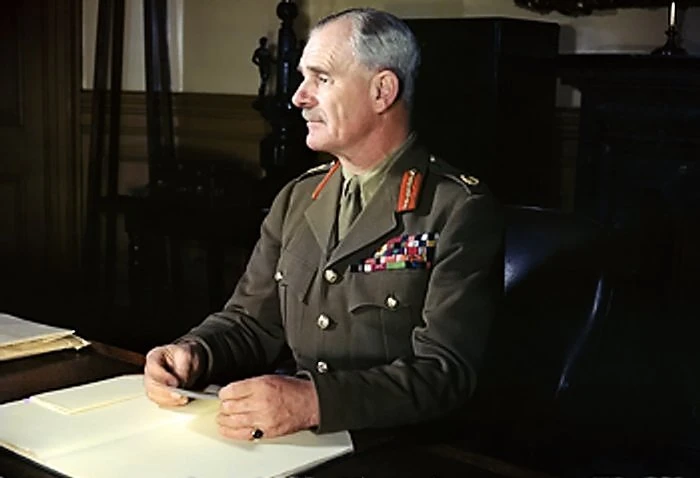
General , from Khartoum, commands modest but seasoned forces — including the 4th and 5th Indian divisions. The objective Wavell has set him is twofold: secure Sudan and reopen the Red Sea sea lanes, vital to the supply of Egypt. The Italians, aware of their isolation, have begun to fall back from their forward positions.
In mid-January 1941 Platt sets his sights on Kassala, a frontier town taken by the Italians in 1940. The terrain and climate are harsh, his means limited. He must decide on the scale of his action: a vigorous offensive to push a retreating enemy hard; a cautious advance to husband his reduced forces; or a simple securing of Sudan without committing to Eritrea.
Should Platt launch an offensive into Eritrea or limit himself to securing Sudan?
Platt chose A. When the Italians evacuated Kassala on the night of 18-19 January 1941, his Indian divisions were on their heels and crossed the Eritrean frontier, taking Agordat before running up against the formidable mountain position of Keren. Combined with the offensive from Kenya in the south (General Cunningham) and the British-backed Ethiopian uprising, Platt's advance set in motion the reconquest of Italian East Africa. But Keren would prove a far harder lock. The logistical isolation of the Duke of Aosta, foreseen long before by the British staff, was decisive: deprived of supply, the Italian forces in East Africa were doomed to slow asphyxiation, whatever their initial numerical superiority.
Learn more about this event
Related polls
10
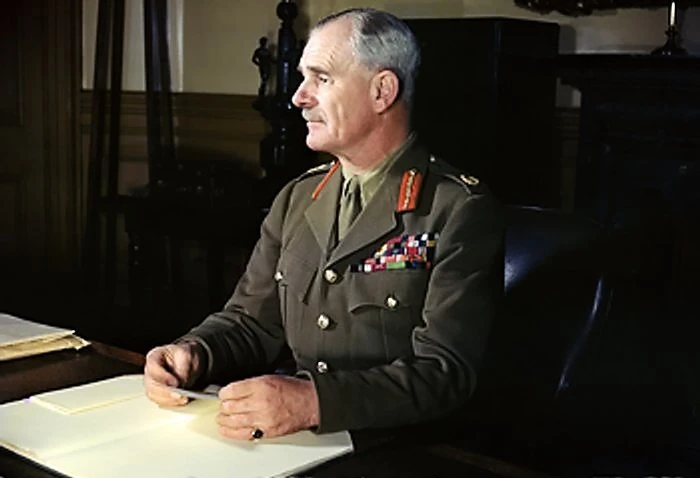
Wavell Against the 150,000 Italians — Egypt, September 1940
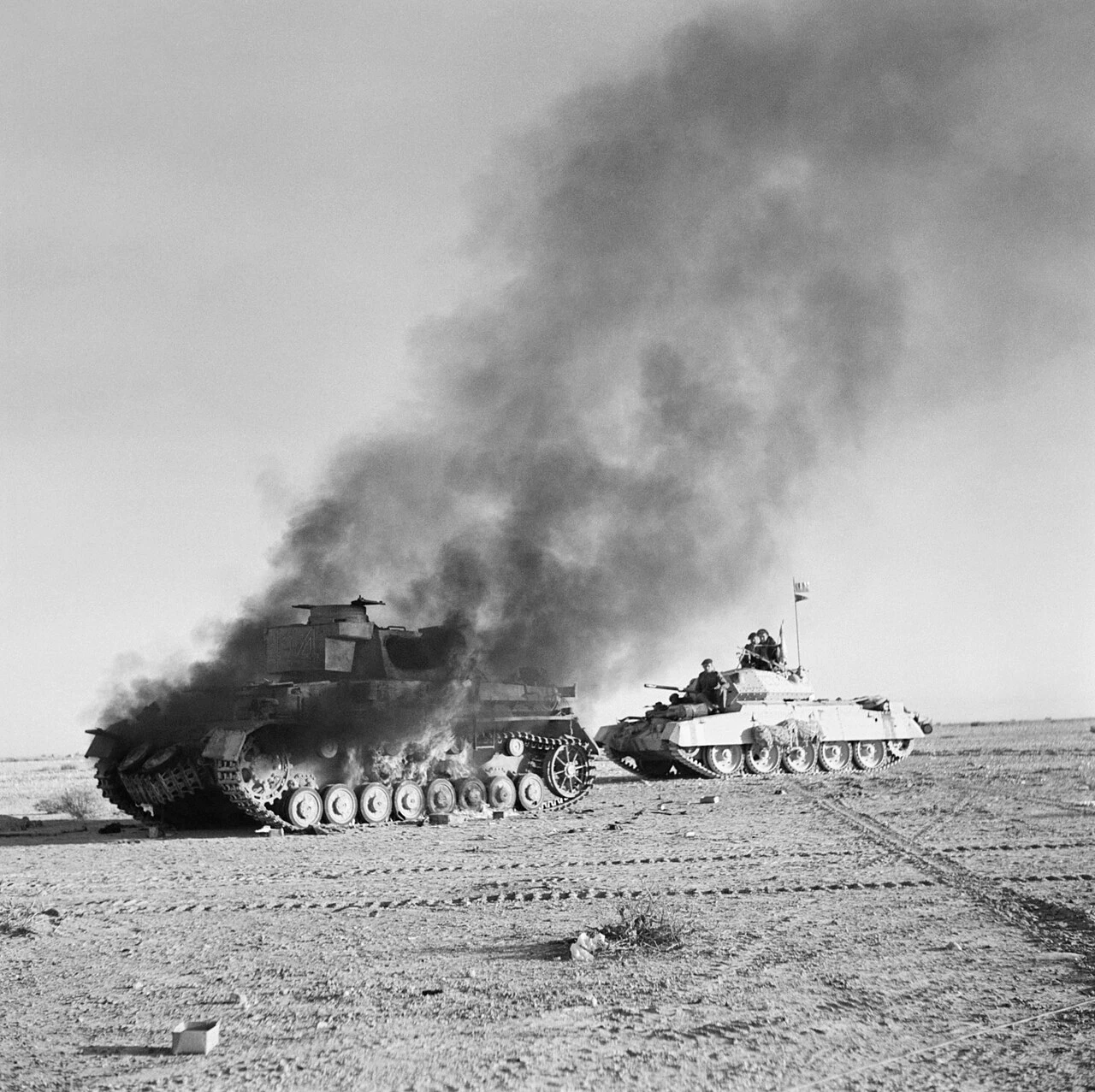
Crusader: The Generals' Doubt
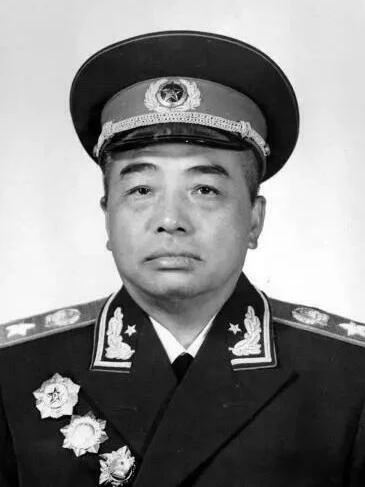
Peng Dehuai — the Hundred Regiments Offensive
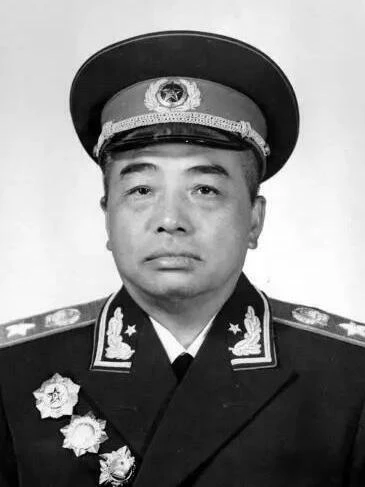
Peng Dehuai — leaving guerrilla war behind?
Cunningham toward Mogadishu
The Greeks at the Klisura Pass
Which heart to strike in the East?
Wavell in the face of Rommel's storm
"Cromwell" — England, 7 September 1940
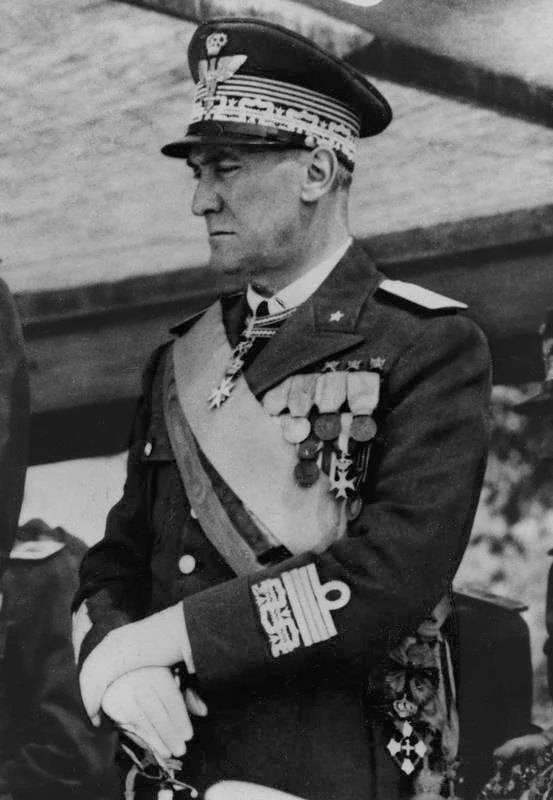
Graziani inherits the Libyan desert
Wavell Against the 150,000 Italians — Egypt, September 1940
Crusader: The Generals' Doubt
Peng Dehuai — the Hundred Regiments Offensive
Peng Dehuai — leaving guerrilla war behind?
Cunningham toward Mogadishu
The Greeks at the Klisura Pass
Which heart to strike in the East?
Wavell in the face of Rommel's storm
"Cromwell" — England, 7 September 1940