
The Heavy Water of Vemork — a Race Against Germany
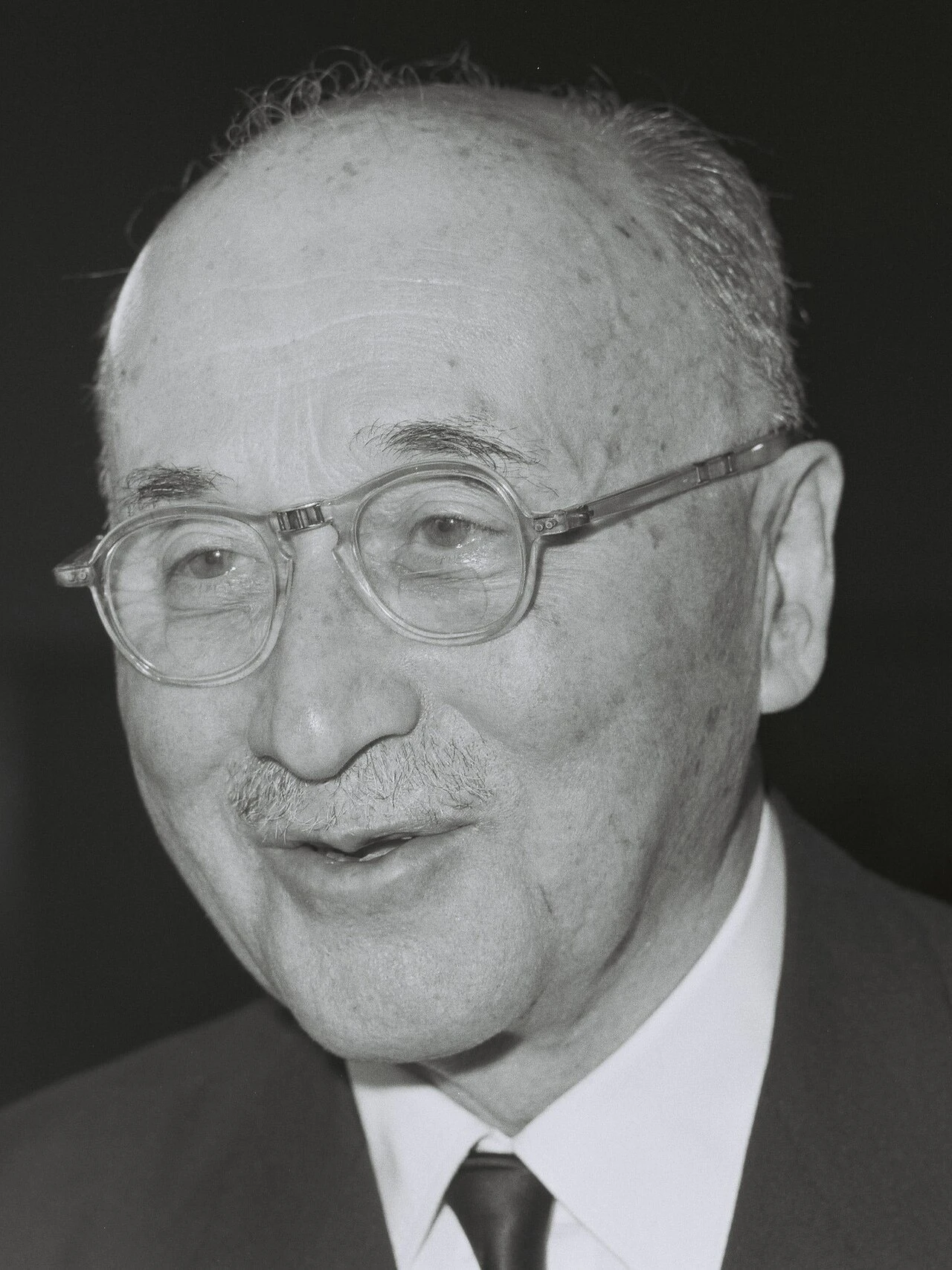
In early 1940, the physicist was conducting research on uranium fission at the Collège de France. His team had a stock of uranium but only a few grams of heavy water, the neutron moderator indispensable to its experiments. Yet the only significant stockpile in the world, about 185 kg, lay dormant at the Norsk Hydro plant in Vemork, in Norway, a country still neutral.
The problem: the German chemical group IG Farben had also sought to acquire this heavy water. Norway was neutral, the purchase would be made in the open and could alert Berlin; a clumsy intervention risked pushing the stockpile into enemy hands.
As Minister of Armament, had to decide how to secure this strategic stockpile without triggering a German reaction or a diplomatic incident with a neutral country.
How does Dautry try to get hold of the Norwegian heavy water stockpile before Germany does?
Dautry chose the clandestine operation. In February 1940, he entrusted the mission to , an officer of the Service des Poudres and a banker at Paribas, who maintained ties with Norsk Hydro. The director-general , favorable to France and having already refused to hand the stockpile over to IG Farben, agreed to give up the 185 kg free of charge, distributed among canisters. In March 1940, Allier organized the evacuation by plane via Scotland, with a decoy plane diverted to Amsterdam that the Germans intercepted, finding only empty drums aboard. The heavy water arrived in Paris around 16 March 1940. During the invasion of June 1940, it was evacuated to Great Britain aboard the Broompark.
Learn more about this event
Related polls
10
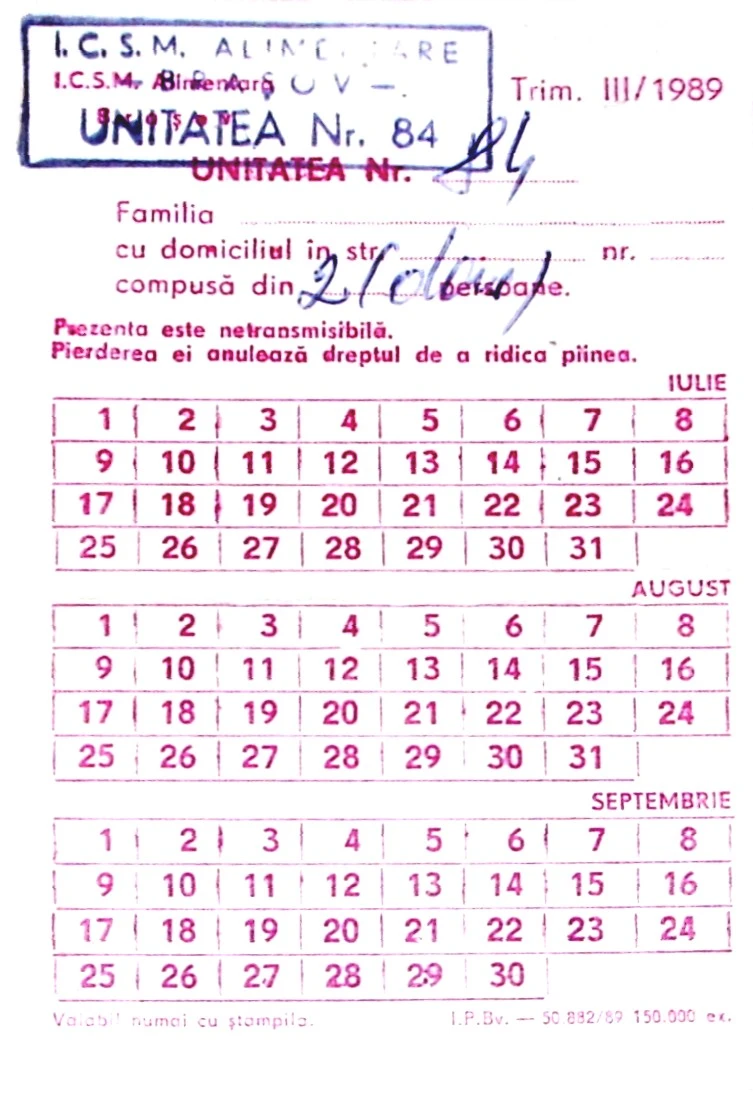
France's March 1940 Ration Card
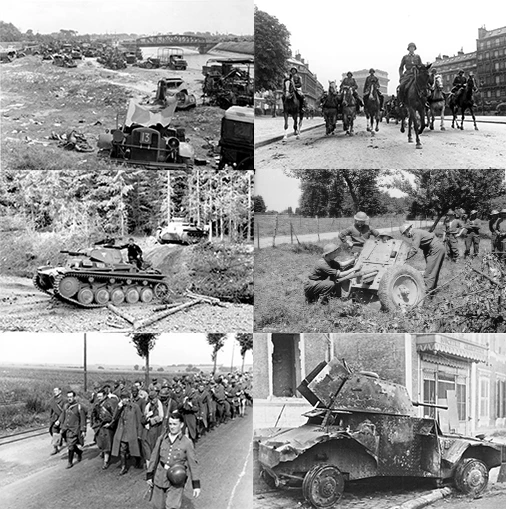
Intelligence and the Ardennes
Buy Each for Themselves or with a Single Voice
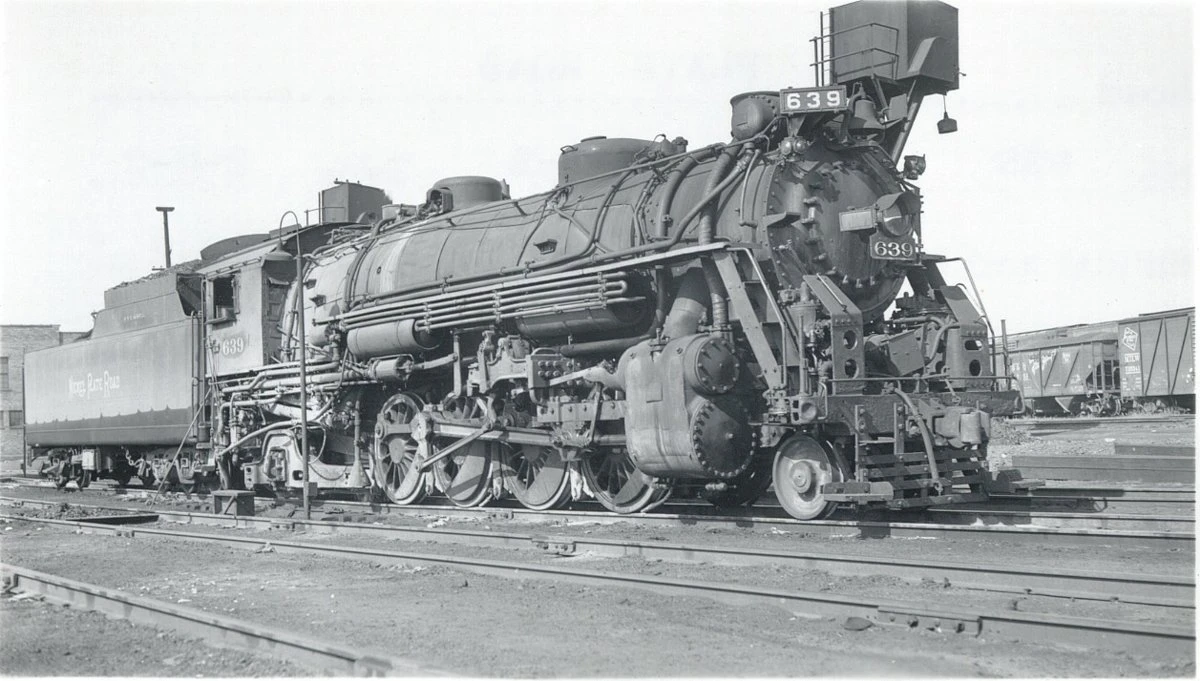
Article 13: the SNCF and the occupier
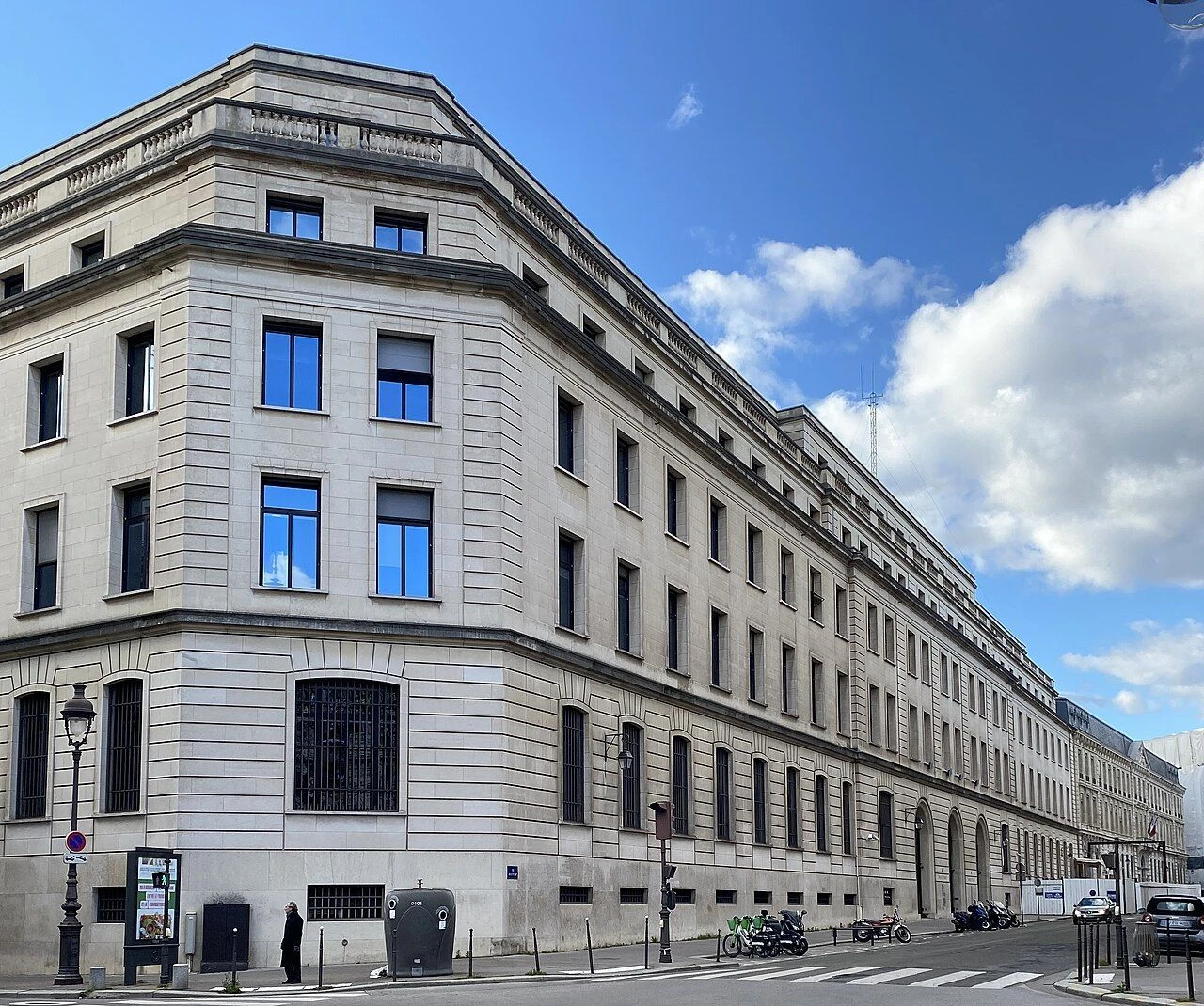
Baumgartner and the gold of the Banque de France
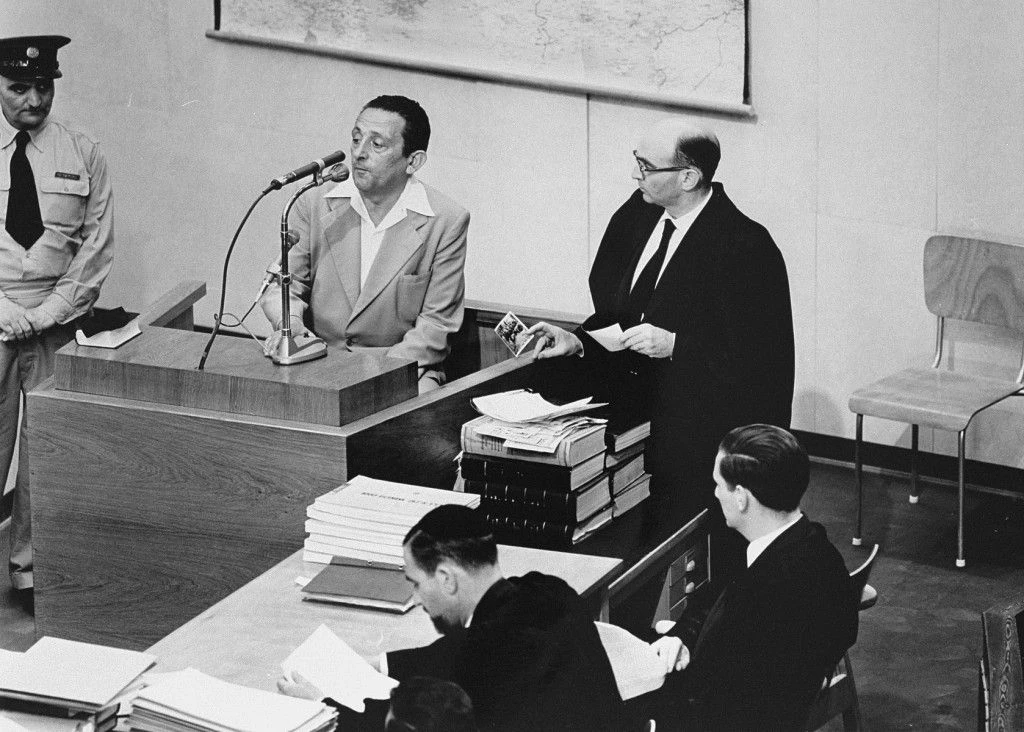
Biebow at Litzmannstadt — 8 February
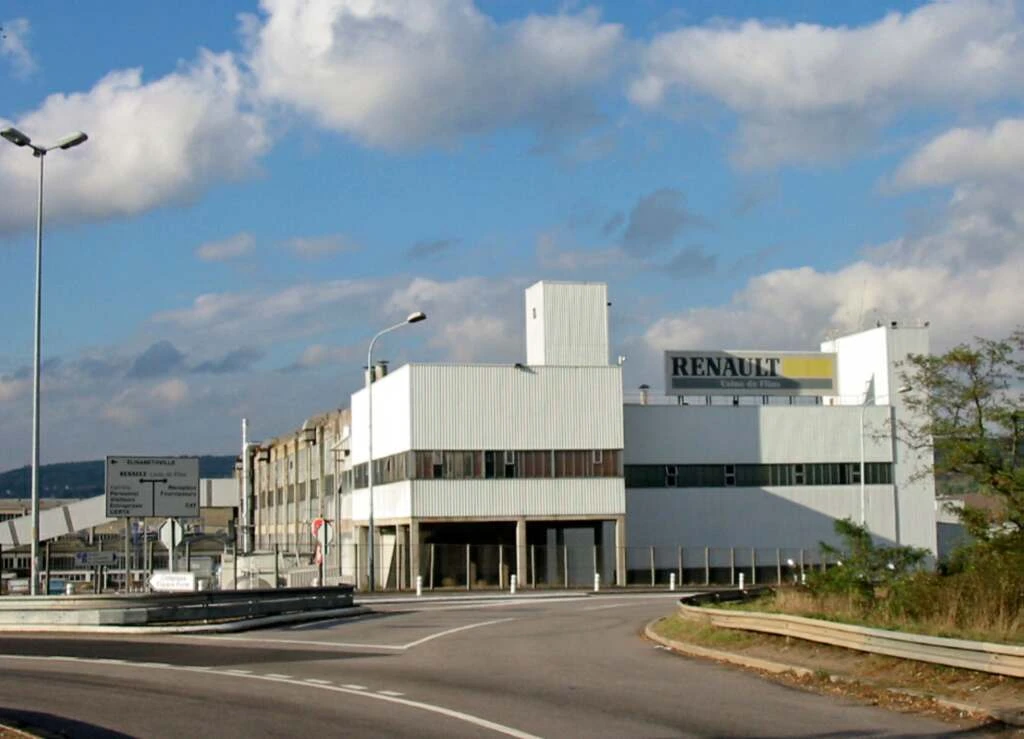
Billancourt under threat: the old boss and his machines
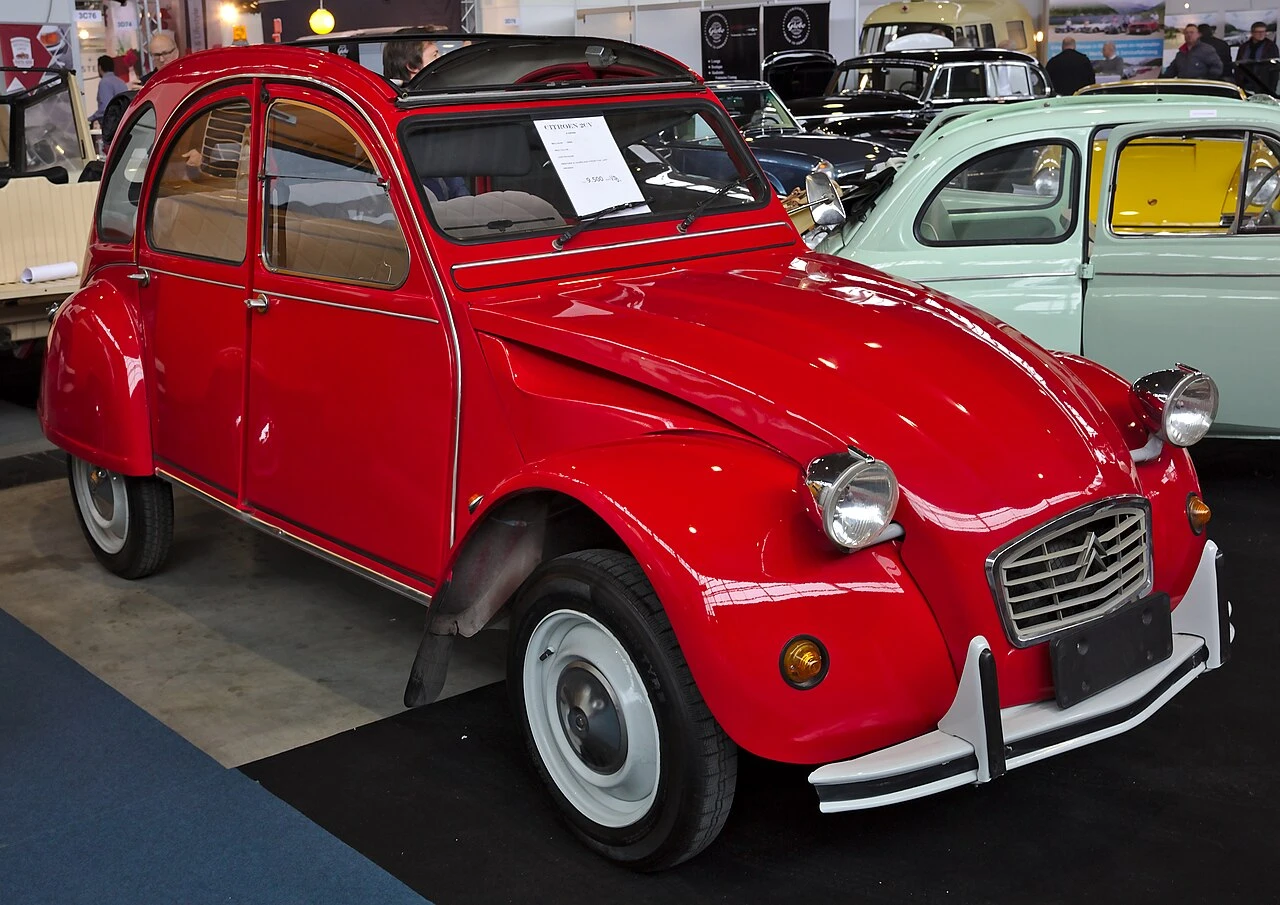
Citroën, the occupier and the secret little car

Citroën under the Occupation: the boss faces German orders
Doussot — Special Brigade No. 1
France's March 1940 Ration Card
Intelligence and the Ardennes
Buy Each for Themselves or with a Single Voice
Article 13: the SNCF and the occupier
Baumgartner and the gold of the Banque de France
Biebow at Litzmannstadt — 8 February
Billancourt under threat: the old boss and his machines
Citroën, the occupier and the secret little car
Citroën under the Occupation: the boss faces German orders