
On 1 April 1939, the Spanish Civil War ended with the victory of the Nationalists. On 19 May, Franco presides in Madrid over a gigantic Victory parade: nearly 200,000 soldiers, German and Italian contingents come from the and the , and a liturgy of triumph that celebrates the 'Caudillo'.
Beyond the pomp, Franco must fix the nature of his peace. The country is drained, divided, and hundreds of thousands of defeated Republicans — soldiers, militants, sympathisers — are prisoners, in flight or in hiding. The Law of Political Responsibilities, adopted as early as February 1939, opens the way to mass prosecutions.
The choice is political and moral. Magnanimity and reconciliation to close the wounds? Or systematic repression to root out the 'anti-Spain' and to entrench the regime durably? Abroad, the question of which camp to join — the Axis that helped him, or a prudent neutrality — also arises as Europe slides toward war. The choice he settles on will shape not only the aftermath of the civil war, but Spain's place in the Europe tipping toward a new conflict.
In the aftermath of his victory, should Franco seek reconciliation or impose a systematic repression of the vanquished?
Franco chooses A: the victory is followed by a wave of repression — military tribunals, executions, overcrowded camps and prisons, forced labour. Historians' estimates of the number of executions in the immediate aftermath vary greatly according to the sources and methods, counted in the tens of thousands. Hundreds of thousands of Spaniards know prison or exile. On the external front, Franco will keep Spain formally non-belligerent in 1939, while remaining bound to the Axis. The Madrid parade inaugurates a dictatorship that will last nearly forty years. The memory of this repression remains, even today, a subject of bitter controversy in contemporary Spain.
Learn more about this event
Related polls
10
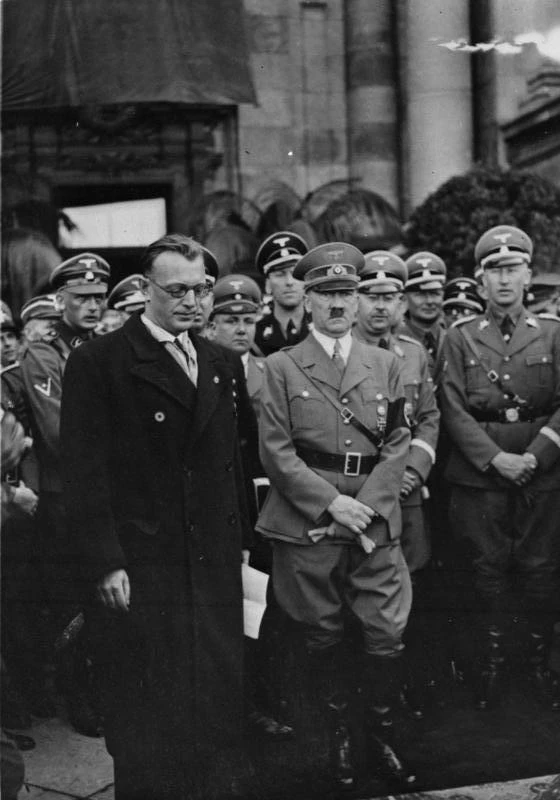
The Jewish Lawyer of Vienna Facing Exile
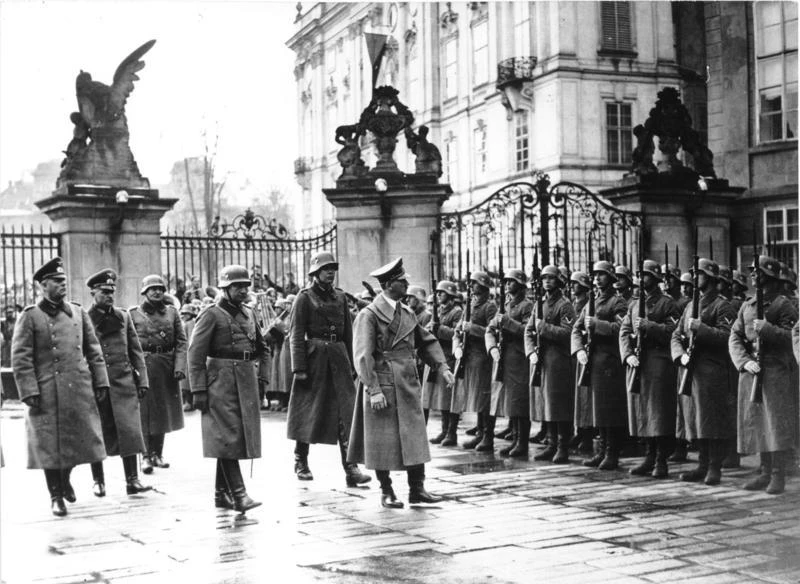
The Prague Notary and the Aryanization of Jewish Property
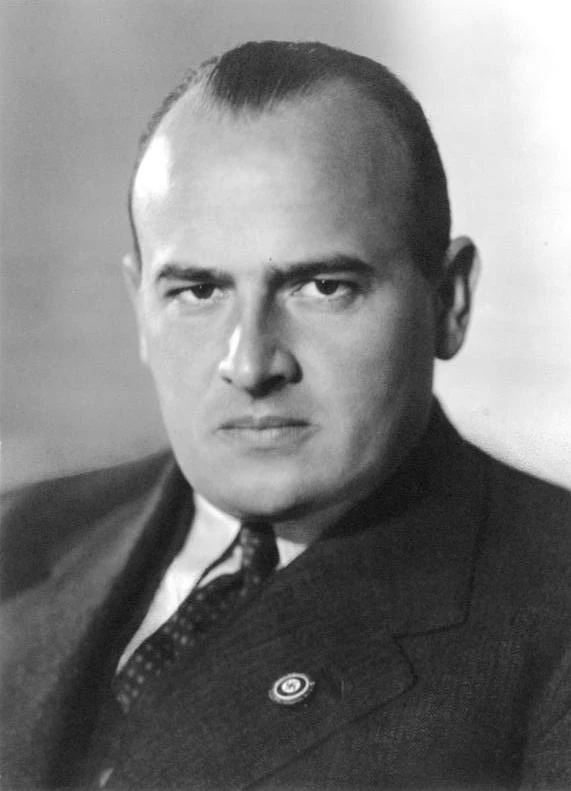
AB Aktion — planning at the Wawel
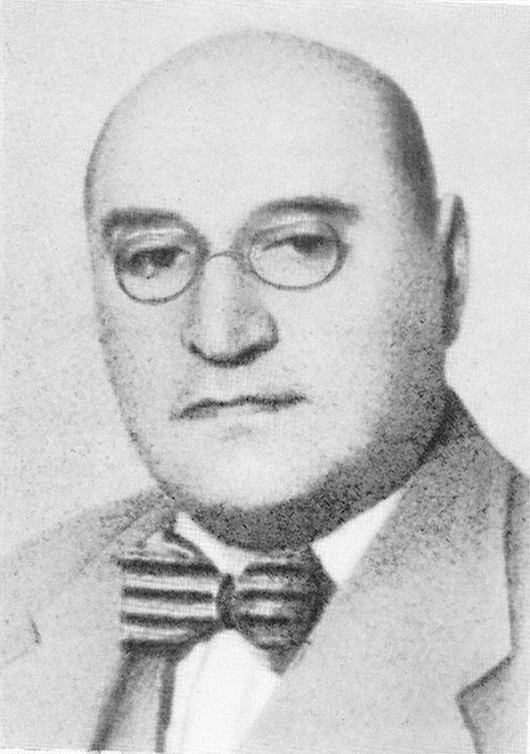
Czerniaków — the offer of the Judenrat
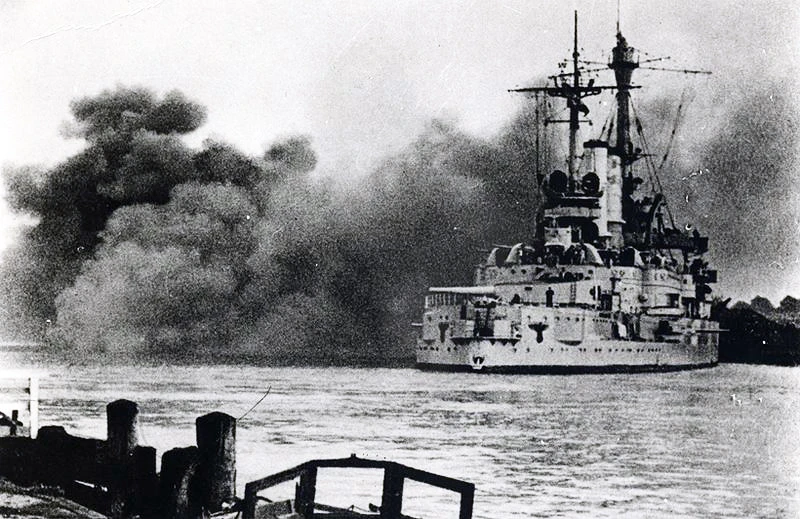
Danzig, September 1939 — the policeman of the Free City
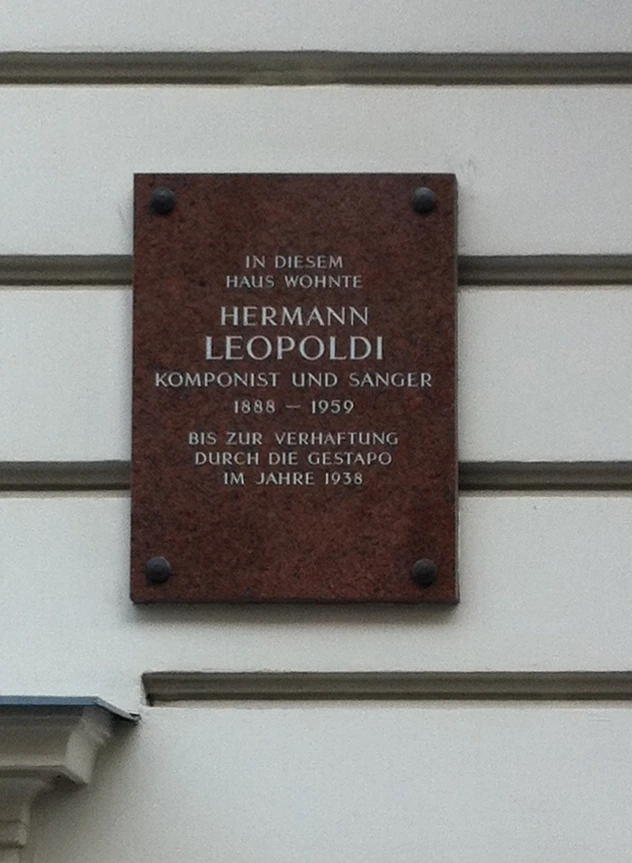
Informing on a Jewish Neighbor in Vienna
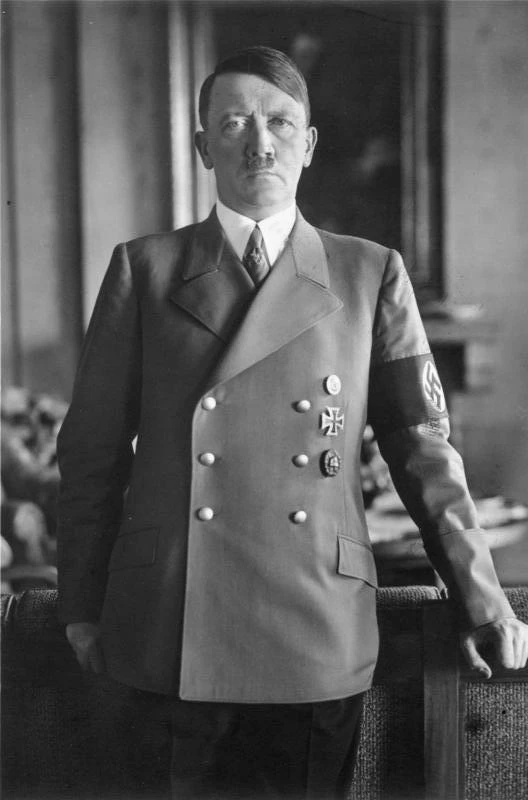
The Obersalzberg Speech
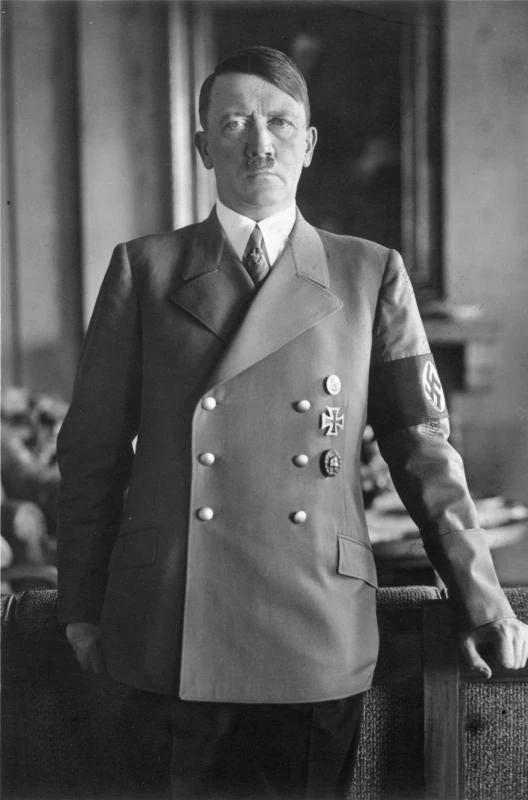
The Prophecy Speech
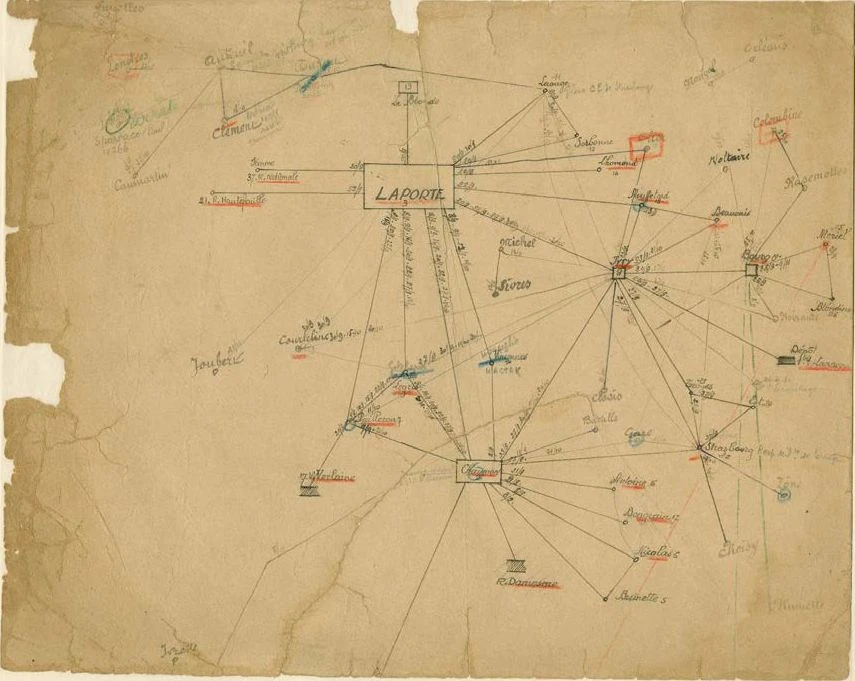
Doussot — Special Brigade No. 1
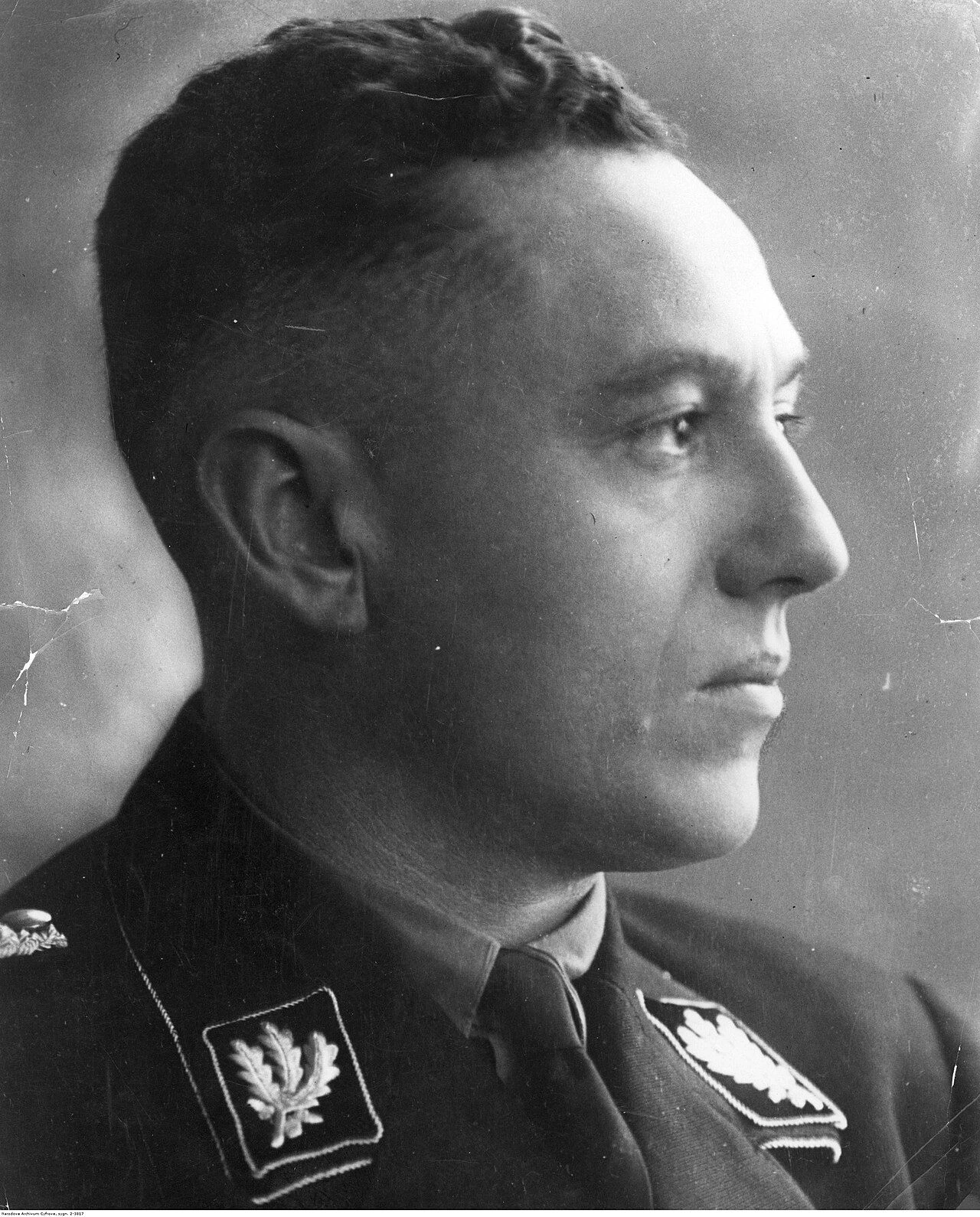
Forster — Kashubians and Kociewiacy
The Jewish Lawyer of Vienna Facing Exile
The Prague Notary and the Aryanization of Jewish Property
AB Aktion — planning at the Wawel
Czerniaków — the offer of the Judenrat
Danzig, September 1939 — the policeman of the Free City
Informing on a Jewish Neighbor in Vienna
The Obersalzberg Speech
The Prophecy Speech
Doussot — Special Brigade No. 1