
Brussels, September 1939: a small country's tightrope walk
Since 1936, Belgium has withdrawn from its Locarno commitments and abandoned its military alliance with France in favor of a policy of independence: staying out of the blocs and hoping not to be dragged into a new war. In 1937, the country even received a guarantee from Berlin that its neutrality would be respected.
On September 1, 1939, Germany invades Poland; London and Paris declare war. At once, the French and British governments press Brussels to take their side or, at the very least, to open staff talks to coordinate the defense of Belgian territory in the event of a German attack.
and his government must decide: commit openly to the Allies at the risk of provoking Hitler, or maintain strict neutrality while hastily launching the country's mobilization and rearmament.
Faced with the outbreak of war in September 1939, what stance should Belgium adopt toward its neighbors?
Belgium maintained strict neutrality (option B). On September 3, 1939, the government reaffirmed its independence and refused the official staff talks demanded by France and Great Britain, fearing they would serve as a pretext for a German invasion. did, however, authorize unofficial contingency contacts (through his friend, the British admiral ) and ordered general mobilization along with accelerated rearmament. This posture of armed neutrality would be maintained until the German invasion of May 10, 1940.
Learn more about this event
Related polls
10

Neutral Belgium — let the Allies in?
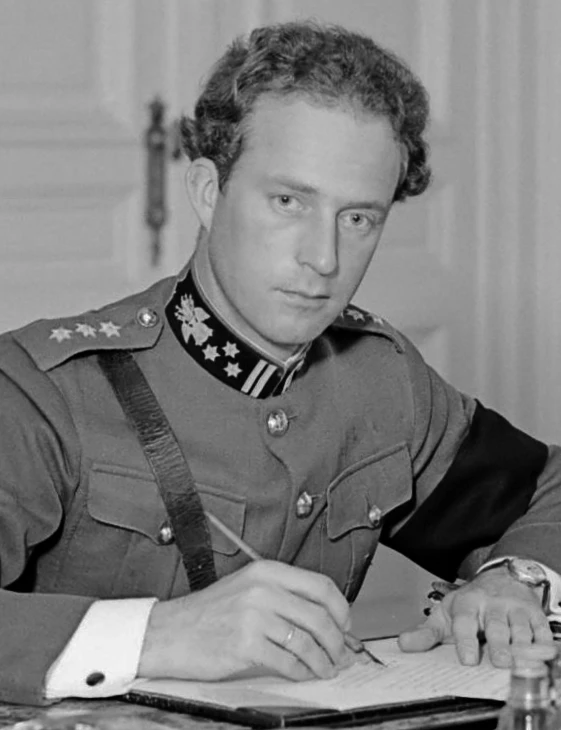
Leopold III takes command
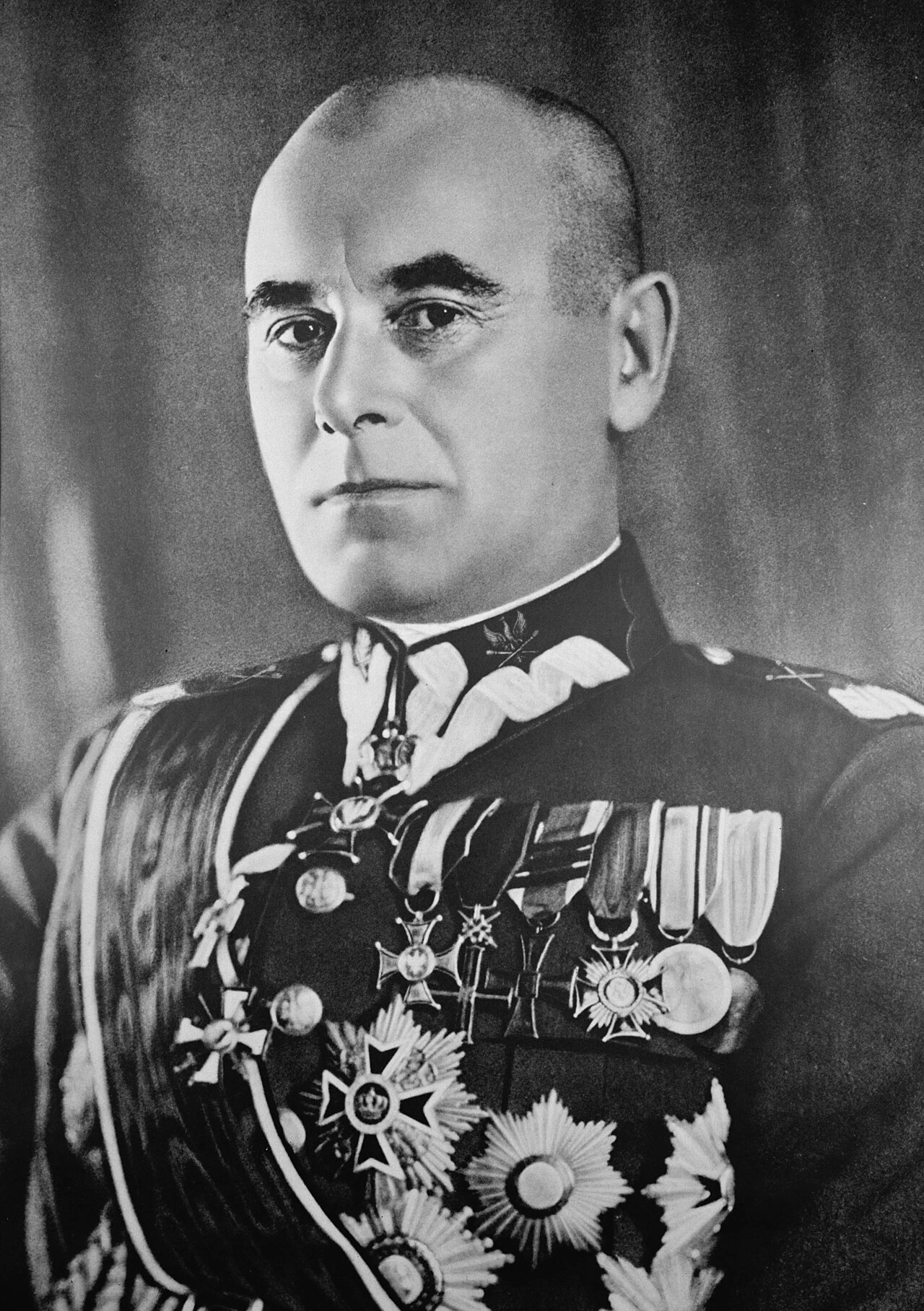
Poland and Mobilisation
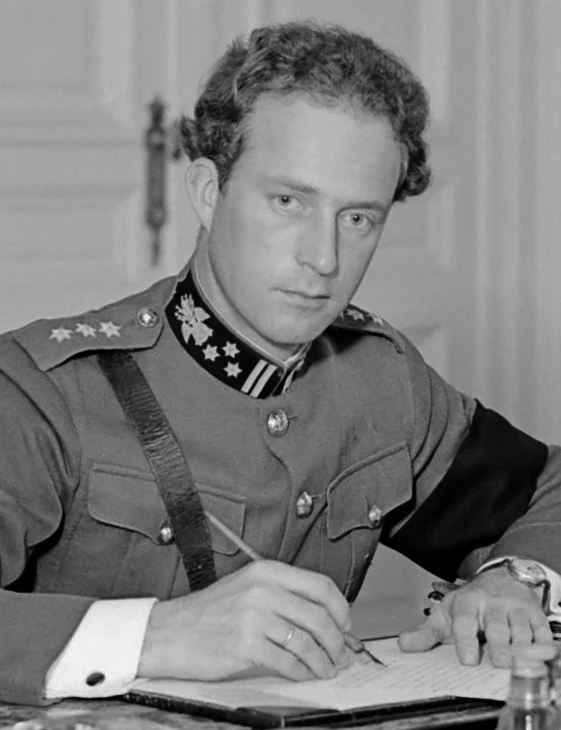
The Capitulation of 28 May
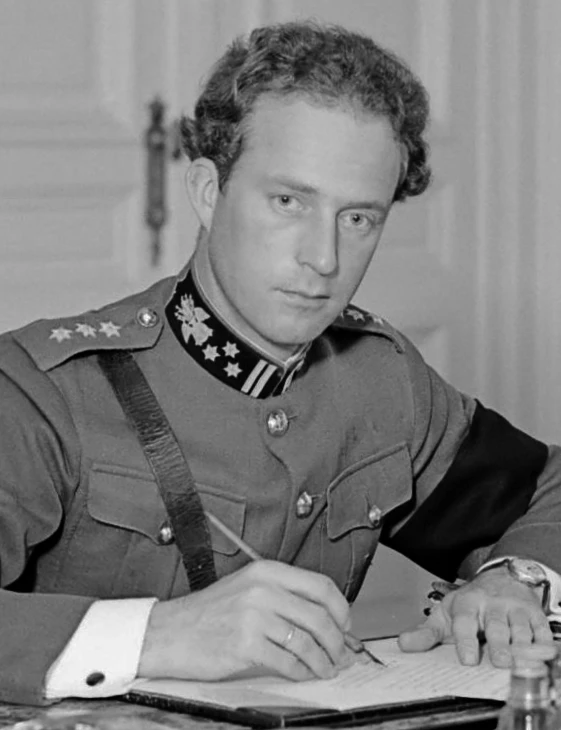
Leopold III — Brussels, 3 September
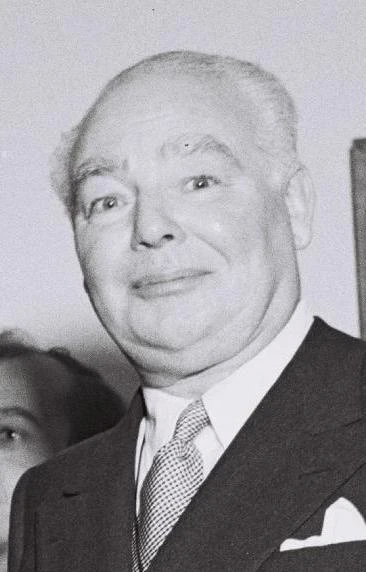
The Military Training Act
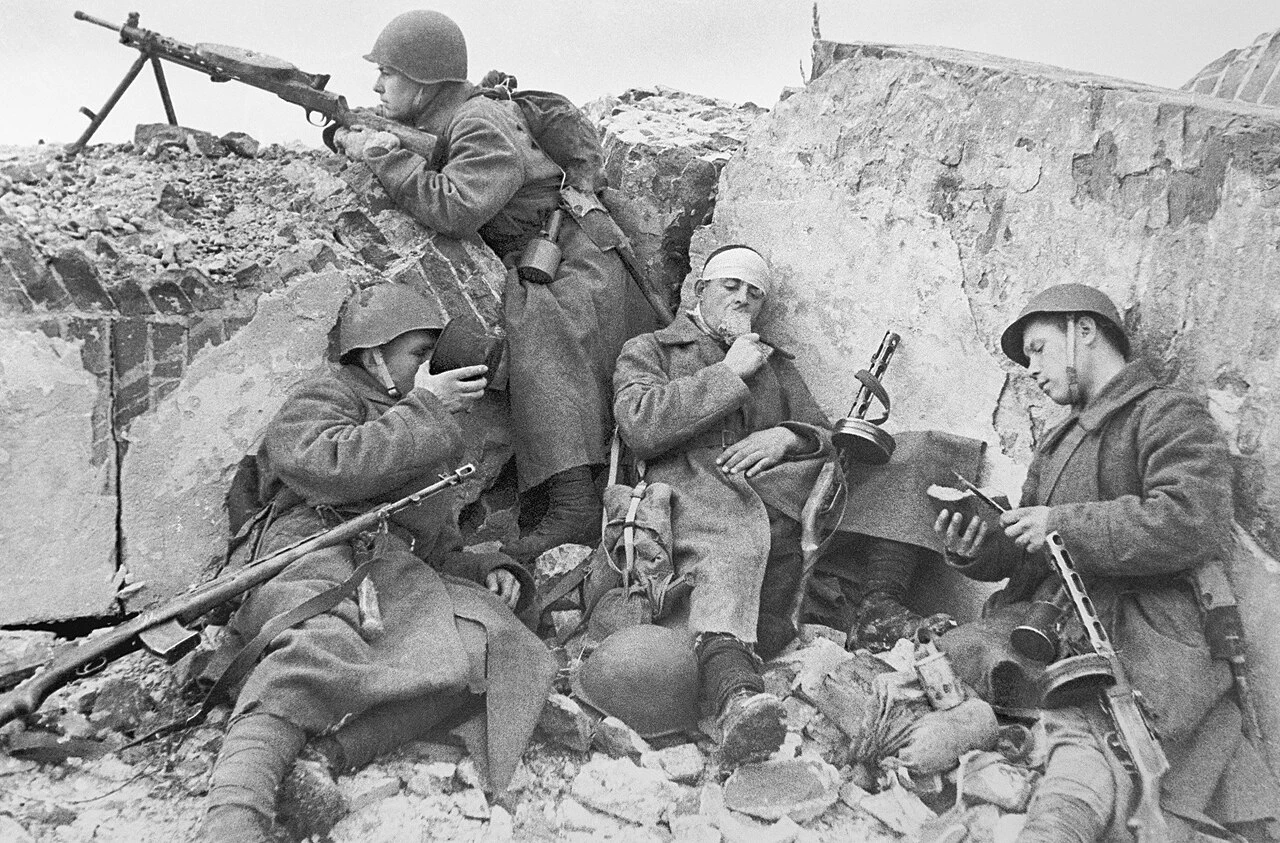
The Moscow Talks

Rydz-Śmigły at Kuty — the directive of 17 September

Selling to Both Sides
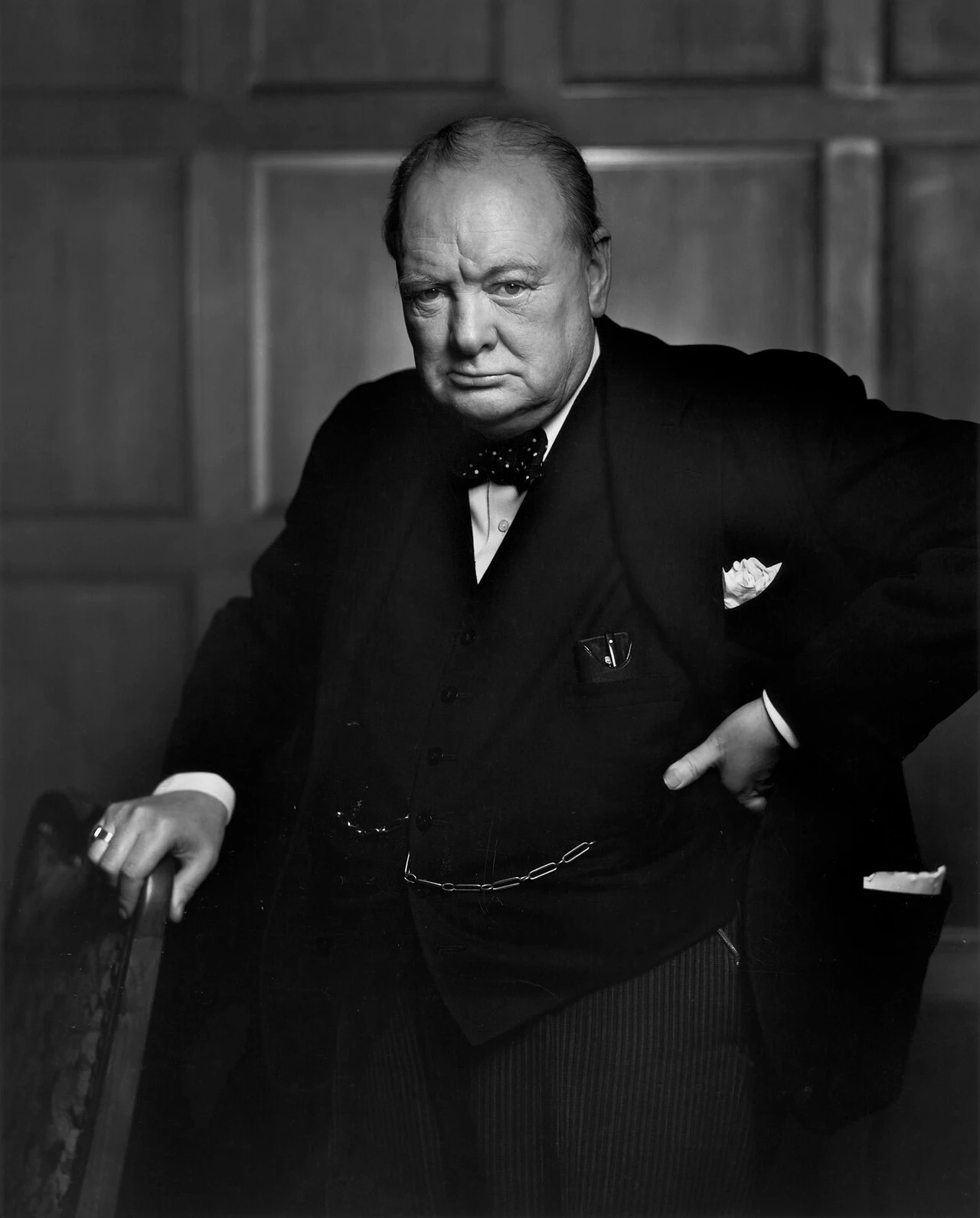
Auchinleck replaces Wavell
Neutral Belgium — let the Allies in?
Leopold III takes command
Poland and Mobilisation
The Capitulation of 28 May
Leopold III — Brussels, 3 September
The Military Training Act
The Moscow Talks
Rydz-Śmigły at Kuty — the directive of 17 September
Selling to Both Sides