
Beauffrère and the 21st RIC at Dunkirk
The — roughly 800 Senegalese tirailleurs and 200 French cadres — commanded by Lieutenant-Colonel , is among the last units holding the defensive perimeter of Dunkirk from 1 to 4 June 1940. Its mission: to delay the Wehrmacht long enough for the last evacuees to leave via the moles, in the final stage of Operation Dynamo.
The fighting is fierce around Bray-Dunes, Zuydcoote, and the Fort des Dunes. Before dawn on 4 June, the order to evacuate the last men reaches Beauffrère. But the Senegalese tirailleurs are not given priority by the British ships, which take aboard their own troops first, then the cadres.
Beauffrère knows that captivity threatens those who remain ashore, and he is aware of the brutality with which the Wehrmacht treats colonial troops. At this moment, he must choose between embarking with the cadres and preserving his command for what follows, or remaining with his Senegalese tirailleurs and sharing their fate.
Should Beauffrère board with the French cadres, or remain with his Senegalese tirailleurs?
Beauffrère chooses B: he stays with his tirailleurs and spends five years in captivity (Oflag IV-D). The fear is borne out: in the days that follow, the Wehrmacht massacres hundreds of African prisoners in the name of Nazi racial hierarchy. In the Dunkirk sector as elsewhere in June 1940, African prisoners are executed by German units in a pattern of systematic racism aimed at colonial troops. The best-documented case is the Chasselay massacre (19-20 June 1940, near Lyon), where dozens of captured tirailleurs are shot by the ; a memorial, the Tata Sénégalais, is dedicated to them. Historians estimate the total number of tirailleurs killed outside combat in May-June 1940 at between 1,000 and 3,000. Beauffrère survives captivity, testifies after the war, and dies in 1968.
Learn more about this event
Related polls
10
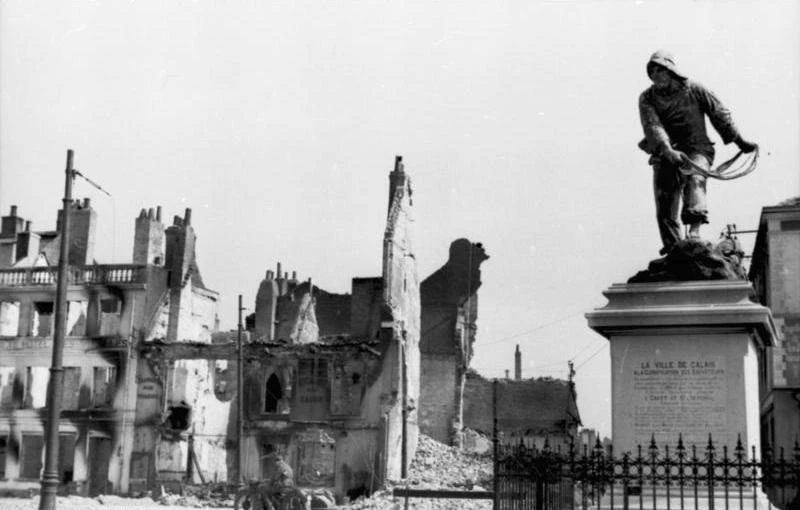
Calais — Nicholson facing the ultimatum
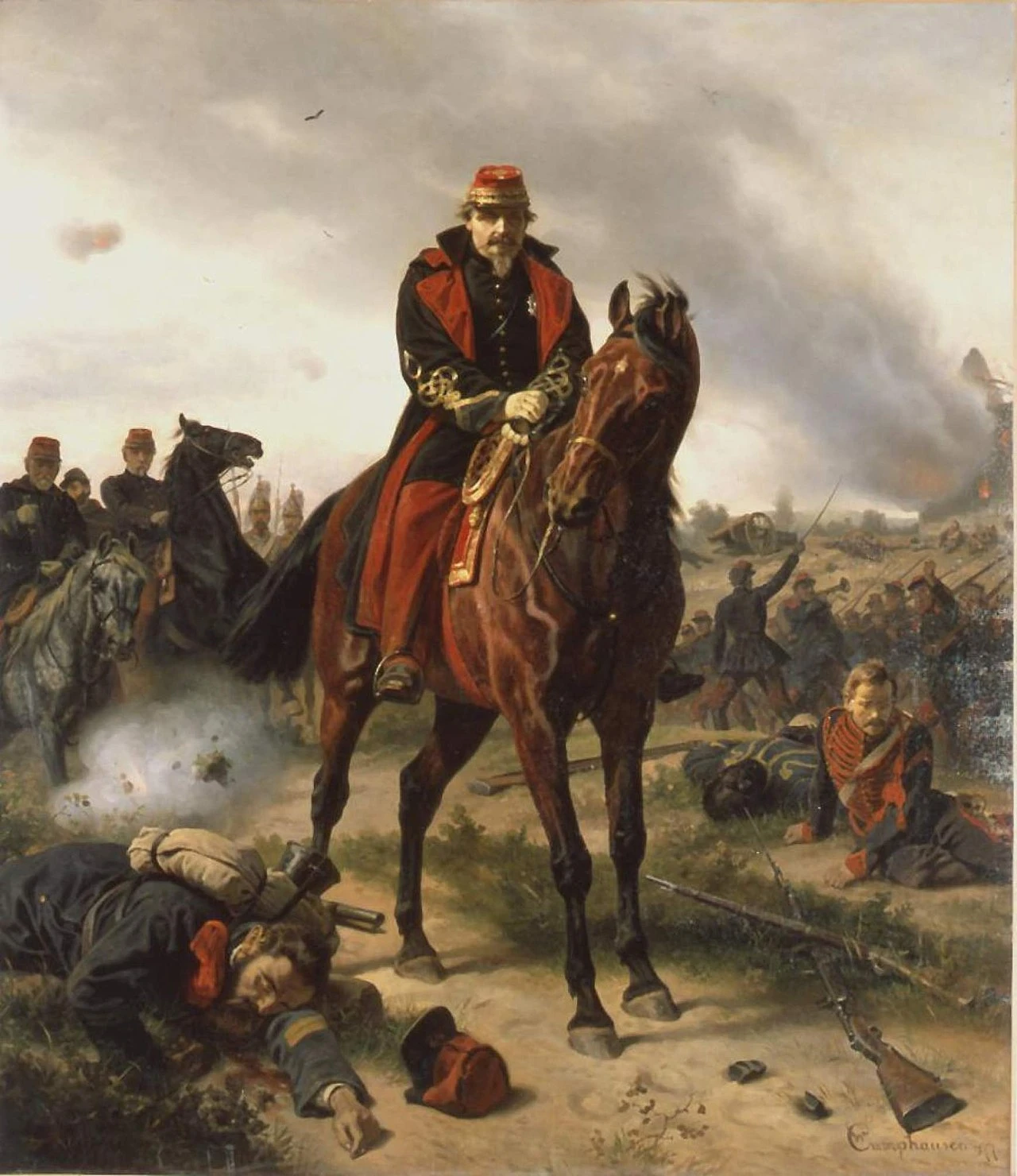
Bulson — Lafontaine and the 02:00 rumour
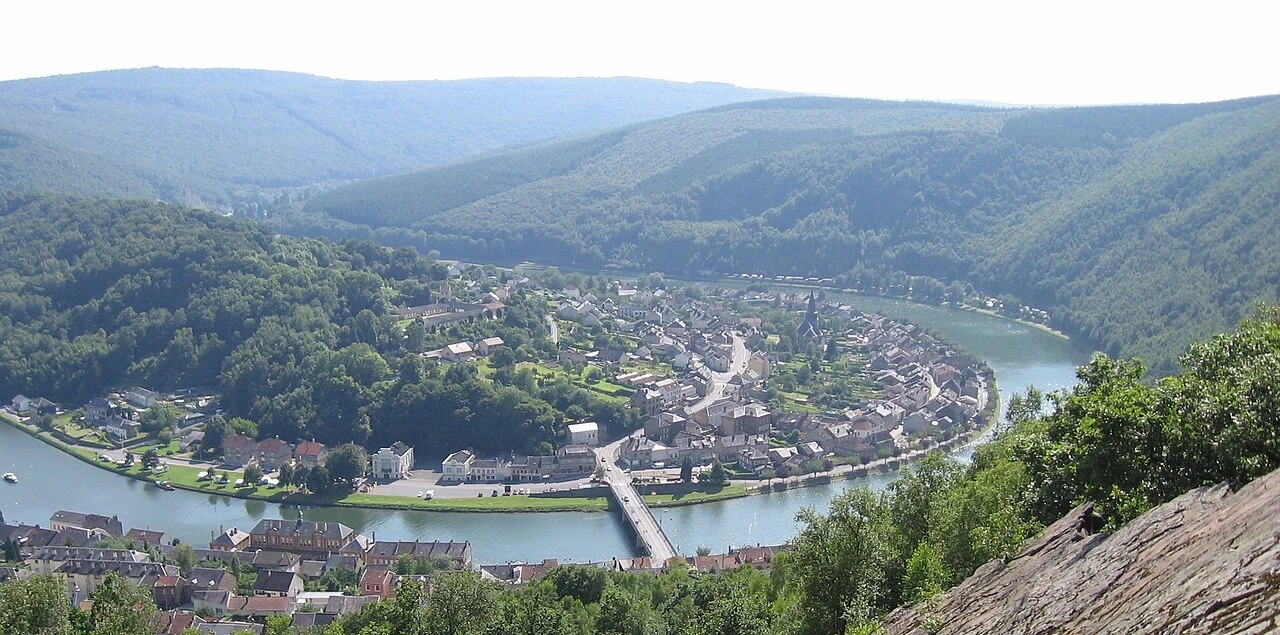
Monthermé — Portzert in the Meuse loop
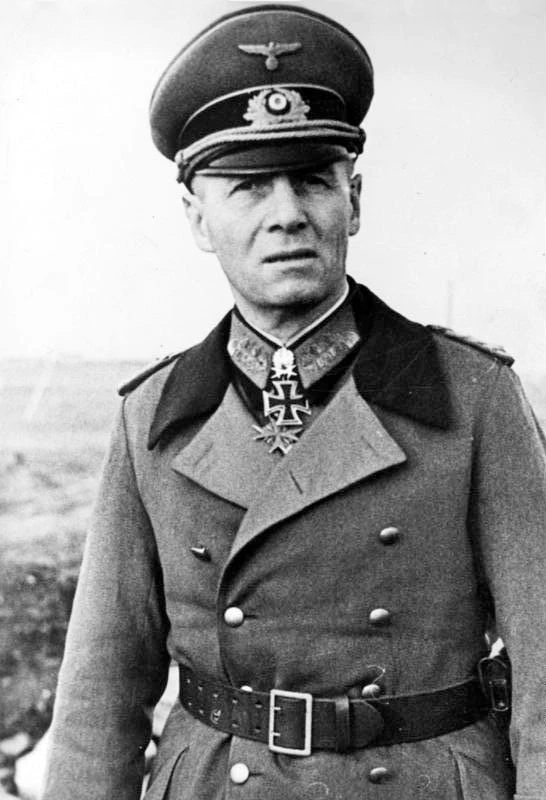
Rommel before the Serre — the Crécy bridge
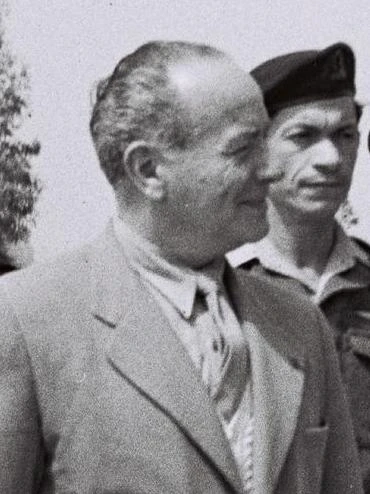
Stonne — Billotte facing the Panzer column
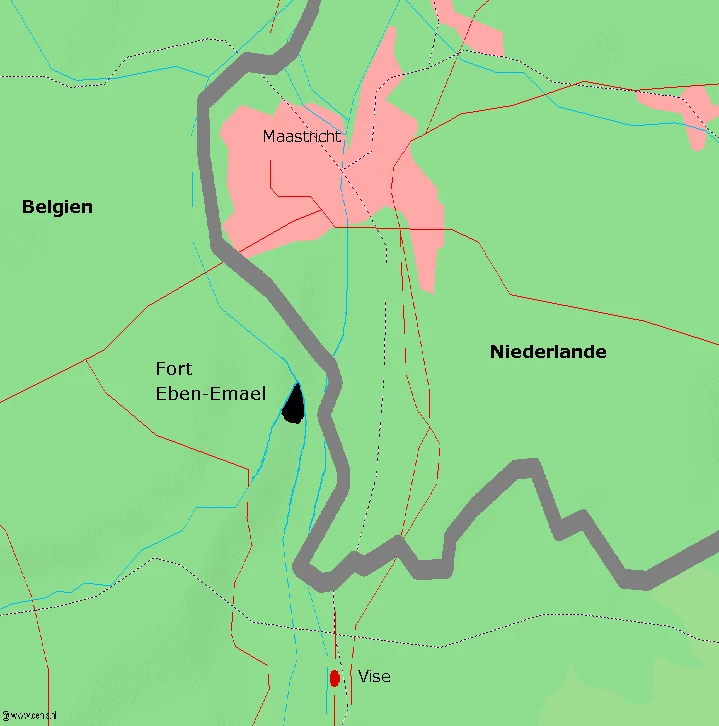
Eben-Emael — Jottrand under the explosions
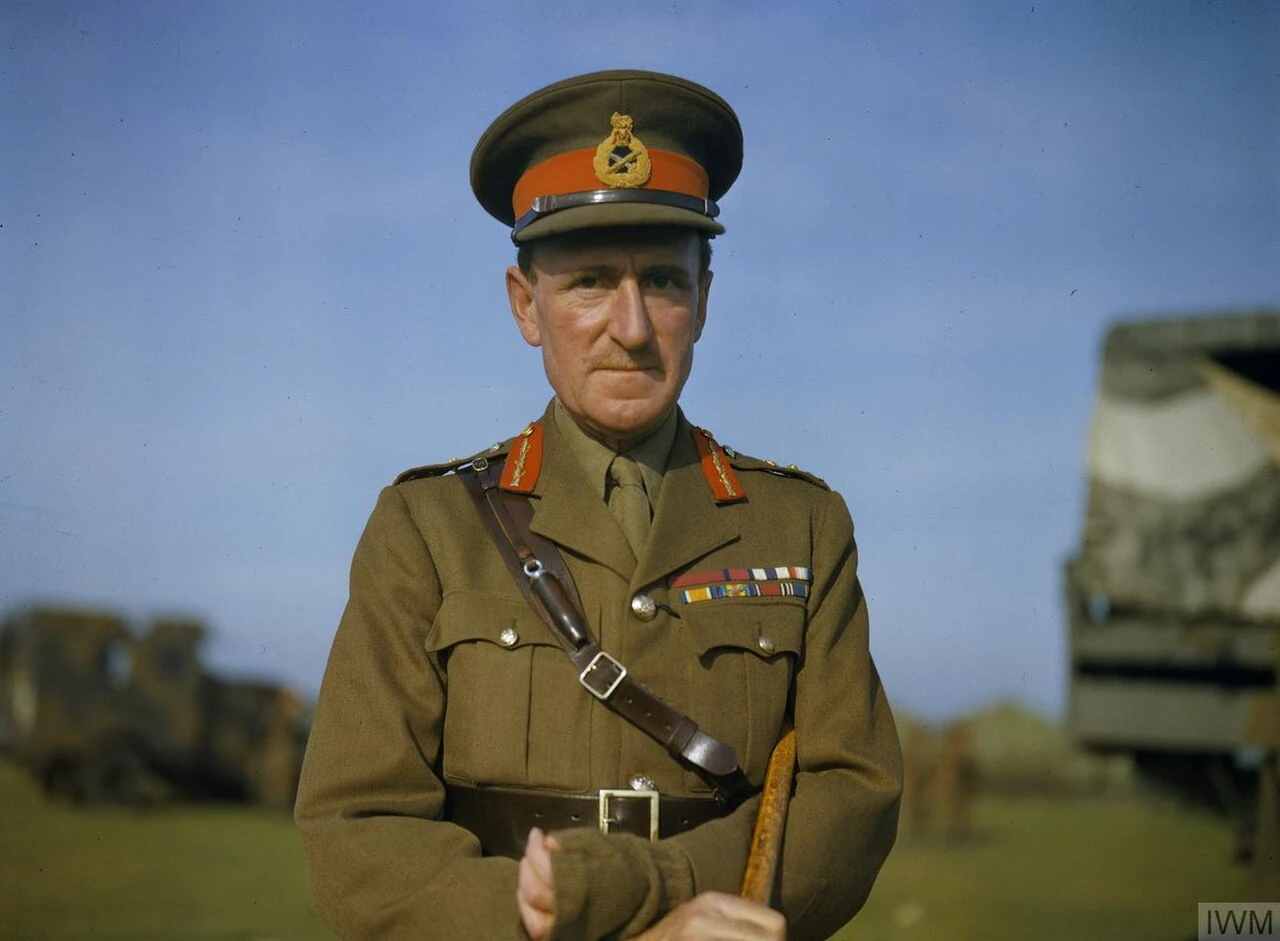
Paget at Åndalsnes — Sickleforce
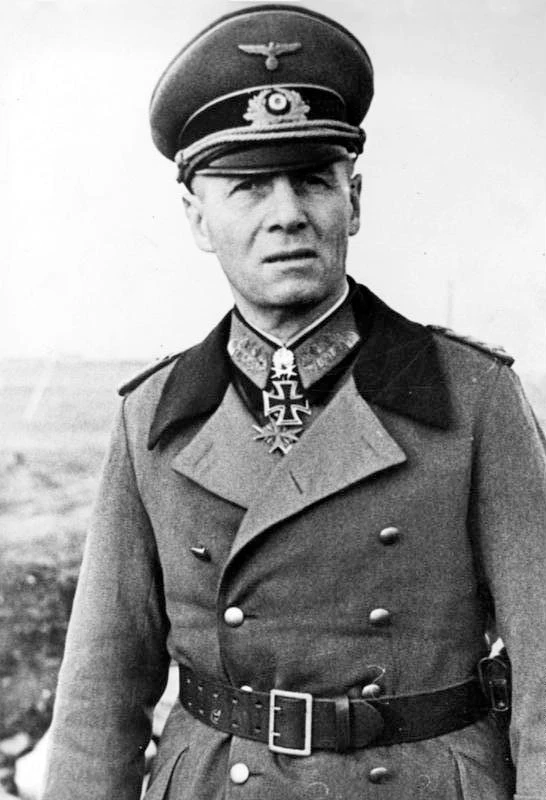
Rommel before the Meuse — Dinant, 13 May
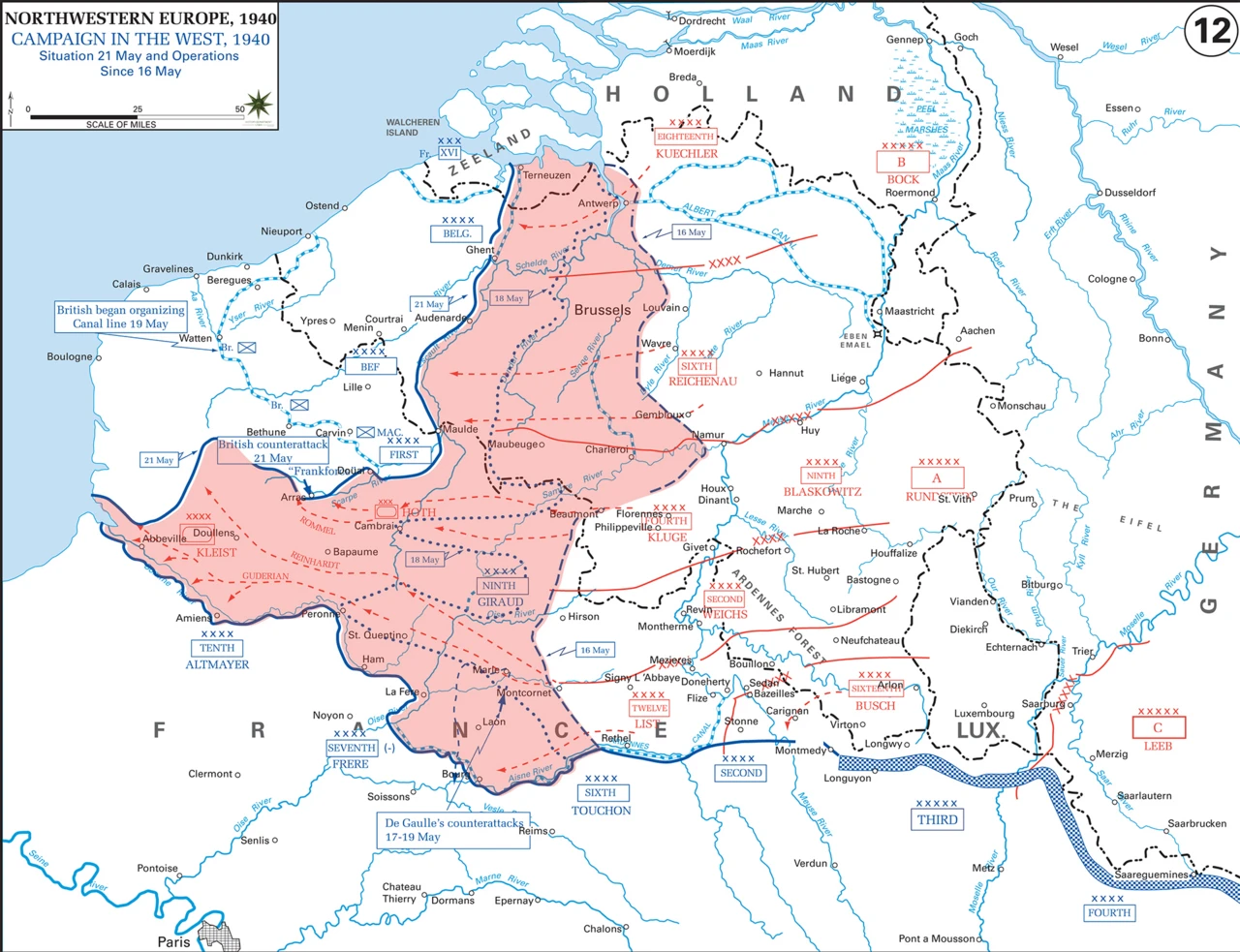
Arras — the Matildas against Rommel's flank
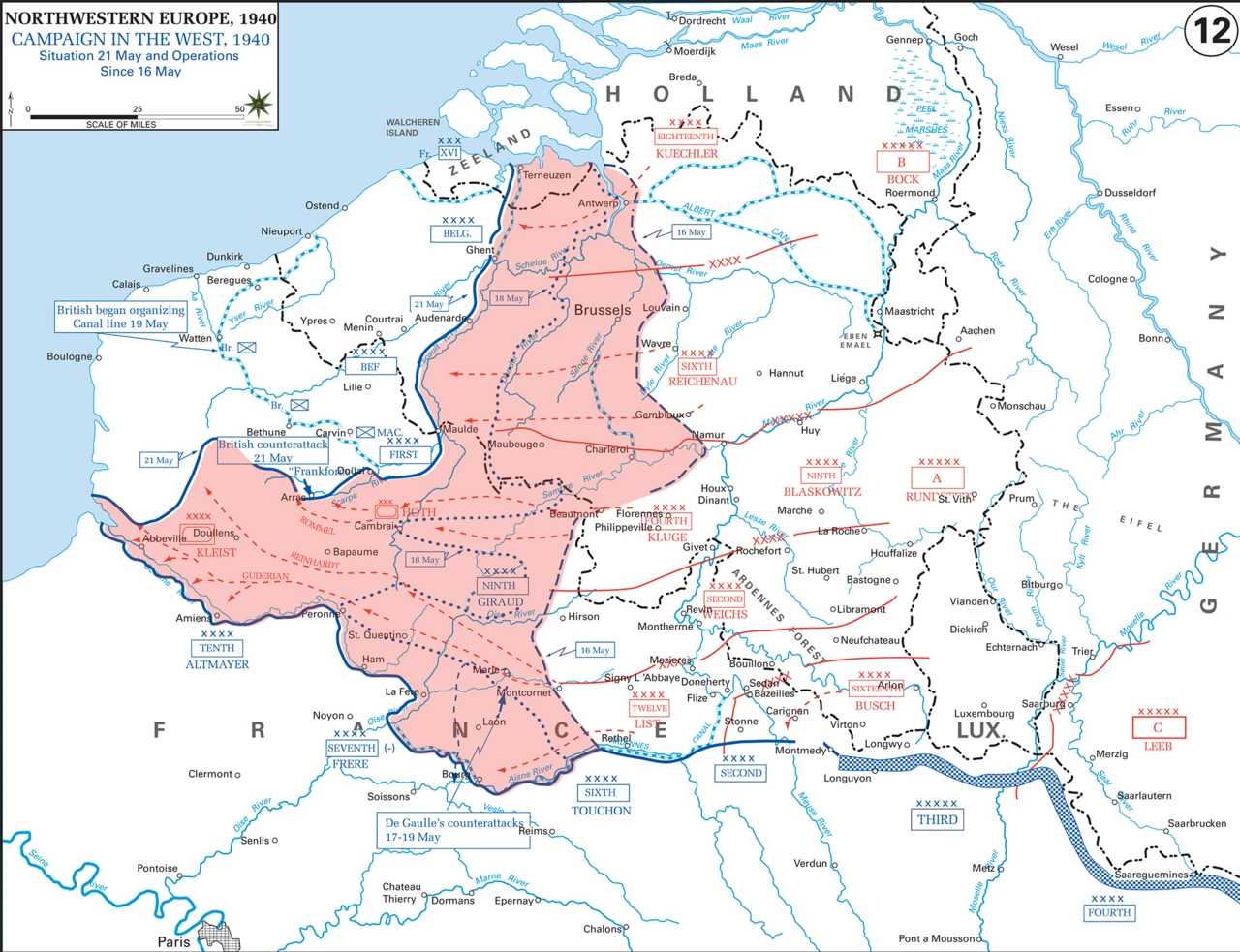
Boulogne — Fox-Pitt and the Guards facing the port
Calais — Nicholson facing the ultimatum
Bulson — Lafontaine and the 02:00 rumour
Monthermé — Portzert in the Meuse loop
Rommel before the Serre — the Crécy bridge
Stonne — Billotte facing the Panzer column
Eben-Emael — Jottrand under the explosions
Paget at Åndalsnes — Sickleforce
Rommel before the Meuse — Dinant, 13 May
Arras — the Matildas against Rommel's flank