
The Nazi-Soviet pact of 23 August struck like a thunderclap. By neutralising the USSR, it removes the chief obstacle to a German attack on Poland and tips Europe to the brink of war. In Berlin, there is perhaps a hope that this reversal will convince London and Paris to abandon Warsaw, as Prague had been abandoned at Munich.
Chamberlain's British government, advised by the Foreign Secretary Lord Halifax, must react quickly. The guarantee given to Poland in March was a unilateral declaration; a proper treaty of alliance would carry a quite different political and legal weight.
The dilemma is clear. Transform the guarantee at once into a formal and binding alliance, to signal to Hitler that aggression against Poland would mean war with the United Kingdom — at the risk of committing irrevocably? Play for time, for fear of worsening the tension after the shock of the pact? Or seek a compromise to avoid war? The signal sent to Berlin may decide between peace and conflict.
Should London transform its guarantee into a formal alliance to deter Hitler, in the wake of the pact?
London chooses A: on 25 August 1939, the United Kingdom and Poland sign a treaty of mutual assistance, transforming the March guarantee into a formal alliance. The message to Hitler is unambiguous: aggression against Poland will draw Britain into the war. Combined at the same moment with Mussolini's backing away, this firm gesture leads Hitler to postpone for a few days the attack planned for 26 August. The deterrence gamble fails on the substance, however: determined, Hitler does not relent. The alliance of 25 August founds the commitment that will lead London to declare war on 3 September.
Learn more about this event
Related polls
10
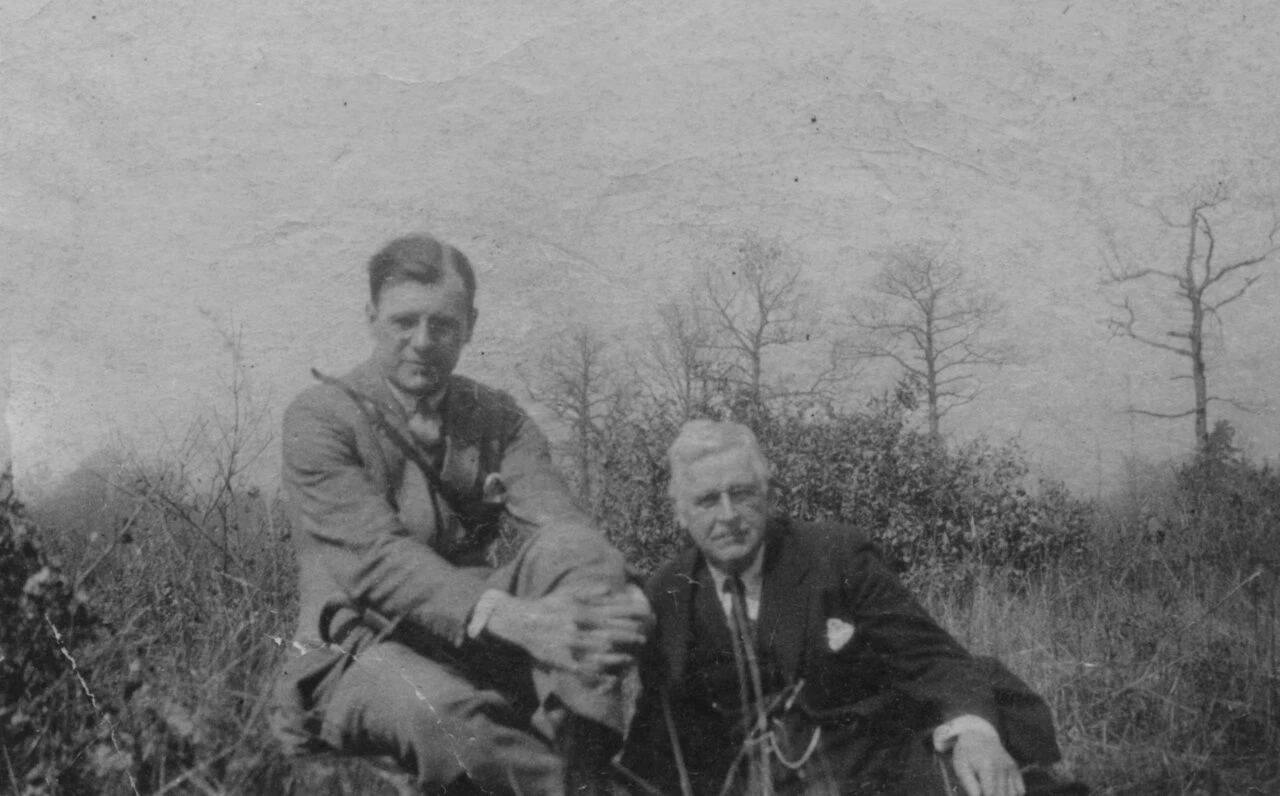
Cambridge, 1939: The Evacuated LSE Student and Conscription
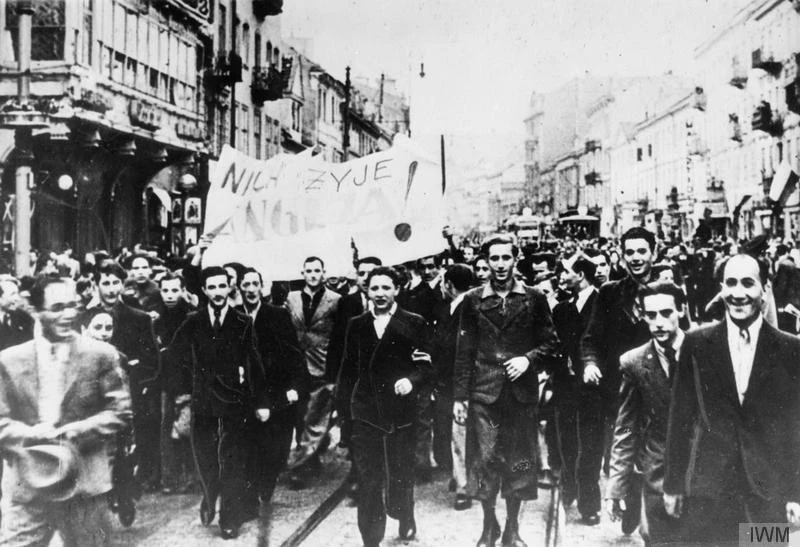
Chamberlain — 11:15 BST
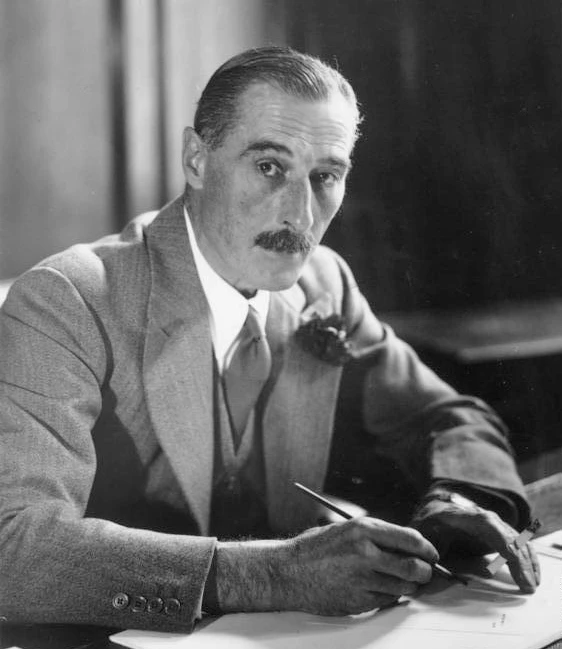
The Last-Chance Mediation
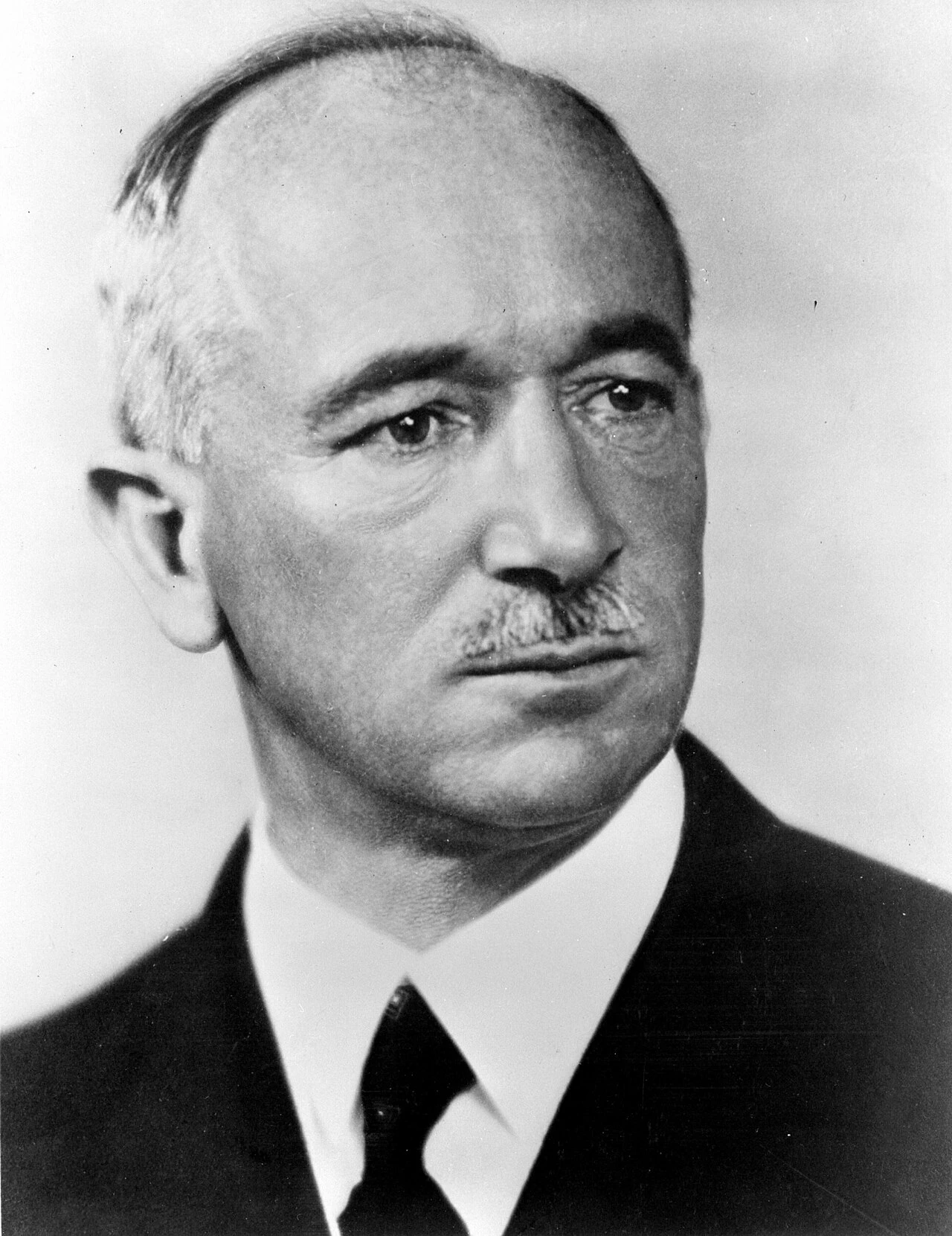
Beneš in London — autumn 1939
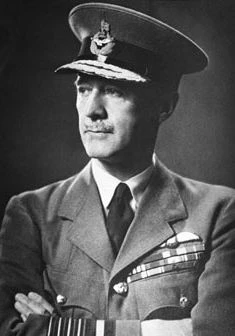
Ludlow-Hewitt and Operation Nickel
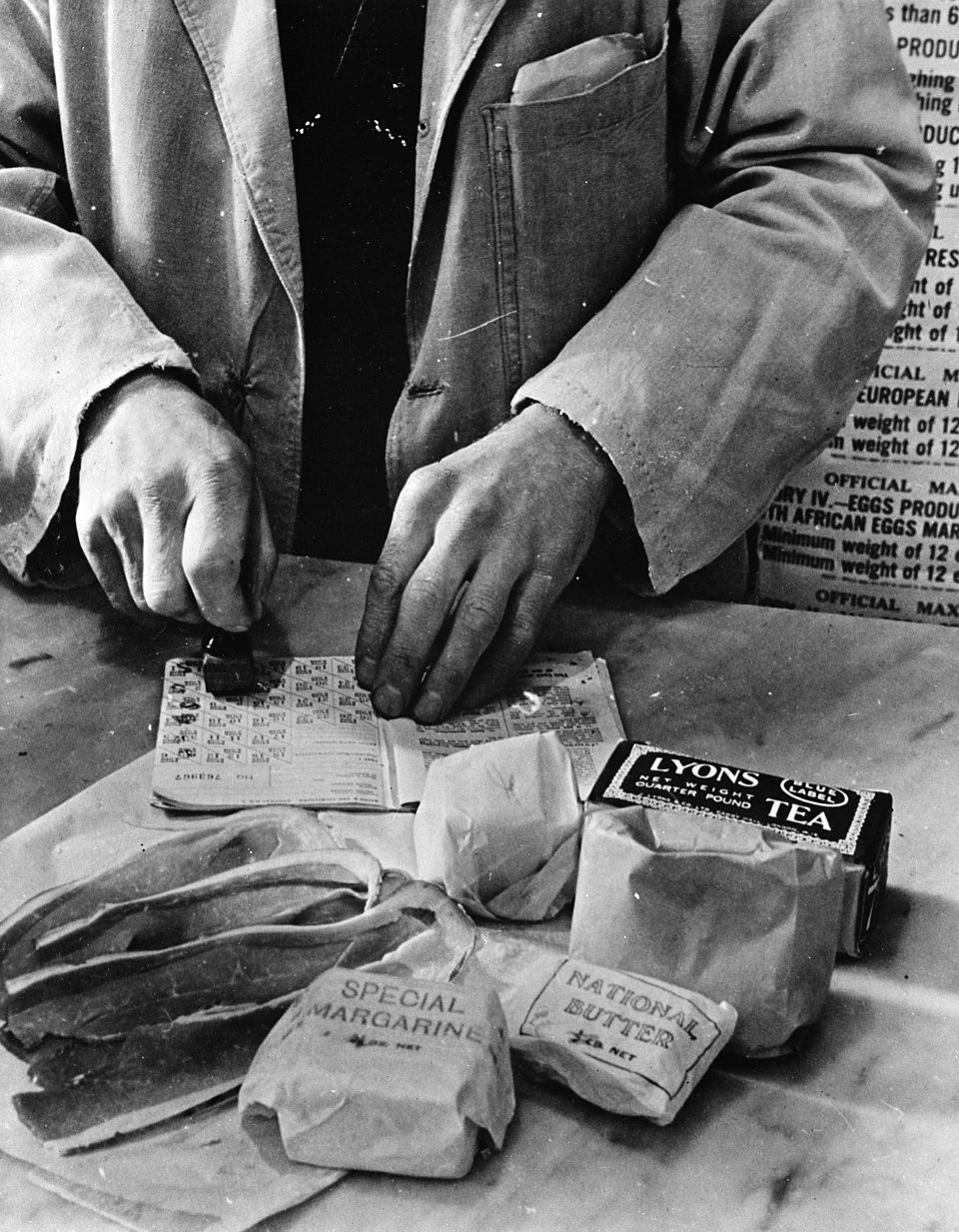
British rationing — Morrison and the principle
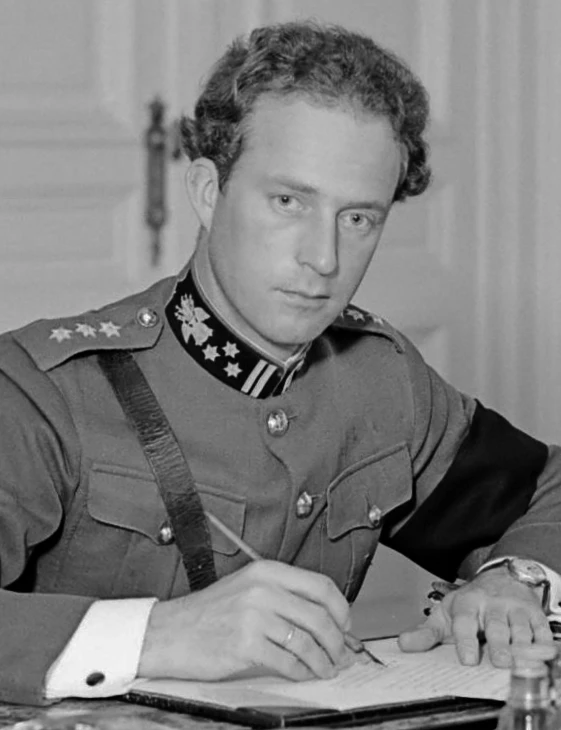
Brussels, September 1939: a small country's tightrope walk
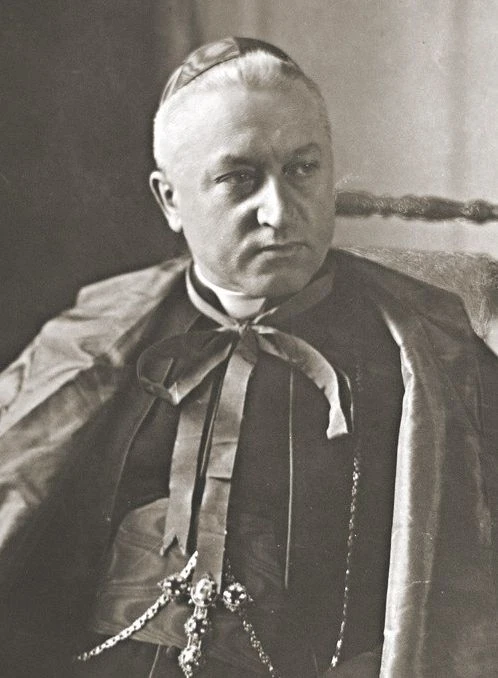
Cardinal Hlond — the Vatican's instruction
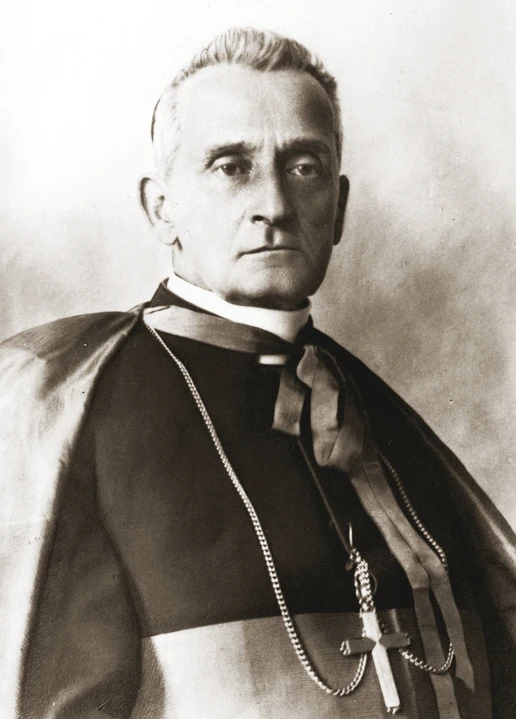
Cardinal Sapieha — Krakow under Occupation
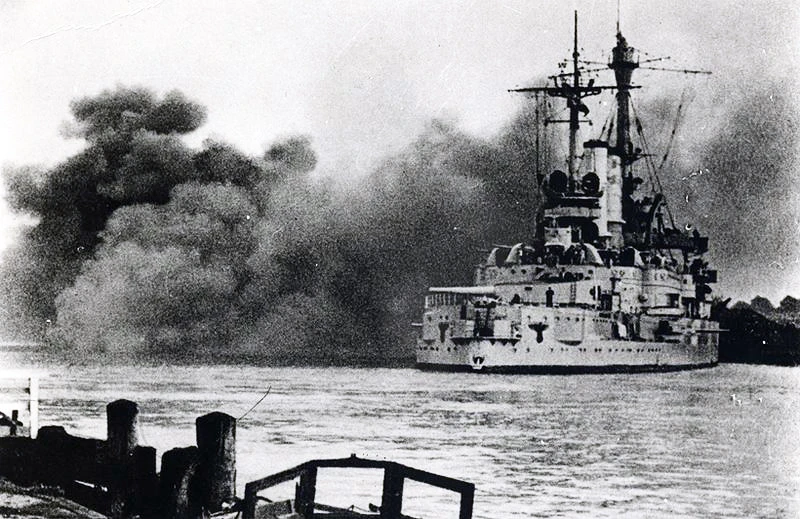
Danzig, September 1939 — the policeman of the Free City
Cambridge, 1939: The Evacuated LSE Student and Conscription
Chamberlain — 11:15 BST
The Last-Chance Mediation
Beneš in London — autumn 1939
Ludlow-Hewitt and Operation Nickel
British rationing — Morrison and the principle
Brussels, September 1939: a small country's tightrope walk
Cardinal Hlond — the Vatican's instruction
Cardinal Sapieha — Krakow under Occupation