
The United Kingdom has a long tradition of aversion to conscription in peacetime, considered contrary to its liberties and useless for a maritime power. But after the occupation of Prague in March 1939 and the guarantee given to Poland, London must prove to France — which alone bears the weight of continental conscription — that it is taking its share of the land effort.
The Secretary of State for War and the Prime Minister Chamberlain weigh a historic break: instituting compulsory military service in peacetime. The plan targets young men of 20 to 21 years, called up for six months of training in the militia.
The decision is delicate. Part of the Labour Party and the trade unions oppose it, seeing in it an attack on liberties and a dangerous precedent. But to do nothing would weaken British credibility with its allies and leave the army undersized against the Wehrmacht. Should the step of conscription be taken, should reliance be placed on volunteering, or should the territorial reserve merely be enlarged?
Should the United Kingdom institute conscription in peacetime, breaking with its tradition?
The government chooses A: the Military Training Act receives royal assent on 26 May 1939. For the first time in peacetime, the United Kingdom calls its young men to the colours — the 'militiamen' of 20 and 21 years, summoned for six months of instruction. The measure, passed despite the opposition of part of the left, is above all a political signal addressed to Paris and Berlin: London is resolved to fight if it must. At the declaration of war, it will be extended and broadened by the National Service Act, which generalises conscription.
Learn more about this event
Related polls
10
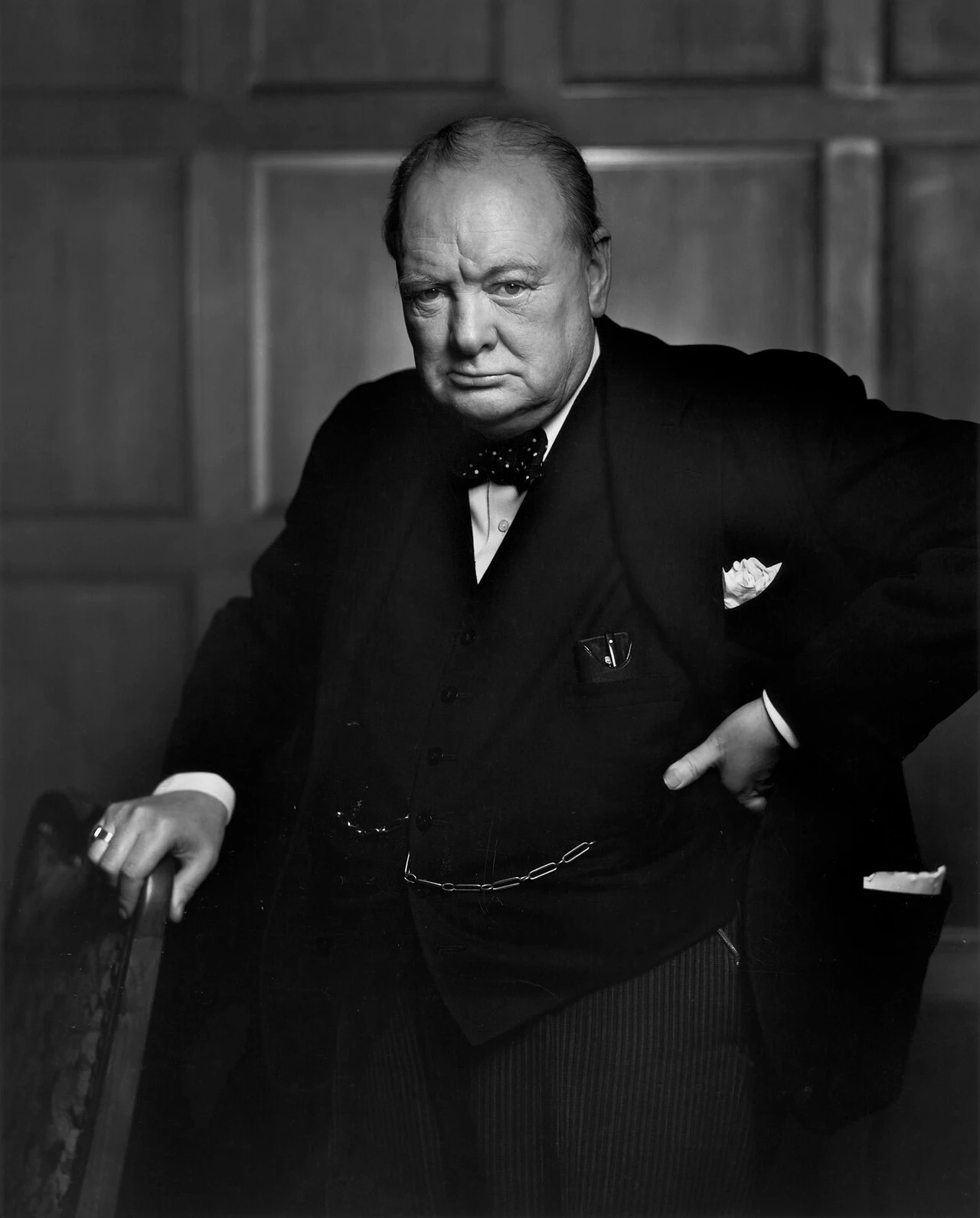
Auchinleck replaces Wavell
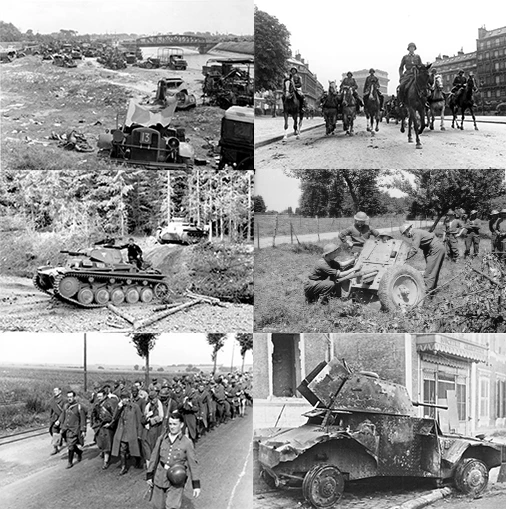
The War Cabinet — Negotiate or Carry On
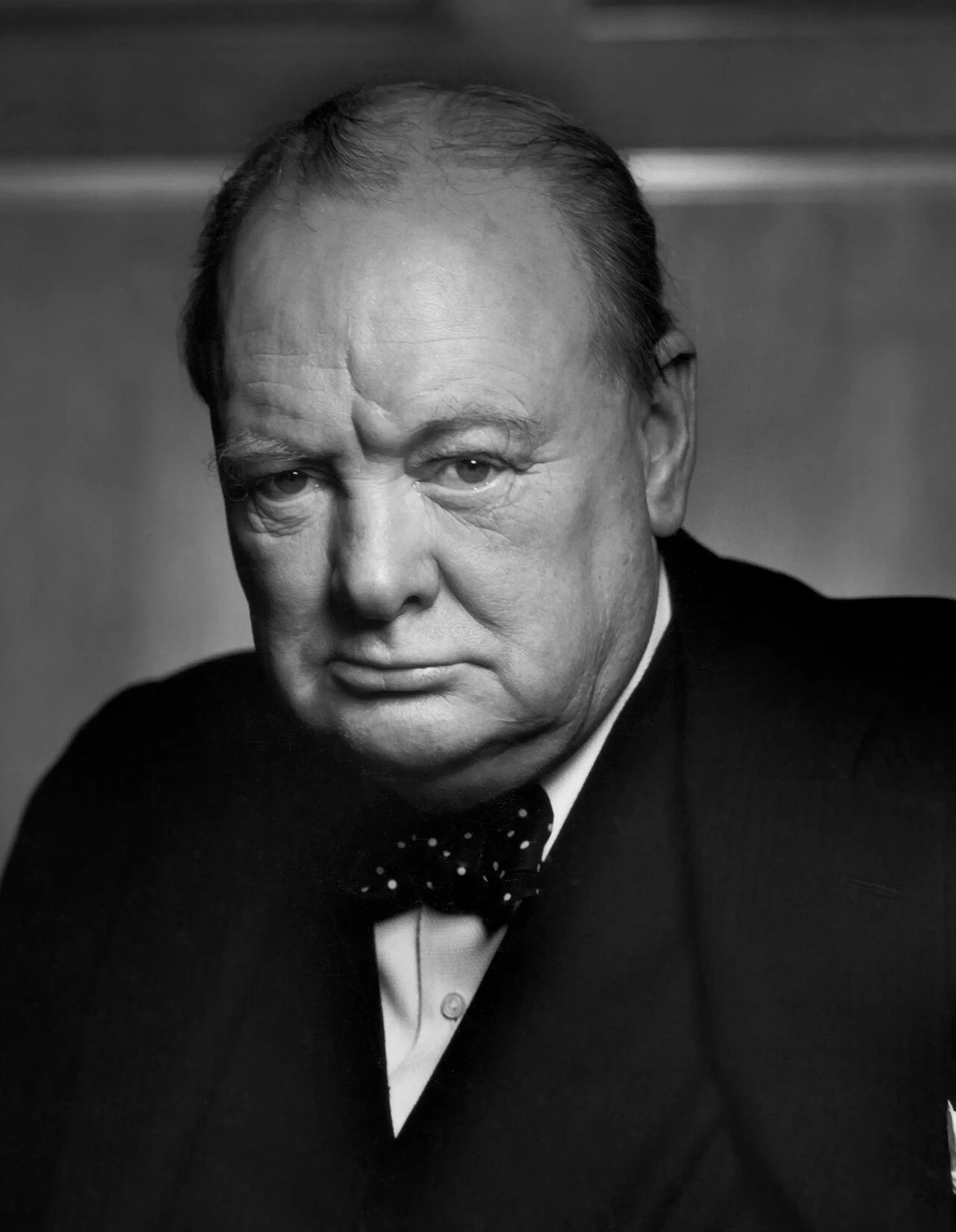
Churchill and the ultimatum on the Burma Road
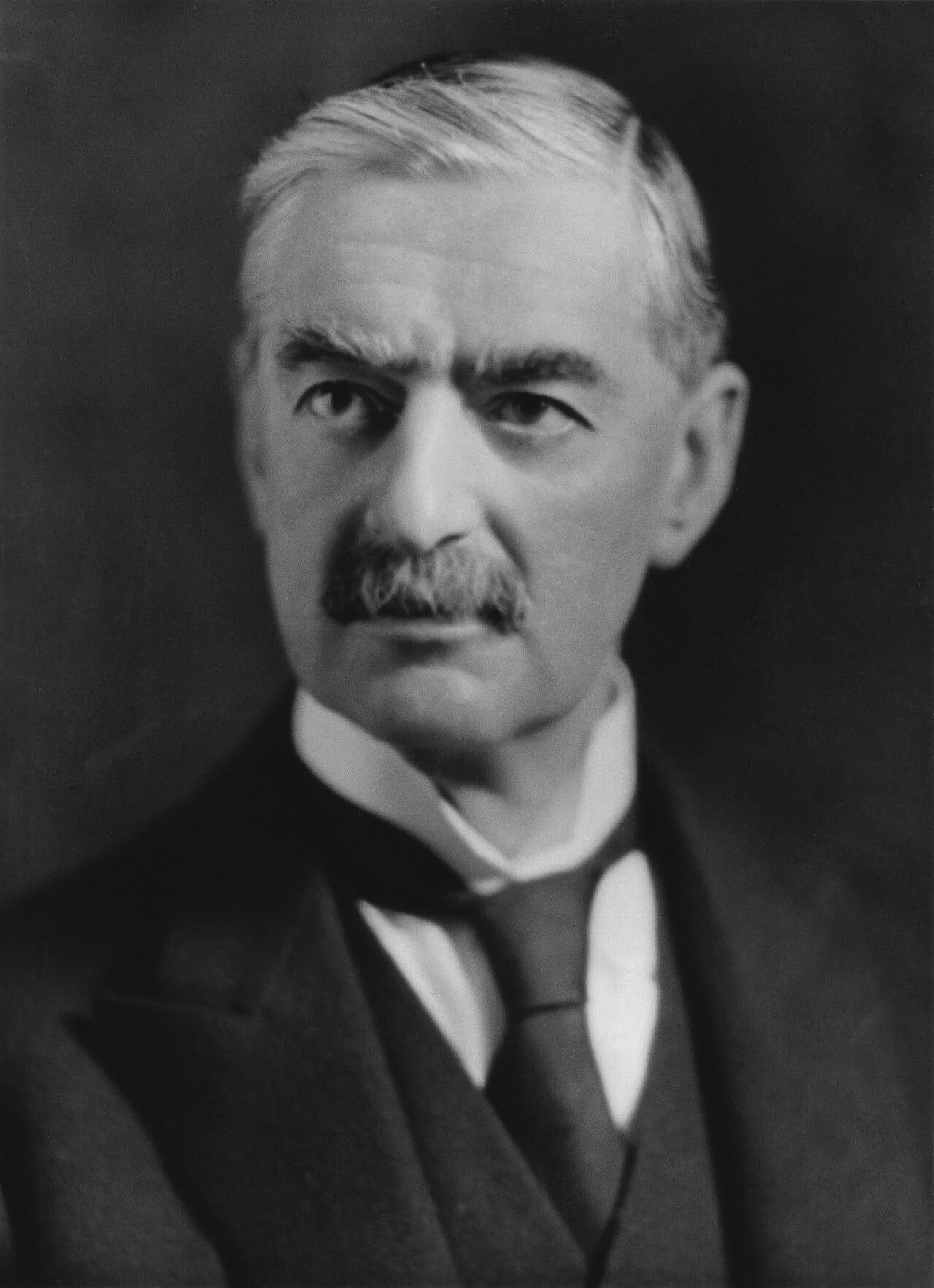
War council — leave central Norway?
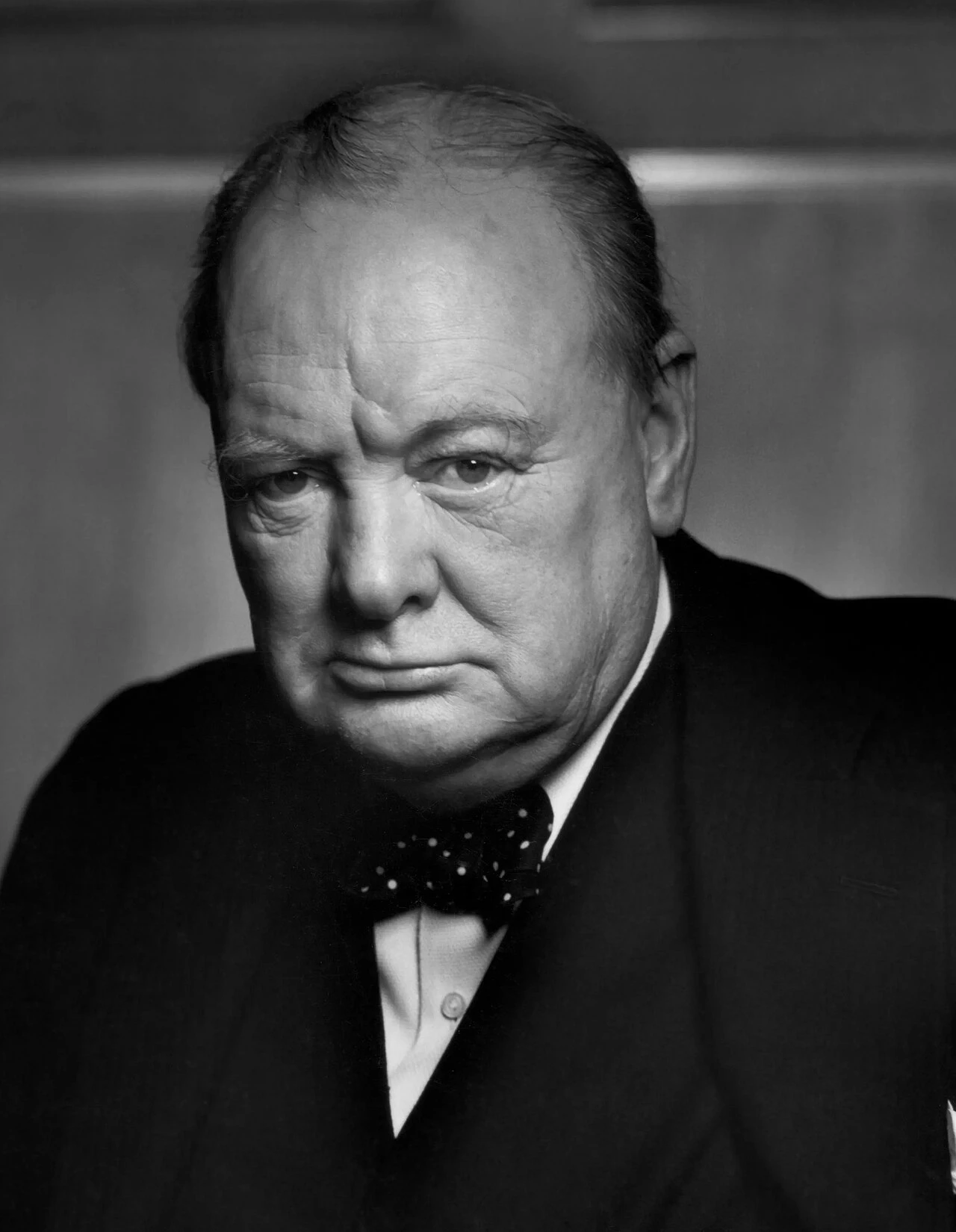
Mining the Rhine — Operation Royal Marine
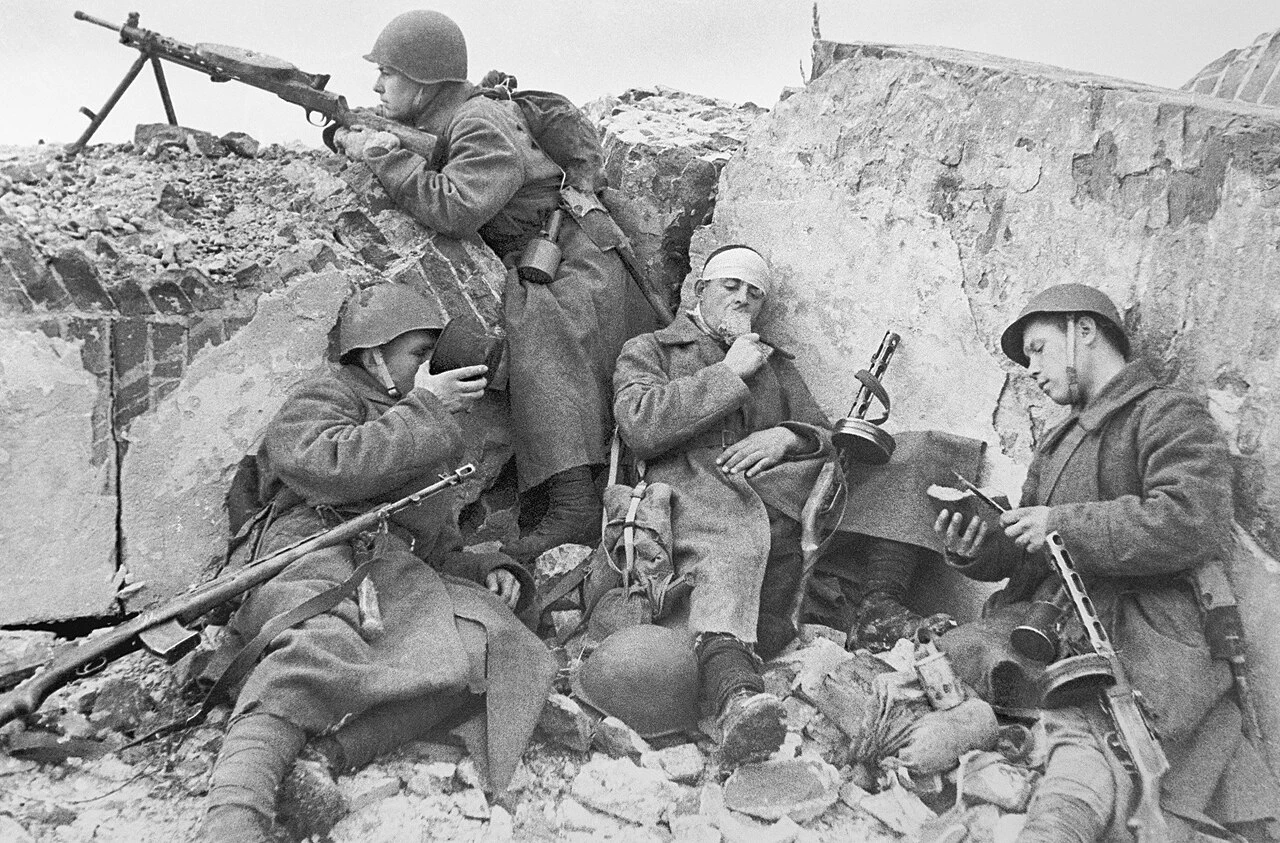
The Moscow Talks
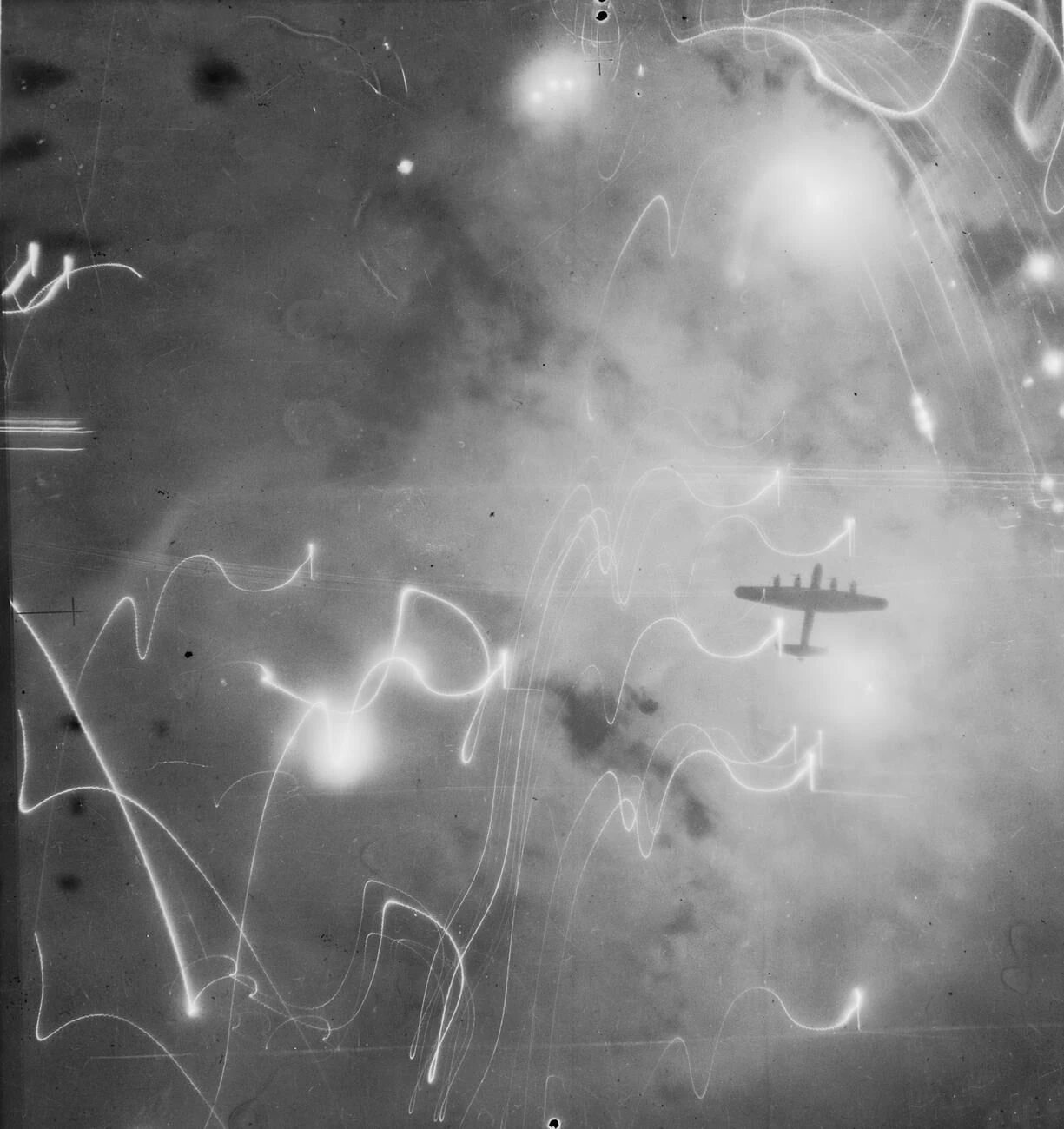
Bombing London — and the reply on Berlin
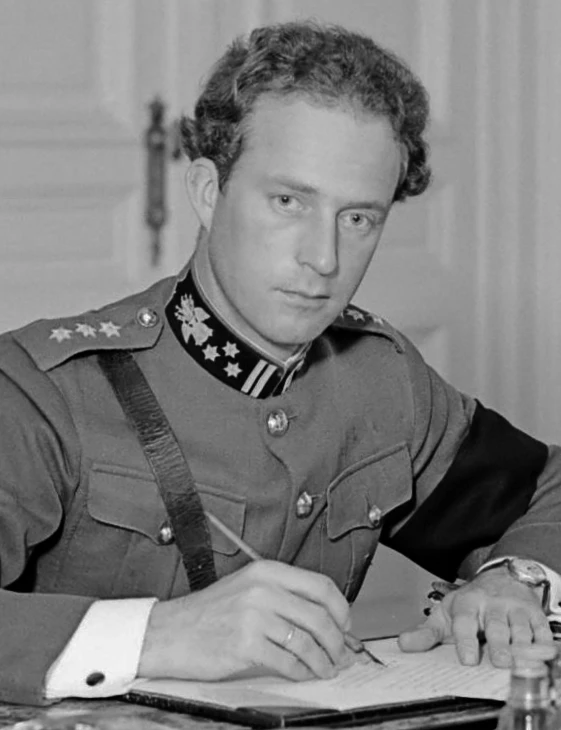
Brussels, September 1939: a small country's tightrope walk
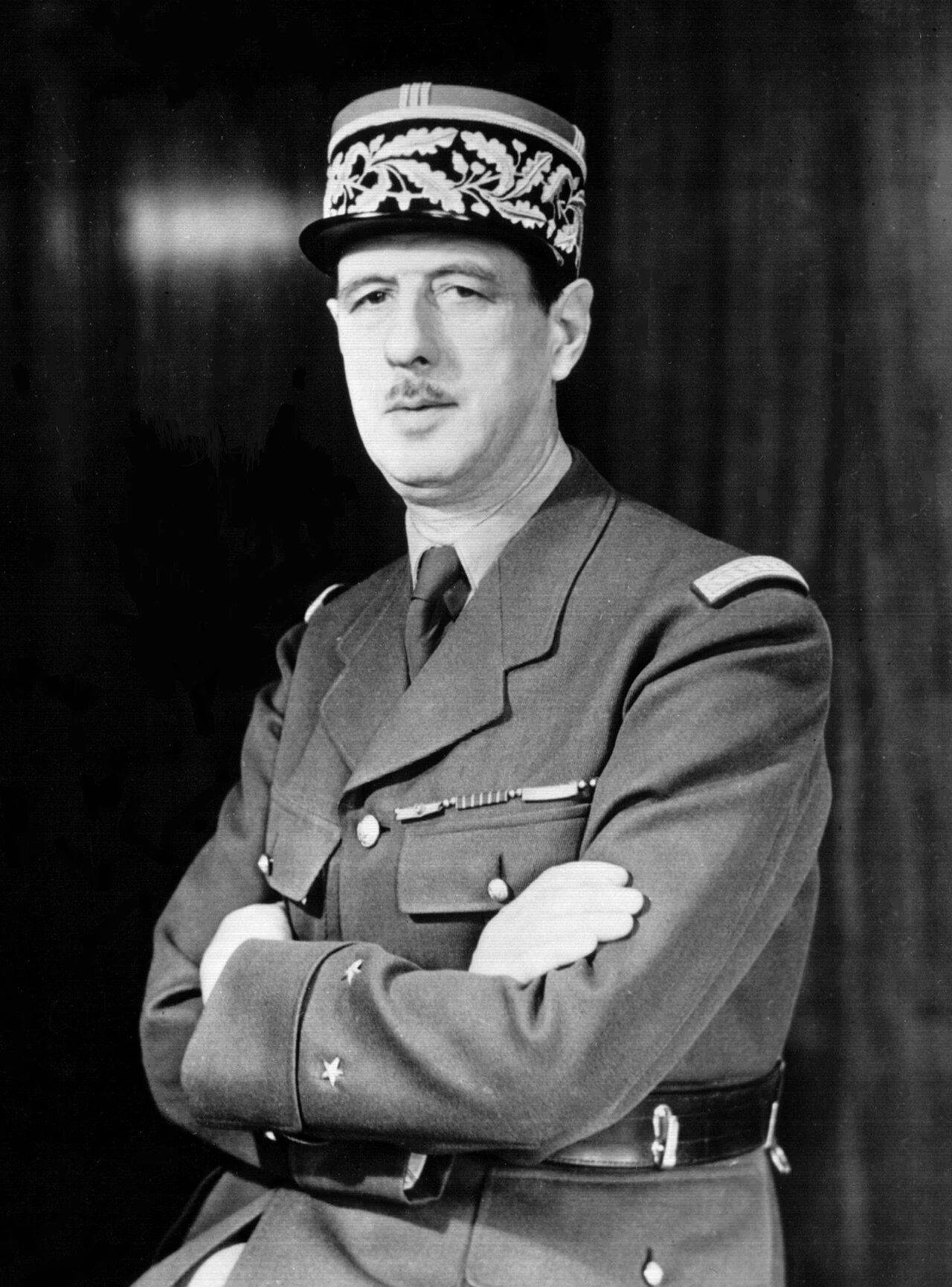
De Gaulle calls on Churchill — 9 June

The Tientsin Incident
Auchinleck replaces Wavell
The War Cabinet — Negotiate or Carry On
Churchill and the ultimatum on the Burma Road
War council — leave central Norway?
Mining the Rhine — Operation Royal Marine
The Moscow Talks
Bombing London — and the reply on Berlin
Brussels, September 1939: a small country's tightrope walk
De Gaulle calls on Churchill — 9 June