
The Isolated Soldier after the Capitulation
On the morning of the Belgian capitulation, 28 May 1940, thousands of soldiers find themselves scattered, cut off from their unit, in a country in utter chaos. The surrender orders them to lay down their arms, but on the ground many isolated men do not know what to do and dread captivity.
For you, the Belgian soldier, separated from your comrades, the choices are narrow and risky. You may surrender to the Germans as the capitulation orders, and set off for the prisoner-of-war camps — a fate that the Flamenpolitik will make unequal according to language. You may try to return home in civilian clothes, blending into the population, at the risk of being taken for a deserter or a franc-tireur. Or you may seek to reach the coast to cross into France or England and continue the fight.
The uncertainty is total: the news is contradictory, the roads dangerous, and every encounter with a patrol can turn bad. Should you give yourself up as a prisoner, return home discreetly, or attempt to escape westward? The decision commits years of your life.
Should our isolated soldier surrender, return home in civilian clothes, or try to reach the coast to continue the war?
All three attitudes coexist. Many, faithful to the capitulation order or simply overwhelmed, surrender (A) and swell the some 200,000 Belgian prisoners. Others, taking advantage of the chaos, return home (B) and escape captivity. A minority try to reach the West (C): a few thousand Belgian servicemen will make it to France and then, for some, to Great Britain, where the Free Belgian Forces will be formed. The dispersal of the army at the capitulation illustrates the diversity of individual fates in the collapse — between resignation, resourcefulness and the will to continue the fight.
Learn more about this event
Related polls
10
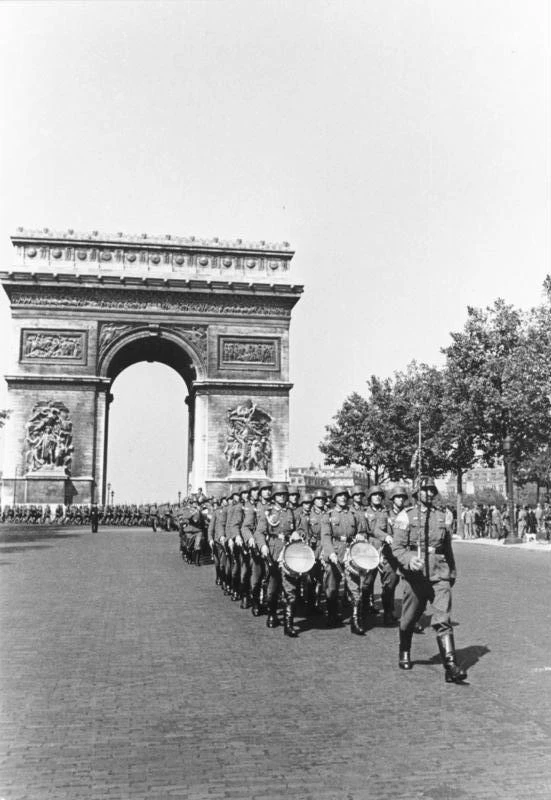
The Press under German Control
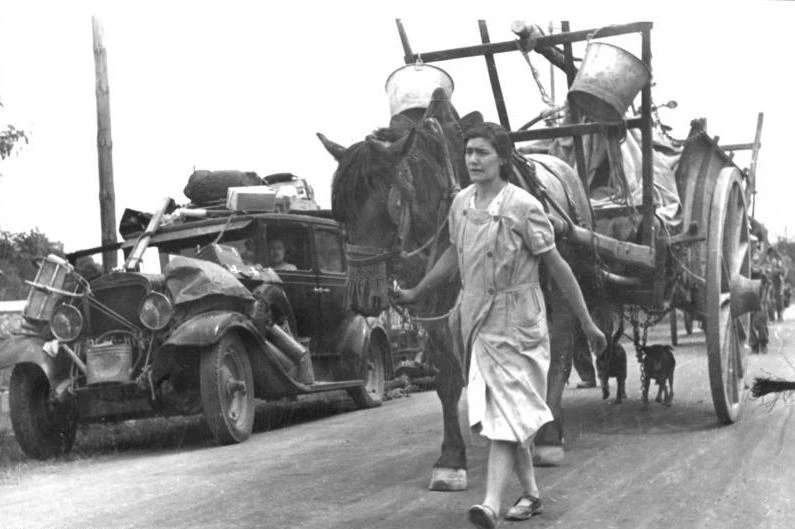
The return from the exodus
The return of the demobilised soldier
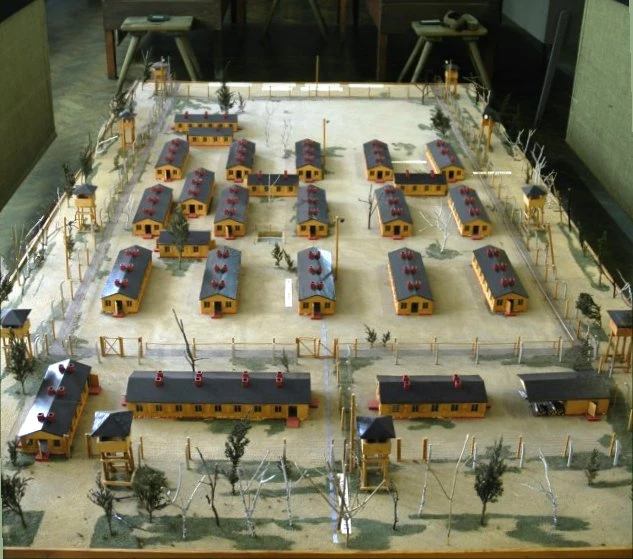
1.8 million prisoners

The burgomaster faced with requisitions
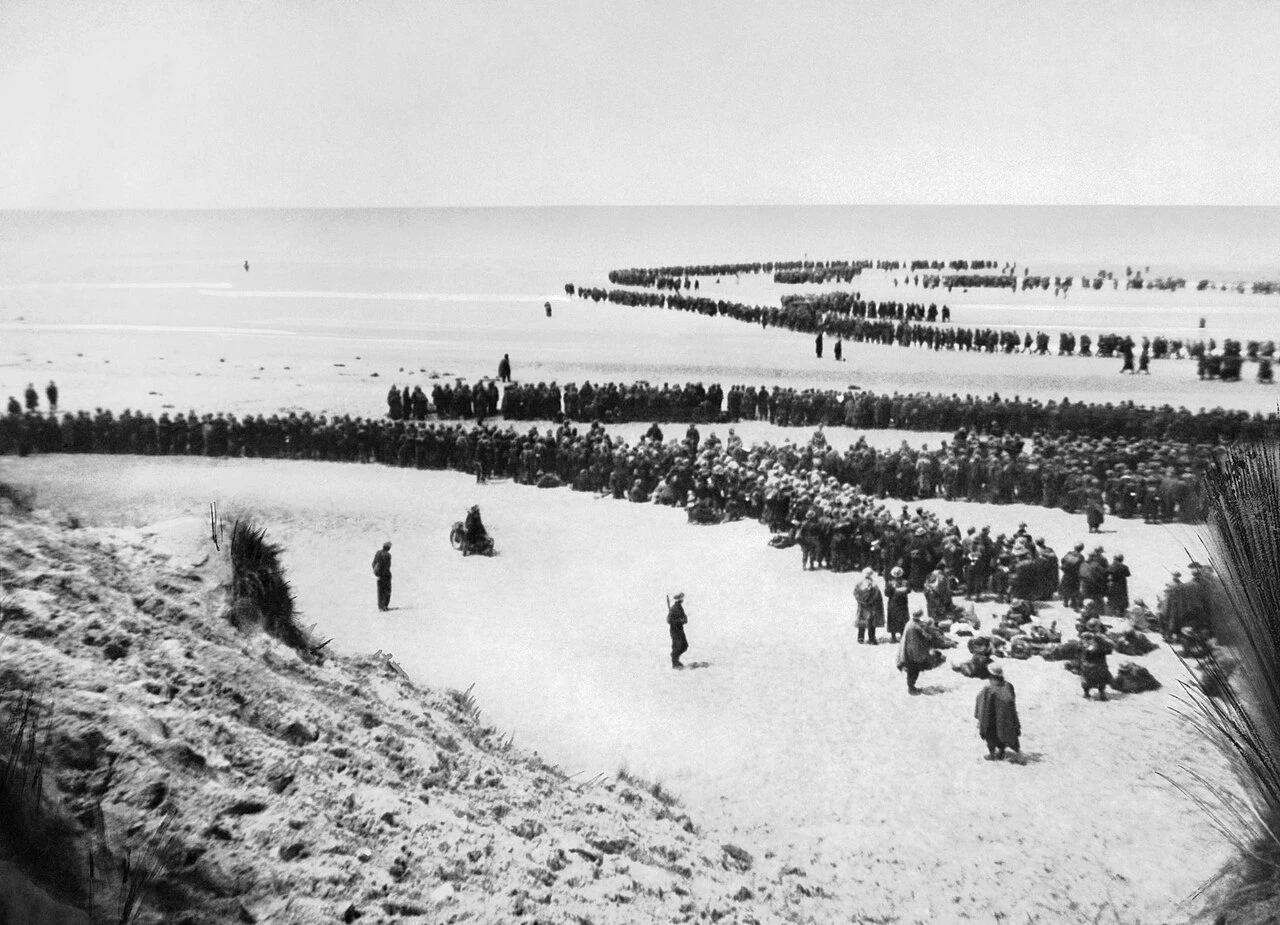
Dunkirk: holding the line under the bombs
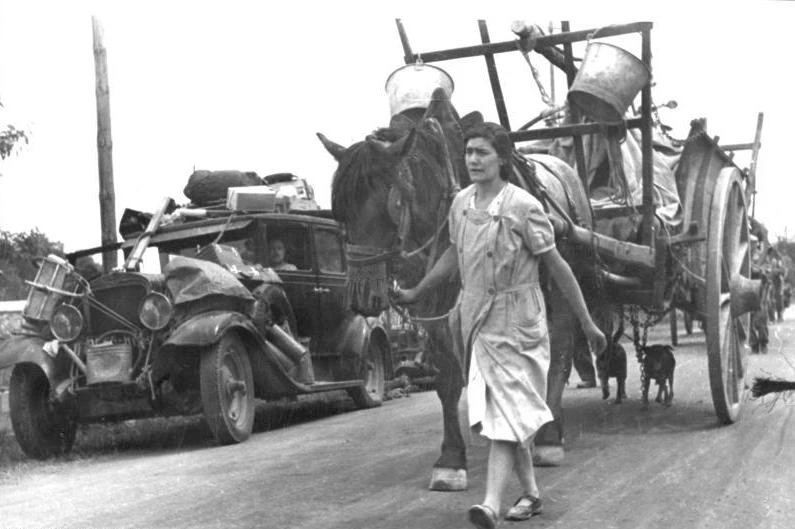
The exodus — flee or stay
The Drawing of Lots at Rosendaël
Mobilised at the border
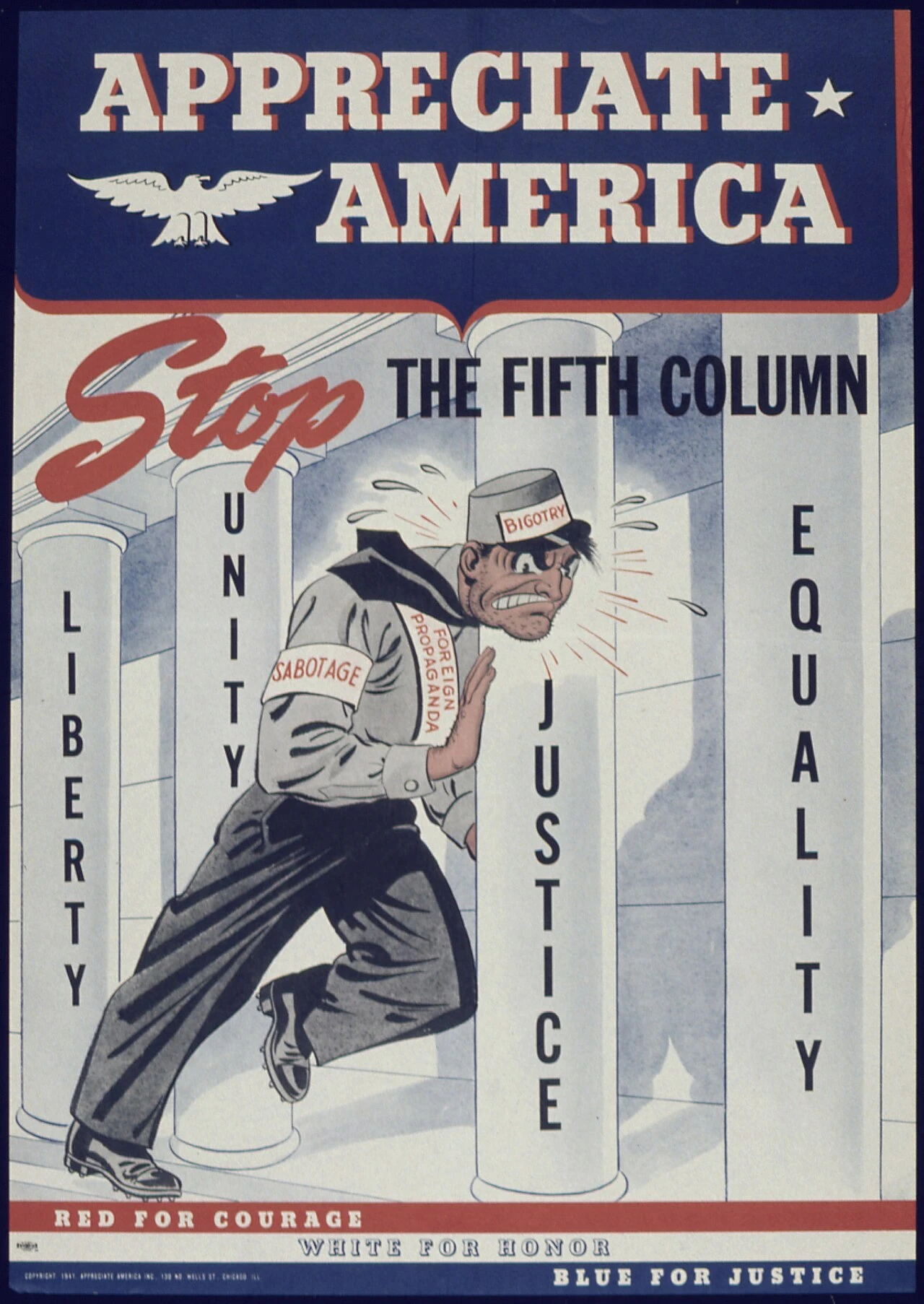
The fifth-column psychosis
The Press under German Control
The return from the exodus
The return of the demobilised soldier
1.8 million prisoners
The burgomaster faced with requisitions
Dunkirk: holding the line under the bombs
The exodus — flee or stay
The Drawing of Lots at Rosendaël
Mobilised at the border