
Tovey — the Bismarck running for France
After the loss of the Hood, the Royal Navy threw itself into a relentless hunt for the Bismarck. Admiral , commanding the Home Fleet, concentrated everything he could — battleships, cruisers, aircraft carriers — but the Bismarck, having given his pursuers the slip, was steering for the French Atlantic ports, where German air cover would protect her. Tovey no longer knew exactly where she was, and his own ships were running short of fuel.
On 26 May, a Catalina flying boat found her again: the Bismarck was almost safe, within range of German air cover. Only naval aviation could still slow her before she escaped for good. The old Swordfish torpedo bombers of the carrier Ark Royal, taking off in heavy weather from a deck pitching by several metres, were the last hope.
The British command had to decide: attempt at all costs a risky and improbable air attack, in a raging sea, to damage the Bismarck's rudder or propellers; give up and accept that she would escape; or pursue with the guns, with ships short of oil, at the risk of having to abandon the chase for lack of fuel.
How to prevent the Bismarck from reaching German air cover?
The choice fell on A. On the evening of 26 May, Ark Royal's Swordfish attacked in a raging sea; a torpedo struck the Bismarck's rudder, condemning her to circle, unsteerable. Deprived of all manoeuvre, she could no longer flee. On the morning of 27 May, Tovey's battleships King George V and Rodney caught her up and reduced her to silence under a deluge of shells; cruiser torpedoes finished her off. The Bismarck sank with almost all her crew — more than 2,000 dead, around 110 survivors. The loss of the Hood was avenged. The end of the Bismarck consecrated the decisive role of naval aviation and relieved the Atlantic convoys of the threat of the large German surface raiders, which would henceforth remain largely in port.
Learn more about this event
Related polls
10
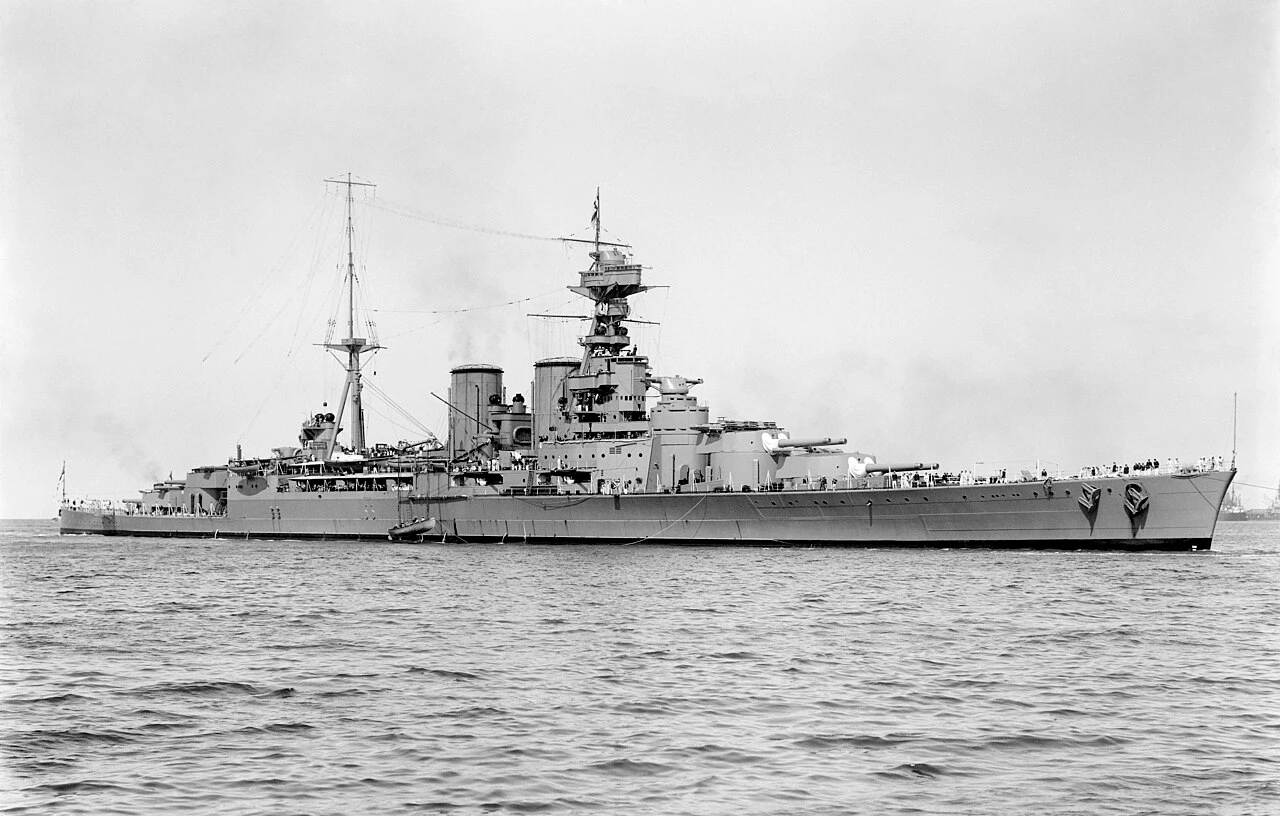
The Hood against the Bismarck
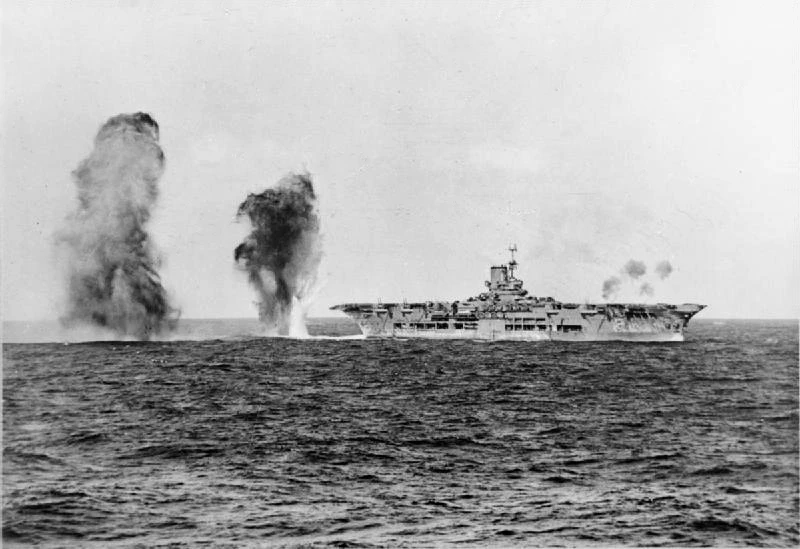
Cape Matapan — Cunningham against Iachino
Fegen and the Jervis Bay — convoy HX-84
HMS Courageous — Makeig-Jones after the Torpedoes
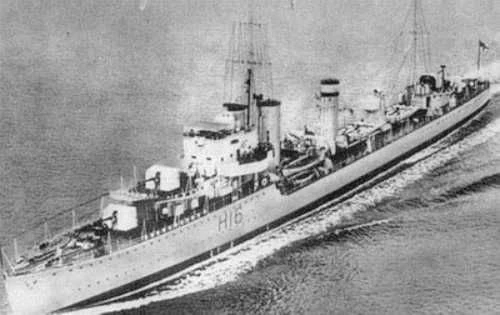
HMS Daring in the Pentland Firth
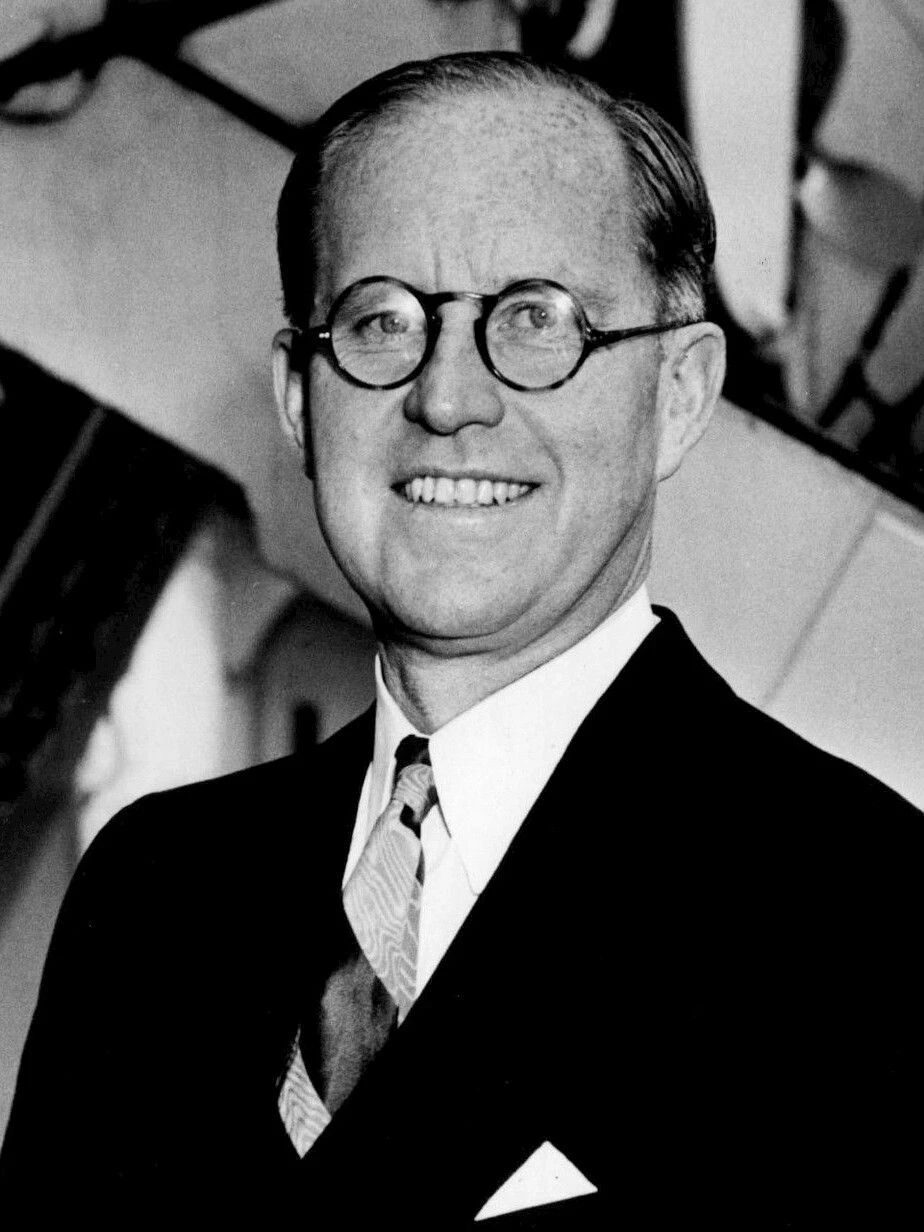
HMS Rawalpindi — Kennedy at 3:47 p.m.
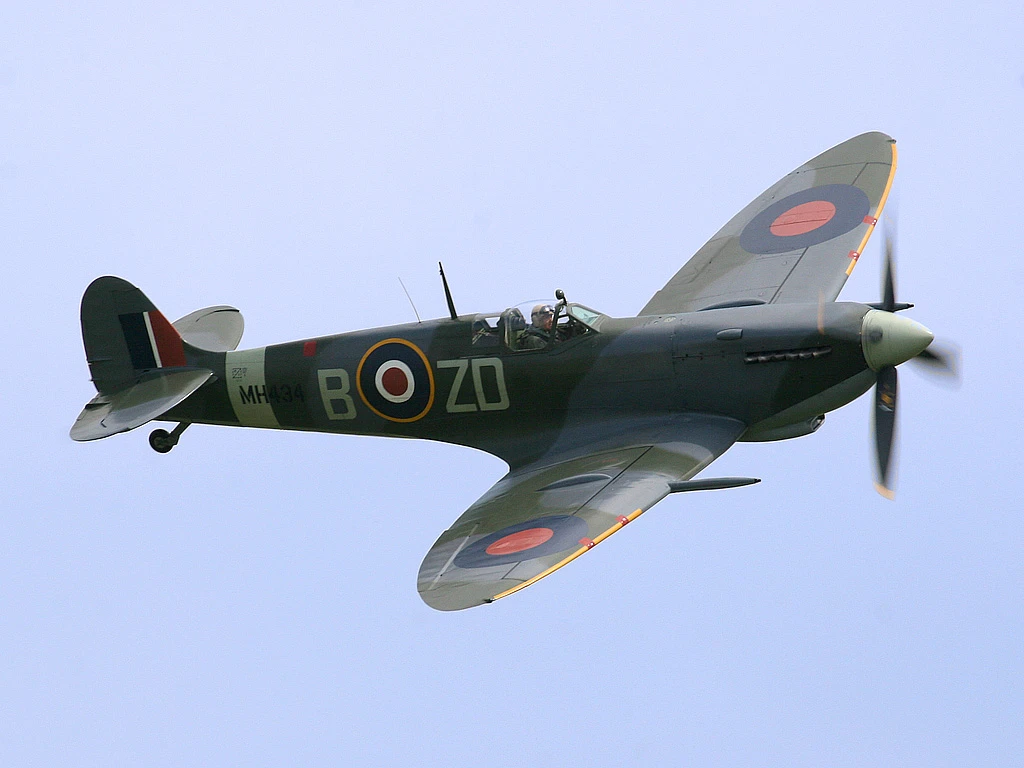
A Spitfire pilot's first combat
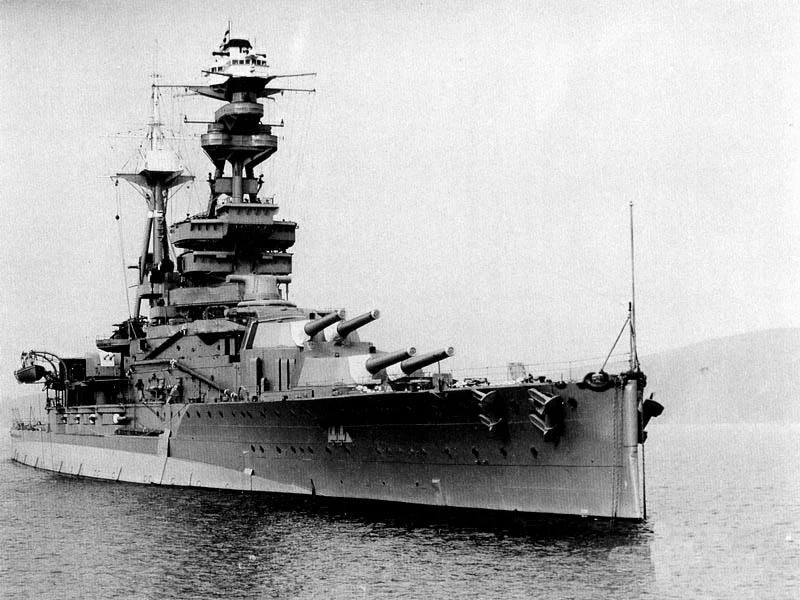
Royal Oak — Prien in Scapa Flow
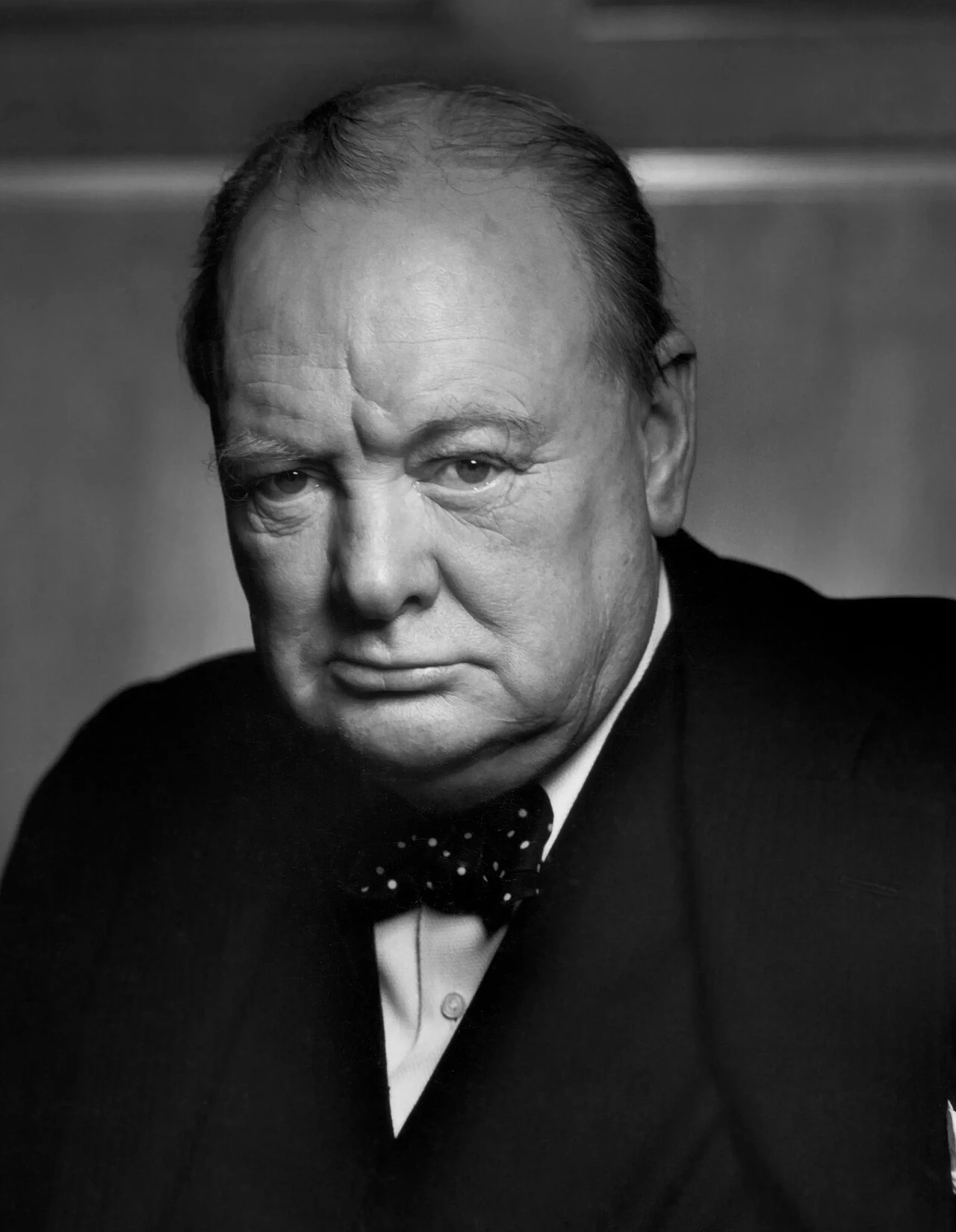
The Cabinet and Operation Catapult — 1 July
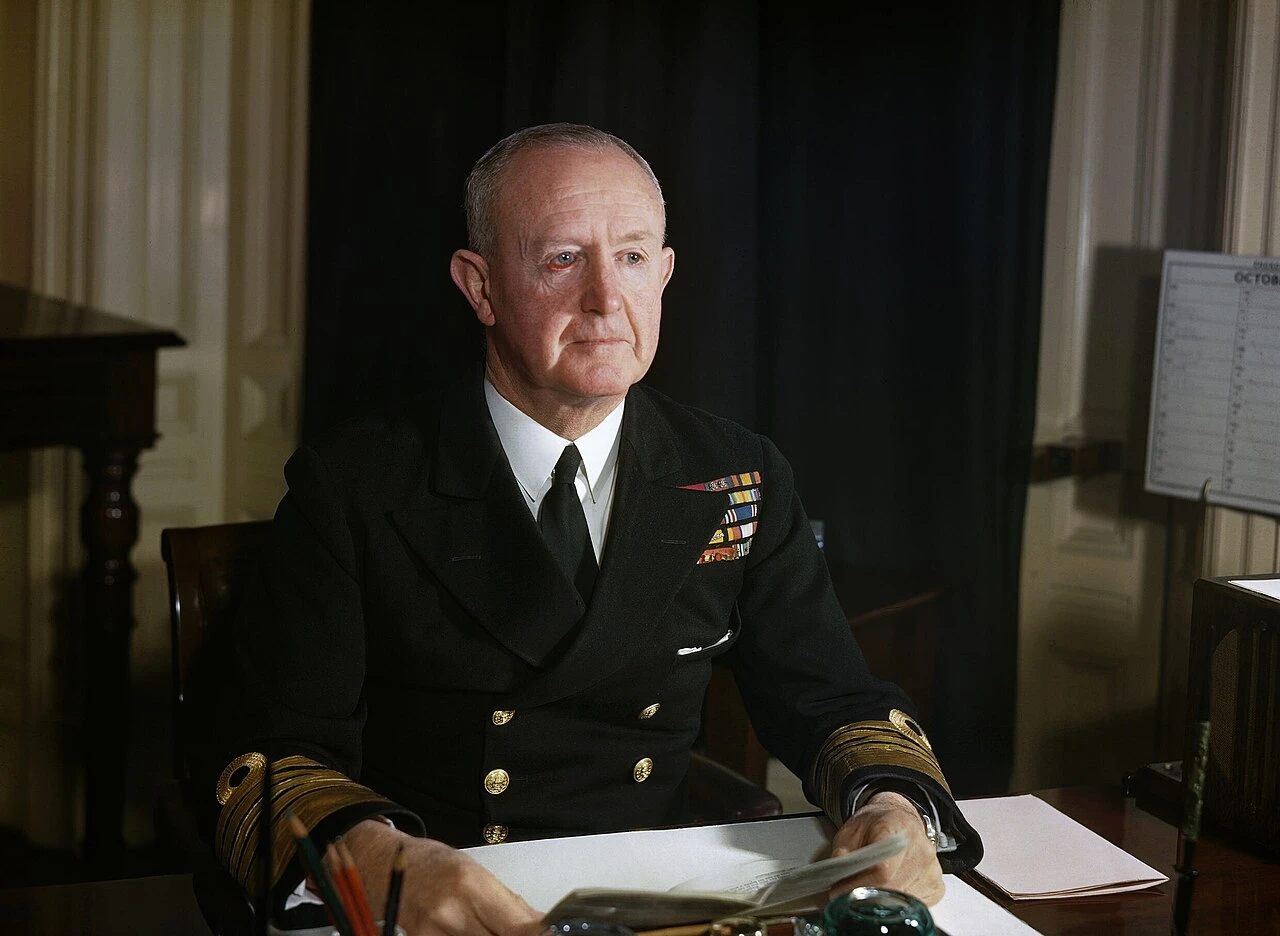
Excess: getting the convoy through under a new threat
The Hood against the Bismarck
Cape Matapan — Cunningham against Iachino
Fegen and the Jervis Bay — convoy HX-84
HMS Courageous — Makeig-Jones after the Torpedoes
HMS Daring in the Pentland Firth
HMS Rawalpindi — Kennedy at 3:47 p.m.
A Spitfire pilot's first combat
Royal Oak — Prien in Scapa Flow
The Cabinet and Operation Catapult — 1 July