
The invasion of the Netherlands goes badly for the defenders. German paratroopers take Waalhaven airfield on the morning of 10 May, Rotterdam is attacked, The Hague is the object of a plan to seize the government and the Queen — Operation Niwi under — which fails by a narrow margin thanks to the local garrison's defence on 12 May.
On the morning of 13 May 1940, the situation is hopeless for the Dutch. Queen Wilhelmina, 59, learns that Utrecht has fallen, that the Vesting Holland (Fortress Holland) can no longer hold. Urgent decision: where to go?
The British destroyer HMS Hereward has been moored at Hoek van Holland since 06:00. The initial plan calls for Wilhelmina to reach Zeeland, the southern province, to lead the Dutch resistance from there. But at 10:00, the Hereward's captain signals that with Stukas patrolling the area, the ship cannot make for Zeeland — only for Britain. Wilhelmina must choose before noon.
Should Wilhelmina accept passage to London?
Wilhelmina chooses B. At 10:45 on 13 May 1940, embarkation on HMS Hereward. Arrival at Harwich that evening. Transfer to London on 14 May. The Dutch government under Prime Minister follows the next day. At 18:00 on 14 May, Rotterdam is bombed by 90 He 111s of . At 19:25, the Dutch commander-in-chief orders capitulation. Balance: 2,200 military dead, 2,800 civilian dead, five days of fighting. Wilhelmina becomes the soul of the Dutch resistance in exile, with her regular broadcasts on Radio Oranje (BBC). She refuses to recognise the Reichskommissariat of , who runs the occupied Netherlands. De Geer is dismissed in September 1940 — he had been arguing for a negotiated peace; succeeds him and will remain Prime Minister in exile until 1945. Wilhelmina returns to The Hague in May 1945, abdicates in September 1948 in favour of Juliana, and dies in 1962.
Learn more about this event
Related polls
10
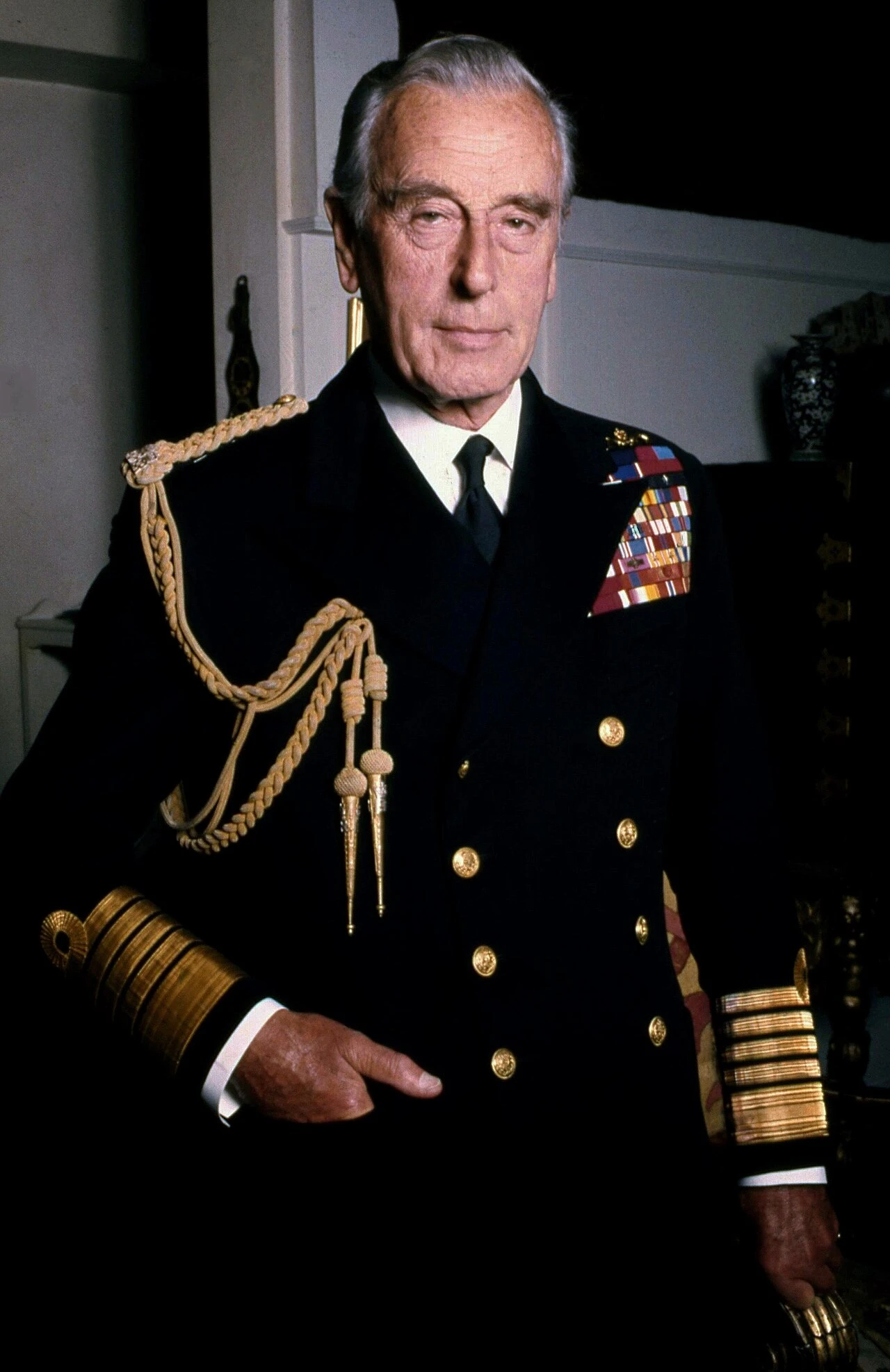
Queen Wilhelmine leaves for London
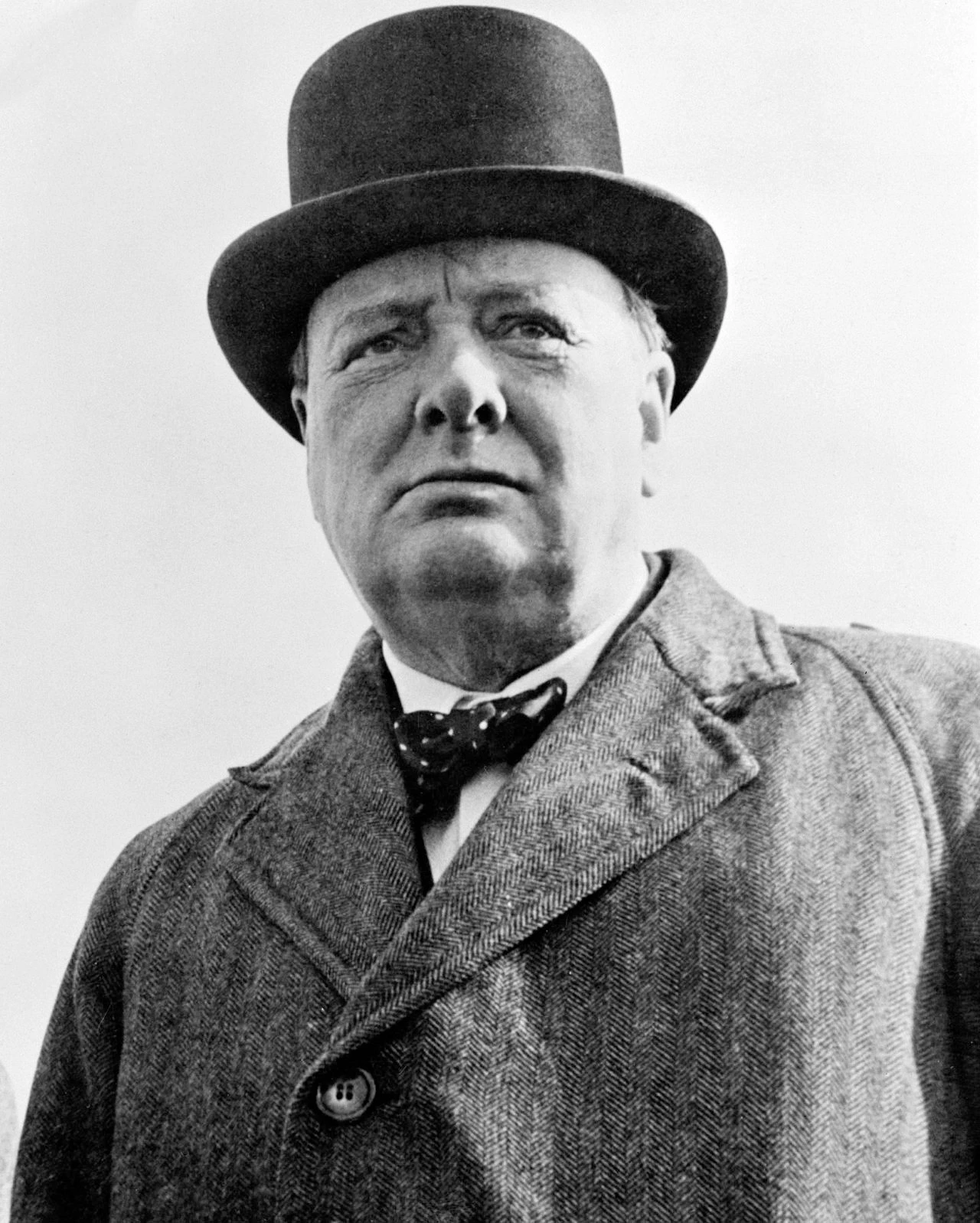
Churchill in power
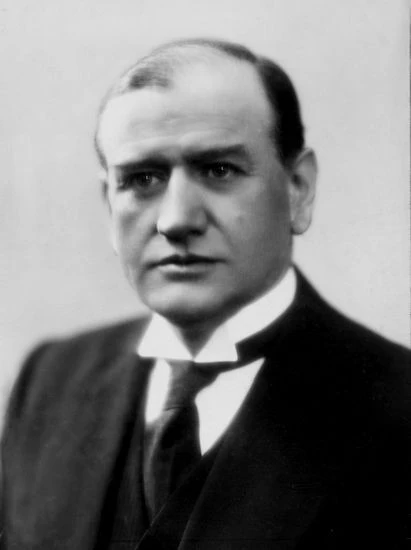
Daladier asked to leave the War Ministry
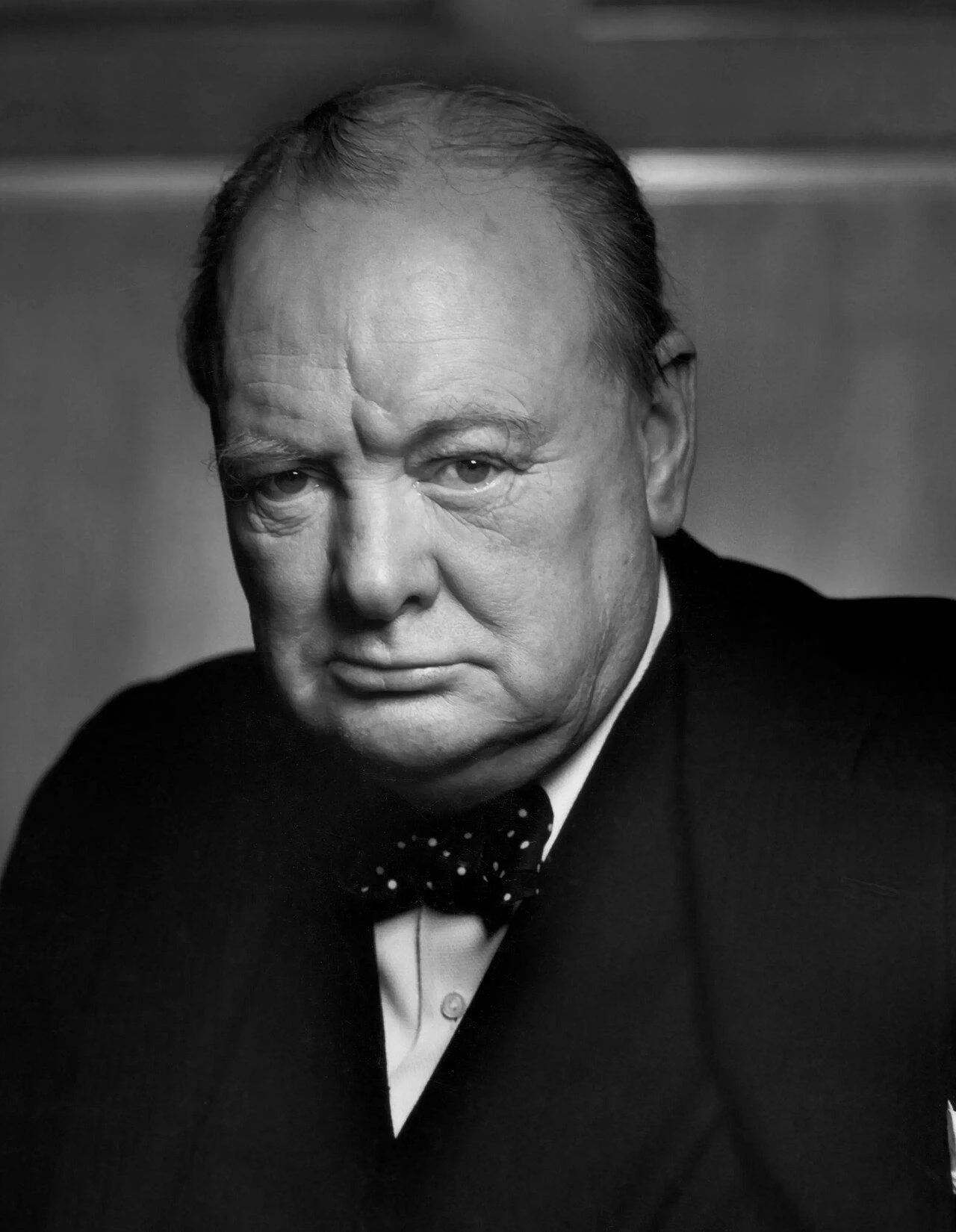
Halifax at the War Cabinet — 25 May 18:00
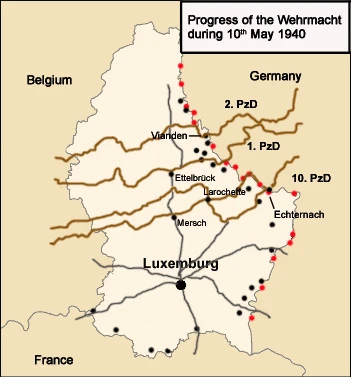
Luxembourg invaded
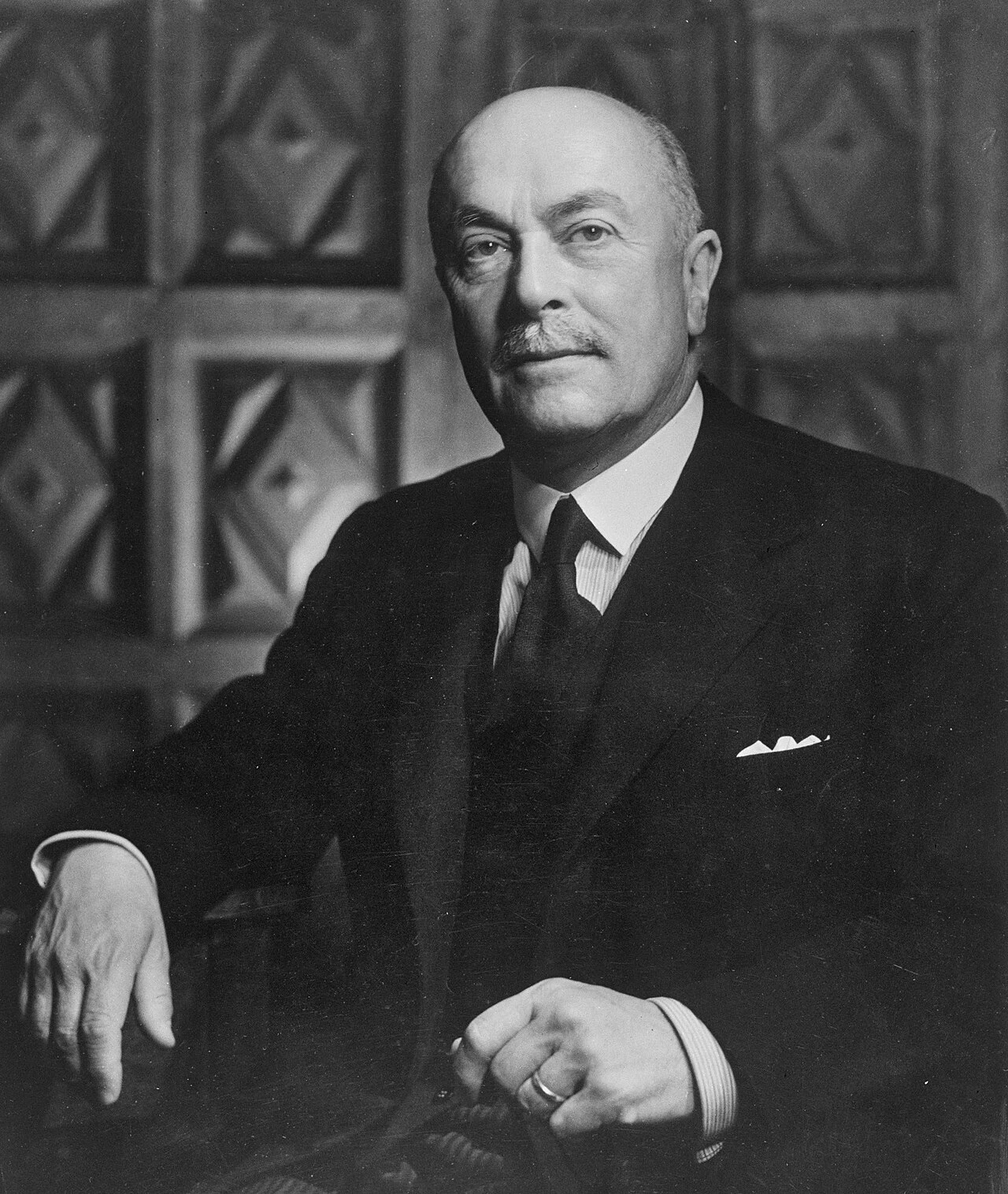
Pierlot at Limoges — from where to carry on?
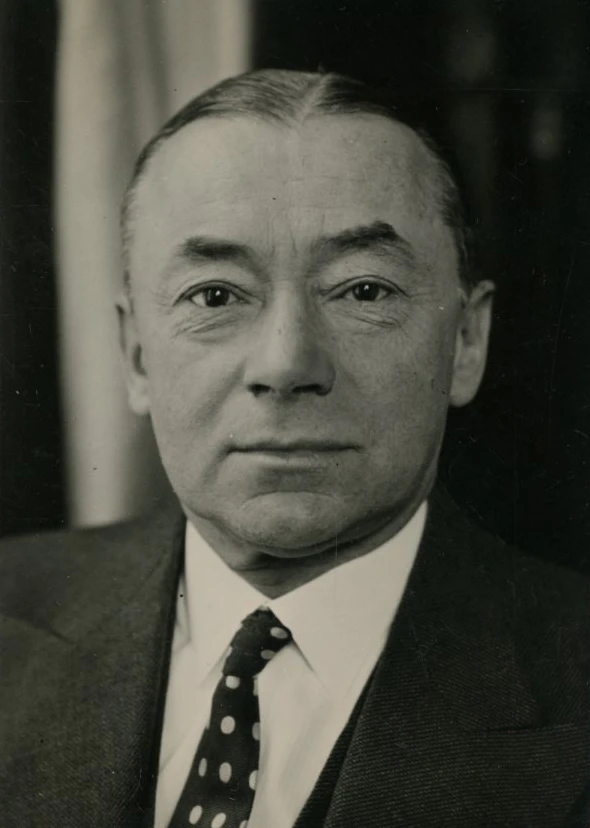
Reynaud in London — 26 May
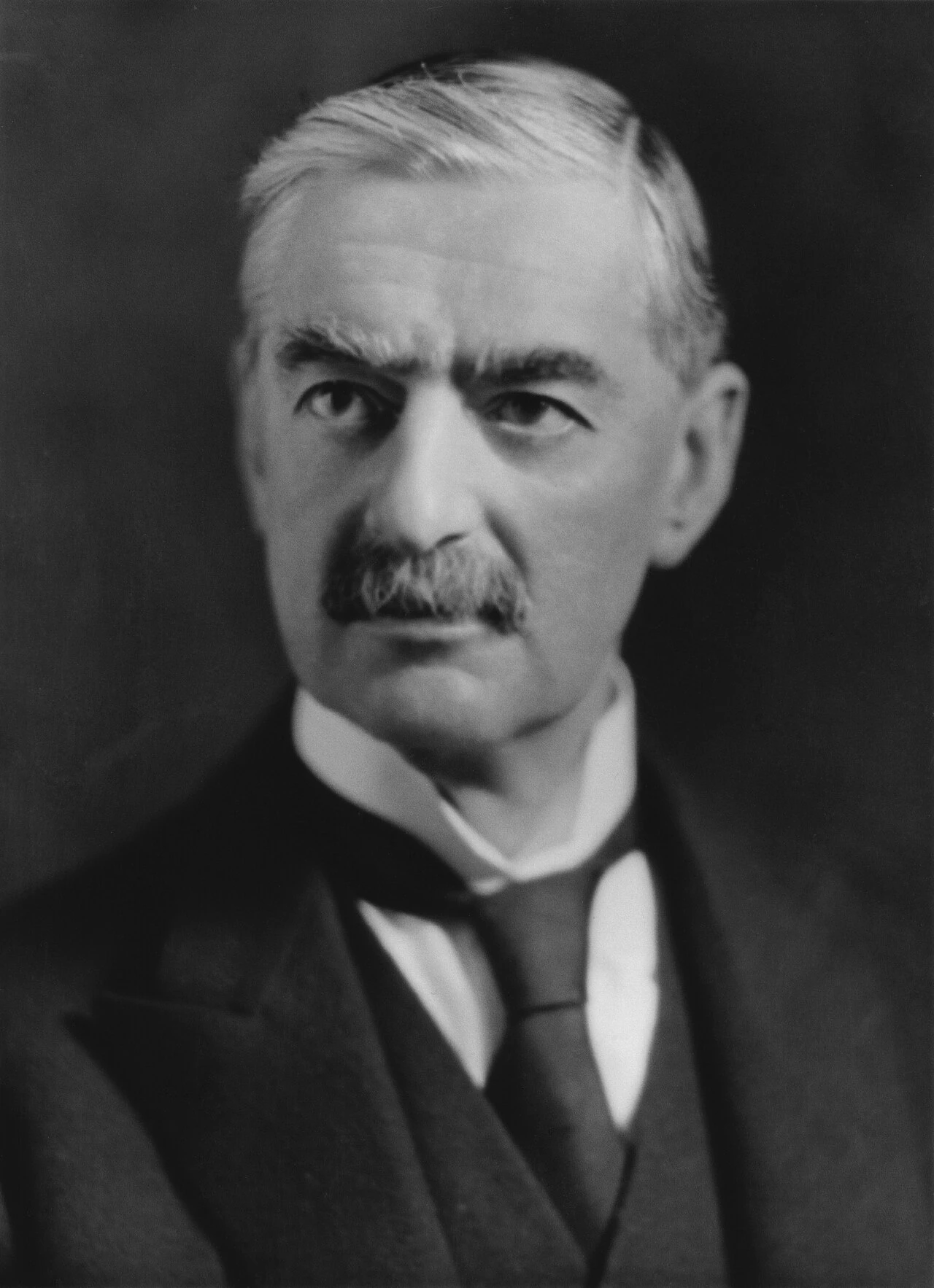
Chamberlain at Central Hall — 4 April
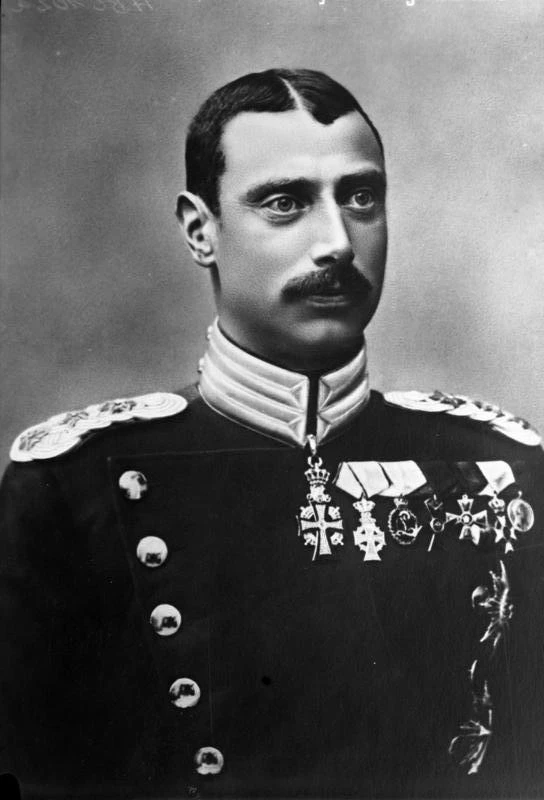
Christian X faces the ultimatum — 9 April
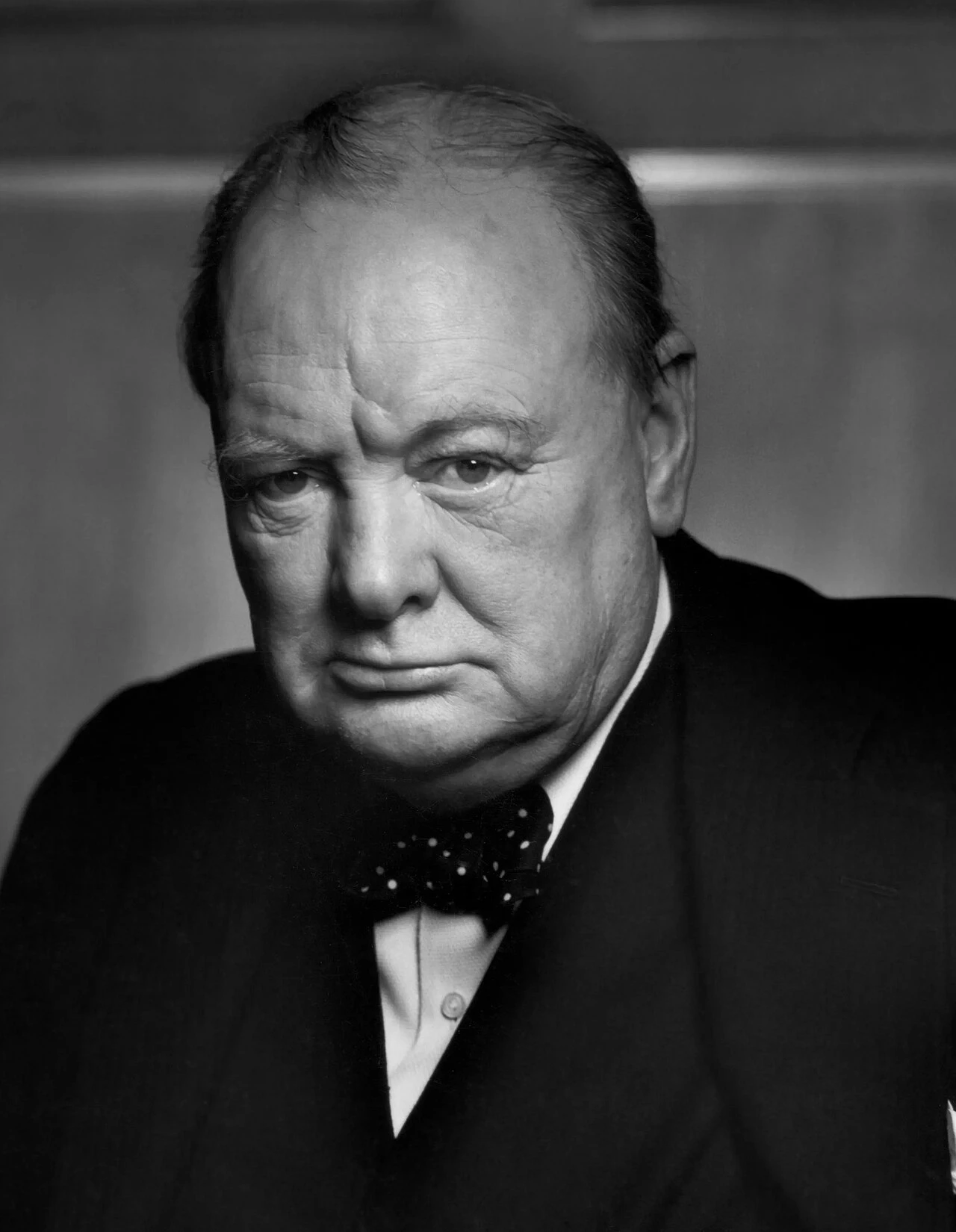
Churchill before the 25 ministers — 28 May 18:00
Queen Wilhelmine leaves for London
Churchill in power
Daladier asked to leave the War Ministry
Halifax at the War Cabinet — 25 May 18:00
Luxembourg invaded
Pierlot at Limoges — from where to carry on?
Reynaud in London — 26 May
Chamberlain at Central Hall — 4 April
Christian X faces the ultimatum — 9 April