
At midday on 17 June 1940, Marshal Pétain, Prime Minister since the previous evening, is about to address the French nation on the radio from Bordeaux. The armistice request was transmitted to Germany during the night, but no reply has yet come and no convention has been signed.
The problem is the exact wording. To speak of a mere "armistice negotiation" would be diplomatically correct: as long as nothing is signed, fighting must in theory continue to preserve negotiating positions. But Pétain, anxious to "spare French blood," hesitates over the firmness of the message, between a cautious formula and an unambiguous announcement.
The choice of terms is not trivial: hundreds of thousands of soldiers are listening, and the slightest ambiguity about the halt to fighting can trigger premature surrenders while no armistice is yet concluded. De Gaulle will hear the speech just as he arrives in London. Which formula should he use?
What formula should Pétain use in his address?
Pétain chooses A: "It is with a heavy heart that I say to you today that we must cease the fighting." The formula, uttered when no armistice has been signed, has devastating effects: units lay down their arms by the thousand, believing the war over, and the number of prisoners swells needlessly in the days that follow. Five days will pass before the signing at Rethondes (22 June) and the entry into force of the ceasefire (25 June). The speech of 17 June marks the beginning of "Maréchalisme" and the legend of a Pétain "making the gift of his person to France." De Gaulle will reply the next day, opposing to "cease the fighting" the idea that "nothing is lost."
Learn more about this event
Related polls
10
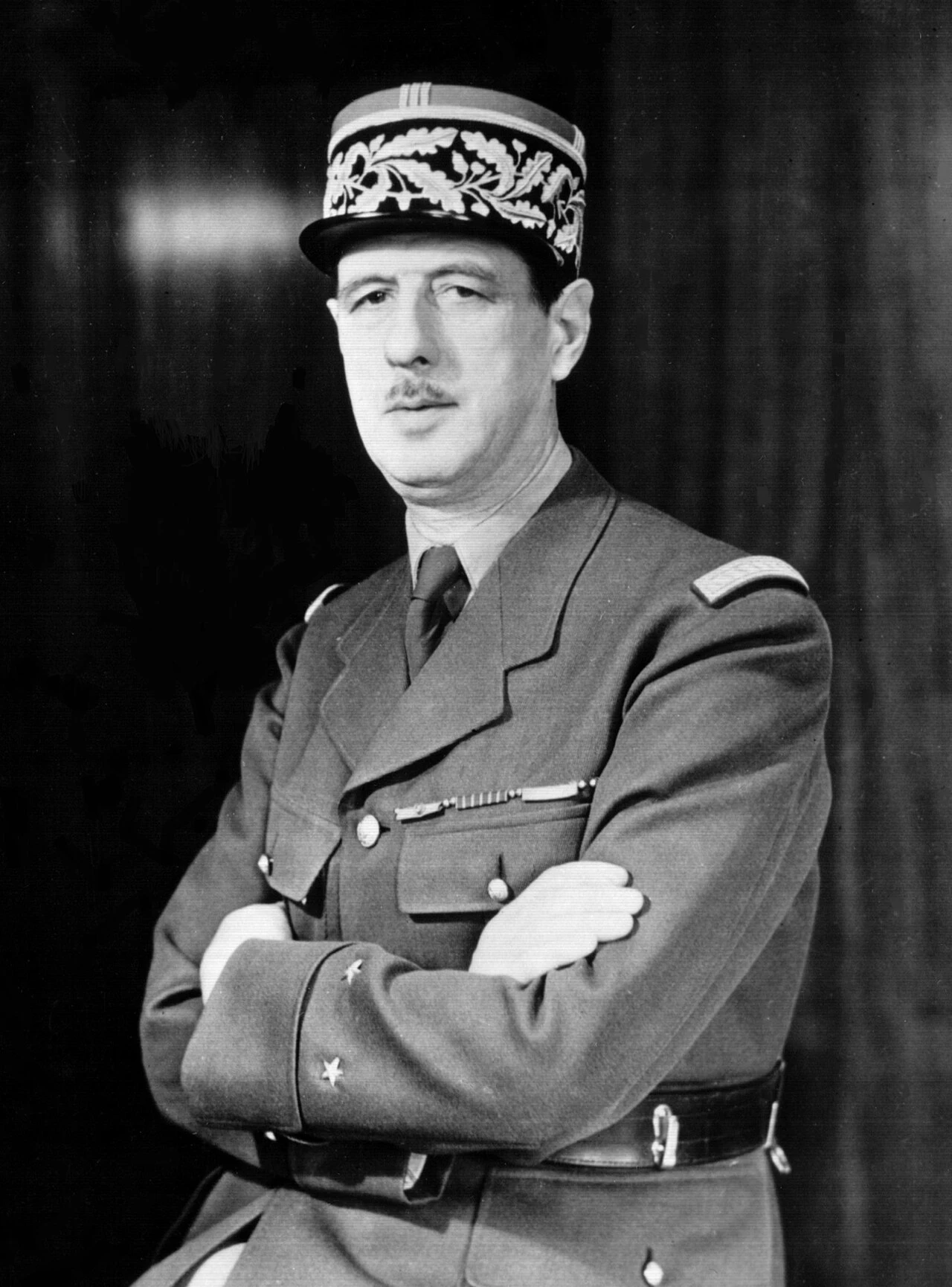
De Gaulle joins the government — 5 June
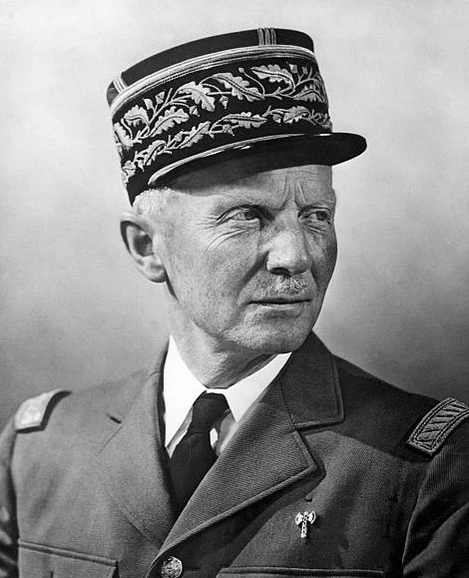
Huntziger in Foch's Carriage — 22 June
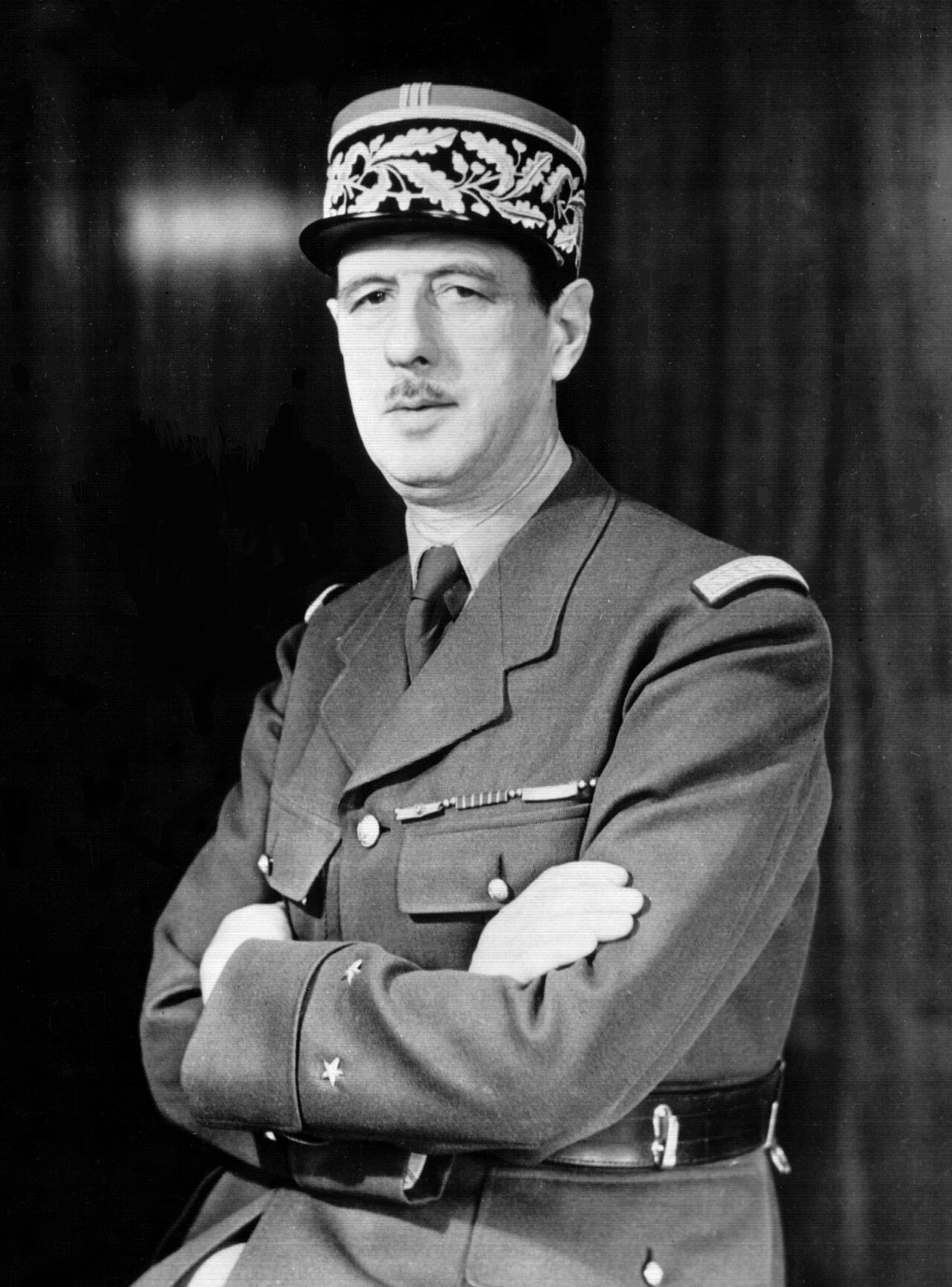
Mérignac — de Gaulle and Spears's aircraft
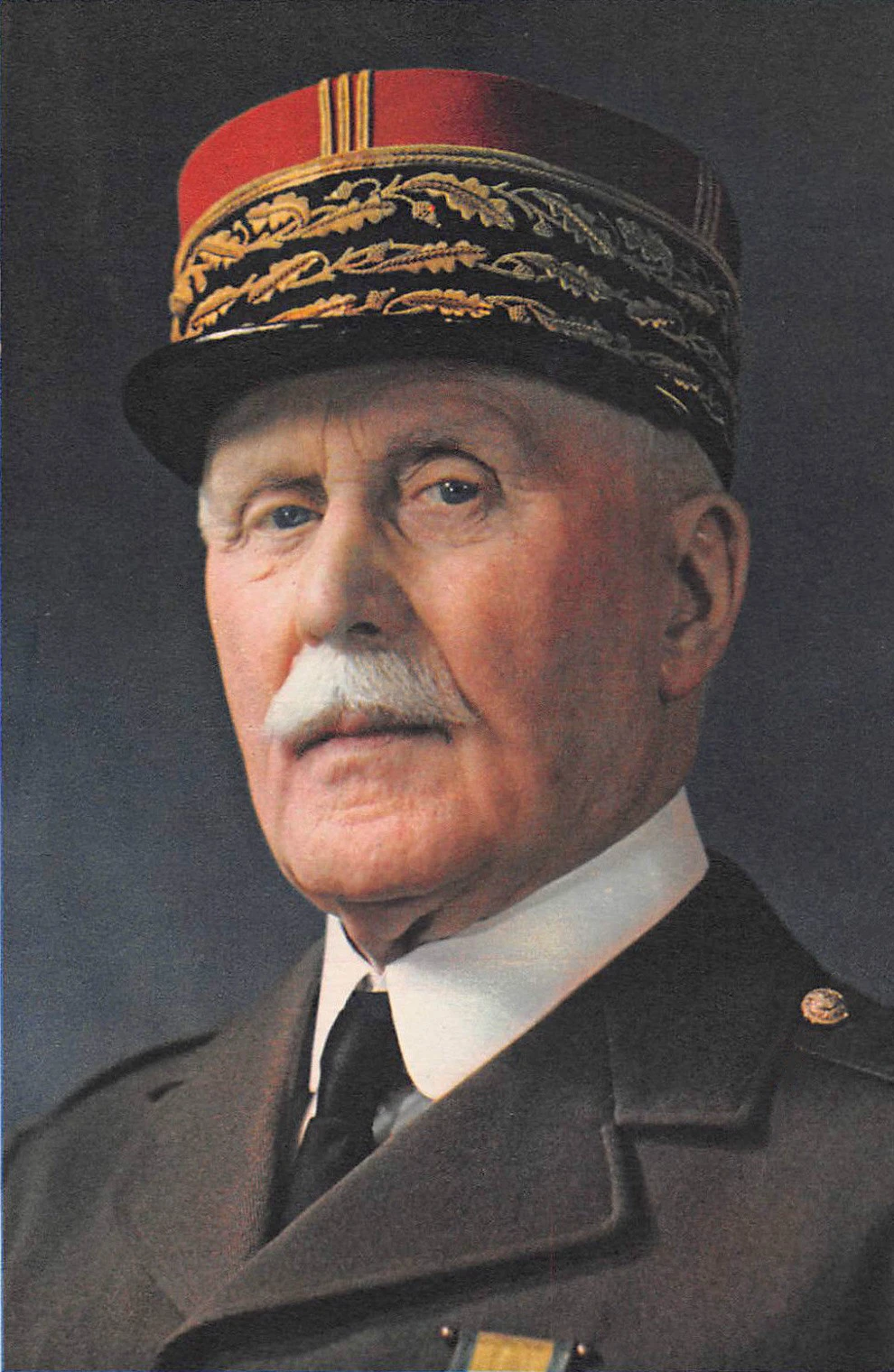
Pétain forms his government — 16 June, 23:00
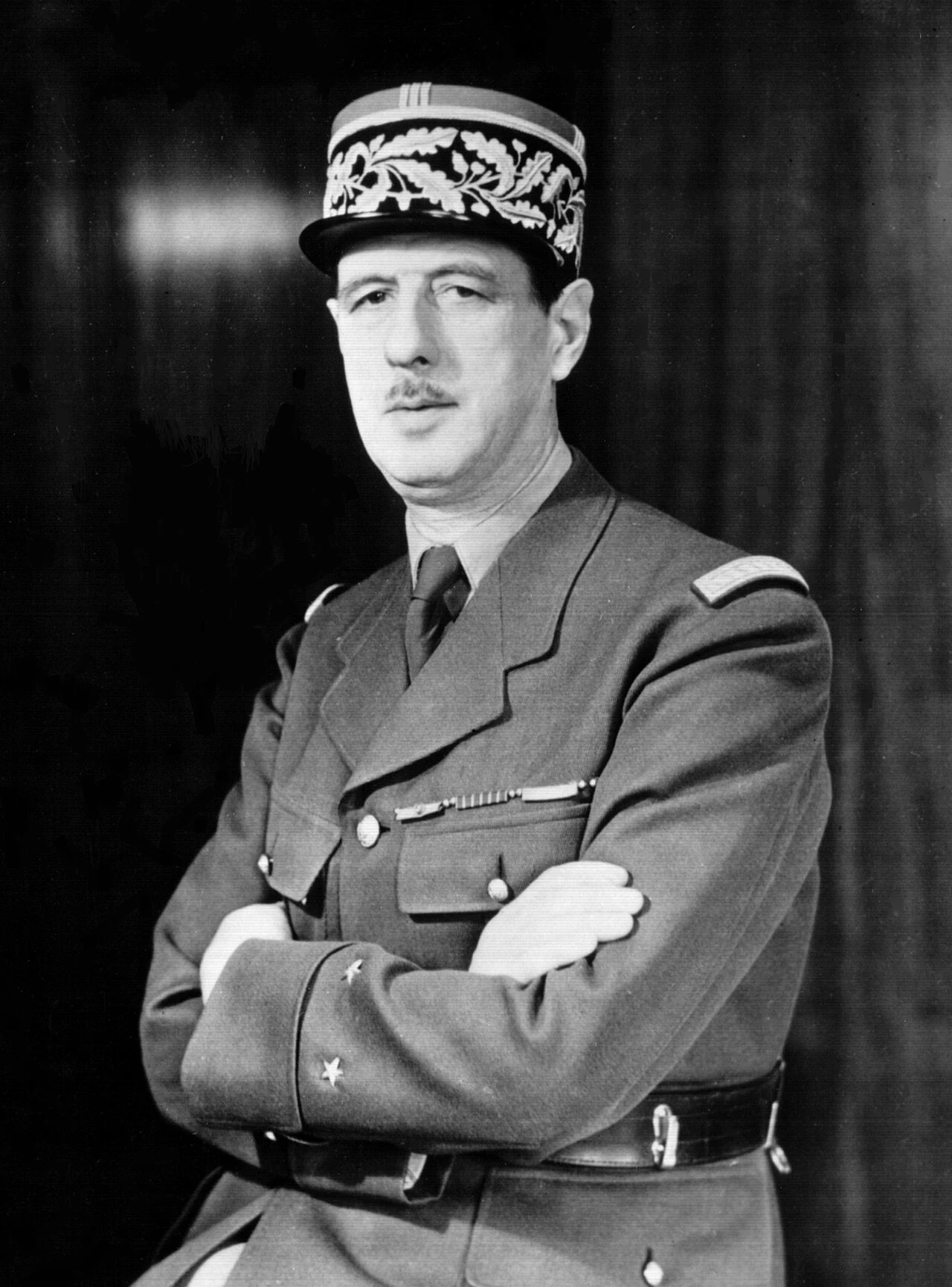
The Franco-British union — 16 June
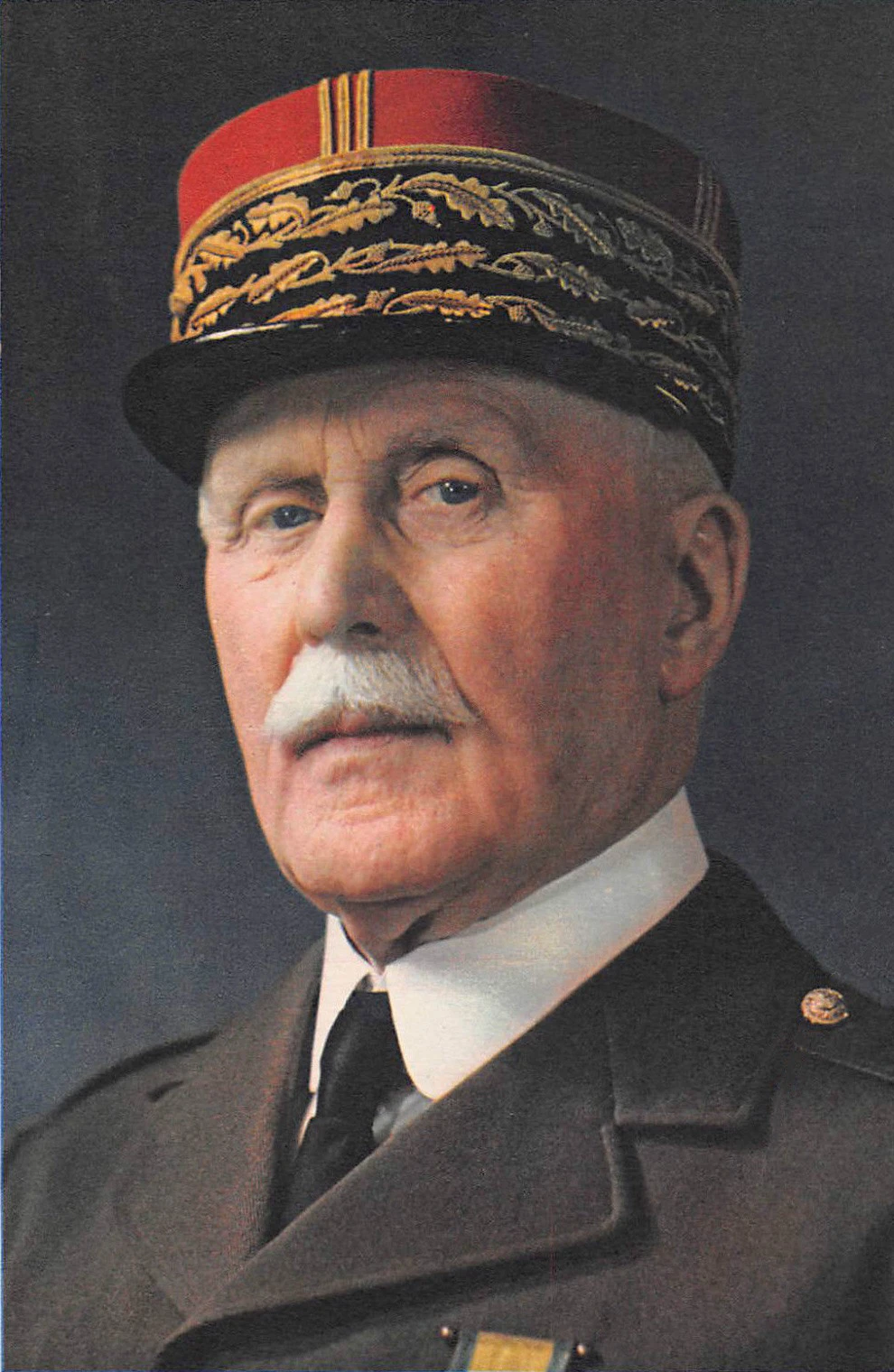
The hero of Verdun recalled from Madrid
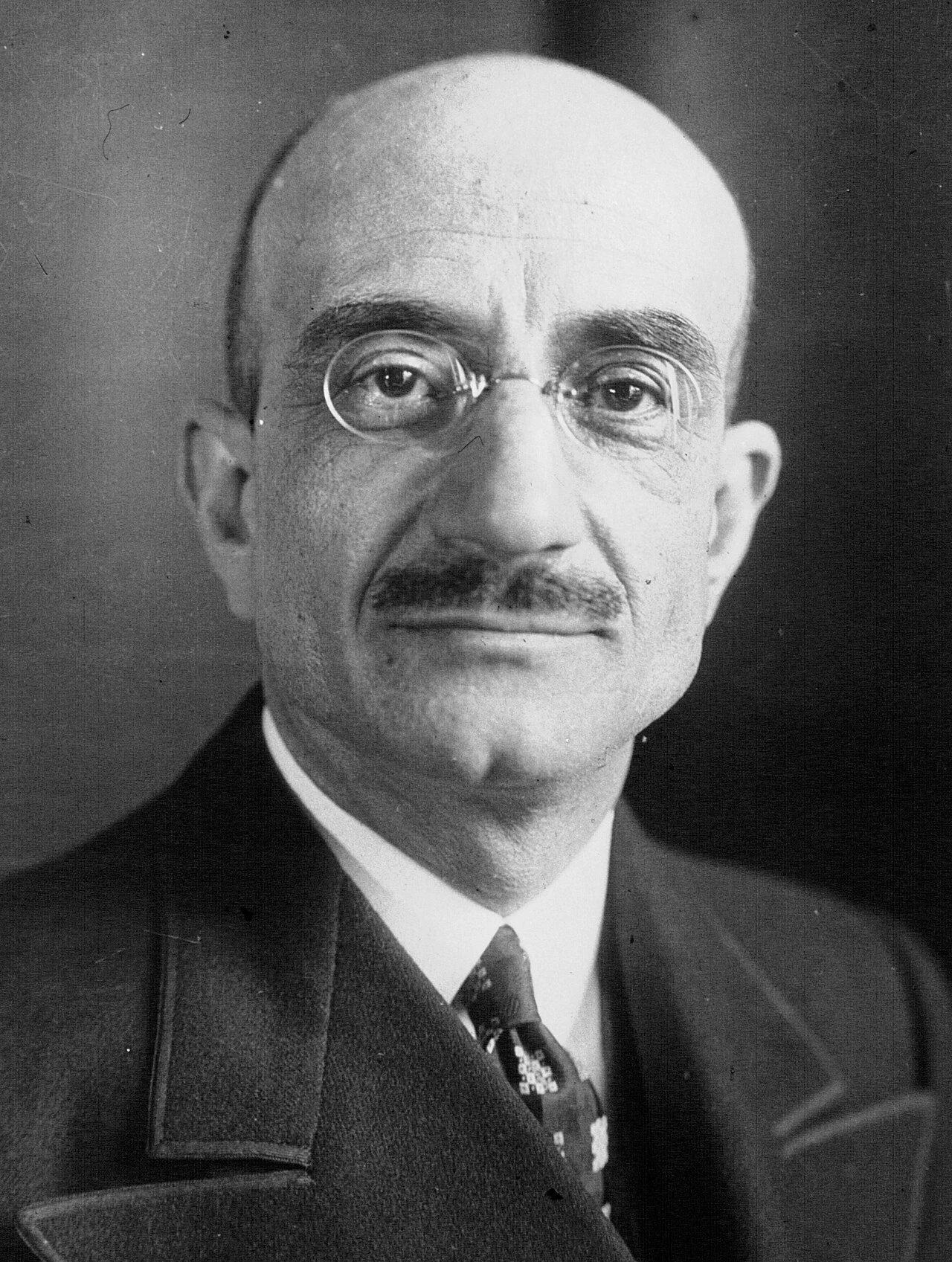
Langeron — Prefecture of Police, 14 June
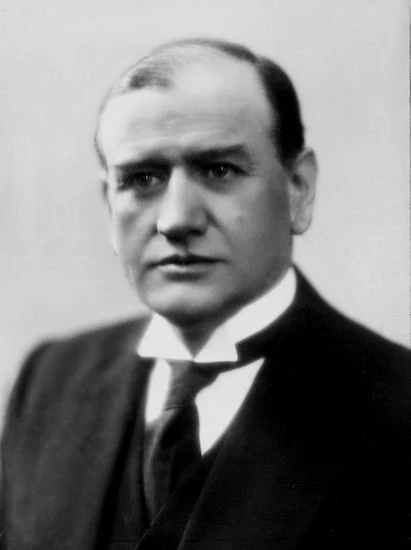
The Massilia — Bordeaux 21 June
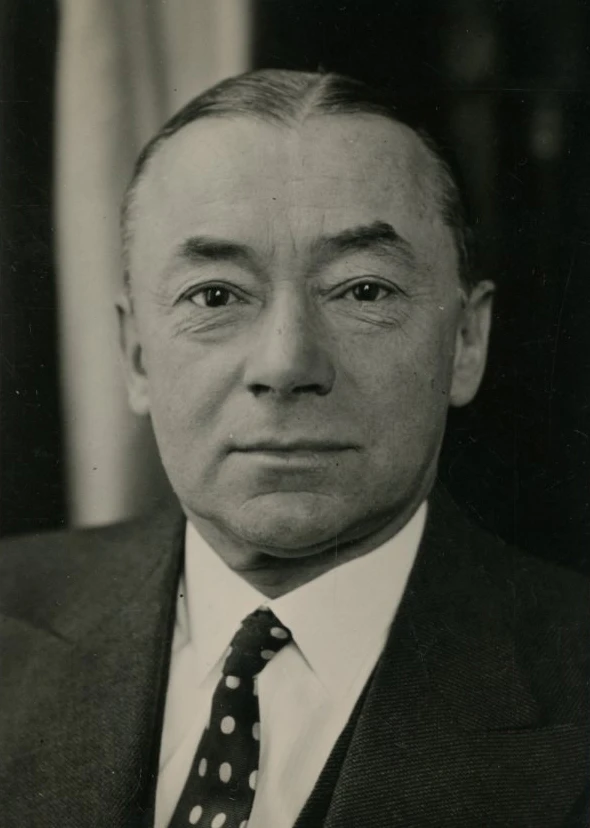
Reynaud faces the Council — Bordeaux, 16 June, 22:00
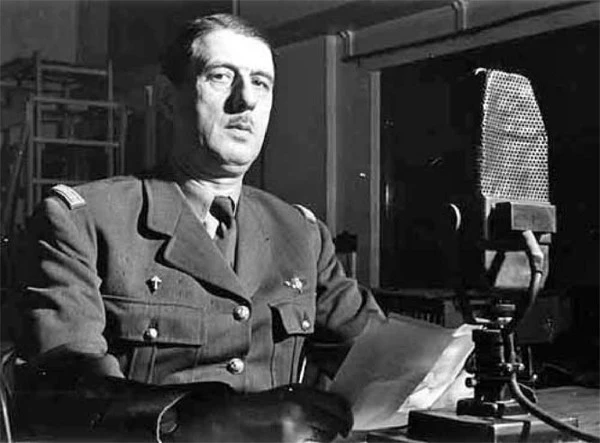
The Appeal of 18 June
De Gaulle joins the government — 5 June
Huntziger in Foch's Carriage — 22 June
Mérignac — de Gaulle and Spears's aircraft
Pétain forms his government — 16 June, 23:00
The Franco-British union — 16 June
The hero of Verdun recalled from Madrid
Langeron — Prefecture of Police, 14 June
The Massilia — Bordeaux 21 June
Reynaud faces the Council — Bordeaux, 16 June, 22:00