
Although neutral, Belgium had mobilised its army as early as the autumn of 1939 — around 600,000 men — to guard its borders against the German threat as well as, in theory, the French one. During the winter of 1939–1940, one of the harshest of the century, these soldiers stood guard, built fortifications and trained, awaiting an attack that never came.
For you, the Belgian soldier, the prolonged mobilisation was a test of moral endurance. To keep up your vigilance and training, ready to parry a surprise attack at any moment. To settle into the routine of waiting, at the risk of slackening, like so many comrades. Or to worry about the cost of this mobilisation (an economy at a standstill, families deprived of their men) and to hope for demobilisation.
Belgian neutrality forbade any open coordination with the Allies, and the country lived in uncertainty: would the attack come, and from where? The wear of waiting, the cold and the boredom weighed on morale, while the threat, very real, became more definite after the Mechelen incident of January 1940.
Should our mobilised soldier maintain maximum vigilance, settle into routine, or hope for demobilisation?
As everywhere during the Phoney War, routine (B) gained ground, despite the efforts to maintain vigilance (A): the Belgian army spent the winter of 1939–1940 mobilised at its borders, amid the cold and the waiting, building positions (the KW Line) and training, but worn down by months without fighting. Maintaining such an army weighed heavily on the economy of a small neutral country, which even prompted partial demobilisations. When the attack finally came, on 10 May 1940, the Belgian army fought courageously for eighteen days — but the wear of the long wait, as on the French side, and the surprise effect of German methods told. Neutral waiting had not been enough to prepare for lightning war.
Learn more about this event
Related polls
10
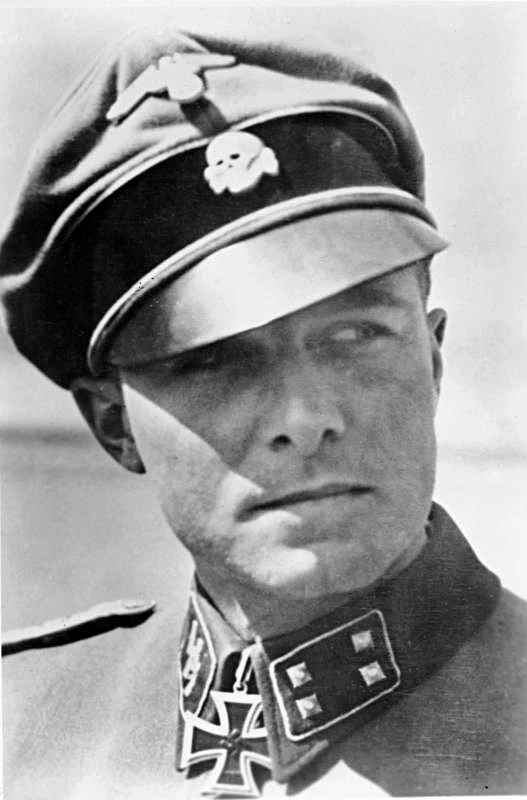
The return of the demobilised soldier
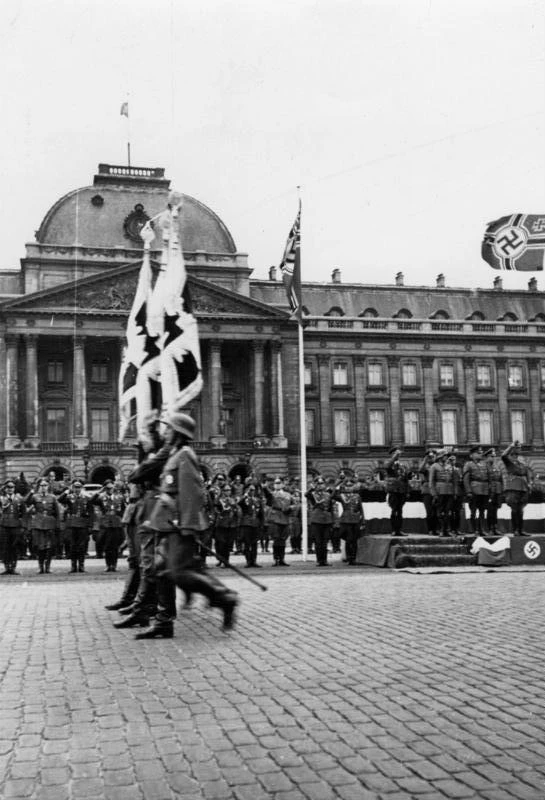
The Isolated Soldier after the Capitulation
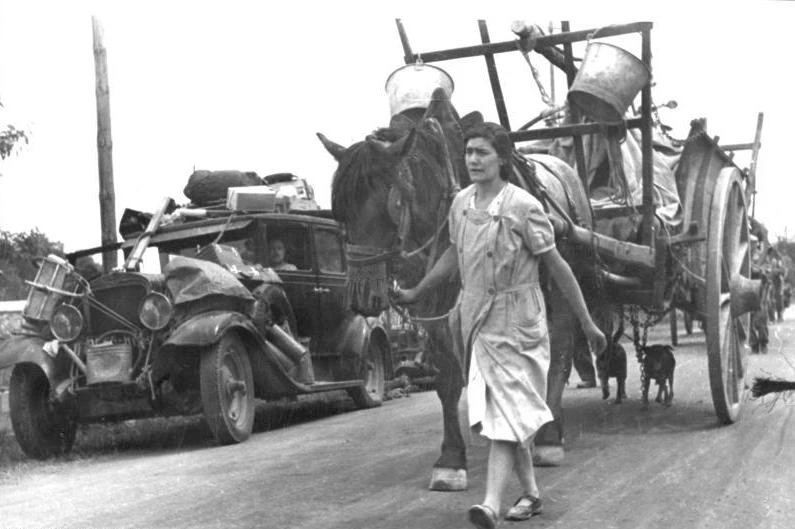
The exodus — flee or stay
The great winter at the front
Morale on the home front
The Press under German Control
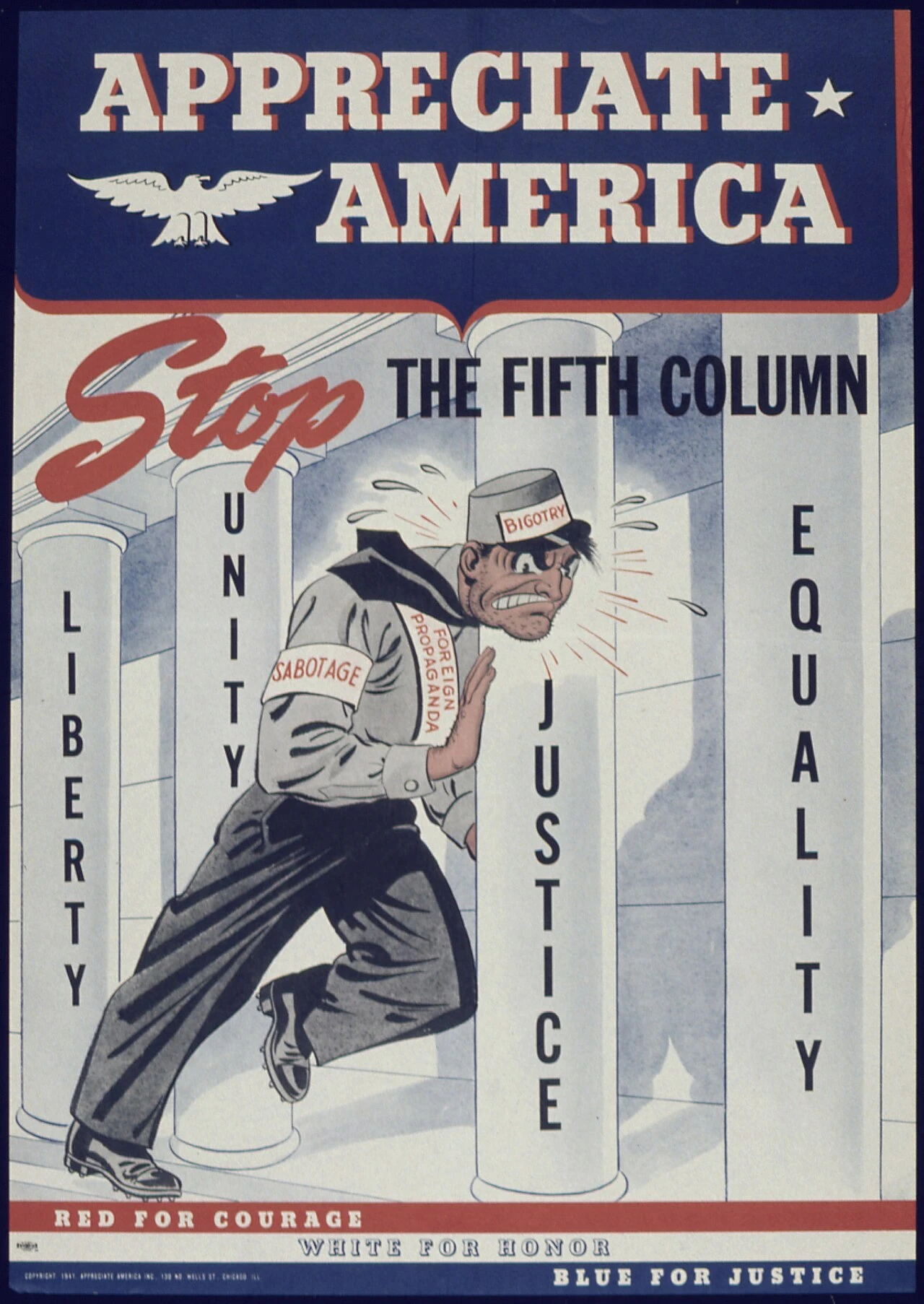
The fifth-column psychosis
Winter rationing
Going back to work under the occupier
The return from the exodus
The return of the demobilised soldier
The Isolated Soldier after the Capitulation
The exodus — flee or stay
The great winter at the front
Morale on the home front
The Press under German Control
The fifth-column psychosis
Winter rationing
Going back to work under the occupier