
Illustrious under the Stukas
Since the Taranto raid in November 1940, the carrier HMS Illustrious has become the most valuable — and most hunted — ship in Britain's Mediterranean Fleet. She is escorting a vital convoy to Malta when, on 10 January 1941, the balance shifts brutally: , the German anti-shipping specialist formation, has just arrived in Sicily with its Junkers 87 (Stuka) dive bombers.
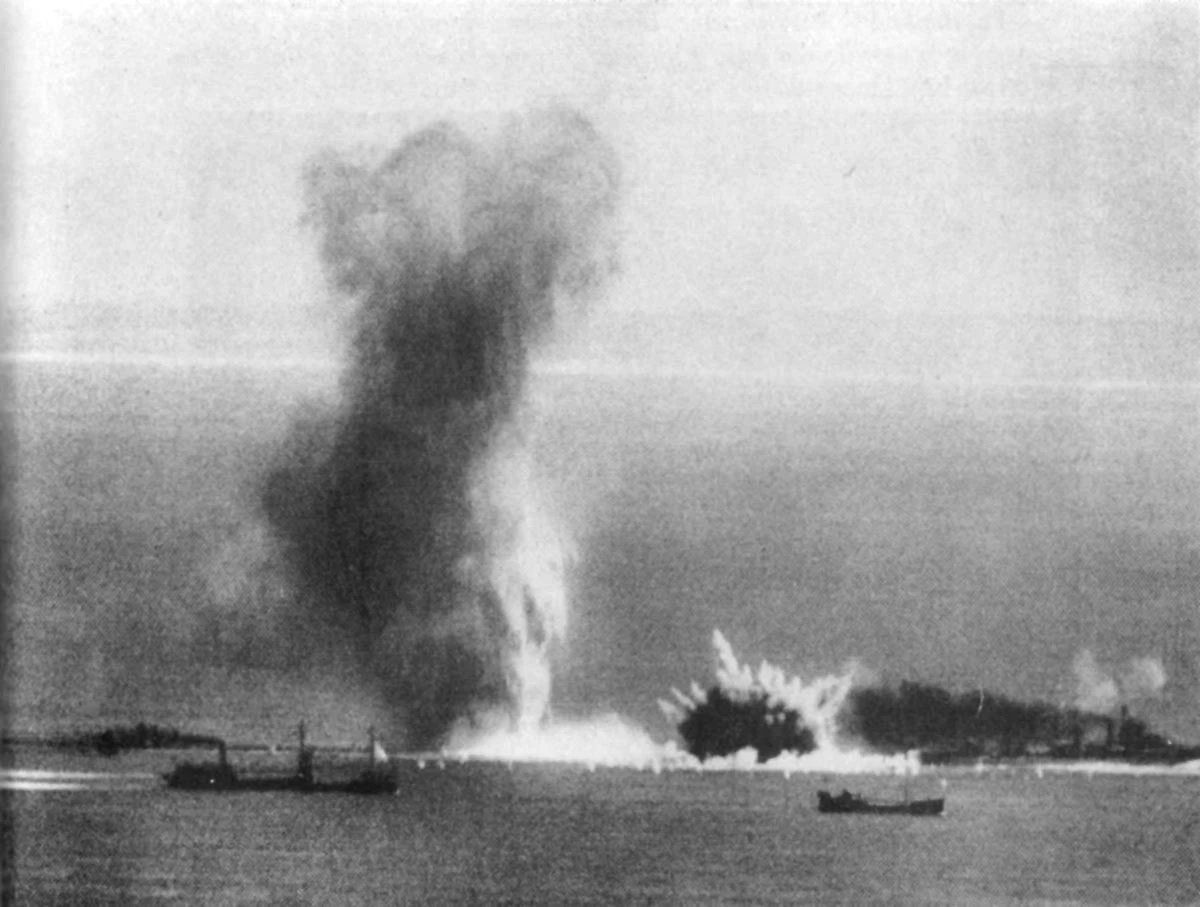
The Germans have prepared the attack with care, even training on dummy targets. On the 10th, Italian aircraft first draw Illustrious's fighters down to low altitude; then some fifty Stukas dive on the carrier, now stripped of her air cover. In minutes the ship takes six bomb hits, her flight deck torn open, fires raging on board, more than a hundred sailors killed.
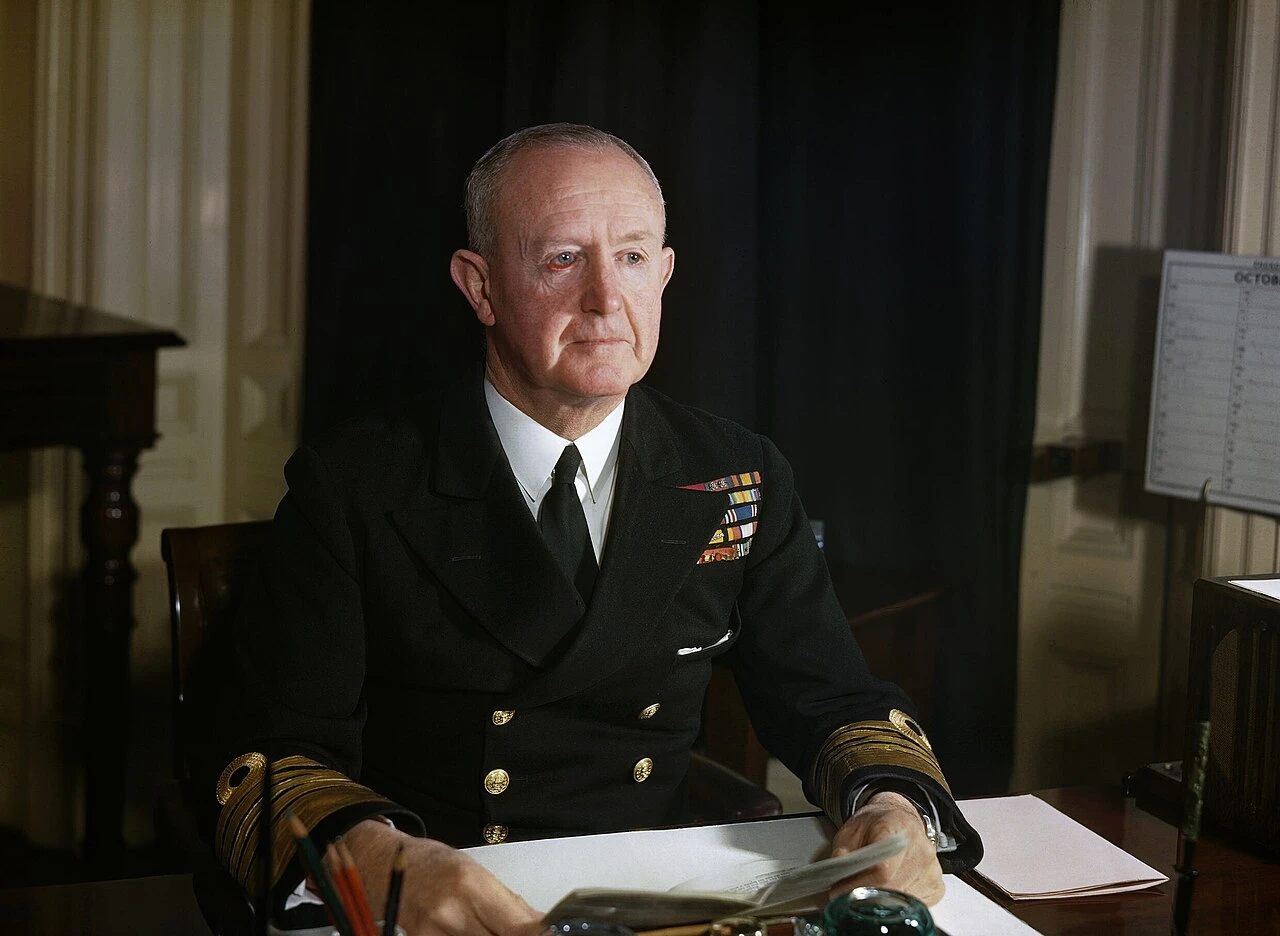
Captain must decide what to do with a gravely damaged ship, under bombs, in the open sea: try to reach distant Malta to be repaired there under attack; turn out to sea toward Alexandria; or order abandonment if he judges her lost.
What should Boyd do with the gravely damaged Illustrious?
Boyd chose A: despite the damage and renewed attacks, Illustrious made the Grand Harbour at Valletta, Malta, on the evening of 10 January. The Stukas hounded her at her moorings in the days that followed — the 'Illustrious Blitz' — but the engineers managed to make her fit to sail; she reached Alexandria and then the United States for full repairs. The episode changed strategy in the Mediterranean: the arrival of the Luftwaffe deprived the British of the supremacy won at Taranto and opened Malta's long ordeal. Boyd himself would go on to senior posts in naval aviation. The attack demonstrated the vulnerability of surface ships to determined and well-trained air power.
Learn more about this event
Related polls
10
Excess: getting the convoy through under a new threat
The Kanalkampf — withdraw the destroyers?
Taranto: The Italian Fleet at Anchor Under the Aerial Threat
Boisson Faces the Squadron — Dakar, 23 September 1940
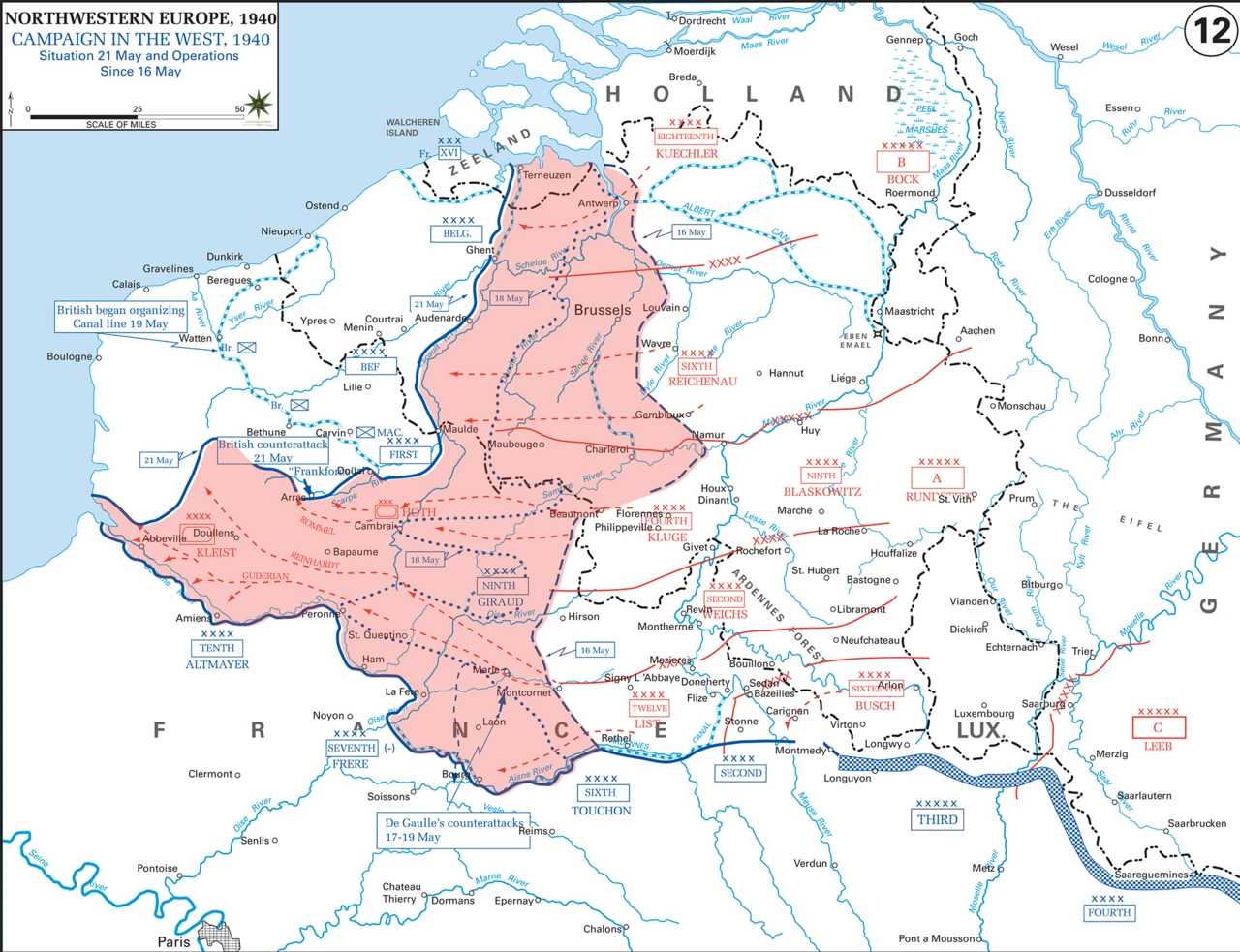
Boulogne — Fox-Pitt and the Guards facing the port
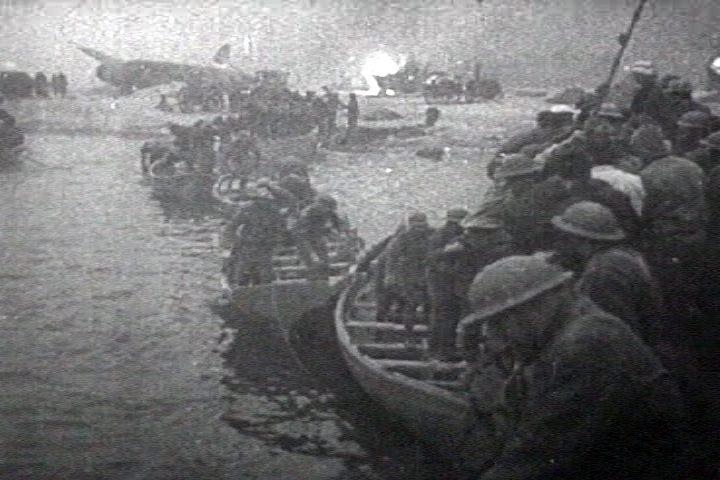
Dunkirk — Tennant and the devastated port
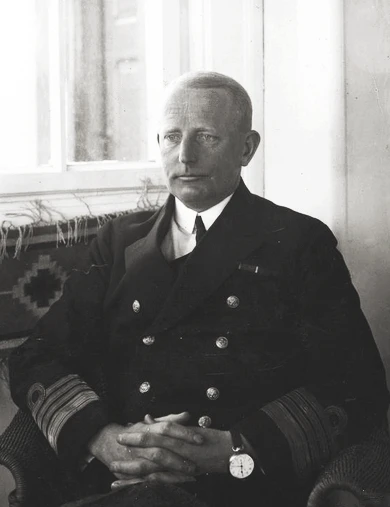
Hel — Unrug faces the German envoy
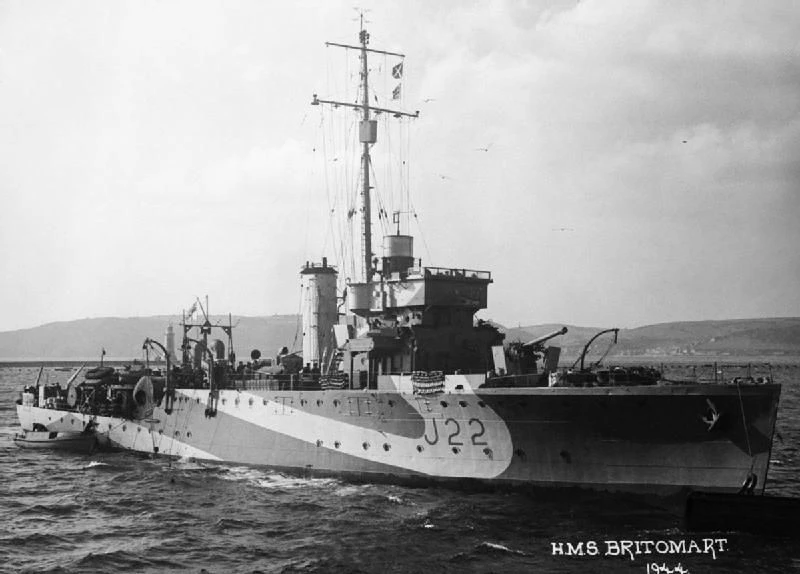
HMS Sphinx at Kinnaird Head
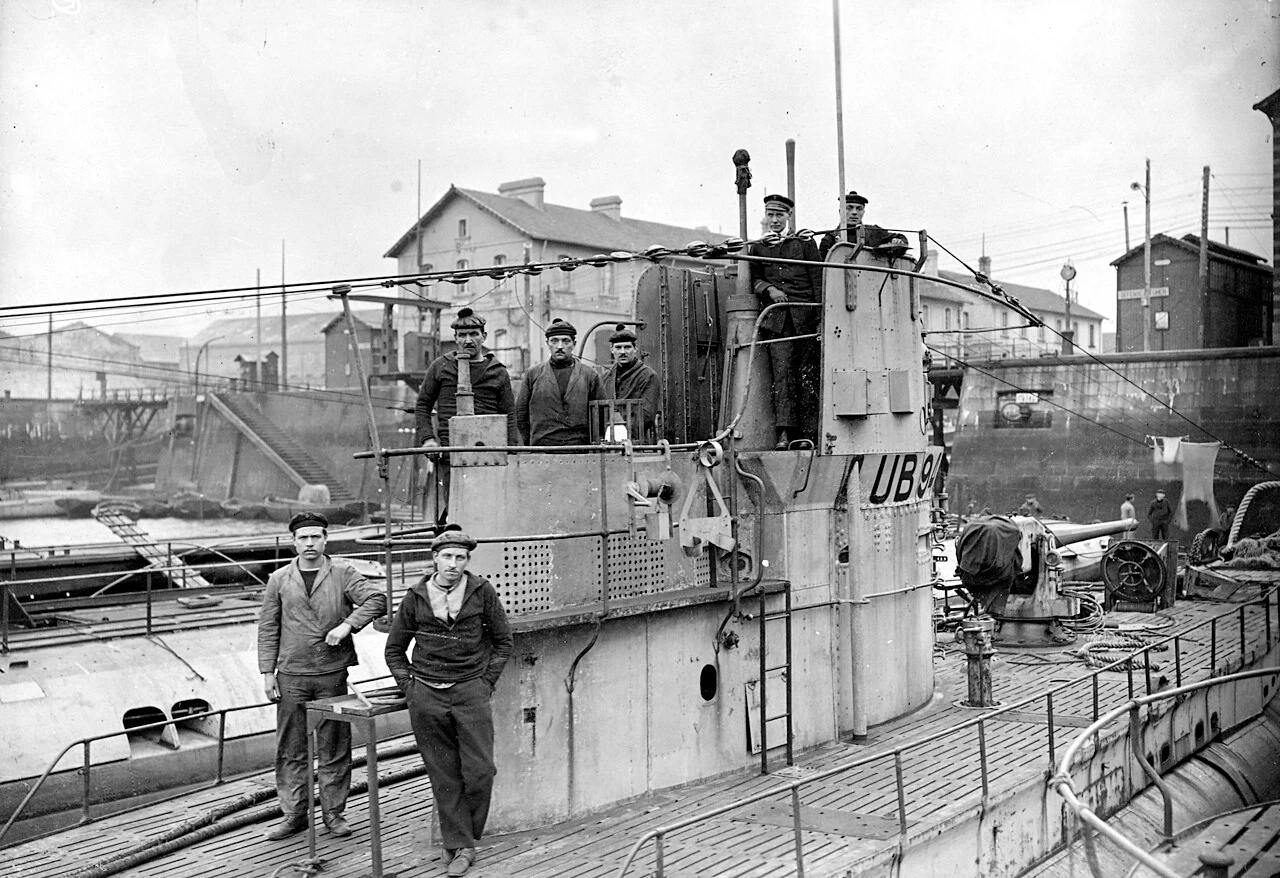
The Cherbourg arsenal in the face of Rommel
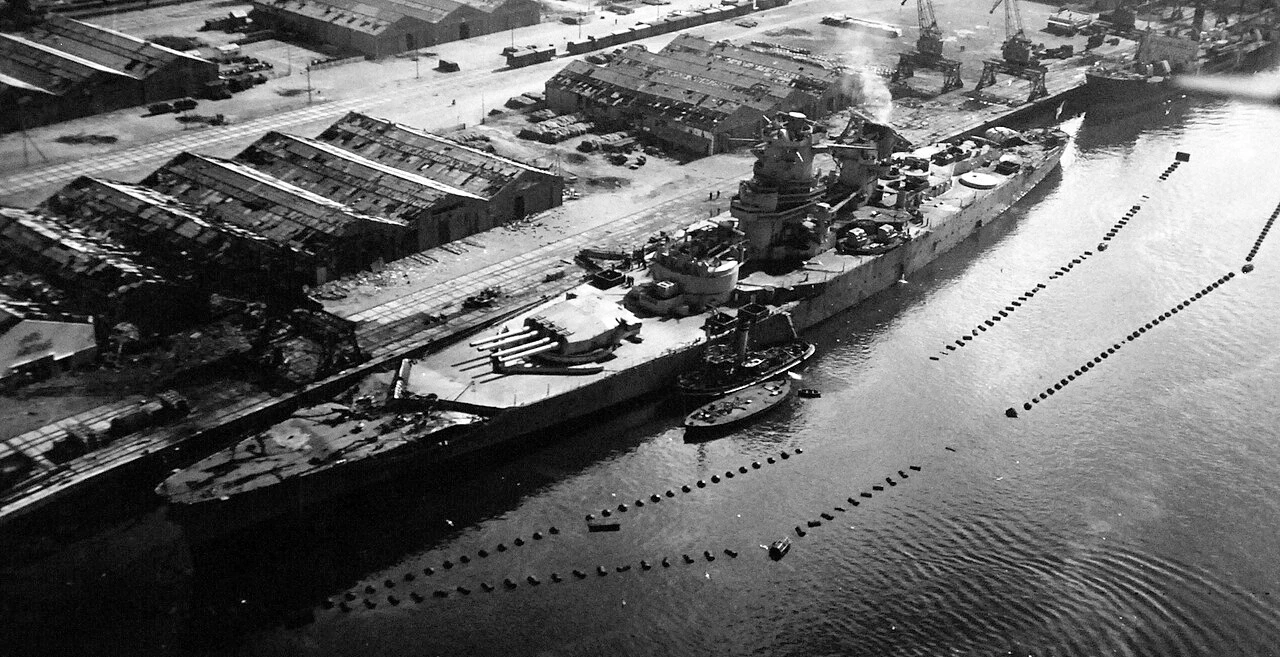
The Unfinished Battleship of Saint-Nazaire
Excess: getting the convoy through under a new threat
The Kanalkampf — withdraw the destroyers?
Taranto: The Italian Fleet at Anchor Under the Aerial Threat
Boisson Faces the Squadron — Dakar, 23 September 1940
Boulogne — Fox-Pitt and the Guards facing the port
Dunkirk — Tennant and the devastated port
Hel — Unrug faces the German envoy
HMS Sphinx at Kinnaird Head
The Cherbourg arsenal in the face of Rommel