
Cretan villagers against the paratroopers — 20 May 1941
Crete has a long tradition of insular identity and defiance. Under Ottoman rule, the island waged its own guerrilla war for independence, almost separately from mainland Greece. In the 1930s it was overwhelmingly republican: the only serious revolt against the dictator Metaxas, in 1938, began in Crete.
On 20 May 1941, Germany launched Operation Mercury (Unternehmen Merkur), the largest airborne assault in history to that point. Thousands of paratroopers — the Fallschirmjäger — dropped onto the airfields of Maleme, Chania, Rethymno and Heraklion. The German briefing had assured the men that the Cretans would 'welcome' them favourably.
But the able-bodied men of the , disbanded after the Albanian campaign, had remained stranded on the mainland: the villages held little more than civilians — old men, women, adolescents — with no regular army to defend them.
The paratroopers came down scattered, sometimes caught in the olive groves and vineyards above the houses. Each family had to decide, in that instant, how to react.
Fallschirmjäger are falling above your village: should you take up arms, take shelter, or help the Allies without fighting?
Many Cretans chose A. They spontaneously took up arms — pitchforks, stones, axes, old hunting rifles — and fell upon isolated paratroopers, sometimes with bare hands, cutting them down in their drop zones; in places, civilians joined the Allied troops as irregulars. Militarily, their share in the heavy German losses remained modest, but the fact itself was unprecedented: for the first time, an occupied population rose up en masse against the invader during the assault itself. The German reaction was ferocious. Wrongly convinced that the Cretans had mutilated their dead — their own inquiry would conclude that the bodies had swollen in the summer heat — the Fallschirmjäger, on the orders of General , launched reprisals as soon as the island was taken: the execution of the men of Kondomari on 2 June 1941 (23 dead according to German records, up to some sixty according to other sources), then the village of Kandanos razed on 3 June, with around 180 inhabitants killed. Over the course of the occupation, German reprisals in Crete would cost several thousand civilian lives.
(TEAM CAUTION POINT — war crimes: figures given as ranges, no emotional reconstruction of the victims; image = perpetrators/official setting, no identifiable victims.)
Learn more about this event
Related polls
10
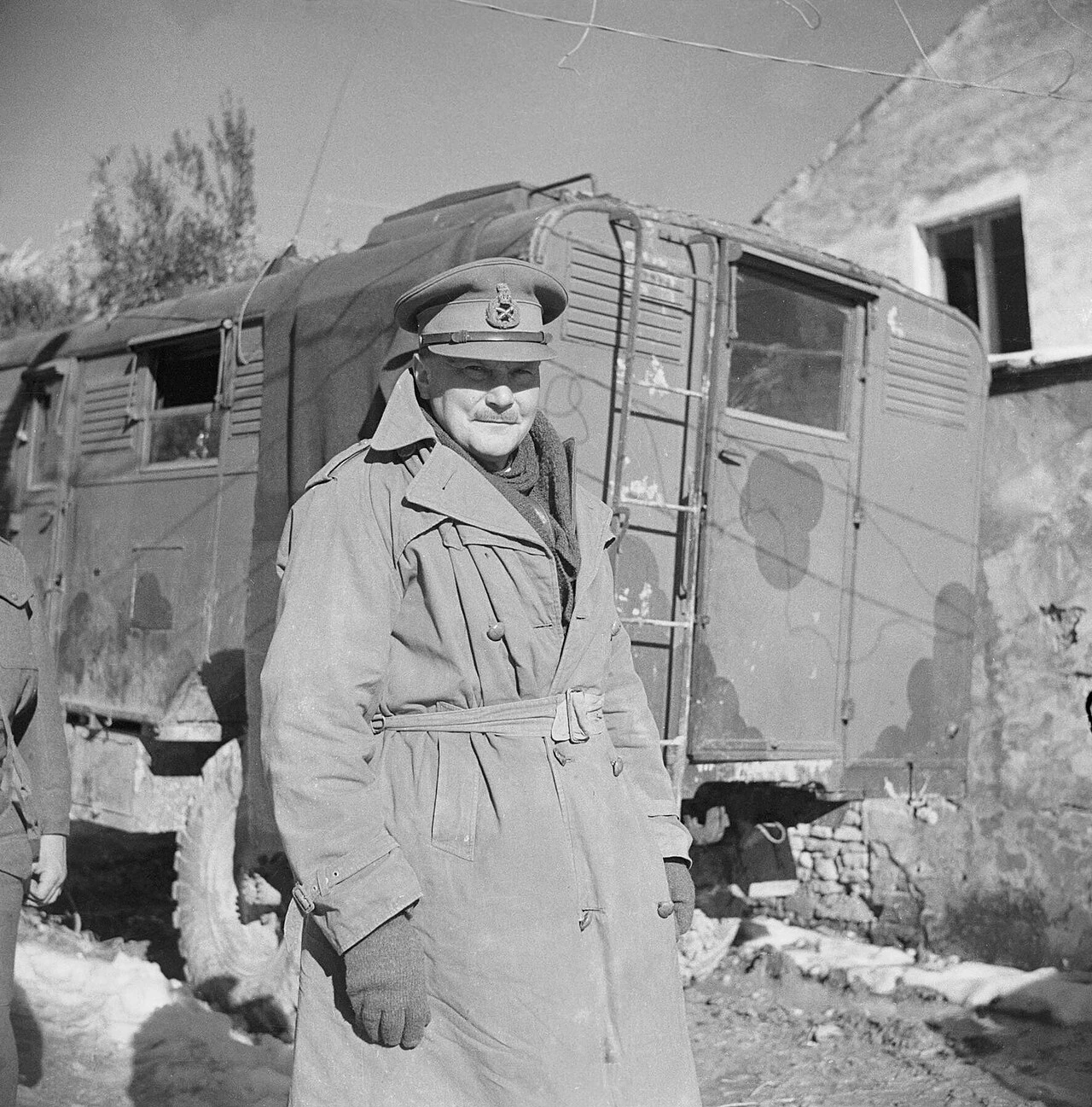
Freyberg at Maleme
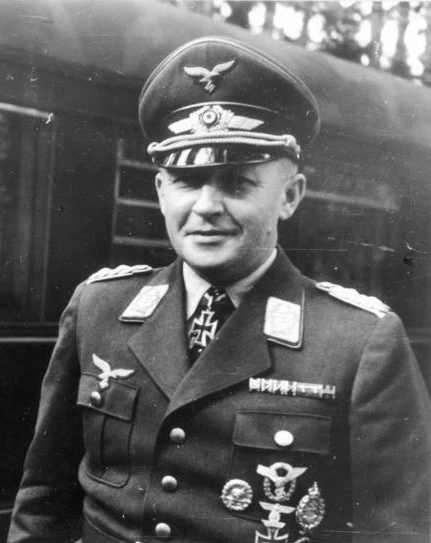
Student — the airborne gamble on Crete
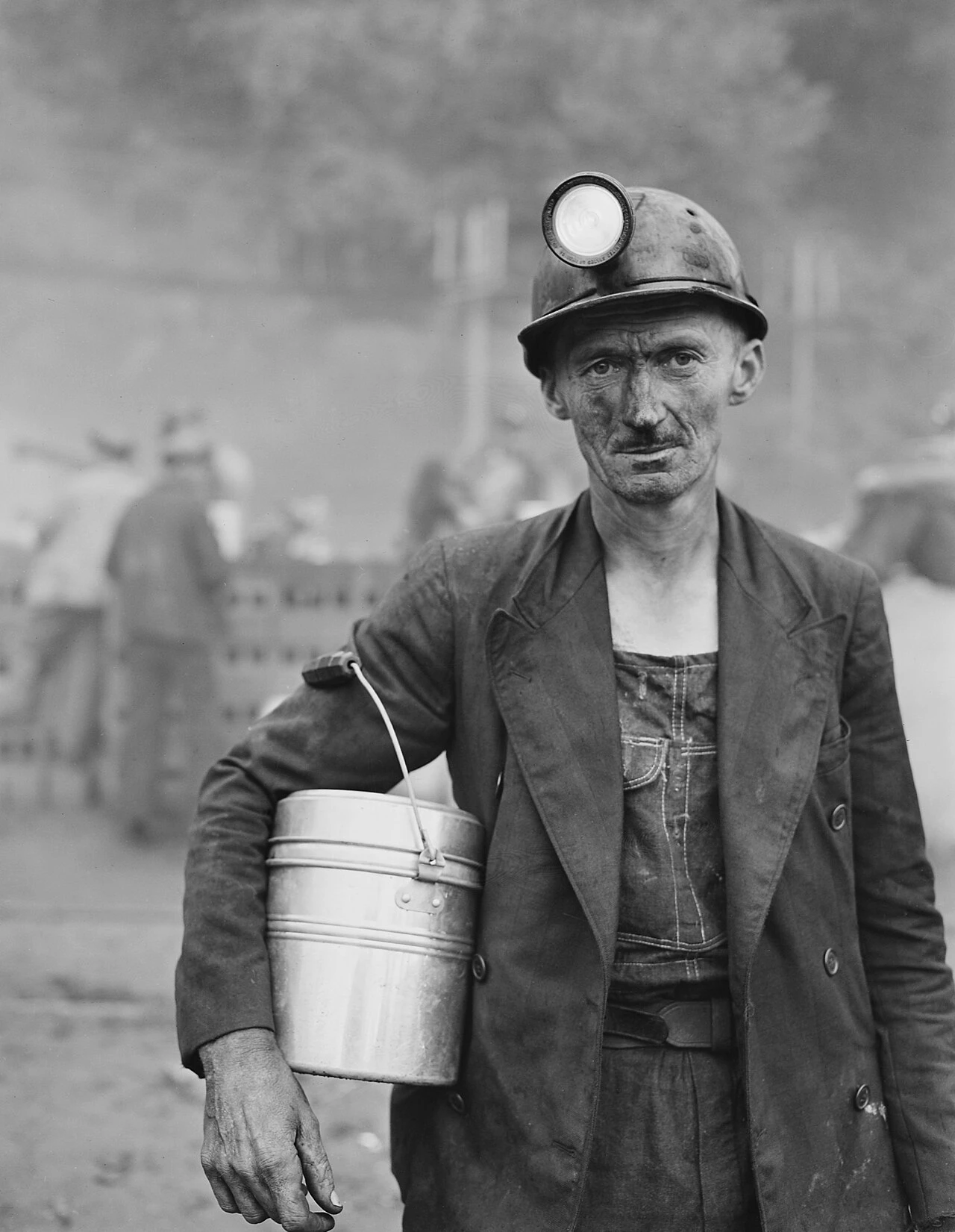
At the Dahomey pit, the morning of team-rate pay
The ANZACs at Thermopylae
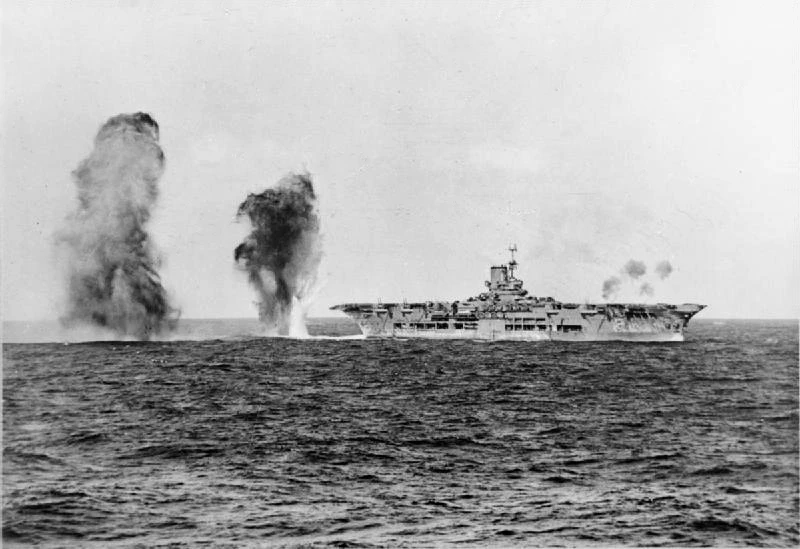
Cape Matapan — Cunningham against Iachino
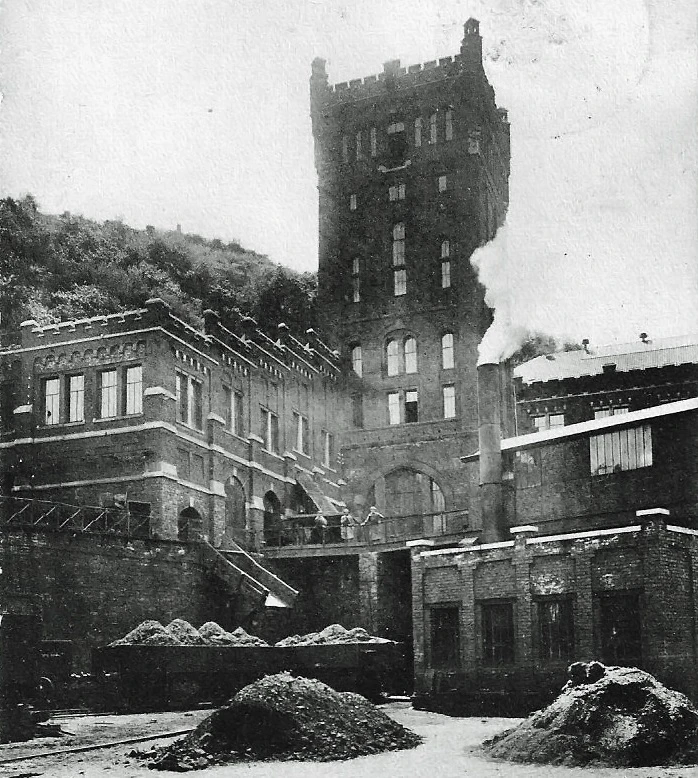
The strike of the '100,000' in Belgium
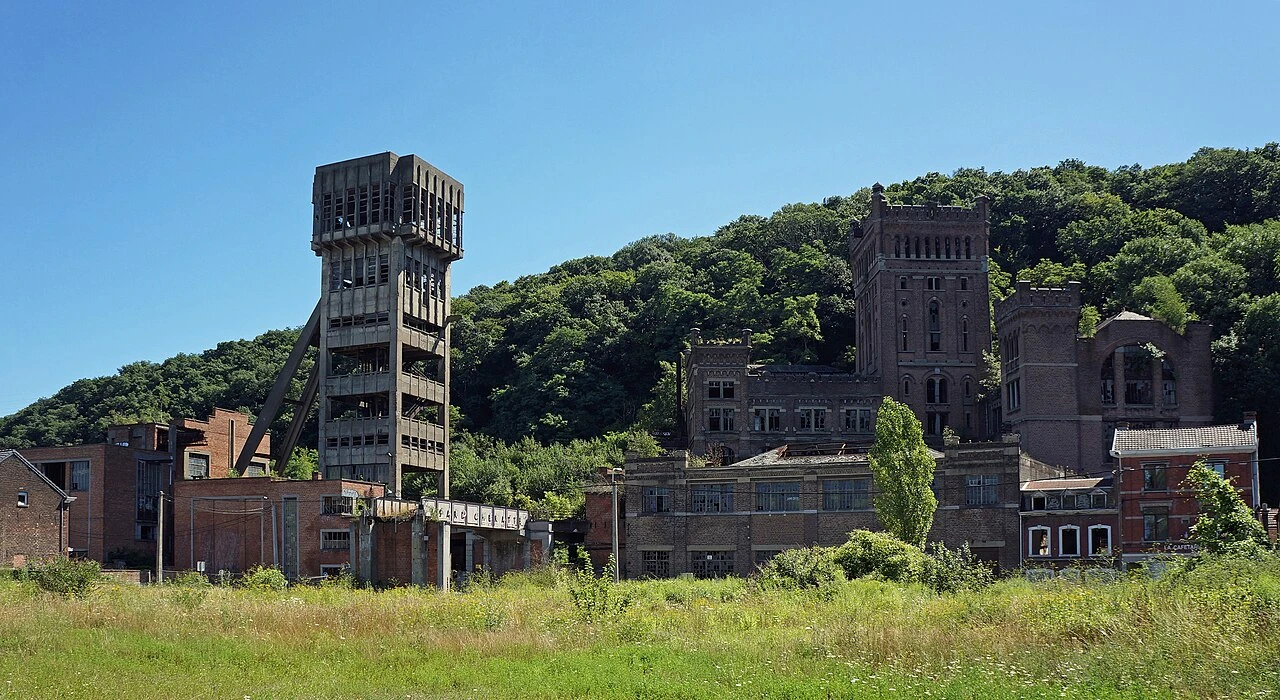
Campine Coal and the Hunger of Year One
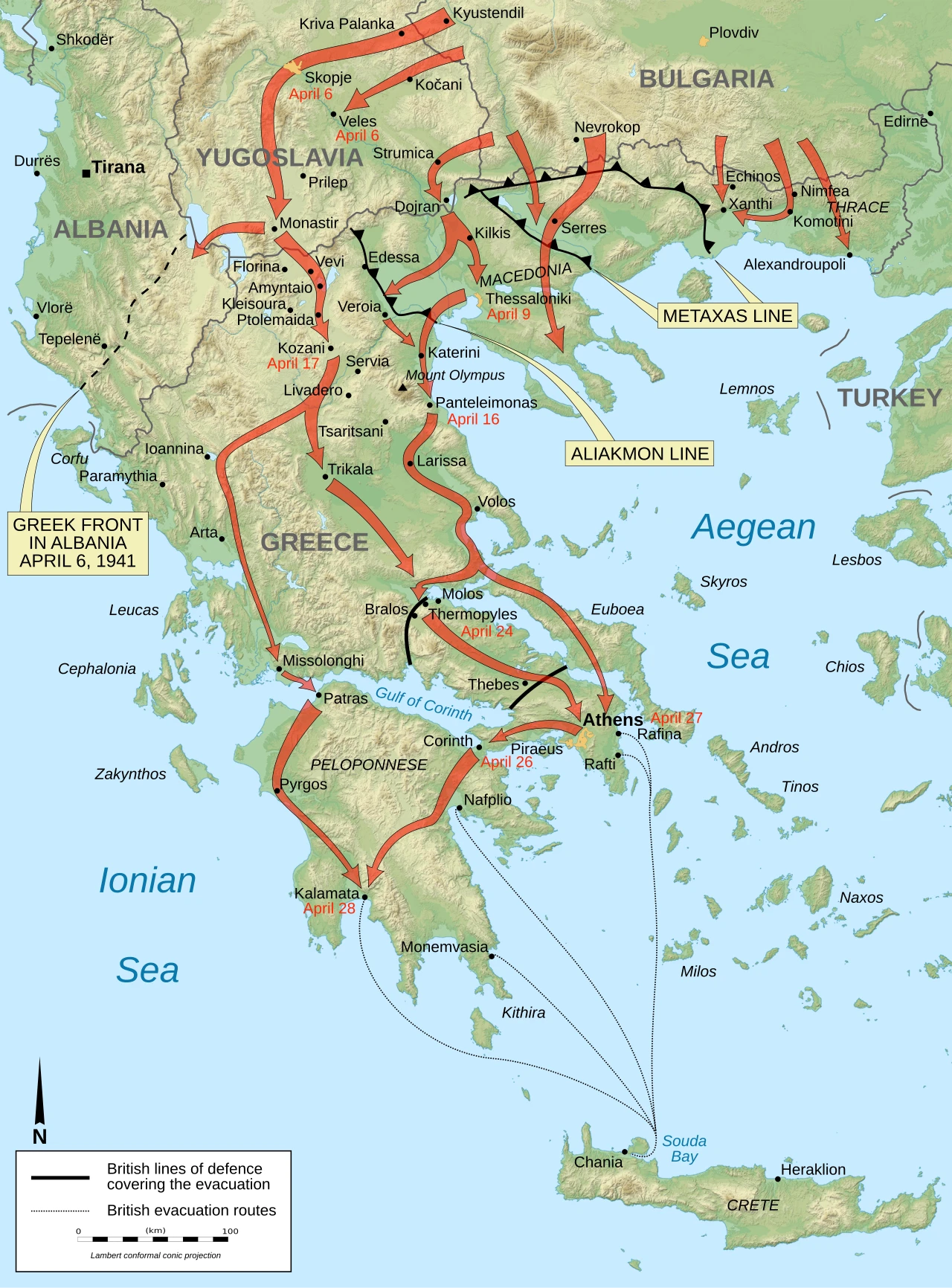
'Fortresses do not surrender'
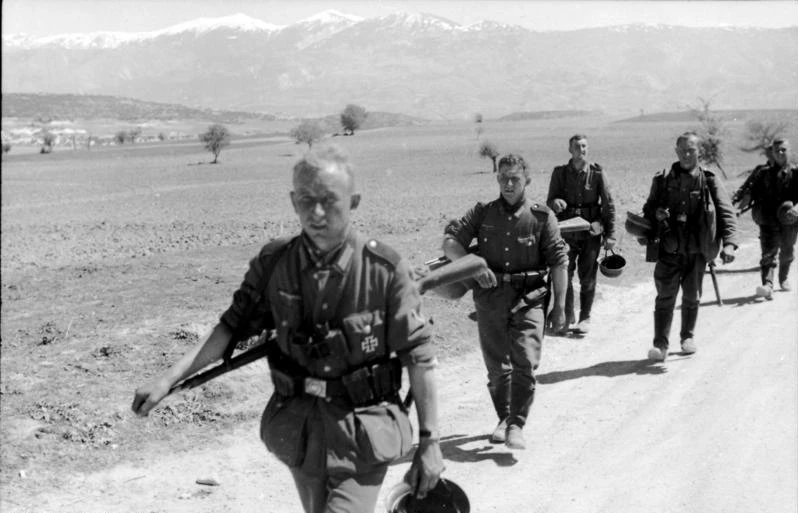
Marita — the invasion of Greece
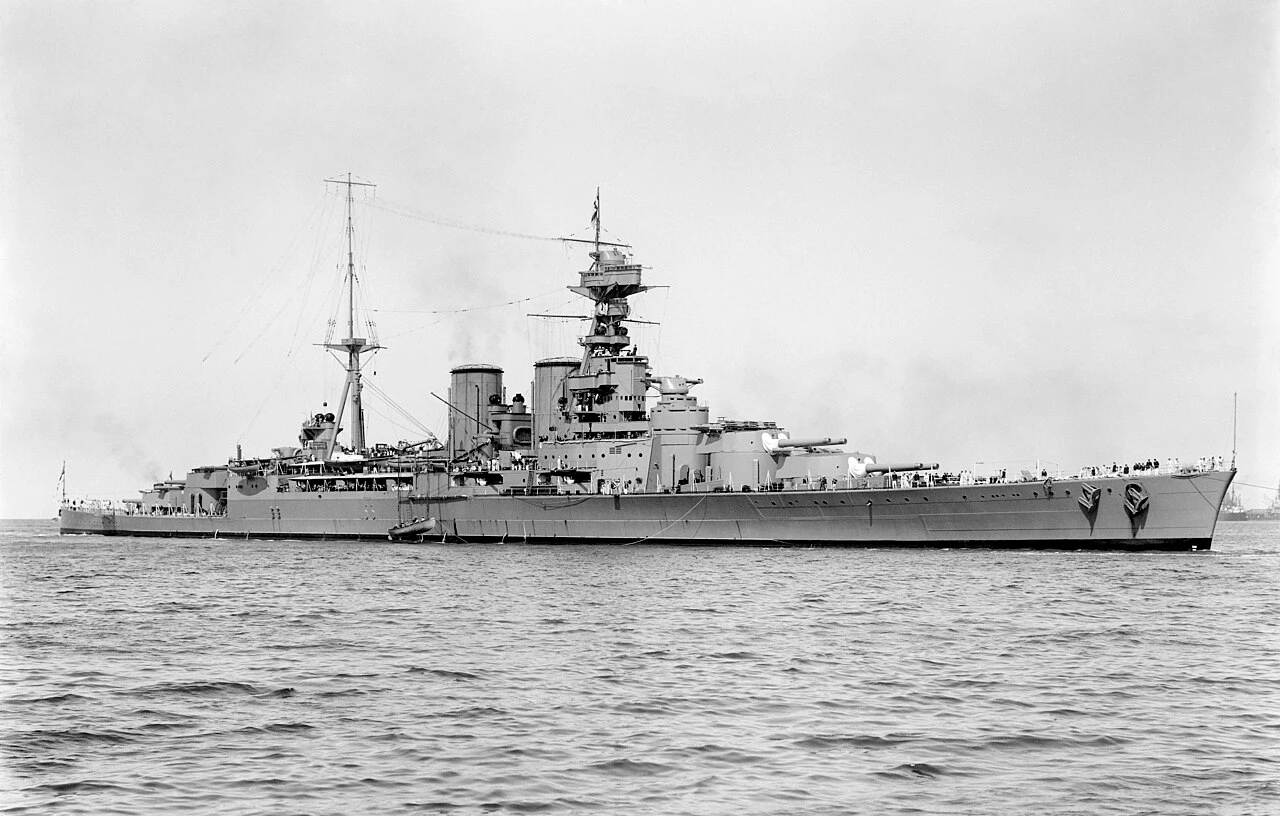
The Hood against the Bismarck
Freyberg at Maleme
Student — the airborne gamble on Crete
At the Dahomey pit, the morning of team-rate pay
The ANZACs at Thermopylae
Cape Matapan — Cunningham against Iachino
The strike of the '100,000' in Belgium
Campine Coal and the Hunger of Year One
'Fortresses do not surrender'
Marita — the invasion of Greece