
Roosevelt and the Japanese assets
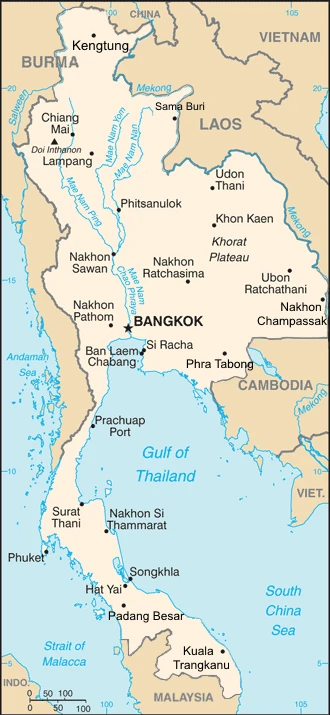
The Japanese occupation of southern Indochina, at the end of July 1941, places the Japanese bases within reach of Malaya, Singapore and the Dutch East Indies. In Washington, it is the red line: Roosevelt and his administration regard this advance as a direct threat to Western interests and to the sources of raw materials of the Pacific.
The United States holds a powerful lever: it supplies the bulk of the oil and scrap iron on which the Japanese war machine depends. But to use it carries a major risk. A total oil embargo would corner Japan — either to back down, or to throw itself by force on the oil fields of the South, triggering war. Japan's crude reserves cover scarcely more than two years in wartime, and the country imports from the United States nearly four-fifths of its oil.
Roosevelt must calibrate the riposte: confine himself to diplomatic protests; freeze Japanese assets and restrict exports, an intermediate measure but one that may slide toward a total embargo; or decree from the outset a complete oil embargo, at the assumed risk of war. The dosage of American pressure will determine the trajectory toward the Pacific.
How should Roosevelt respond to the Japanese advance into Indochina?
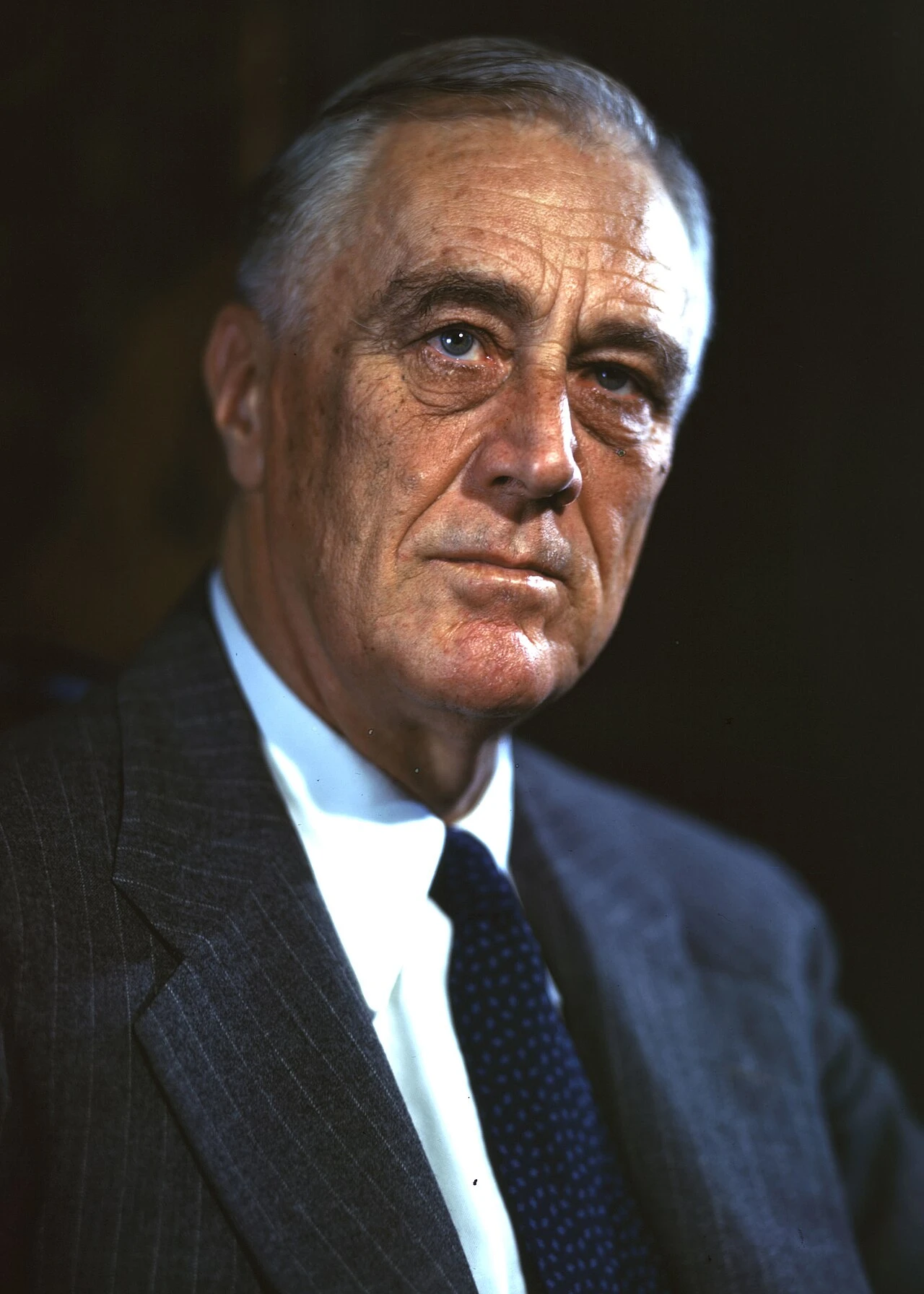
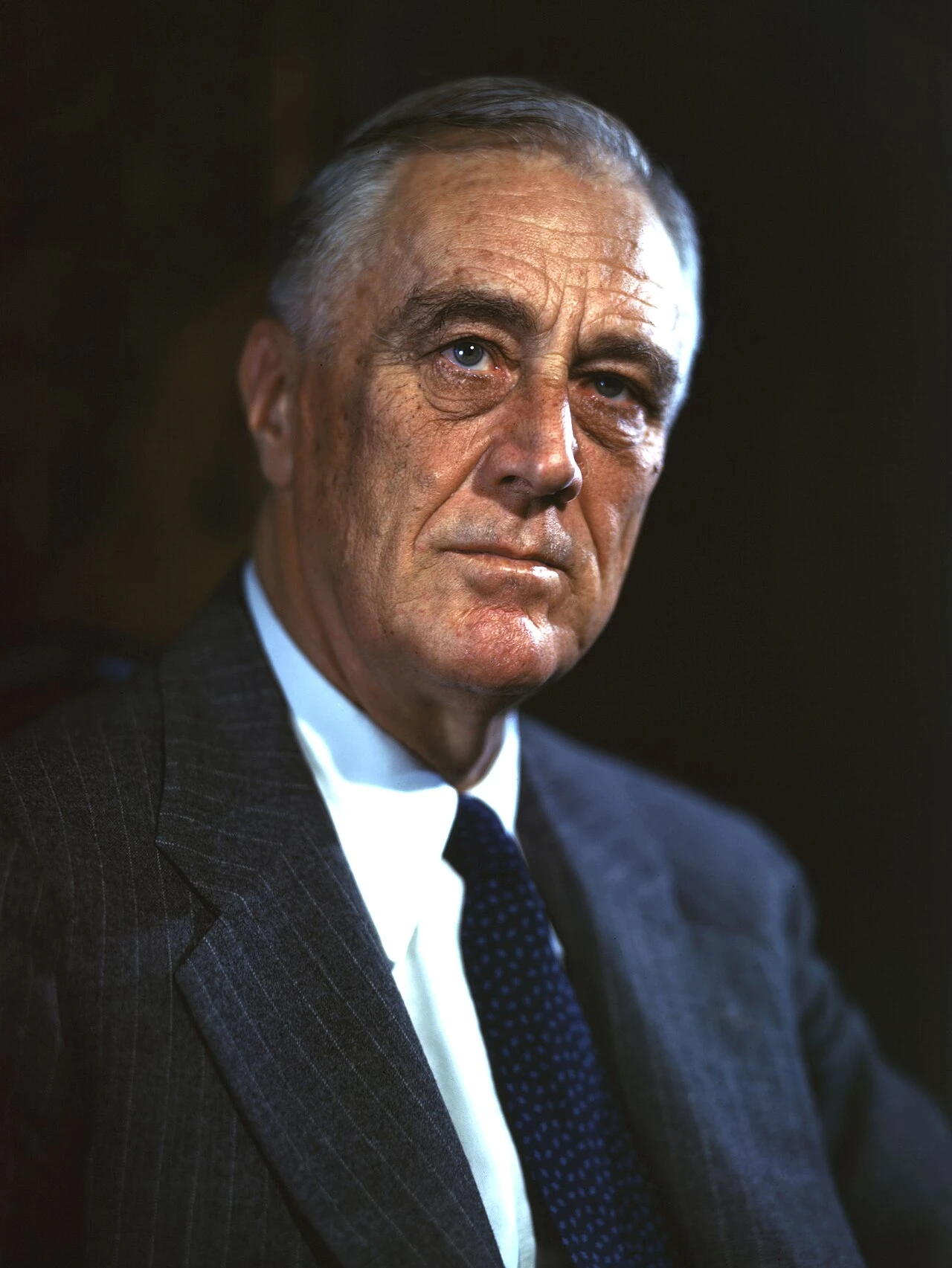
Roosevelt chooses B — but the administrative application, hardened by officials such as , turns it in effect into C. On 26 July 1941, Washington freezes Japanese assets; in the weeks that follow, oil deliveries cease entirely, matched by London and The Hague. Japan loses at a stroke the overwhelming majority of its oil supply and sees its reserves dwindle. The calculation will turn into a trap: rather than yielding by evacuating China, Tokyo will choose war to seize the resources of the South. The embargo of the summer of 1941, conceived as a pressure, becomes one of the decisive cogs toward Pearl Harbor. The question of whether Roosevelt really wanted a total embargo or whether he lost control of it remains debated by historians.
Learn more about this event
Related polls
10
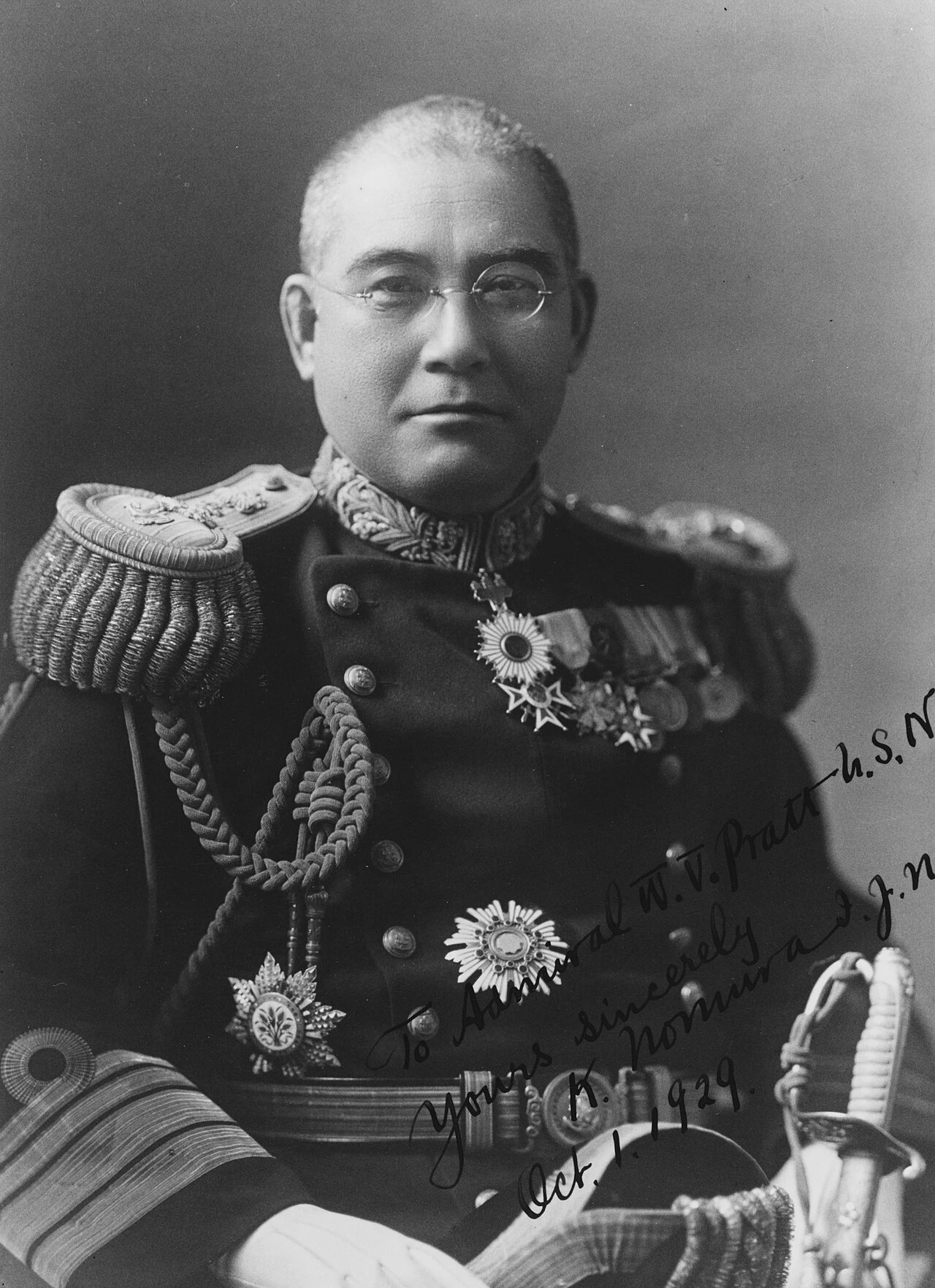
Nomura and the Hull Note: Diplomacy on the Brink
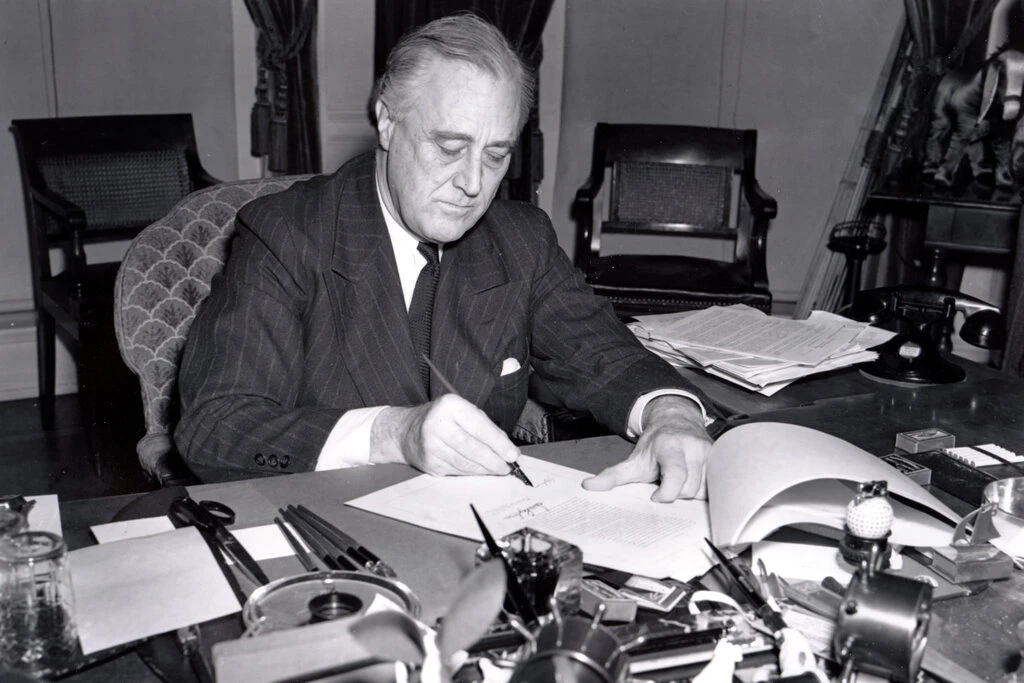
Roosevelt — signing Lend-Lease
Washington, March 1941: Arming Without Entering the War
Germany first, even before the war
The Atlantic Charter
Japan enters southern Indochina
Roosevelt — Arm England?
Roosevelt at the microphone — 29 December 1940
Roosevelt — destroyers for bases
Roosevelt and the Squadron for Singapore — Washington, October 1940
Nomura and the Hull Note: Diplomacy on the Brink
Roosevelt — signing Lend-Lease
Washington, March 1941: Arming Without Entering the War
Germany first, even before the war
The Atlantic Charter
Japan enters southern Indochina
Roosevelt — Arm England?
Roosevelt at the microphone — 29 December 1940
Roosevelt — destroyers for bases