
By the autumn of 1940, Japan has been bogged down for three years in the war against China and is looking for a way out through expansion into South-East Asia, where the weakened colonies of France, the Netherlands and Britain beckon. The Foreign Minister, , an advocate of bold diplomacy, argues for a rapprochement with a victorious Germany.
Berlin proposes a tripartite pact with Italy: each of the three would undertake to enter the war if any one of them were attacked by a power still neutral — clearly aimed at the United States. For Japan, the alliance promises support against Washington and recognition of its "co-prosperity sphere."
But the calculation is risky. The Imperial Navy fears stoking American hostility, on which Japan depends for oil and steel. Tying Tokyo's fate to Berlin's also means betting on a German victory that is no longer so certain after the failure over England. Matsuoka must decide: seal the alliance, refuse it to spare the United States, or play for time.
Should Japan sign the Tripartite Pact with Germany and Italy?
Japan chooses A: the Tripartite Pact is signed in Berlin on September 27, 1940, by Germany, Italy and Japan. Far from deterring the United States, it stiffens their resolve: Washington tightens the embargoes on strategic materials, accelerating the spiral that will lead to the oil embargo of 1941 and then to Pearl Harbor (December 1941). The alliance will prove largely formal — the three partners will hardly coordinate their strategies. Matsuoka, who thought he had pulled off a masterstroke, will be sidelined in 1941 after also signing a neutrality pact with Moscow, just before Germany invaded the USSR. The Tripartite Pact gives the war its truly global dimension by linking the European and Asian theaters.
Learn more about this event
Related polls
10
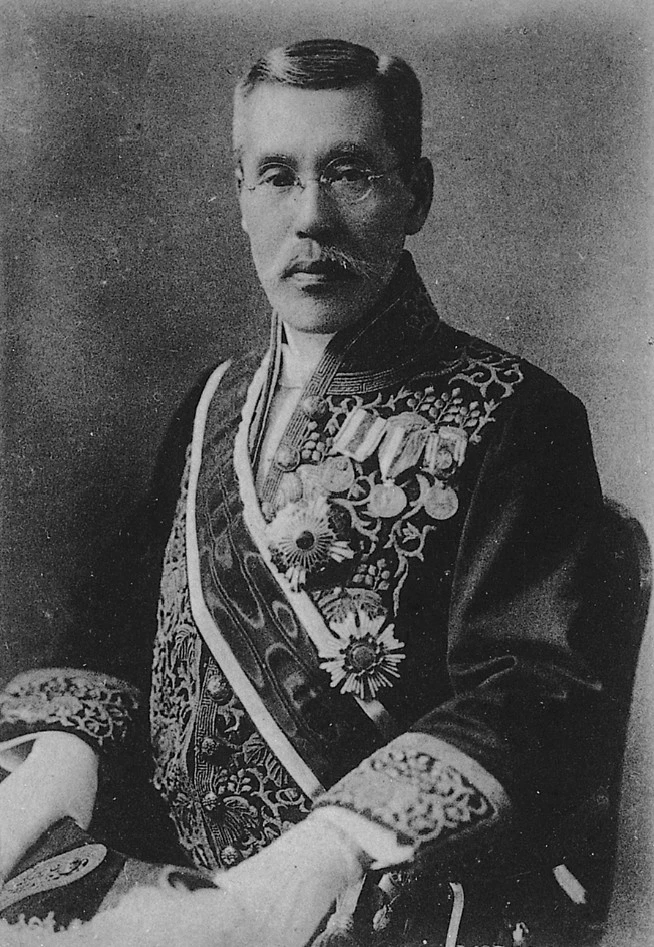
Japan Disoriented
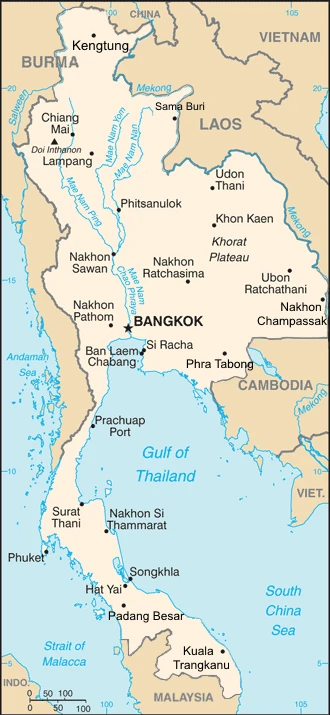
Japan enters southern Indochina
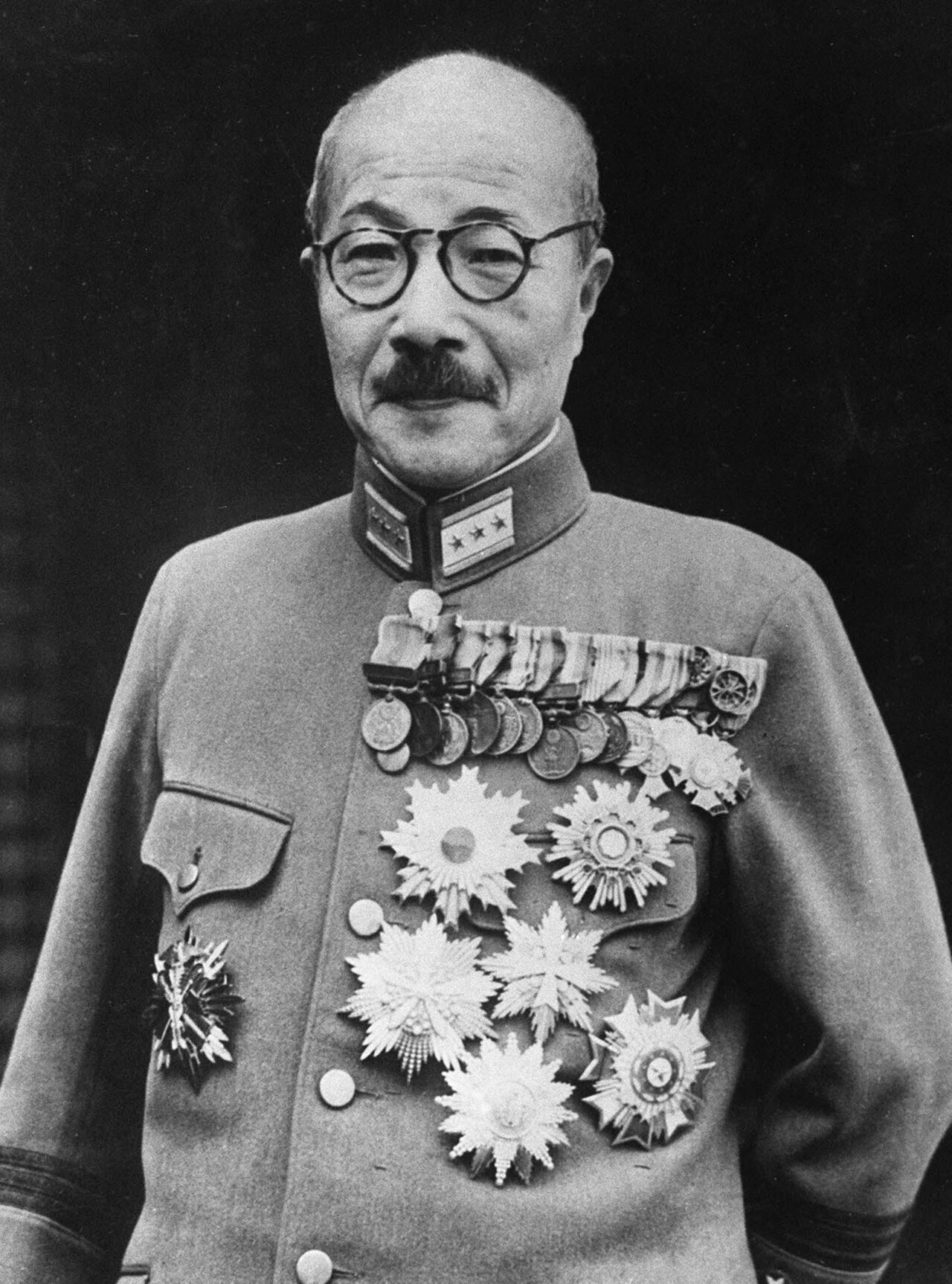
Japan and the Southern Resource Zone
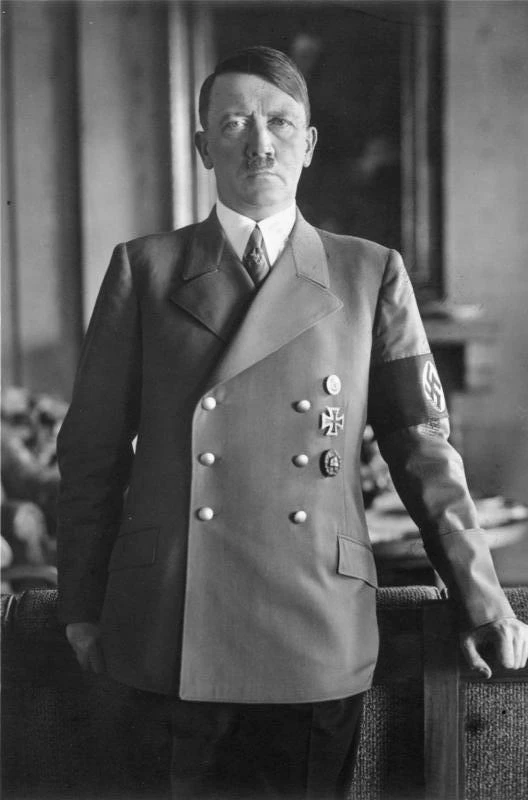
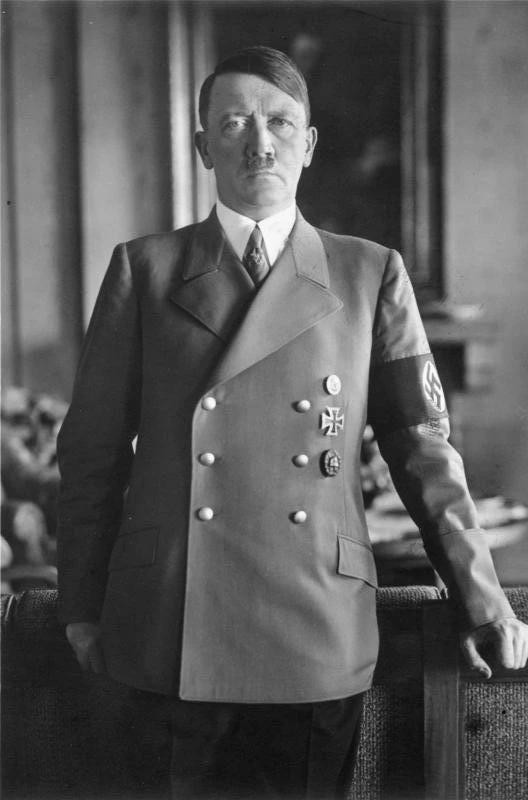
Hitler After Molotov — Berlin, November 1940
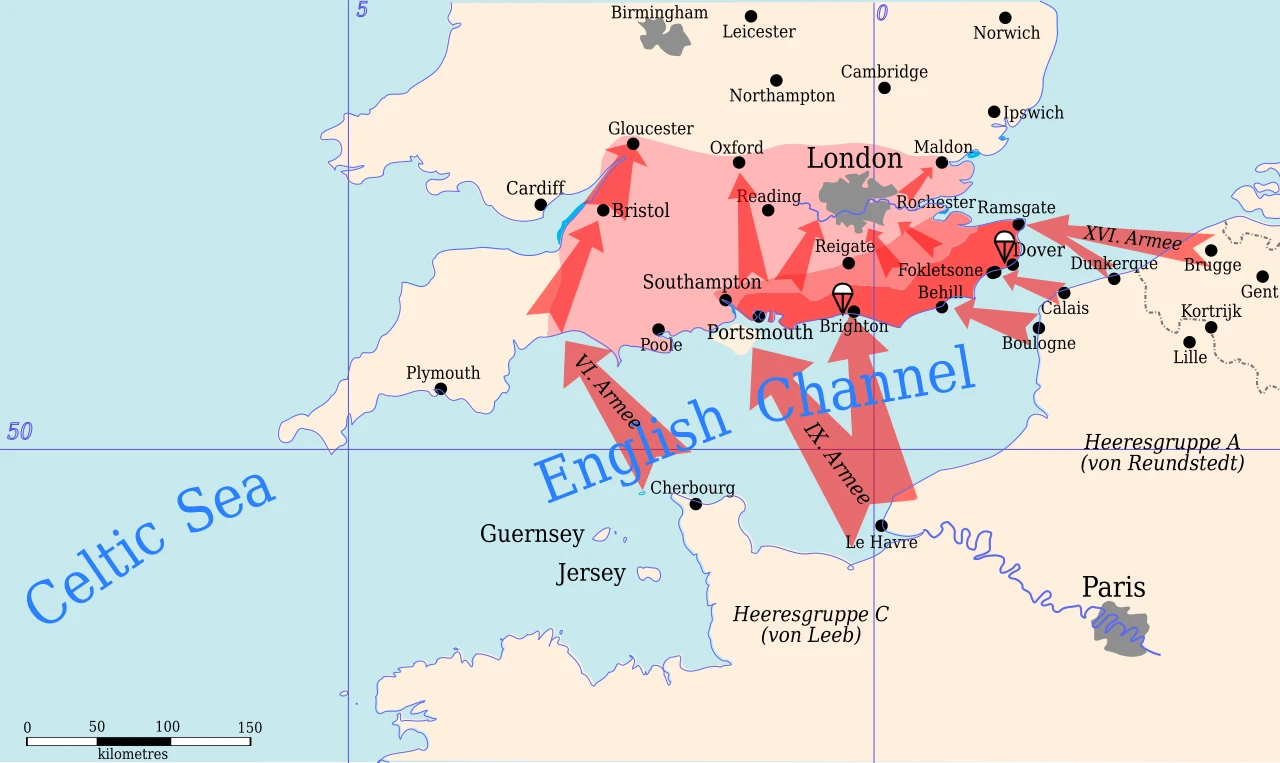
Hitler faces Sea Lion — September 17
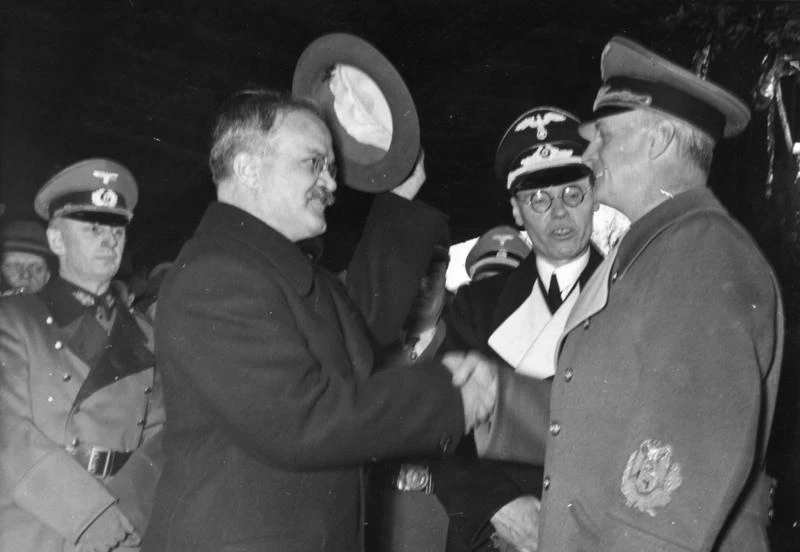
Molotov in Berlin — November 12
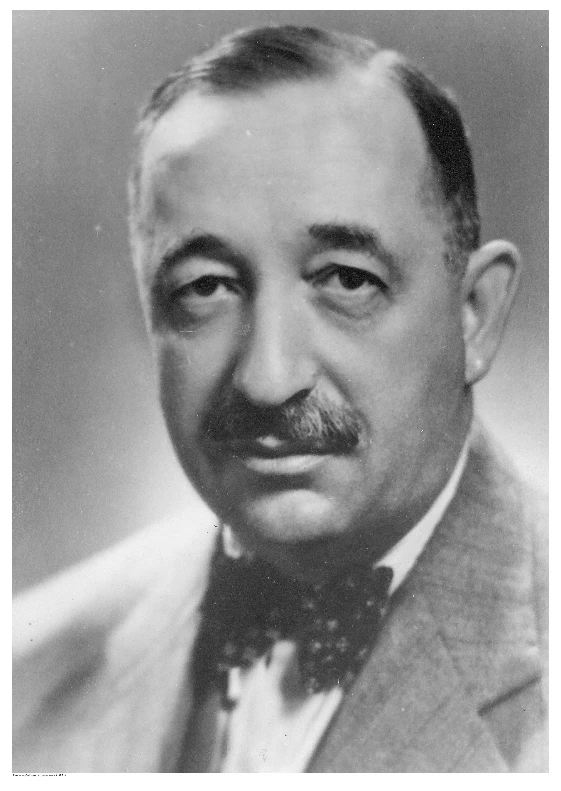
Bulgaria: lock of the Balkans, a price to pay
Gibraltar after the rebuff at Hendaye
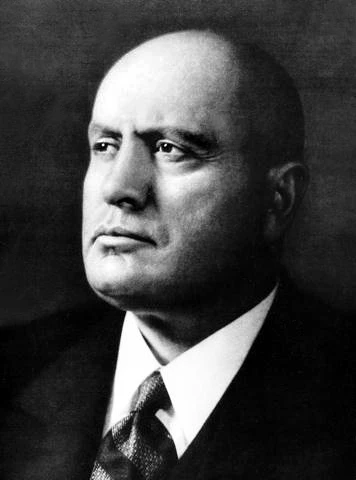
Mussolini, the Duce and the "Fait Accompli" — Rome, 15 October 1940
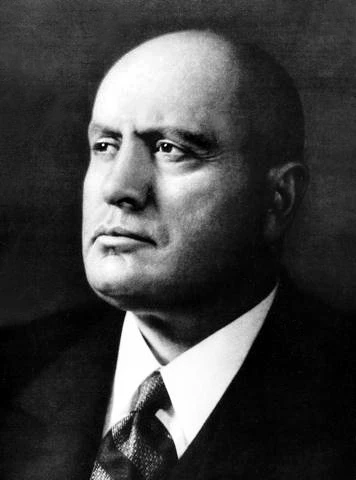
Mussolini on the Riviera — 21 June
Japan Disoriented
Japan enters southern Indochina
Japan and the Southern Resource Zone
Hitler After Molotov — Berlin, November 1940
Hitler faces Sea Lion — September 17
Molotov in Berlin — November 12
Bulgaria: lock of the Balkans, a price to pay
Gibraltar after the rebuff at Hendaye
Mussolini, the Duce and the "Fait Accompli" — Rome, 15 October 1940