
Per Albin Hansson — facing the Finnish appeal
, 53, has been Social Democratic Prime Minister of Sweden since 1932. His government rests on the "Folkhem" ("People's Home") coalition — the model of the Scandinavian welfare state under construction. Sweden has been neutral since 1814 — a European record of continuous peace. Population: 6.3 million. Army: 75,000 men on active service, mobilizable to 500,000.
On 1 September 1939, joint declaration of neutrality with Norway, Denmark, and Finland. But Sweden occupies a unique strategic position. The iron ore of Kiruna (Norrbotten) supplies 45 percent of German steel in wartime — it transits in winter through the Norwegian port of Narvik, in summer through Luleå, in Sweden. Her industry, advanced and indispensable to the Reich, includes flagships such as SKF, Bofors, ASEA, and Ericsson: in Gothenburg, SKF alone manufactures 60 percent of the ball bearings of the Luftwaffe in 1940. And the country finds herself encircled — to the east, Finland threatened by the USSR; to the south, Denmark vulnerable; to the west, Norway.
On 30 November 1939, the Soviet invasion of Finland places Hansson in front of an acute dilemma: Scandinavian solidarity would call for sending troops to Finland, but neutrality forbids it. Finland sends desperate appeals. The Mannerheim government explicitly requests on 4 December a Swedish military intervention.
What posture does Hansson adopt in face of the Finnish demand?
Hansson chooses B. Sweden remains officially neutral in the Winter War, but authorizes the departure of a corps of Swedish volunteers (, SFK): about 8,700 men, mainly from January 1940. The SFK fights in the Märkäjärvi sector (in the north), under Finnish command. Swedish losses: 33 dead, 50 wounded. More important: Sweden delivers to Finland 84,000 Mauser rifles, 104 guns (including Bofors artillery), 350 machine guns, 150,000 shells, plus medicines and food. This solidaristic non-belligerence is one of the most delicate diplomatic acts of the Winter War — it preserves formal Swedish neutrality while substantially aiding Finland. From April 1940 (the German invasion of Norway), the Swedish position becomes more complex: Stockholm must accept the transit of German troops across her territory to Norway (and after 1941 to Finland against the USSR) — concessions criticized after the war as "neutrality of complaisance" toward the Reich. Hansson remains Prime Minister throughout the war, until his death in 1946. Sweden emerges from the war unscathed, economically prosperous, but with a moral debt toward the occupied Norwegians and Danes — a subject of historiographical debate from the 1990s on (, Heder och samvete).
Learn more about this event
Related polls
10
Brussels, September 1939: a small country's tightrope walk
The Obersalzberg Speech
Hitler Postpones Fall Weiss
The Nazi-Soviet Pact
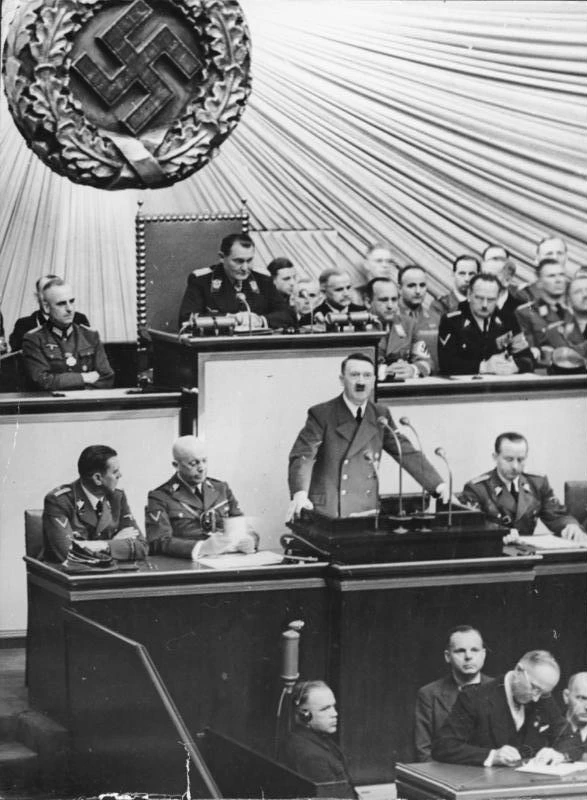
Hitler — the Reichstag Speech
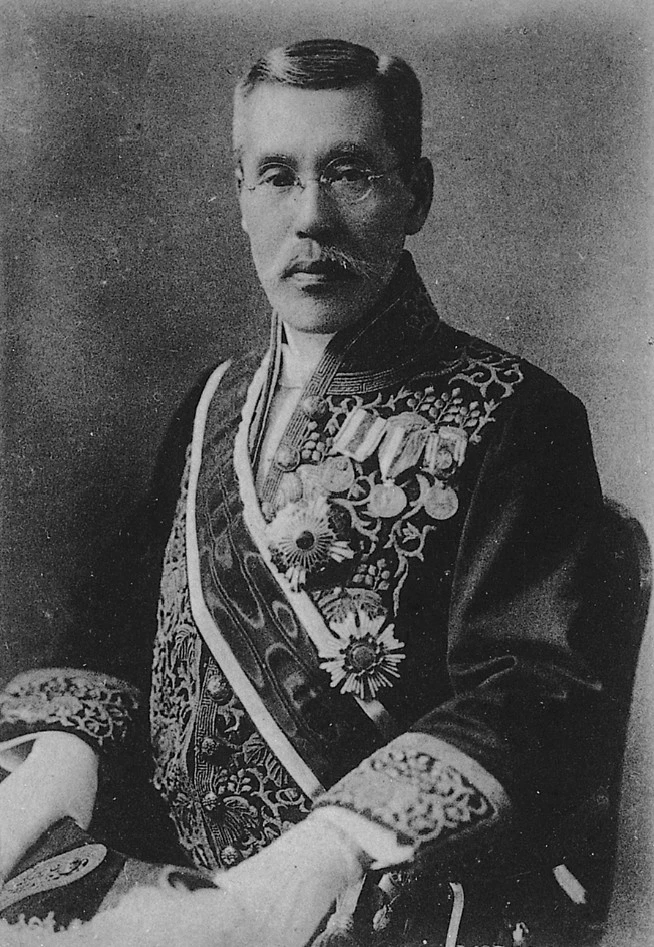
Japan Disoriented
Armed Neutrality
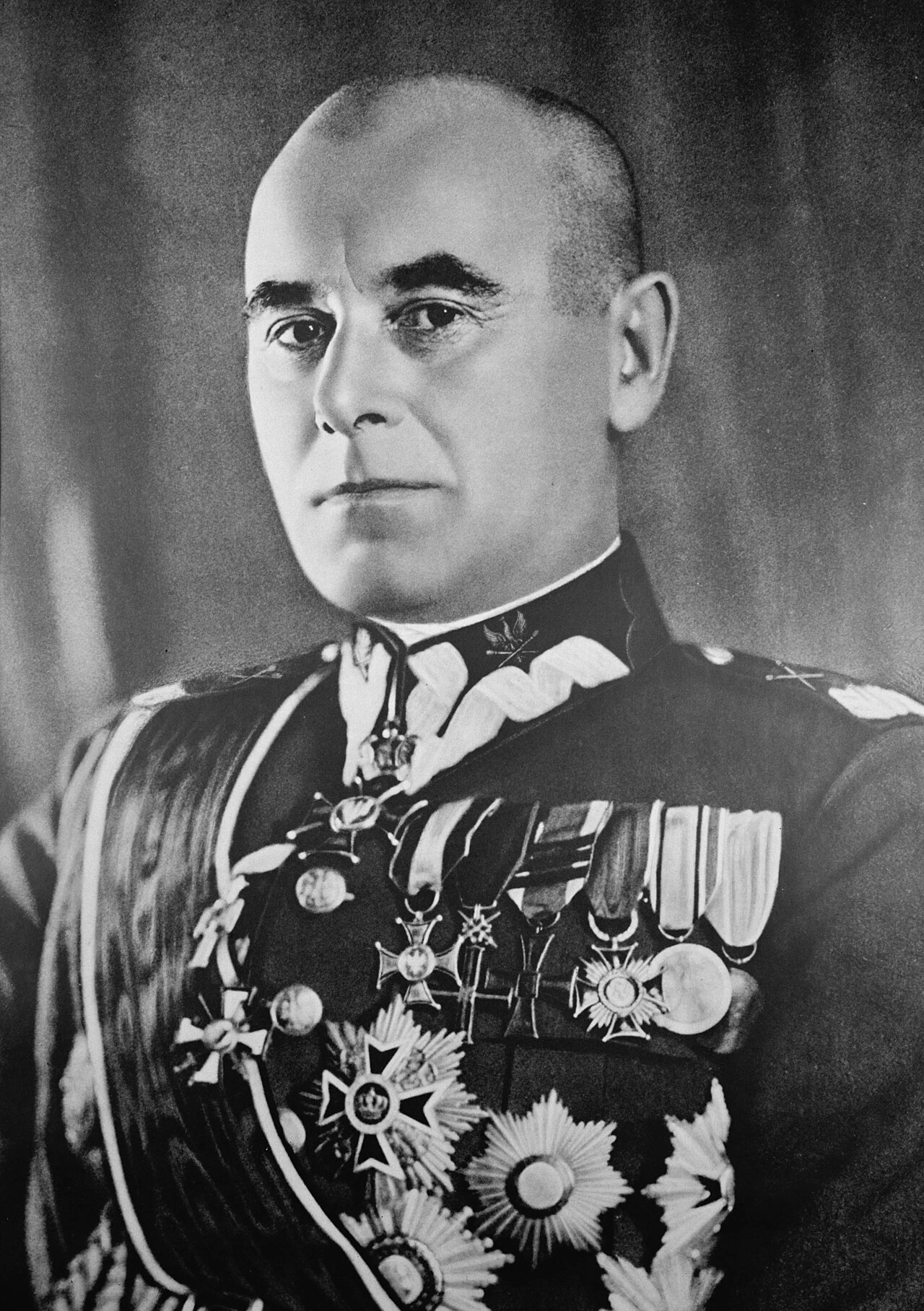
Poland and Mobilisation
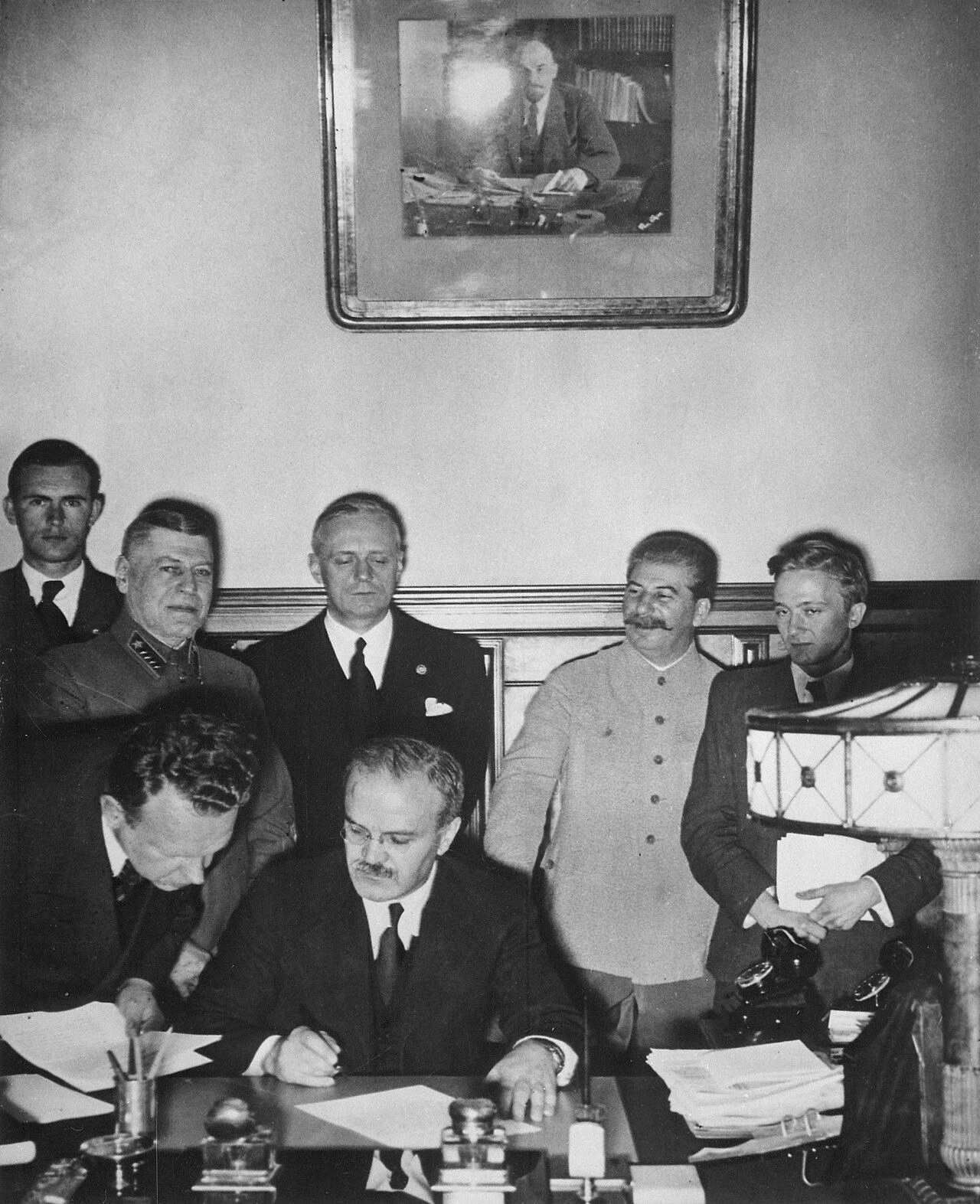
Schnurre in Moscow — the Commercial Agreement
Neutral Belgium — let the Allies in?
Brussels, September 1939: a small country's tightrope walk
The Obersalzberg Speech
Hitler Postpones Fall Weiss
The Nazi-Soviet Pact
Hitler — the Reichstag Speech
Japan Disoriented
Armed Neutrality
Poland and Mobilisation
Schnurre in Moscow — the Commercial Agreement