
Churchill and the ultimatum on the Burma Road
, Prime Minister since 10 May 1940, leads an empire now standing alone against Germany and Italy. France has signed the armistice; the Battle of Britain is opening in the southern sky. It is this moment that Tokyo chooses to apply pressure in Asia.
The Burma Road, a mountain track linking Lashio, in British Burma, to Kunming, is the last great overland supply route for 's Nationalist China, at war with Japan since 1937. The French Indochina route has been closed since 19 June. Japan now demands that London close the Burma road too, failing which it speaks of 'consequences'.
The Cabinet weighs the stakes. Refusal means keeping faith with China — but risking a third enemy on the other side of the world, when Hong Kong, Singapore and British Malaya are without real defence. Yielding means cutting Chinese supplies to buy time in the Pacific. On 6 July, the ambassador in Tokyo had first been ordered to refuse. Six days later, Churchill must decide.
Should one close the Burma Road to avoid a war in the Pacific, or keep it open at the risk of Hong Kong and Singapore?
Churchill and the Cabinet settle on C: on 12 July 1940, London agrees to close the Burma Road for three months, invoking the rainy season that makes it largely impassable anyway, while leaving room for reopening. The Anglo-Japanese agreement is signed on 17 July. China temporarily loses its last overland artery; protests. But the context shifts swiftly: the Tripartite Pact (September) and the Japanese occupation of Tonkin align London and Washington. Churchill reopens the road on 18 October 1940, without counterpart. The closure will have been a calculated breathing space rather than a capitulation: time to draw breath in the Pacific during the Battle of Britain, without lastingly sacrificing China. The episode is still cited as a case of appeasement assumed, then reversed.
Learn more about this event
Related polls
10
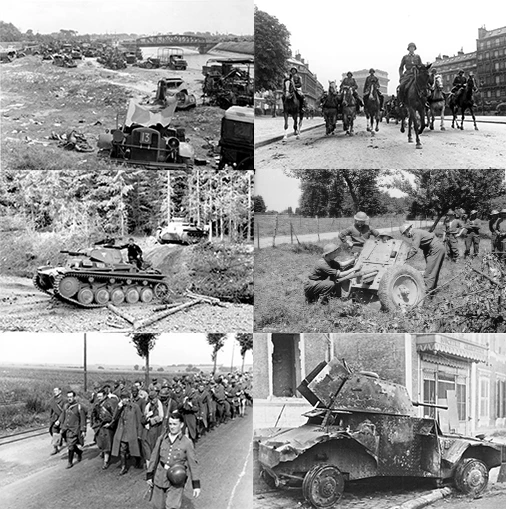
The War Cabinet — Negotiate or Carry On
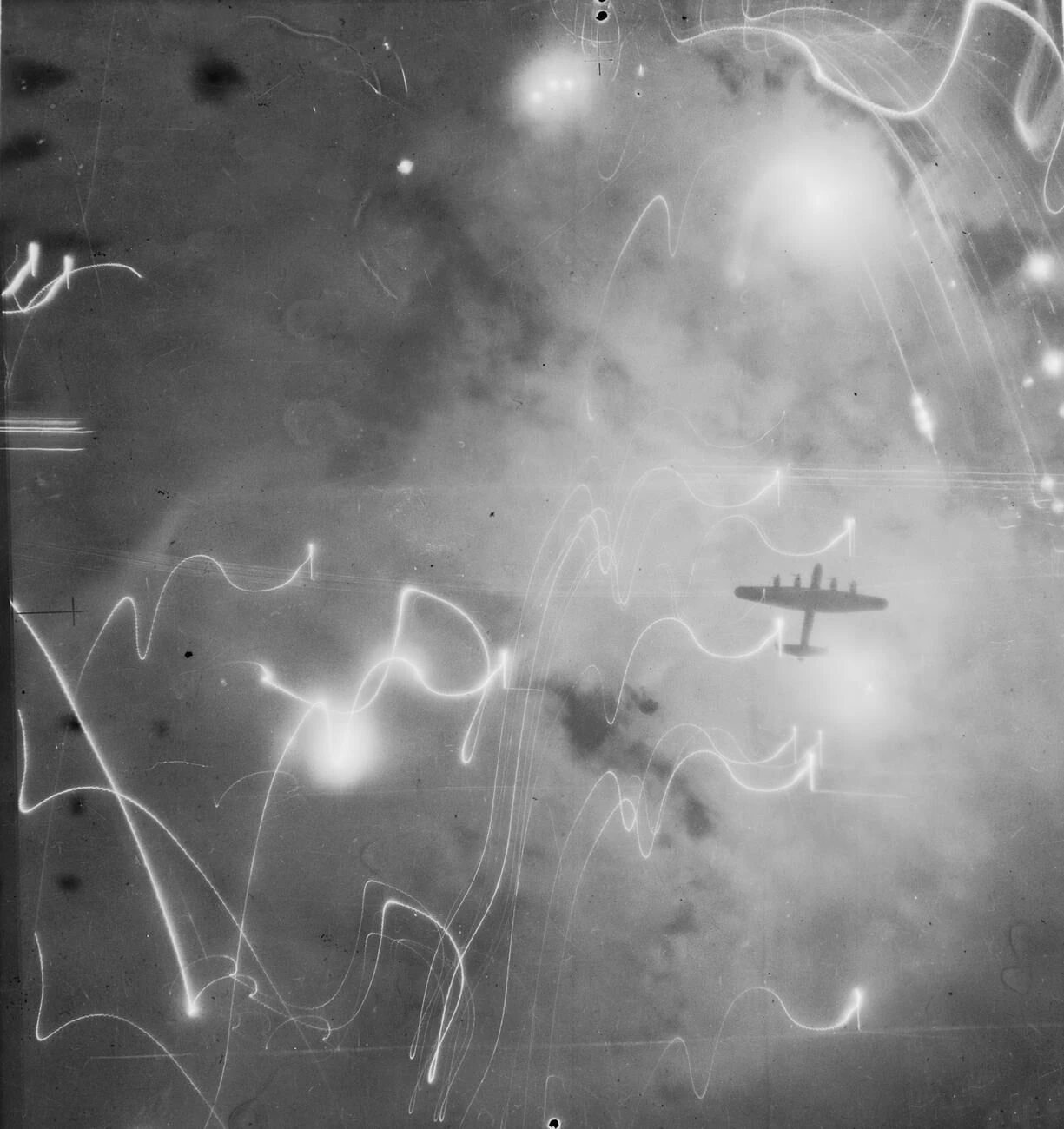
Bombing London — and the reply on Berlin
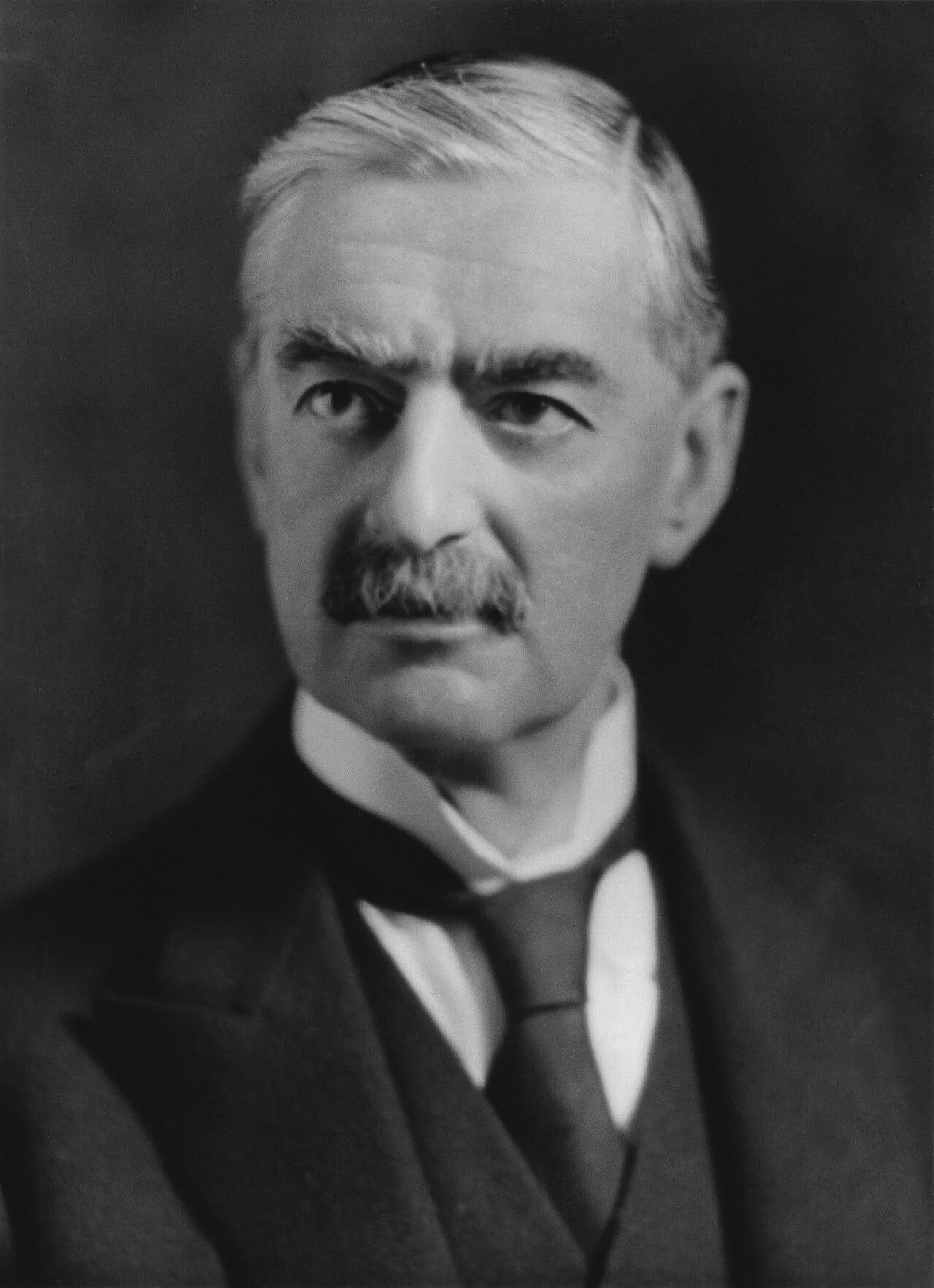
War council — leave central Norway?
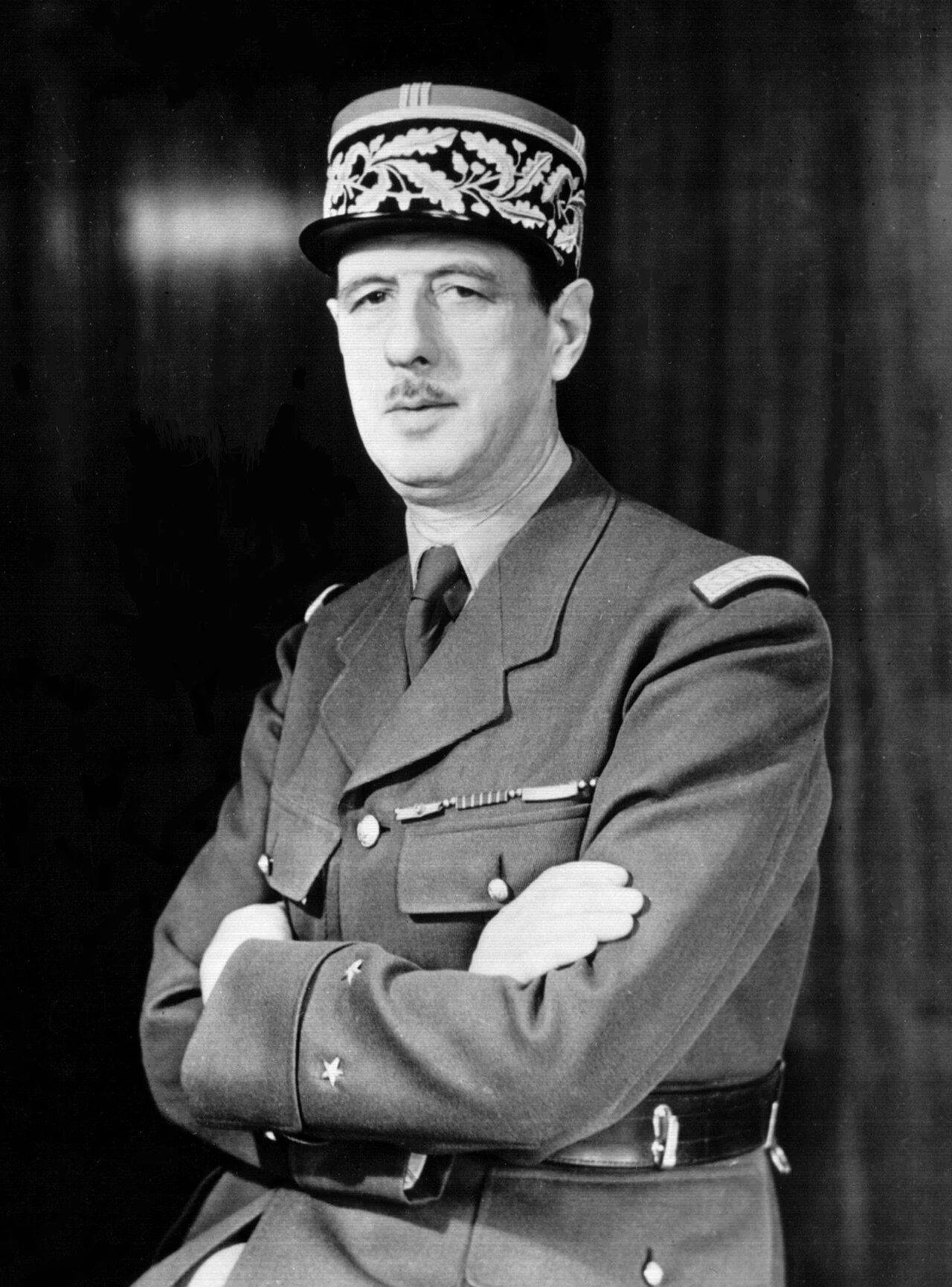
De Gaulle calls on Churchill — 9 June
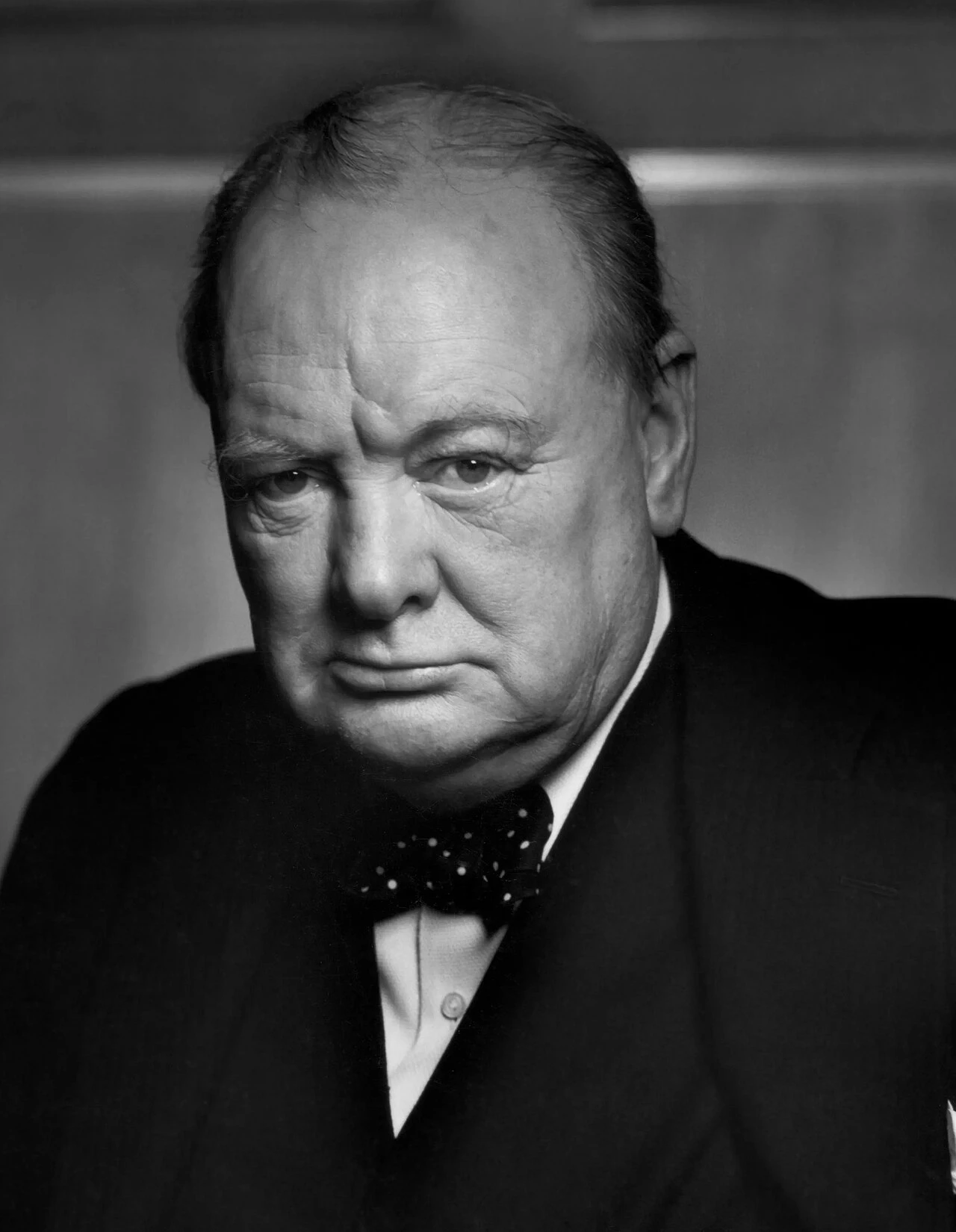
Mining the Rhine — Operation Royal Marine
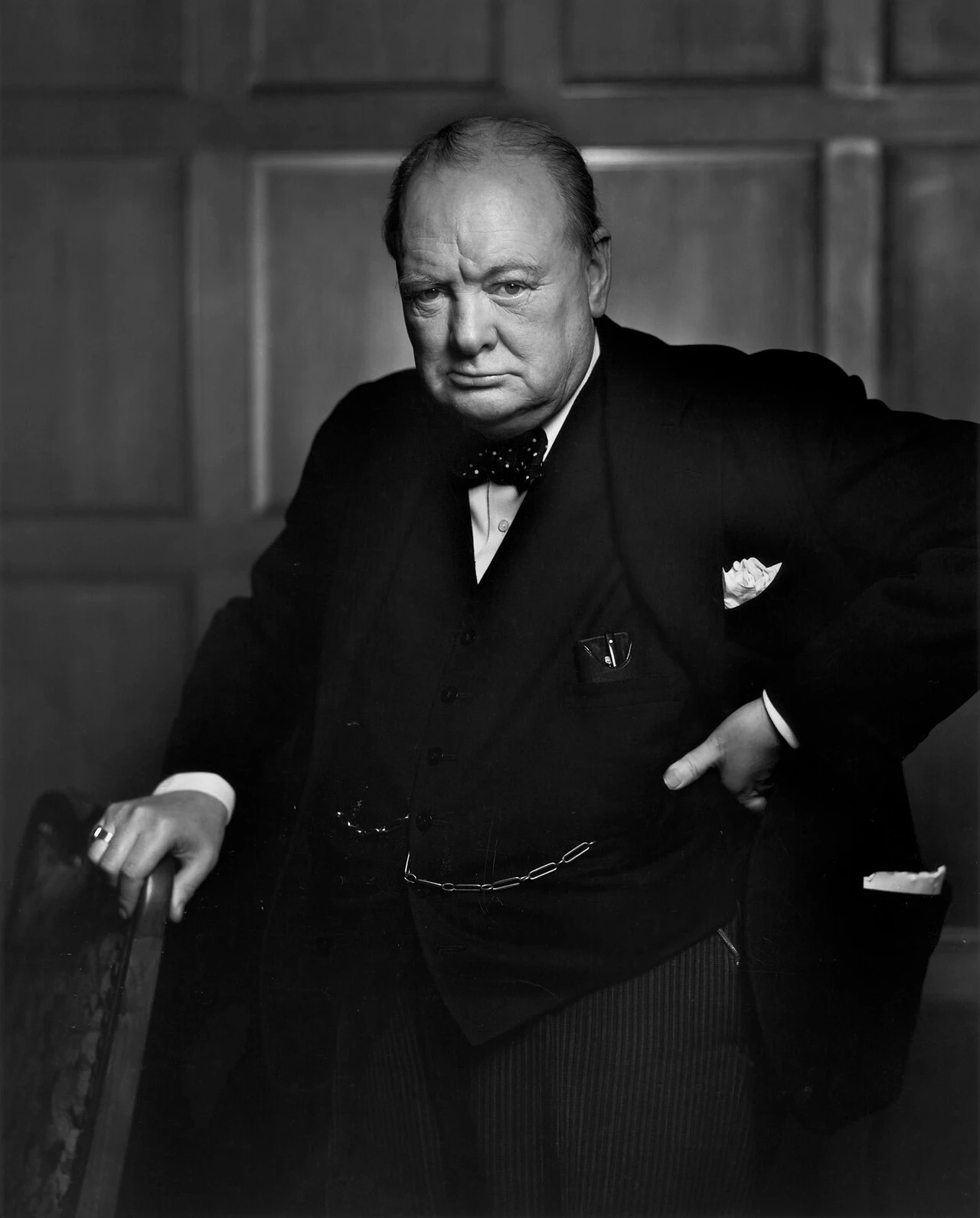
Auchinleck replaces Wavell
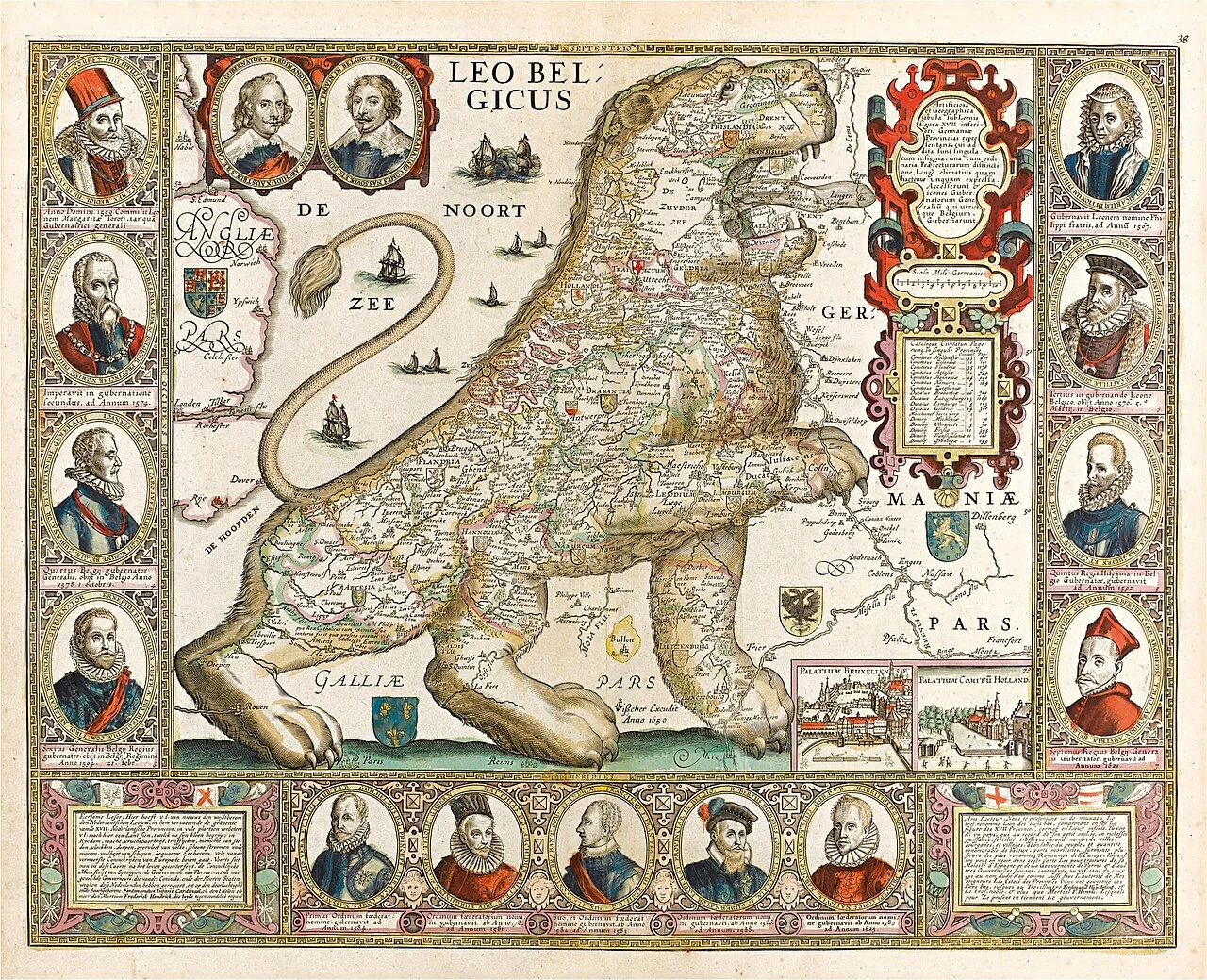
The Belgian Congo in the War
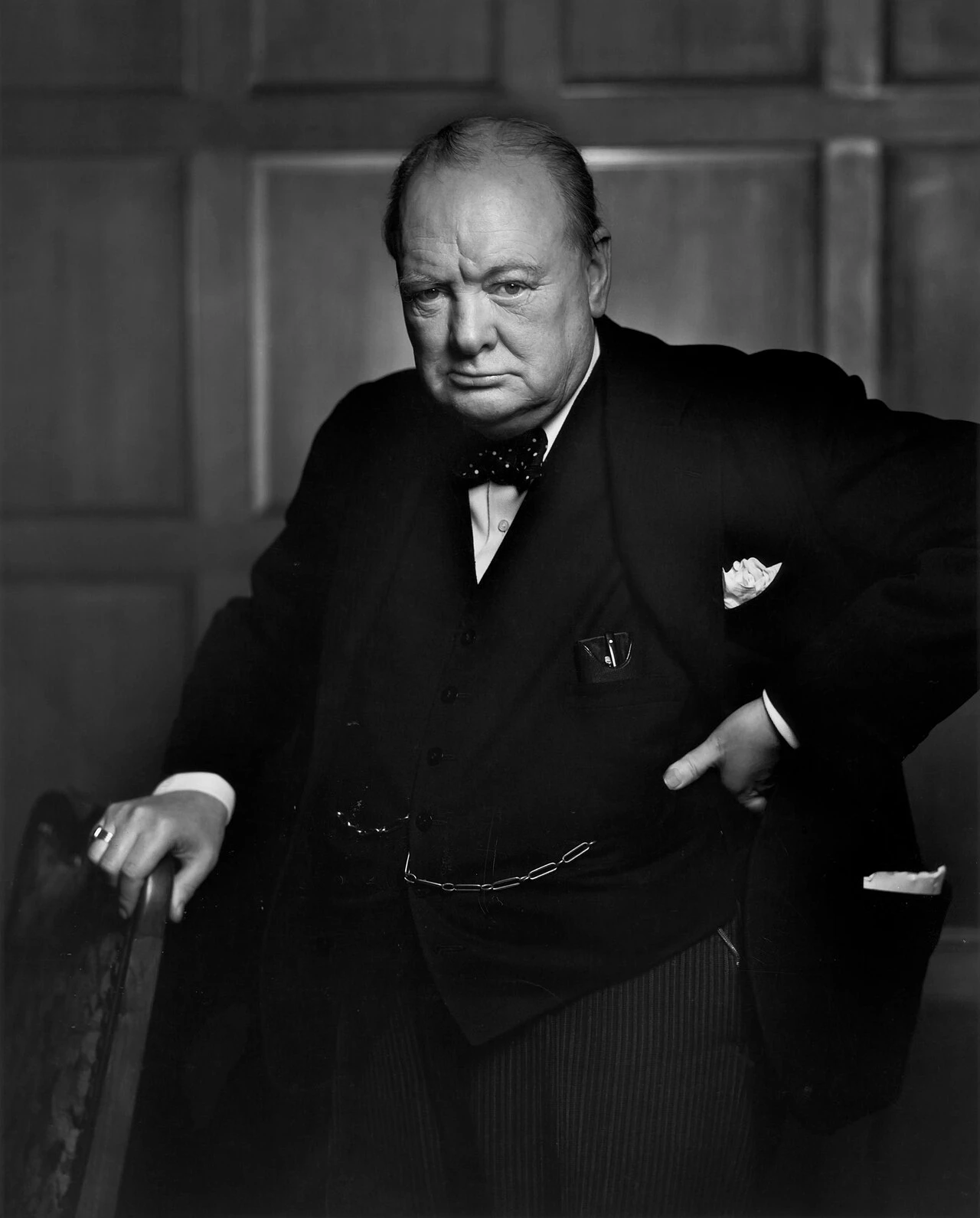
Dunkirk: should the French be saved alongside the British?
The Military Training Act
Reynaud or Pétain — Carry On or the Armistice
The War Cabinet — Negotiate or Carry On
Bombing London — and the reply on Berlin
War council — leave central Norway?
De Gaulle calls on Churchill — 9 June
Mining the Rhine — Operation Royal Marine
Auchinleck replaces Wavell
The Belgian Congo in the War
Dunkirk: should the French be saved alongside the British?
The Military Training Act