
In late June 1940, must define American policy toward a shattered France. The Pétain government is settling in and enjoys Washington's diplomatic recognition, where Ambassador , soon to be replaced by Admiral Leahy, deals with it. At the same time, an unknown general, de Gaulle, issues appeals from London to continue the war.
Secretary of State presents Roosevelt with the case of this 'General de Gaulle' without legal basis: a recently promoted officer, former under-secretary of a fallen government, whom the British press is beginning to call the 'Free French.' Churchill, for his part, is ready to recognise him.
Roosevelt must arbitrate between three lines: recognise de Gaulle as representative of fighting France, stick exclusively to Vichy, or play both sides. In Washington, opinion remains largely hostile to any commitment, and 1940 is an election year in which Roosevelt is seeking an unprecedented third term. His choice commits years of Franco-American relations and conditions France's place in the coalition to come.
What policy should Roosevelt adopt toward de Gaulle and Vichy?
Roosevelt chooses C, a line he will maintain until the end of 1942. Vichy remains recognised, with Bullitt then Leahy as ambassadors, and de Gaulle is not received in Washington until 1944. This policy nourishes a lasting distrust between Roosevelt and de Gaulle — while Churchill recognises de Gaulle as 'leader of the Free French' as early as 28 June 1940. Tensions will erupt at Saint-Pierre-et-Miquelon (December 1941), in Madagascar (1942) and at the Allied landing in North Africa (November 1942). The American choice of June 1940 fixes for years the ambiguity of the United States' position toward Free France and Vichy.
Learn more about this event
Related polls
10
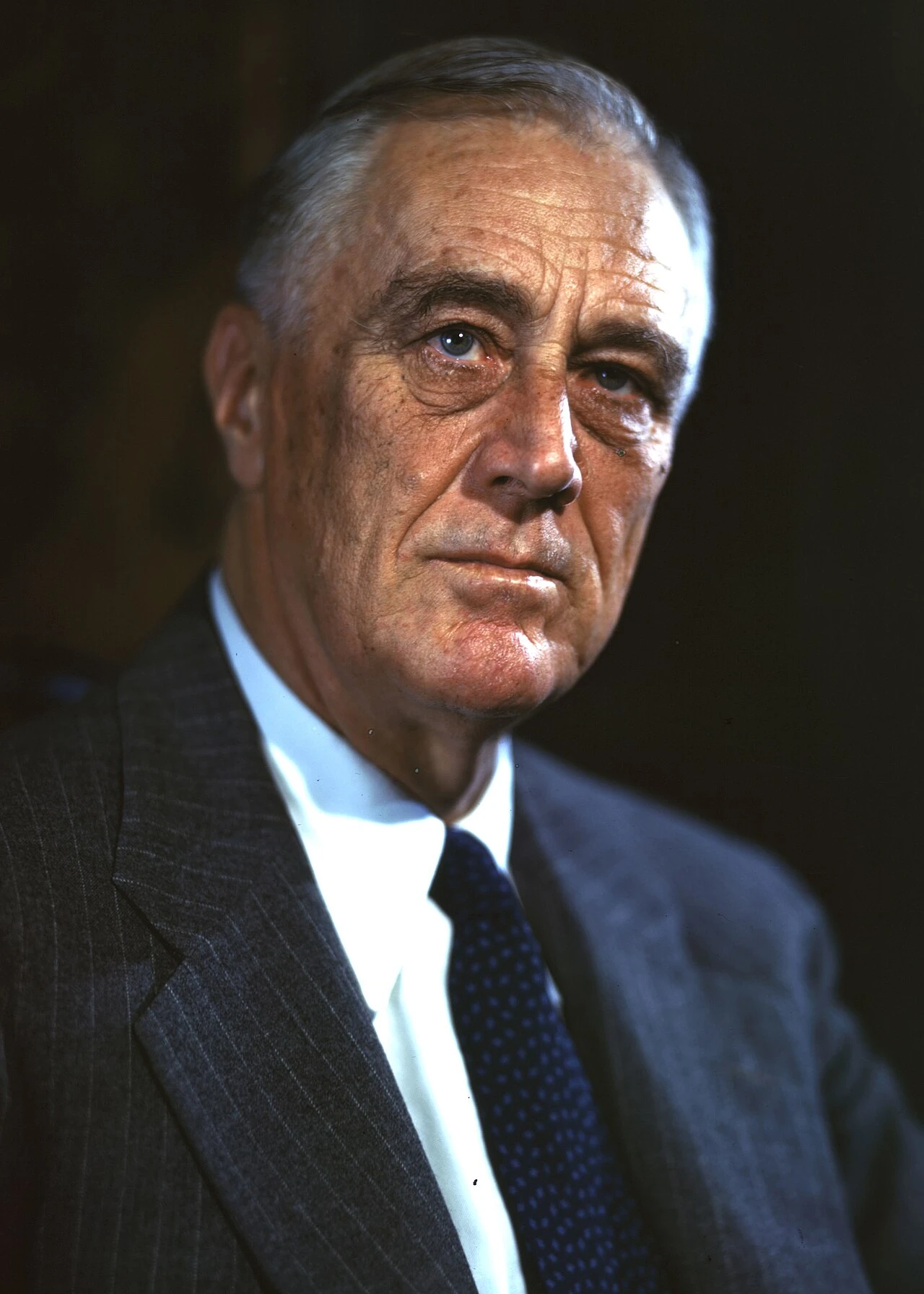
Roosevelt at Charlottesville — 10 June
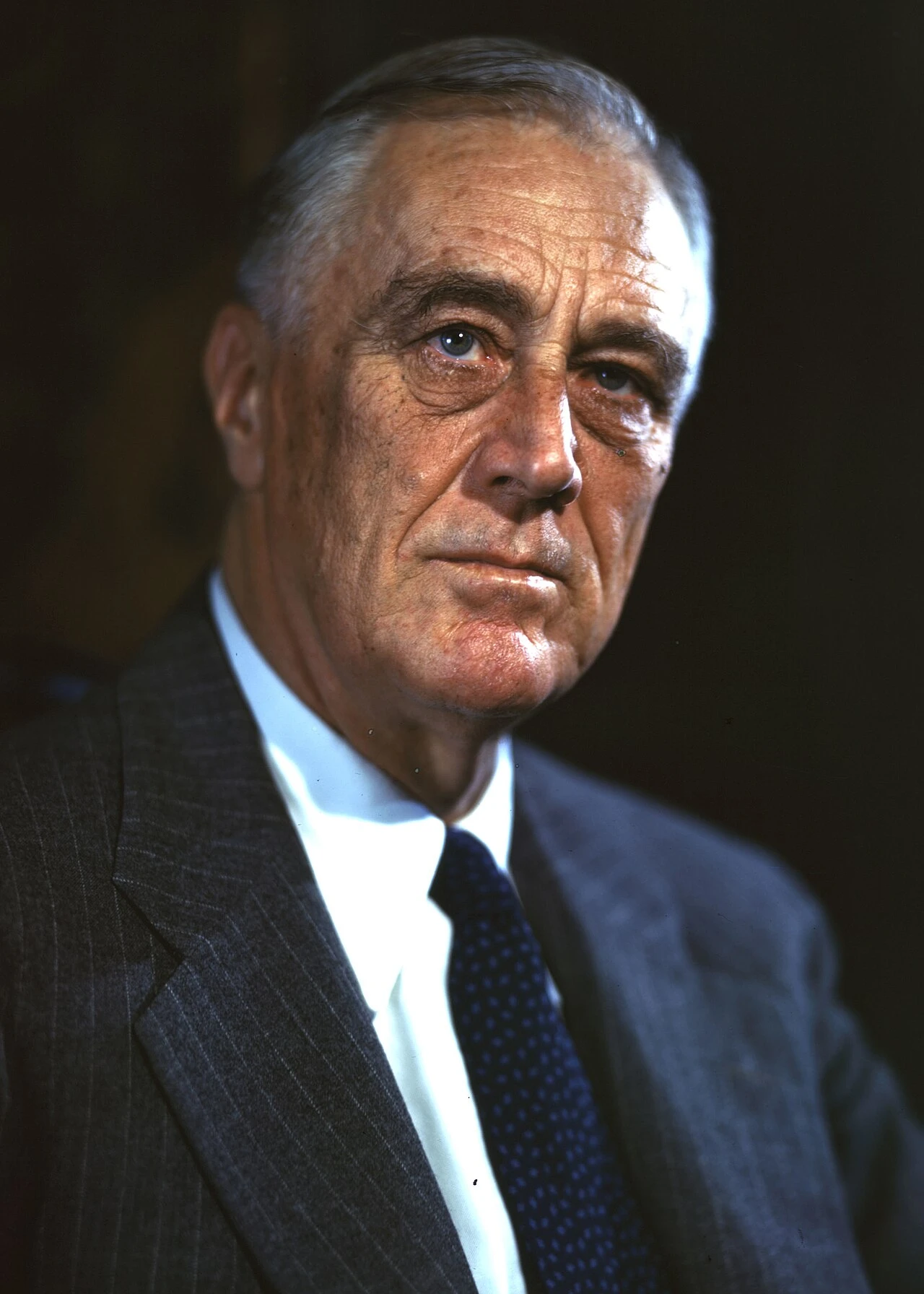
Roosevelt on the stump — "your boys"
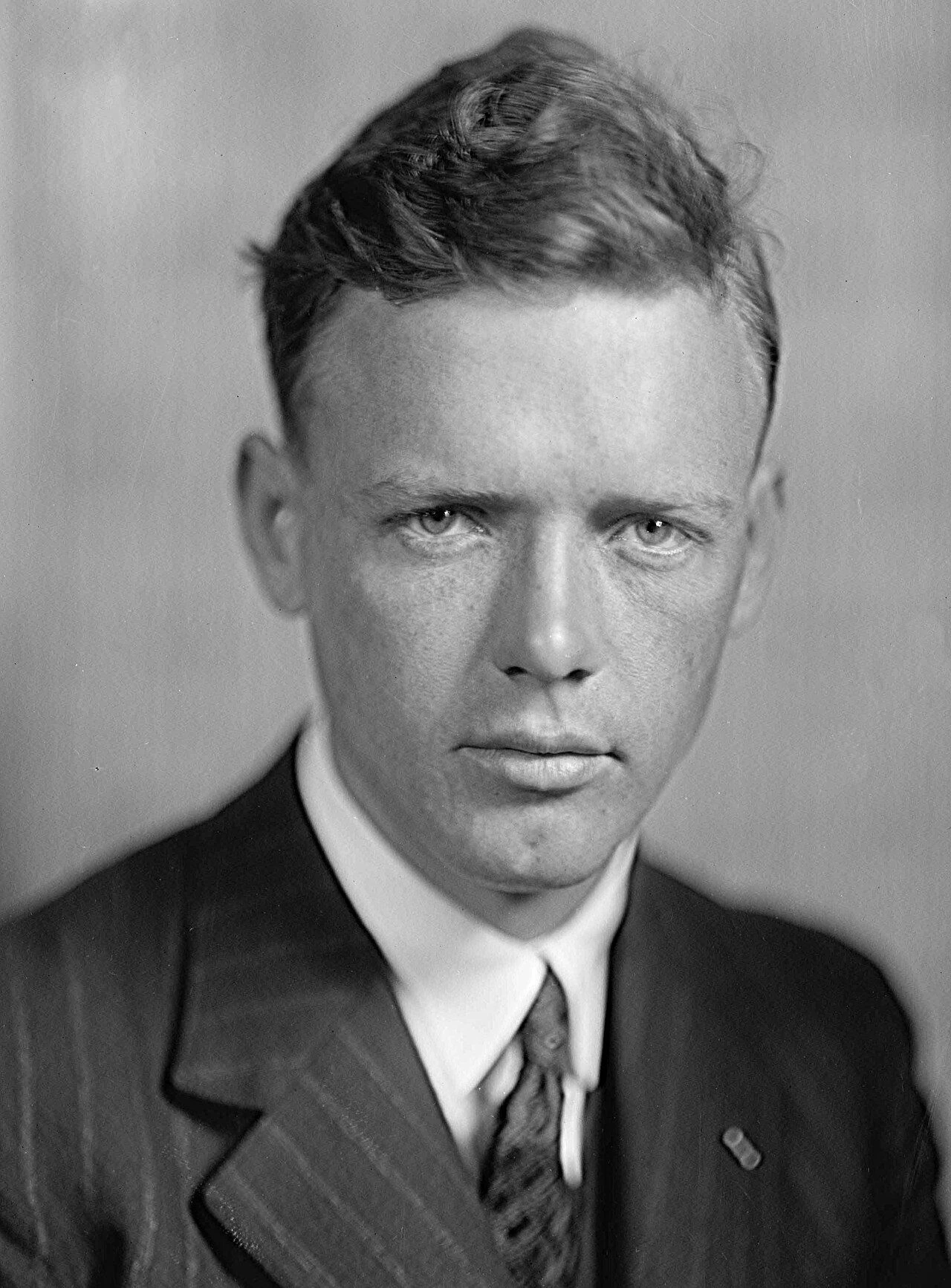
Charles Lindbergh — at the NBC Microphone
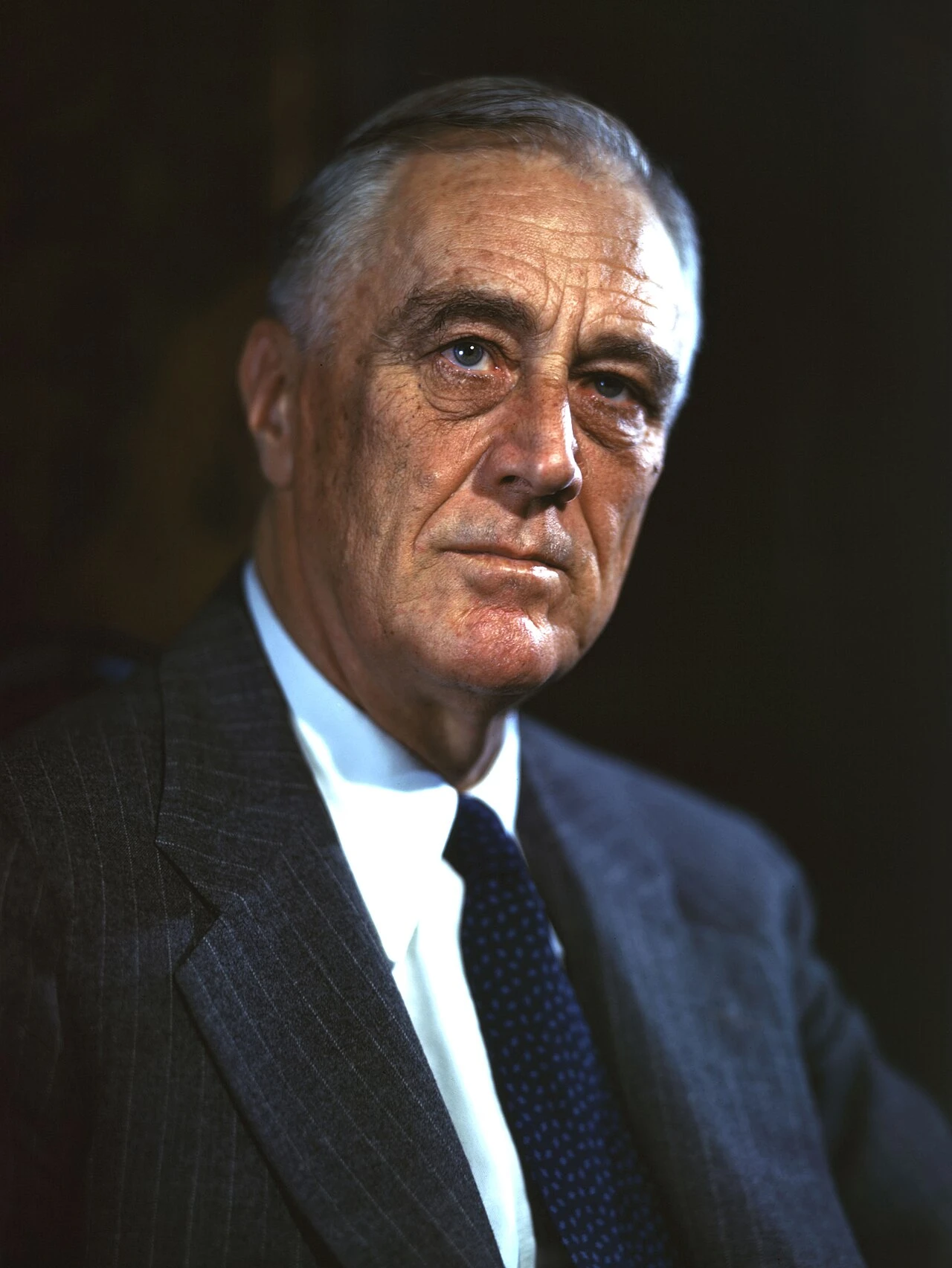
Should Stalin Be Armed?
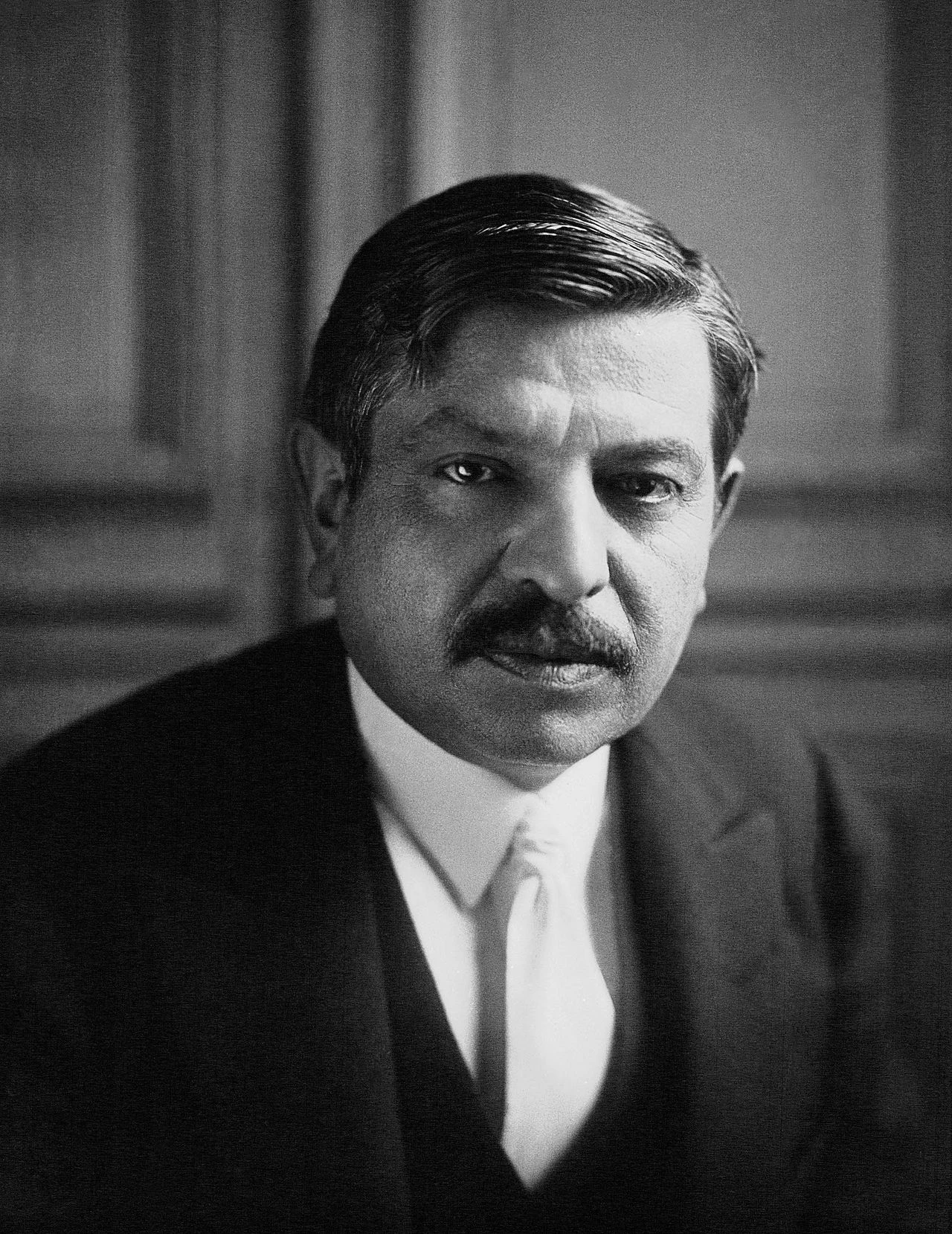
Laval at the Vichy Casino — 10 July
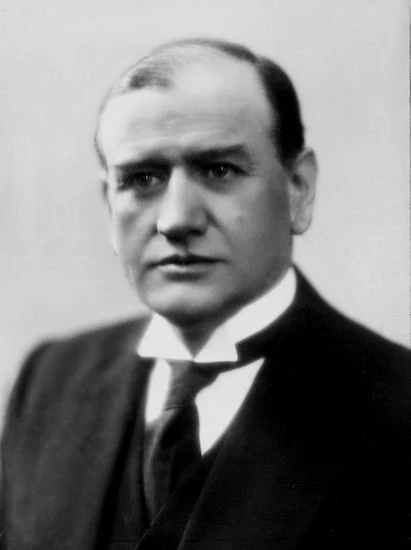
The Massilia — Bordeaux 21 June
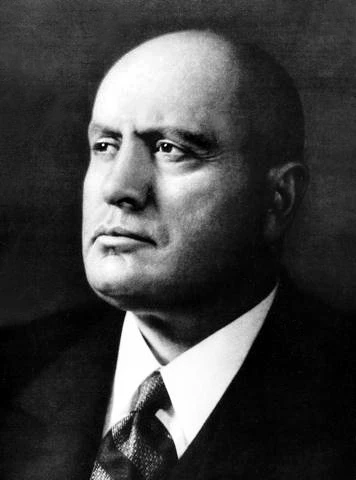
Mussolini on the Riviera — 21 June
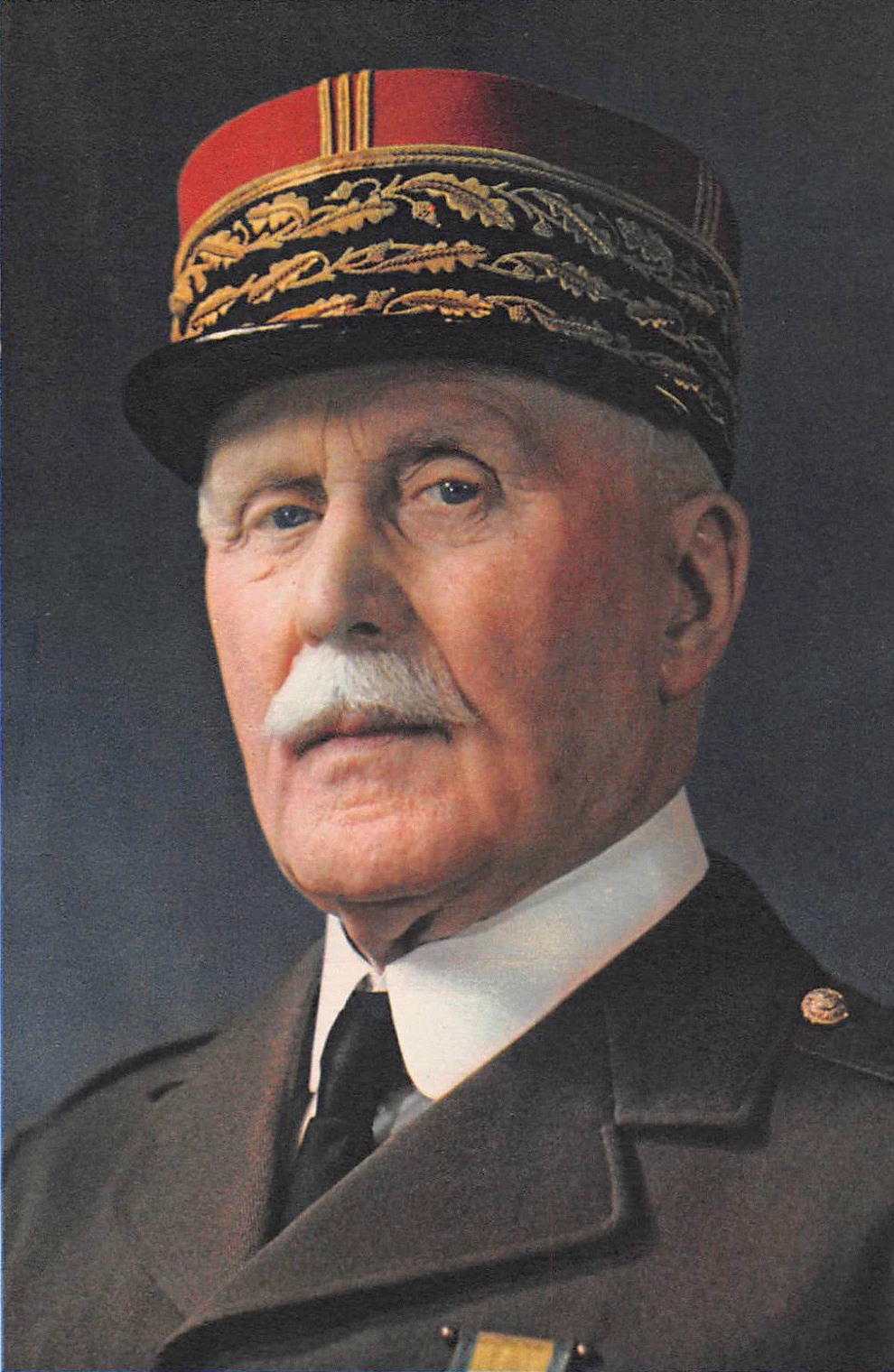
Pétain Faces Mers-el-Kébir
Reynaud faces the Council — Bordeaux, 16 June, 22:00
Roosevelt — revising the Neutrality Act
Roosevelt at Charlottesville — 10 June
Roosevelt on the stump — "your boys"
Charles Lindbergh — at the NBC Microphone
Should Stalin Be Armed?
Laval at the Vichy Casino — 10 July
The Massilia — Bordeaux 21 June
Mussolini on the Riviera — 21 June
Pétain Faces Mers-el-Kébir
Reynaud faces the Council — Bordeaux, 16 June, 22:00