
Mackay and the Australians at Bardia
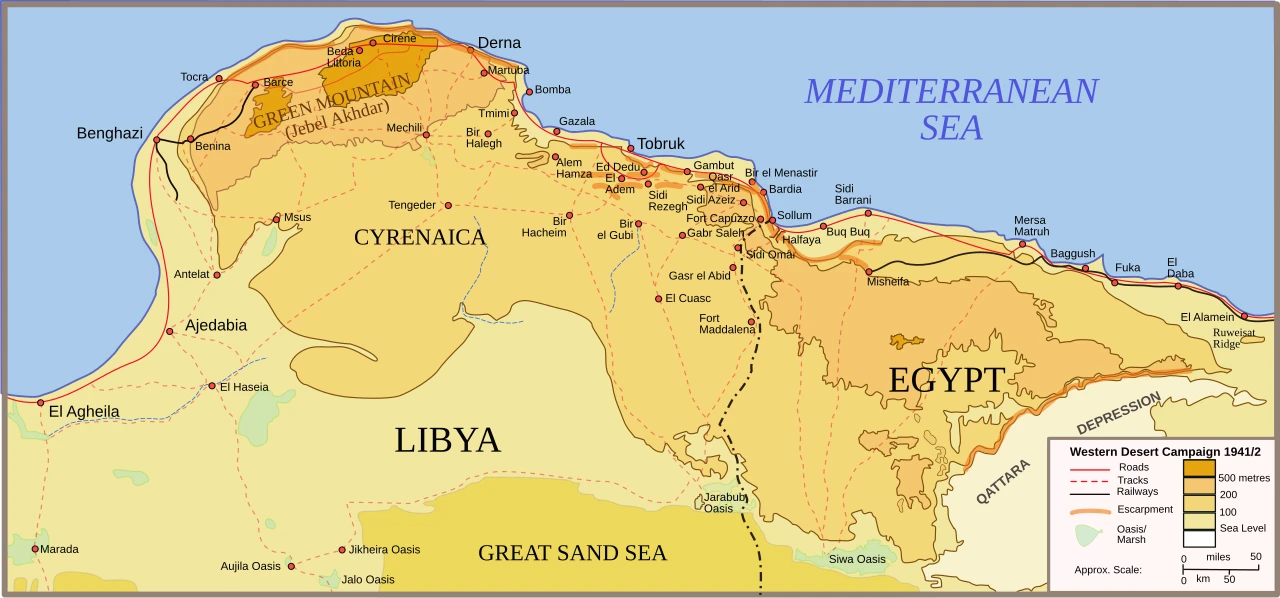
After the Italian collapse at Sidi Barrani, Operation Compass drives on into Libya. The fortress of Bardia, in Cyrenaica, defended by four Italian divisions under General Bergonzoli ('Electric Whiskers'), bars the road to Tobruk. Its defenses are serious: a perimeter of fortifications, anti-tank ditches, barbed wire and minefields.
The of Major-General is to make the assault — the first of the war under Australian command. But the division is under strength, short of tanks, and must rely on a handful of British heavy Matildas and on artillery. The doctrine calls for breaching the perimeter, neutralizing the enemy artillery, and then passing the armor through.
Mackay must decide how to attack a fortified position with limited means: launch the frontal assault as soon as possible despite his incomplete forces; wait for reinforcements and stronger armored support at the risk of letting the enemy recover; or settle for a siege. The pressure of the timetable — Tobruk must follow at once — weighs on the decision.
How should Mackay carry the fortress of Bardia?
Mackay applied A. At dawn on 3 January 1941 the opened a breach, the infantry advanced behind an artillery barrage, and the Matildas exploited the gap. In three days Bardia fell: some 40,000 Italian prisoners, hundreds of guns, for light Australian losses. Bergonzoli once again slipped away. The victory confirmed the value of the Australian infantry and the superiority of the Matildas, all but invulnerable to Italian guns. Without pausing, the division pushed on to Tobruk, which would fall three weeks later. Bardia illustrated the relentless mechanics of Compass: methodical assaults, well-coordinated armored and artillery support, against a numerous but poorly equipped and demoralized enemy.
Learn more about this event
Related polls
10
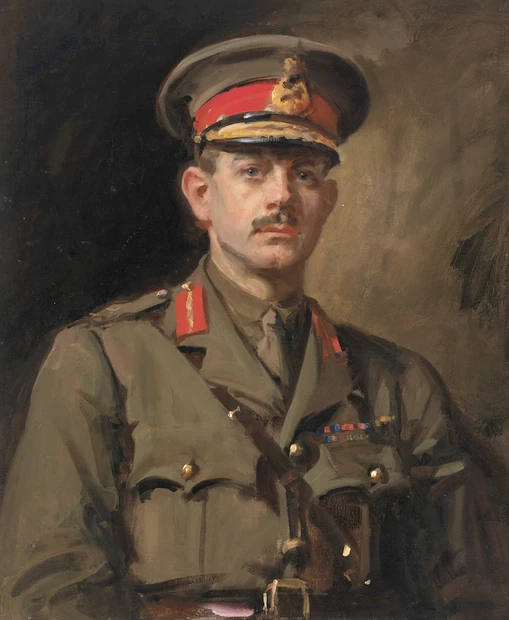
Mackay before Tobruk — the assault
The Greeks at the Klisura Pass
O'Connor launches Compass — Sidi Barrani
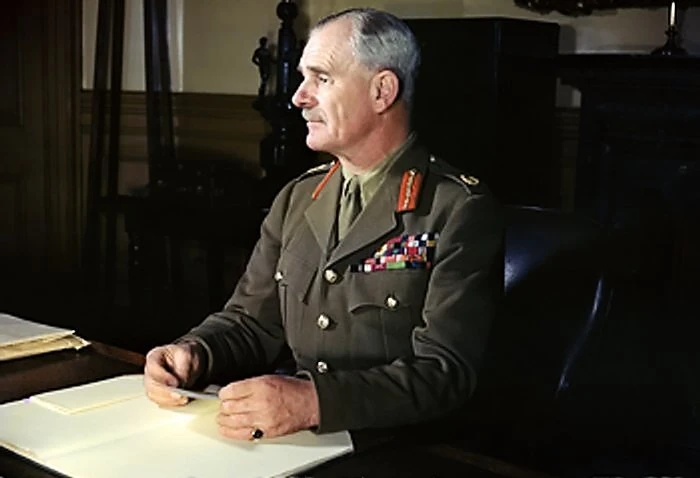
Battleaxe — Wavell before Halfaya
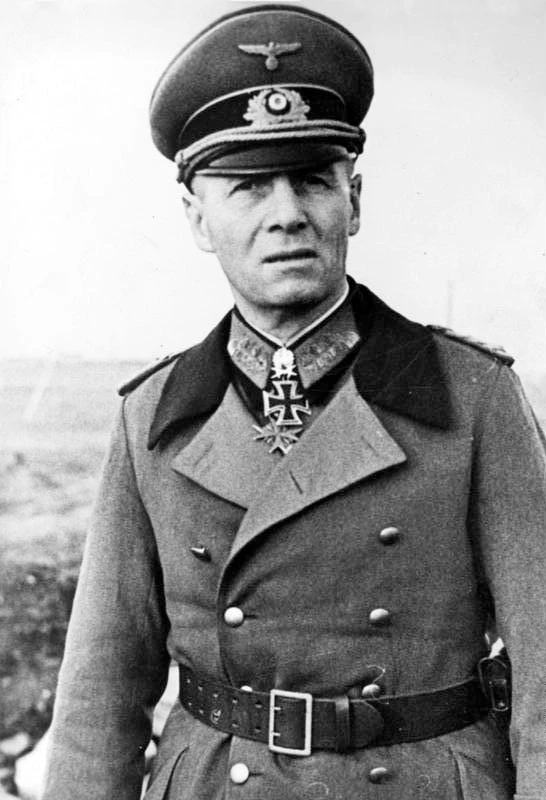
Hitler sends Rommel to Africa
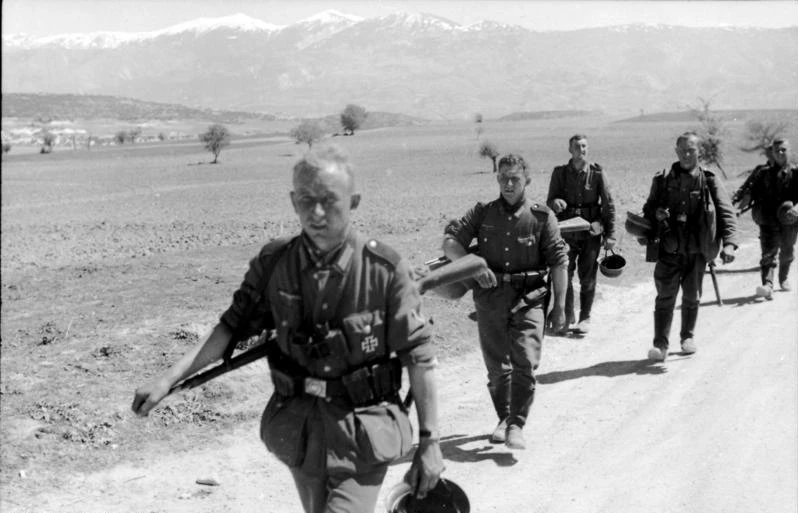
Marita — the invasion of Greece
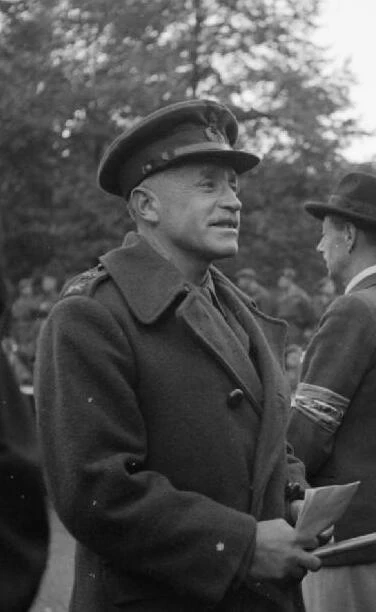
O'Connor at Beda Fomm
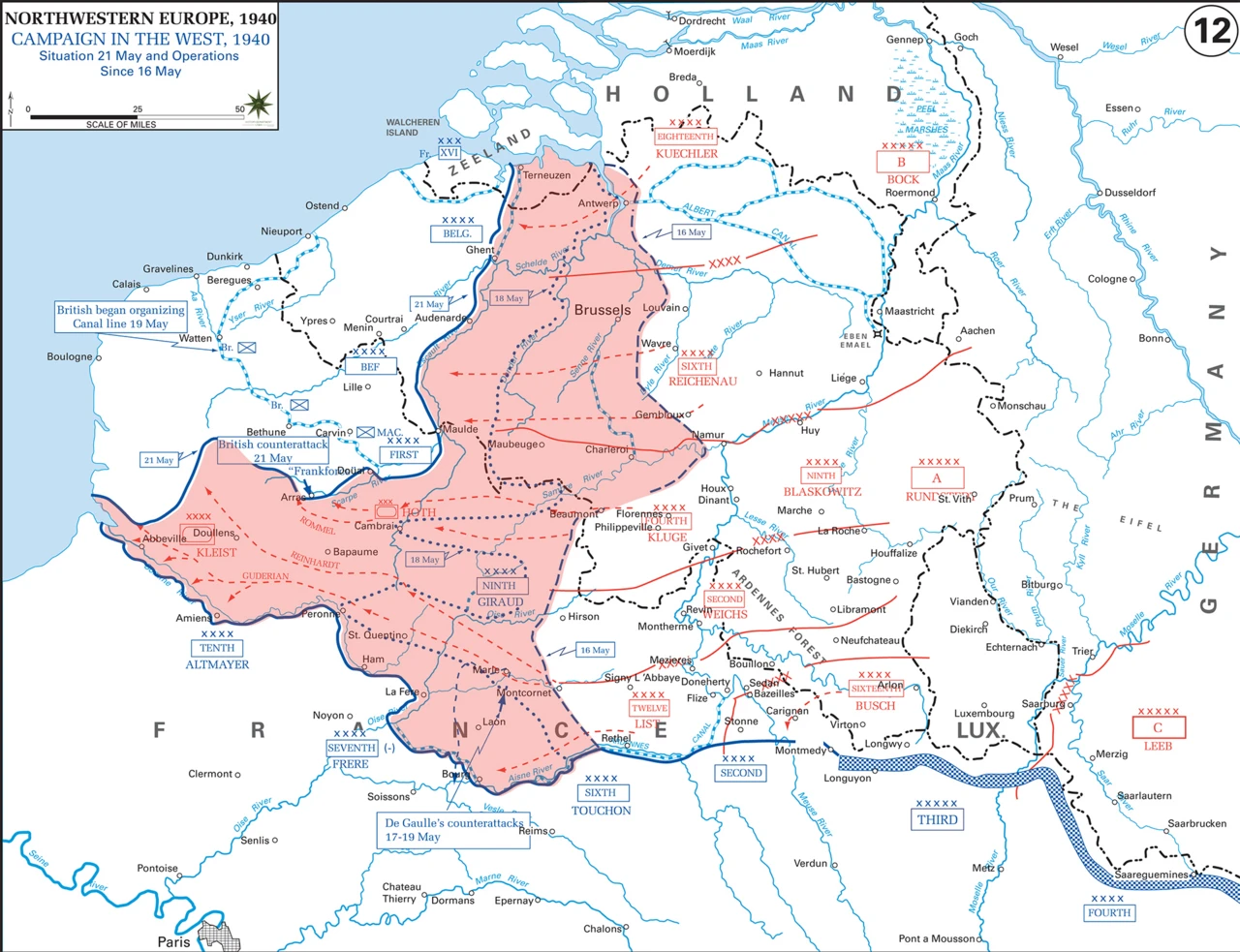
Arras — the Matildas against Rommel's flank
The Houx weir
De Gaulle at Abbeville
Mackay before Tobruk — the assault
The Greeks at the Klisura Pass
O'Connor launches Compass — Sidi Barrani
Battleaxe — Wavell before Halfaya
Hitler sends Rommel to Africa
Marita — the invasion of Greece
O'Connor at Beda Fomm
Arras — the Matildas against Rommel's flank
The Houx weir