
, 69, had been financial adviser (Speciale Amministrazione) to the Vatican since 1929 — a post created by after the Lateran Accords (1929), which had granted the Holy See 750 million lire of Italian indemnity. Nogara's mission: invest that capital to secure the Vatican's financial independence. Original profession: engineer, former director of the Banca Commerciale Italiana.
On 1 September 1939, the Nogara portfolio exceeded 2 billion lire — invested in multinational equities (Bayer, Krupp, Beretta, IBM, Standard Oil, General Motors), real estate (Rome, New York, Geneva), and gold (300 tons stored at Fort Knox and in Geneva). War forced rapid choices: exposure to German industry, redeployment toward the American and Swiss markets, safekeeping of the gold as Italy leaned toward belligerence.
A delicate question arose: what to do with the Vatican's assets in occupied Poland (~50 million lire in properties and businesses)? Negotiate compensation with the Reich, liquidate hastily to salvage what could be salvaged, or leave the assets in the hands of the Polish bishoprics, betting on the outcome of the war?
Nogara had to decide.
How should Nogara manage the assets in occupied Poland?
Nogara applied B. No hasty liquidation of the Vatican's assets in Poland — the local Polish administrators (bishops, monasteries) kept the management. This decision preserved the essentials for 1945. From the start of the war, Nogara liquidated the German equities (Krupp, IG Farben, Bayer) before the Reich took control of industry, bought heavily into American equities (Coca-Cola, Standard Oil, RCA) and Swiss ones (Nestlé, Roche), and transferred the Vatican gold from Rome to Switzerland and the United States. The Vatican Bank, created in 1942 — IOR, Istituto per le Opere di Religione — became one of the largest foreign investors on Wall Street. At the Liberation, the Vatican portfolio was worth 3.5 billion — more than before the war. Nogara remained as adviser until his death in November 1958 (two years after ). His economic legacy to the Vatican was immense: he turned the papal state into a world financial power, but his management remains controversial (relations with fascist banks, purchases of industrial positions in firms producing for belligerents on both sides, opacity). The creation of the IOR in 1942 is today regarded as one of the most opaque banking structures in the world — successive scandals (Banco Ambrosiano 1982, scandals 2010-2020).
Learn more about this event
Related polls
10
Baumgartner and the gold of the Banque de France
The Karten: Rationing Germany at War
The Gold of the Bank of Poland — the destination of the SS Eocene
Salazar in Lisbon — under triple pressure
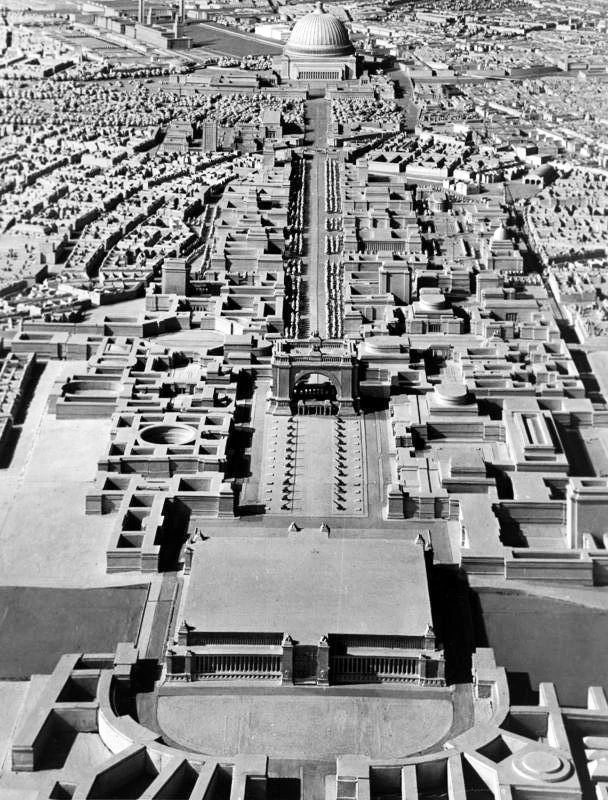
Speer and the Germania trade-off
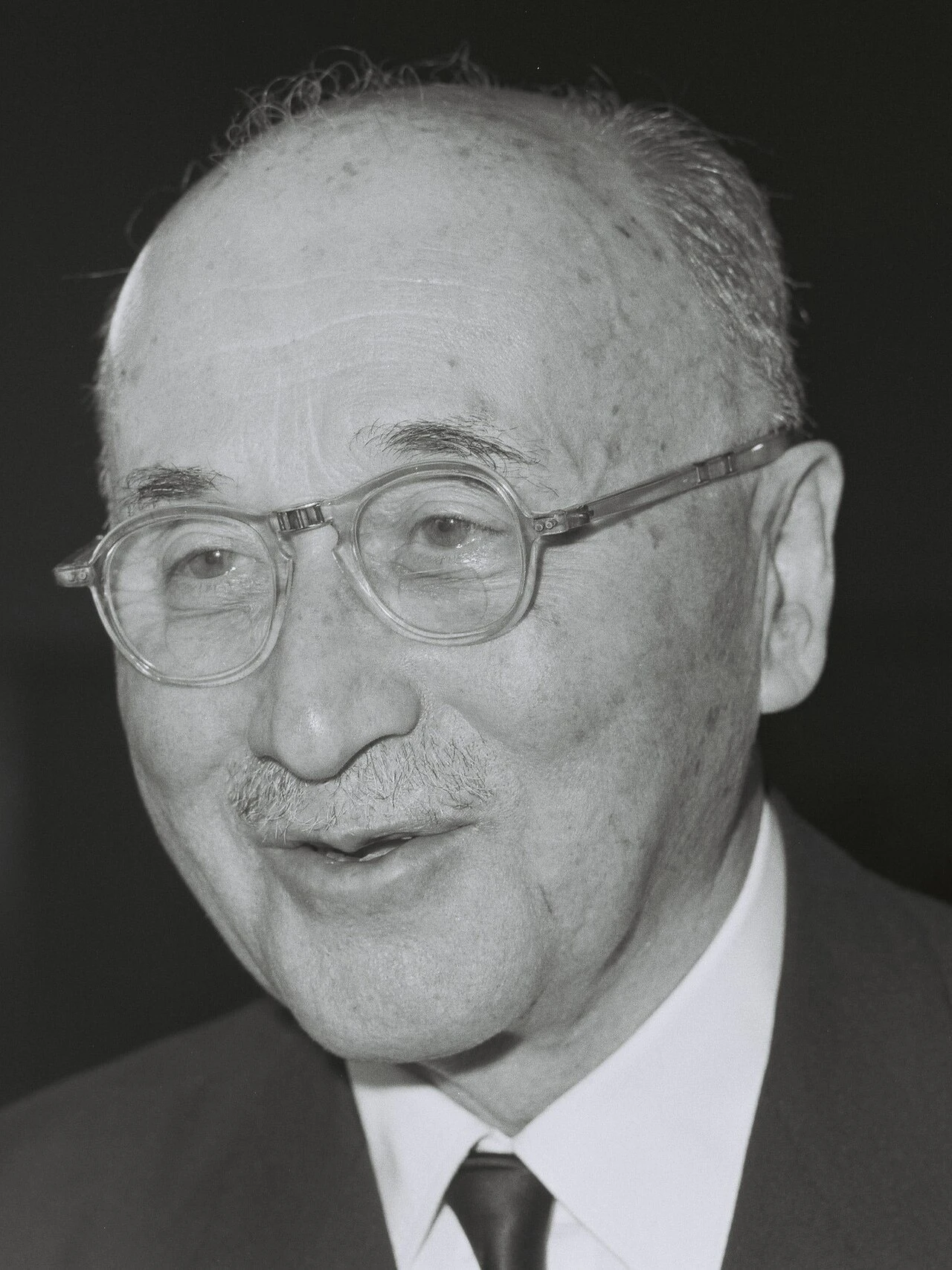
Buy Each for Themselves or with a Single Voice
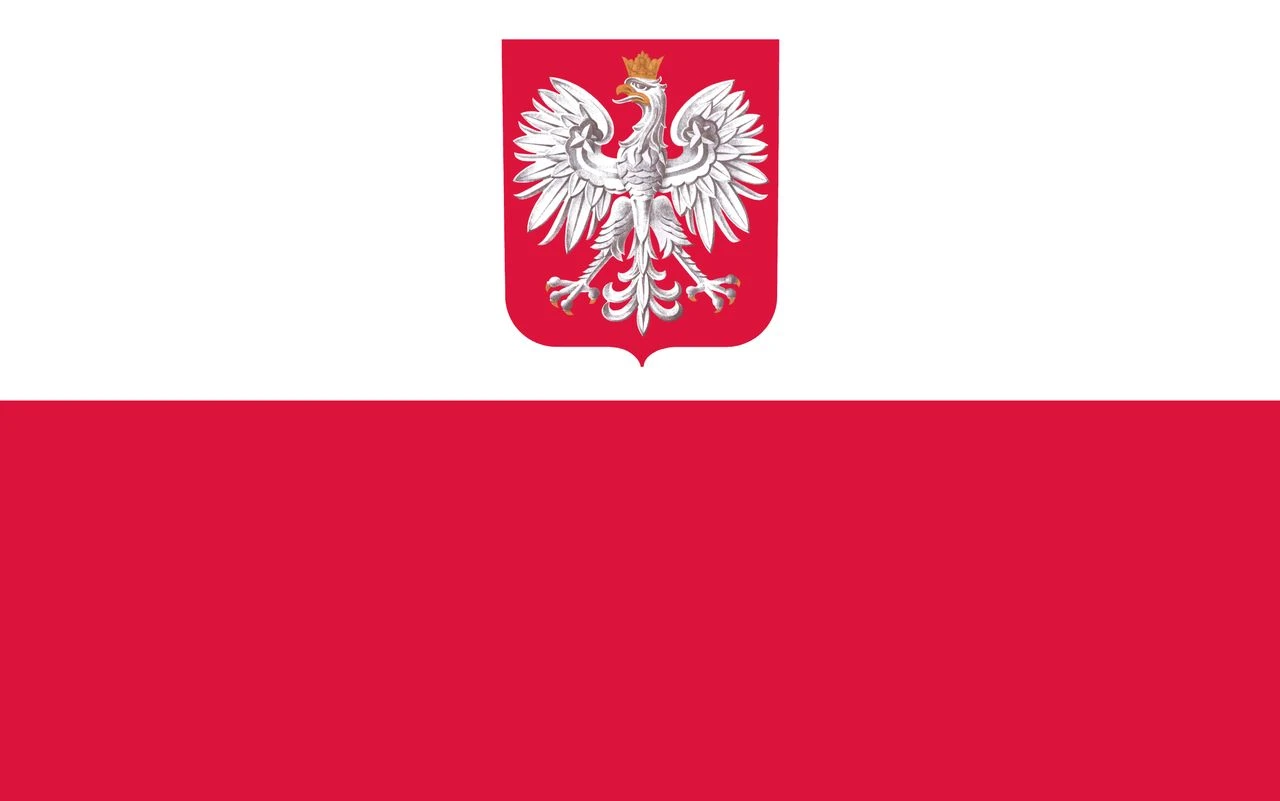
Borakowski and the merchant fleet
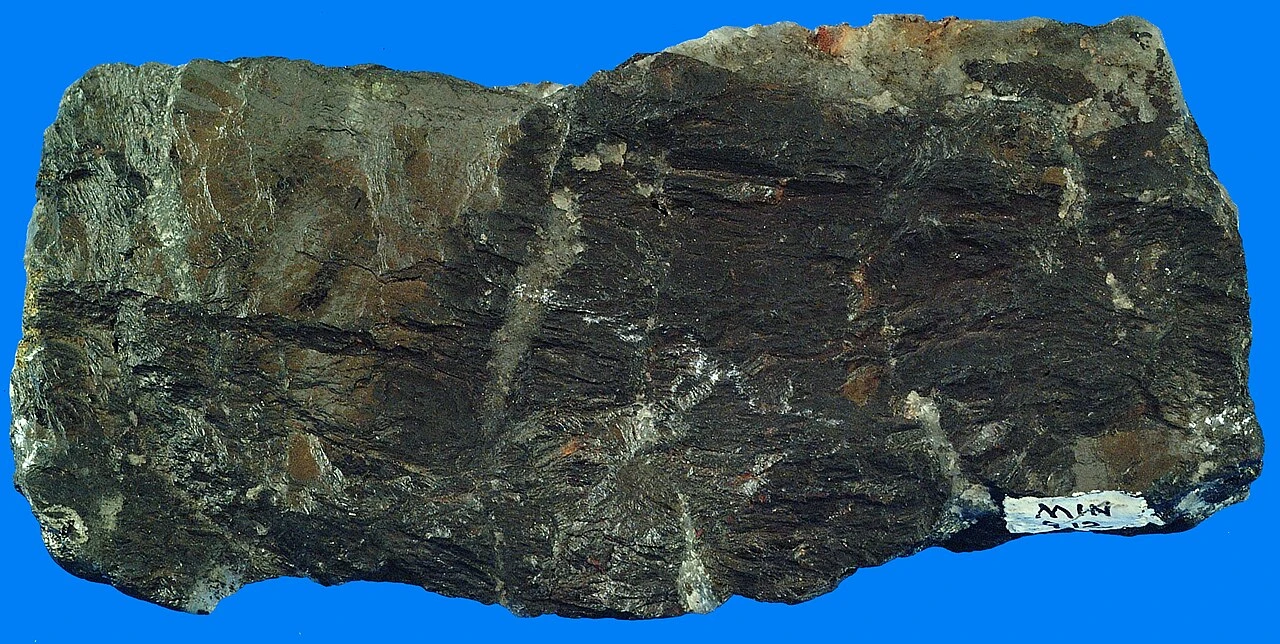
Chongqing's Strategic Ore
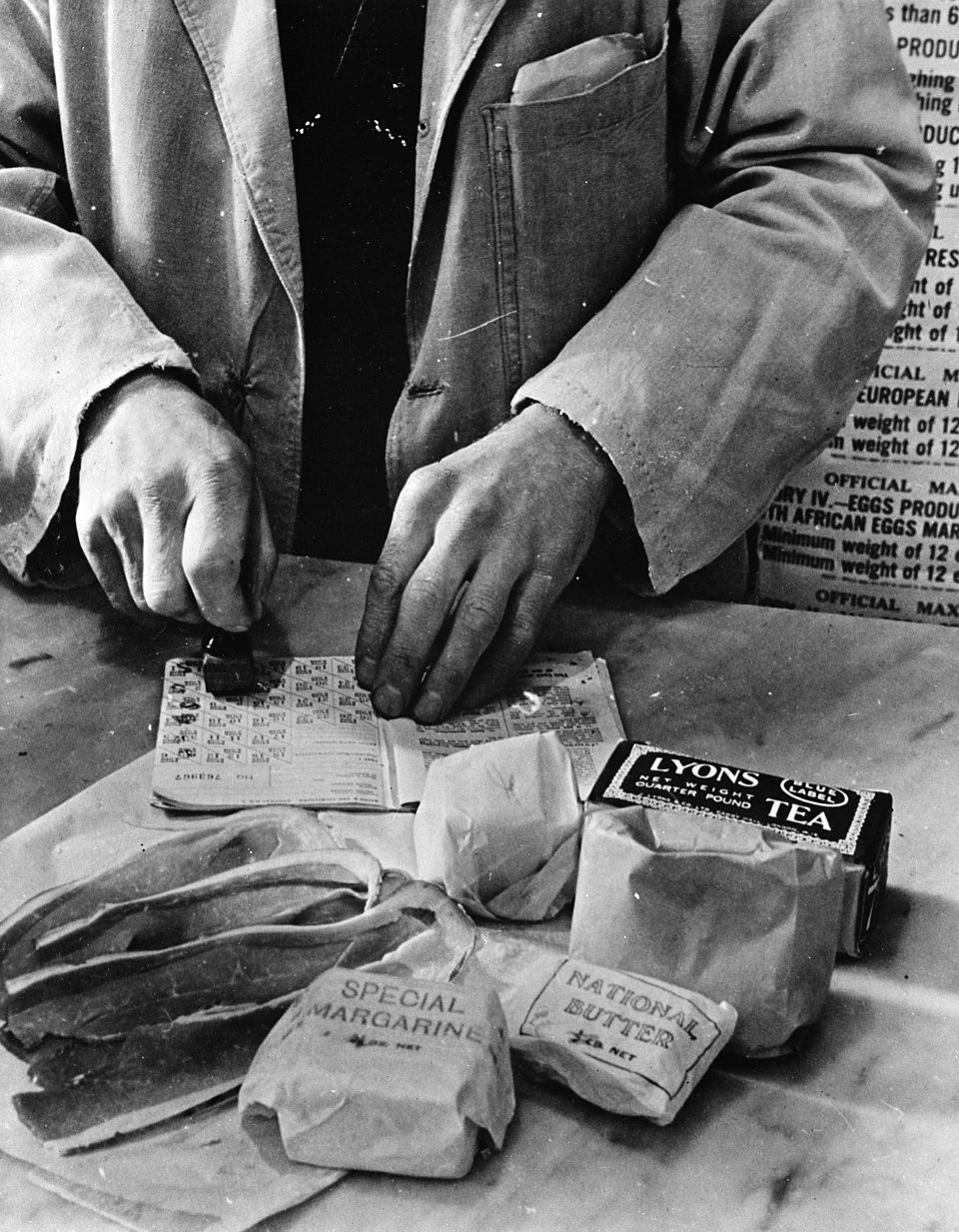
British rationing — Morrison and the principle
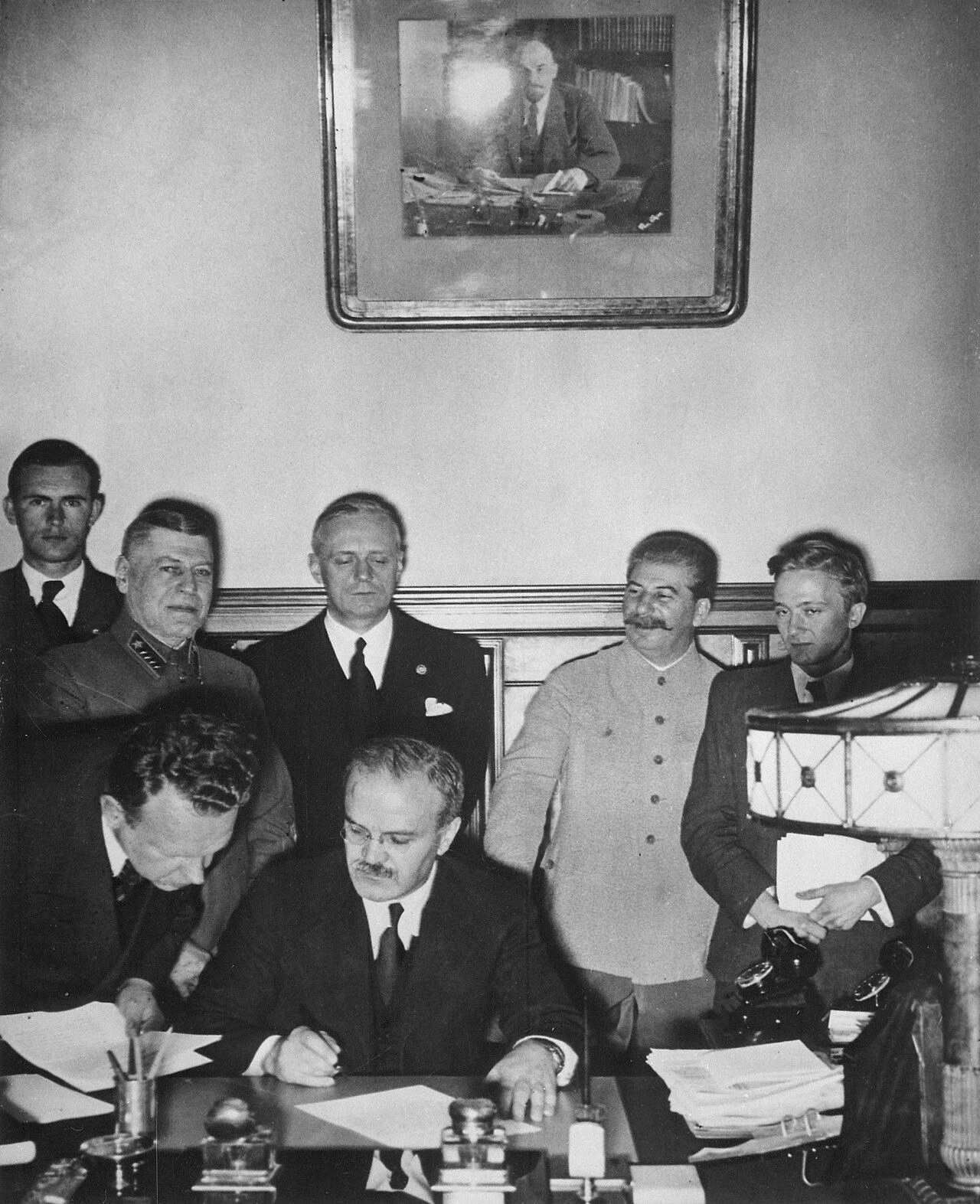
Schnurre in Moscow — the Commercial Agreement
Baumgartner and the gold of the Banque de France
The Karten: Rationing Germany at War
The Gold of the Bank of Poland — the destination of the SS Eocene
Salazar in Lisbon — under triple pressure
Speer and the Germania trade-off
Buy Each for Themselves or with a Single Voice
Borakowski and the merchant fleet
Chongqing's Strategic Ore
British rationing — Morrison and the principle