
Hitler Postpones Fall Weiss
The attack on Poland, plan « Fall Weiss », is set for the dawn of 26 August 1939. The troops are in place, some units already moving towards their start positions. Hitler believes he has assembled every condition: the pact with the USSR rules out the second front, and he gambles on the passivity of the West.
But on 25 August, two pieces of news cross him. In London, the United Kingdom has just transformed its guarantee into a formal alliance with Poland — proof of a determination Hitler had hoped to bend. In Rome, Mussolini backs away, depriving Germany of Italian support and revealing cracks in the Axis camp.
Hitler must decide in haste, with the war machine already set in motion. Maintain the attack for the 26th, at the risk of facing a resolute coalition from the outset? Postpone it by a few days to test diplomacy further and try to detach London from Warsaw? Or renounce it, as the mediators hope? The order, or the counter-order, must go out in the coming hours, while hundreds of thousands of men already wait along the frontier.
Should Hitler maintain the attack of 26 August, postpone it, or renounce it in the face of Allied firmness?
Hitler chooses B: on the evening of 25 August, he cancels the attack planned for the next day — a counter-order issued in extremis, when units were already on the march, which causes border incidents. He turns the following days to account with intense diplomatic agitation: disguised ultimatums, the demand for a Polish plenipotentiary in Berlin, manoeuvres designed to divide the Allies or to shift onto Poland the responsibility for the war. None bends London or Warsaw. The postponement will have been only a reprieve: Hitler resets the attack for 1 September.
Learn more about this event
Related polls
10
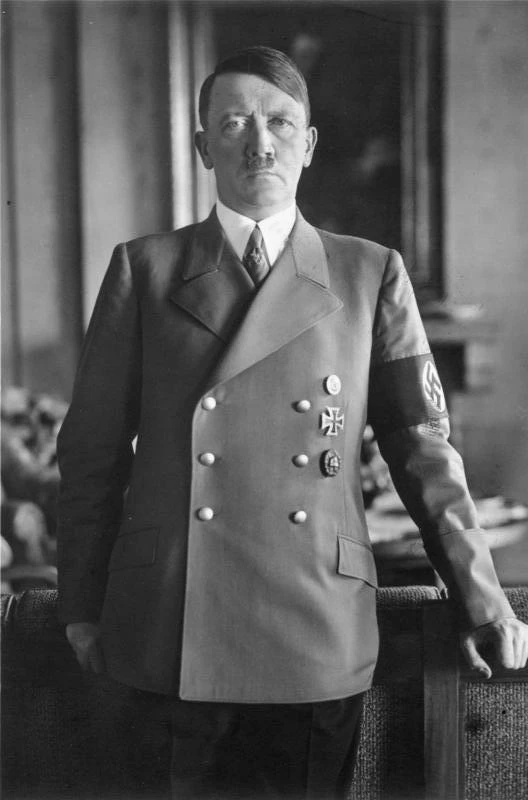
The Obersalzberg Speech
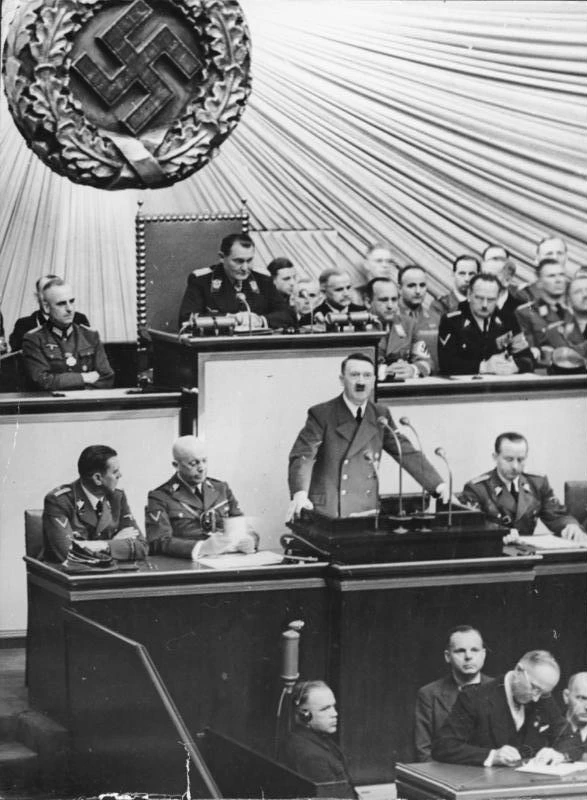
Hitler — the Reichstag Speech
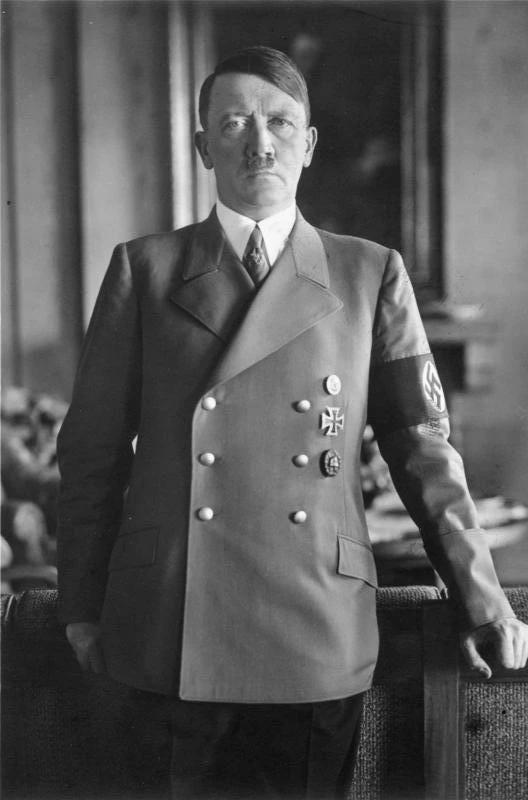
Hitler Before His Generals
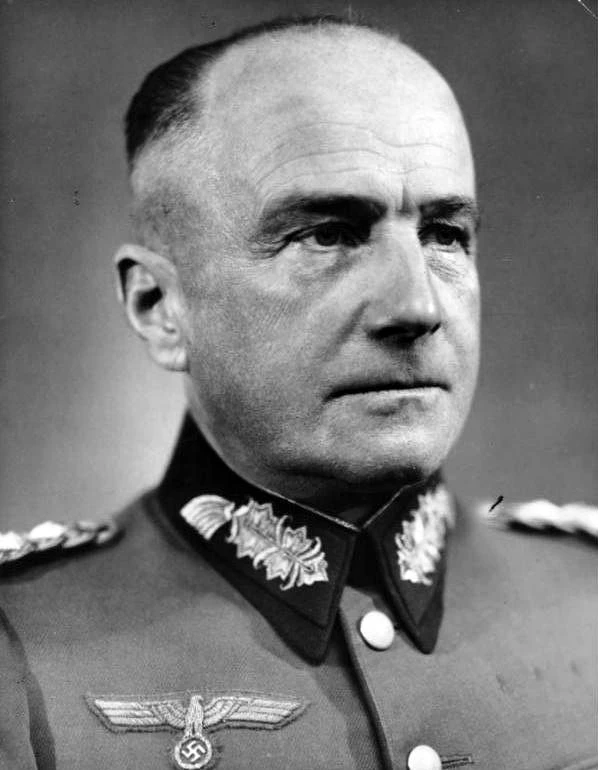
Brauchitsch — Reich Chancellery, 5 November
Bulgaria: lock of the Balkans, a price to pay
Hitler After Molotov — Berlin, November 1940
Hitler and Fall Gelb — 29 postponements
Japan Disoriented
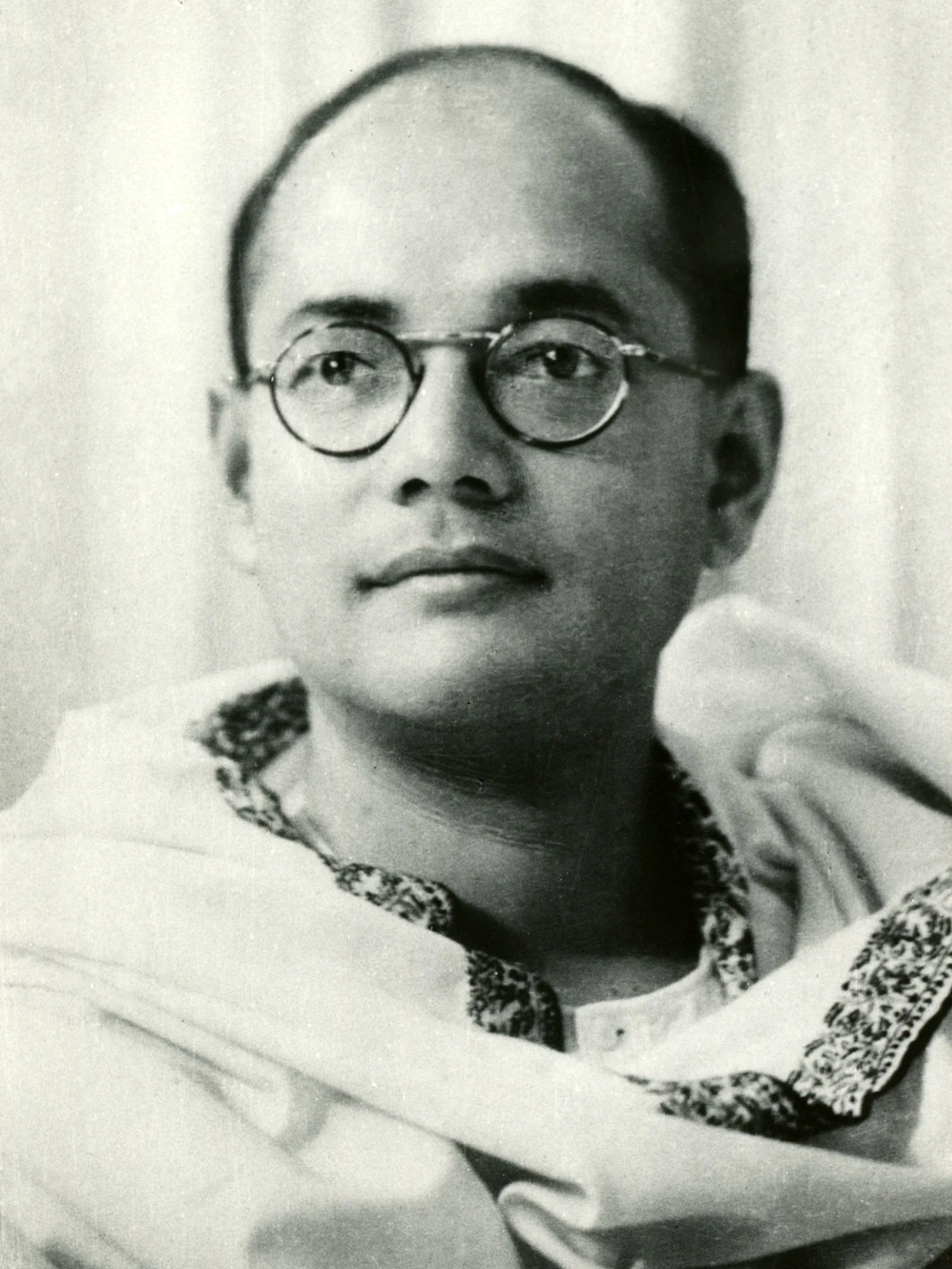
The Indische Legion — Subhas Chandra Bose in Berlin
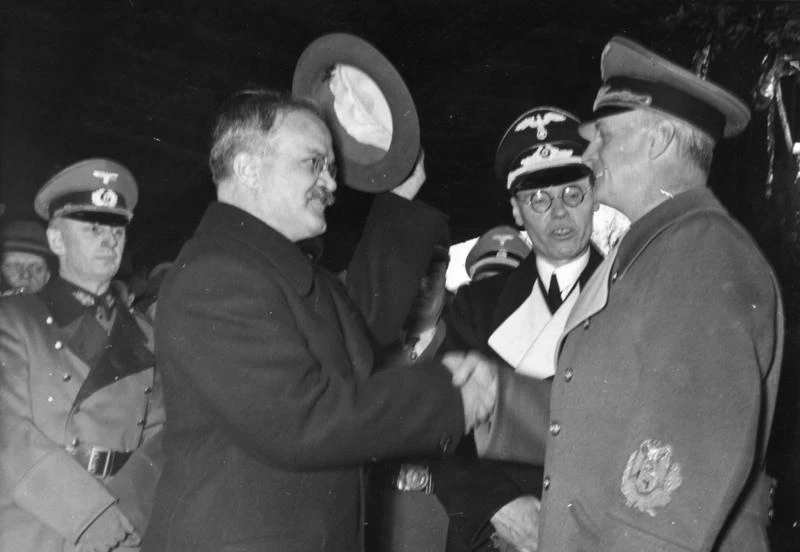
Molotov in Berlin — November 12
The Obersalzberg Speech
Hitler — the Reichstag Speech
Hitler Before His Generals
Brauchitsch — Reich Chancellery, 5 November
Bulgaria: lock of the Balkans, a price to pay
Hitler After Molotov — Berlin, November 1940
Hitler and Fall Gelb — 29 postponements
Japan Disoriented
The Indische Legion — Subhas Chandra Bose in Berlin