
France's March 1940 Ration Card
Contrary to popular belief, France did not impose general rationing as soon as war was declared on 3 September 1939. The government, anxious about morale during the "Phoney War," initially avoided ration cards. The first restrictions came only in December 1939 with the "days without": meat banned from Monday to Wednesday, alcohol forbidden on certain days in cafés.
The winter of 1939-1940 is harsh and pressures on supply are worsening. The Daladier government must decide on a more structured supply policy for the home front, even as the temptation of the black market is already circulating.
Should it stick to the "days without" and trust in civic spirit, organize complete administrative control of supply with individual ration cards, or let the market and prices operate freely? The choice bears on the fairness of the war effort at home.
After a hard winter, how should the French state manage civilian food supply?
Documented answer: B. The decree of 10 March 1940, supplemented by an interministerial order published the same day in the Journal officiel, organized the control of food supply and instituted the individual ration card. Every French citizen had to fill out a declaration before 3 April 1940 to be assigned to a category (based on age and occupation) granting entitlement to rations of food and coal. This was the first national framework for rationing, after only the "days without" of December 1939. But the military collapse of May-June 1940 prevented its implementation: the cards were not actually distributed. It was not until 23 September 1940, under the Occupation and the Vichy regime, that ration cards effectively came into force, ushering in years of shortage, queues, and black market.
Learn more about this event
Related polls
10
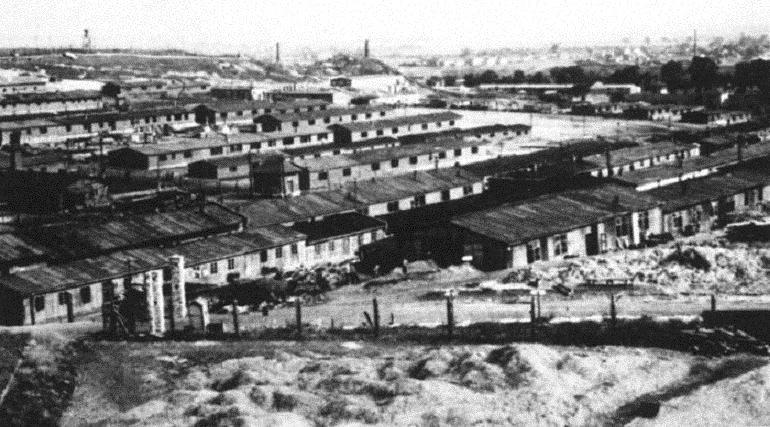
The Upper Silesian Pole Subjected to Forced Labour
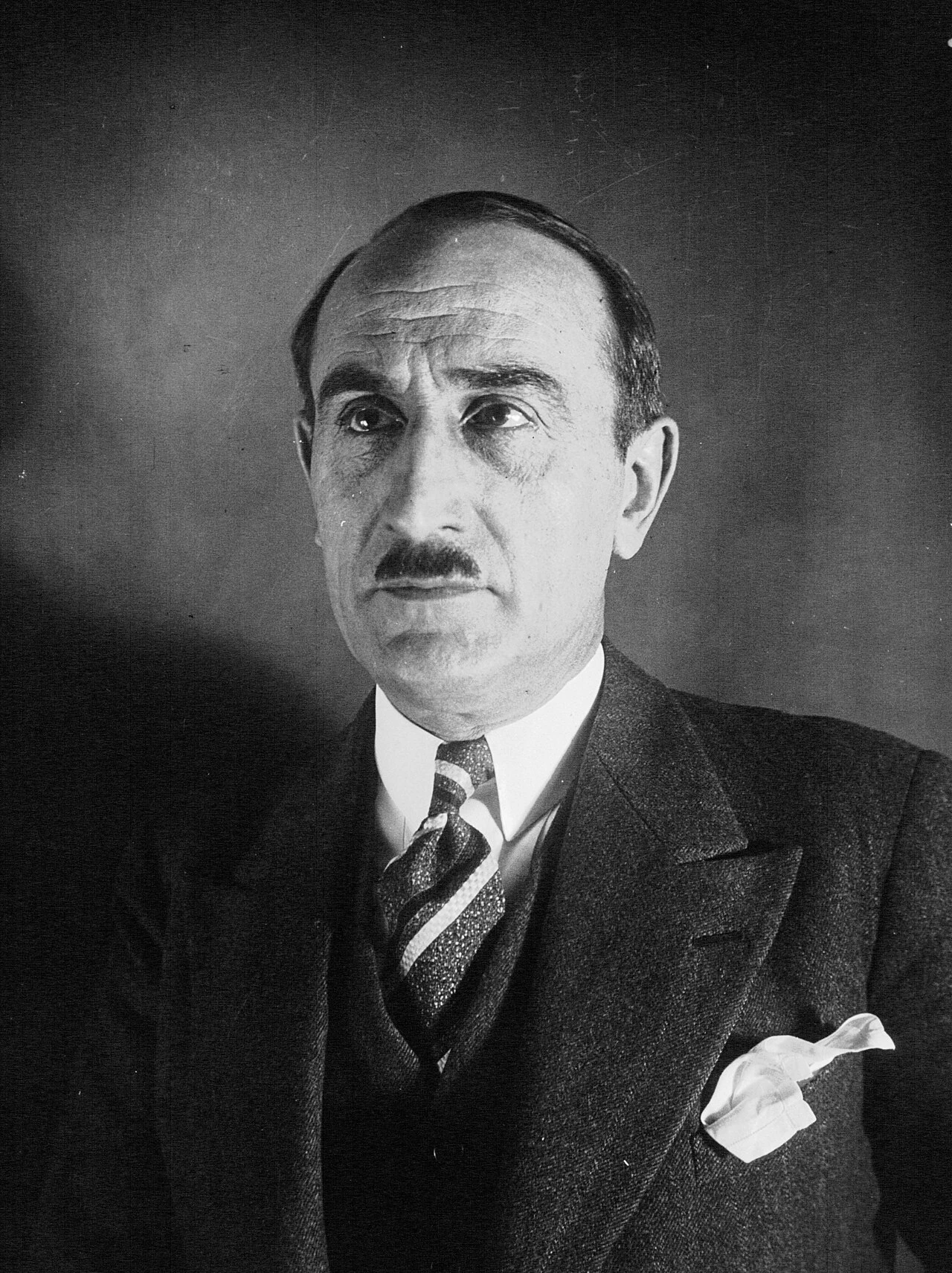
Marquet — Bordeaux overwhelmed, 12 June
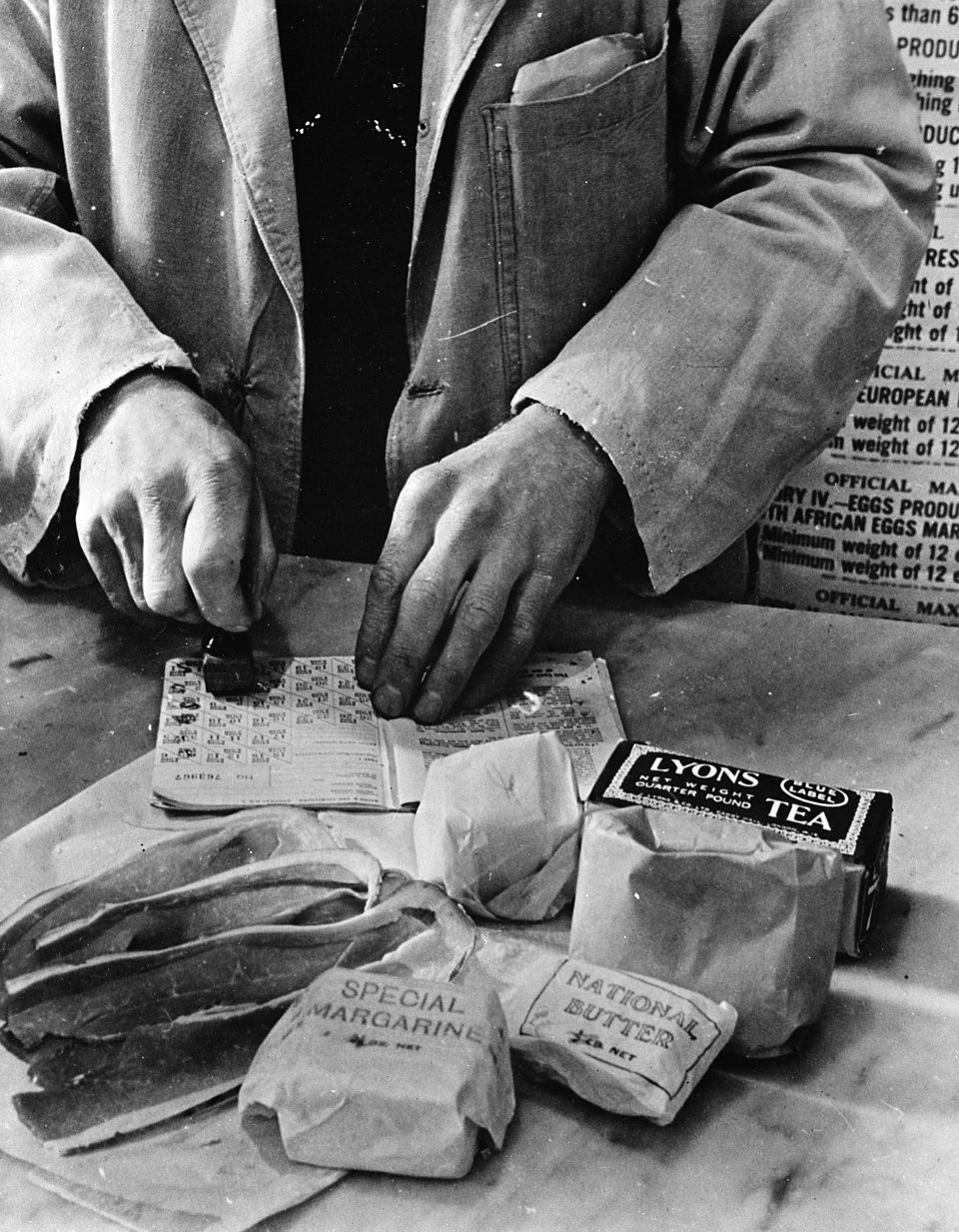
British rationing — Morrison and the principle
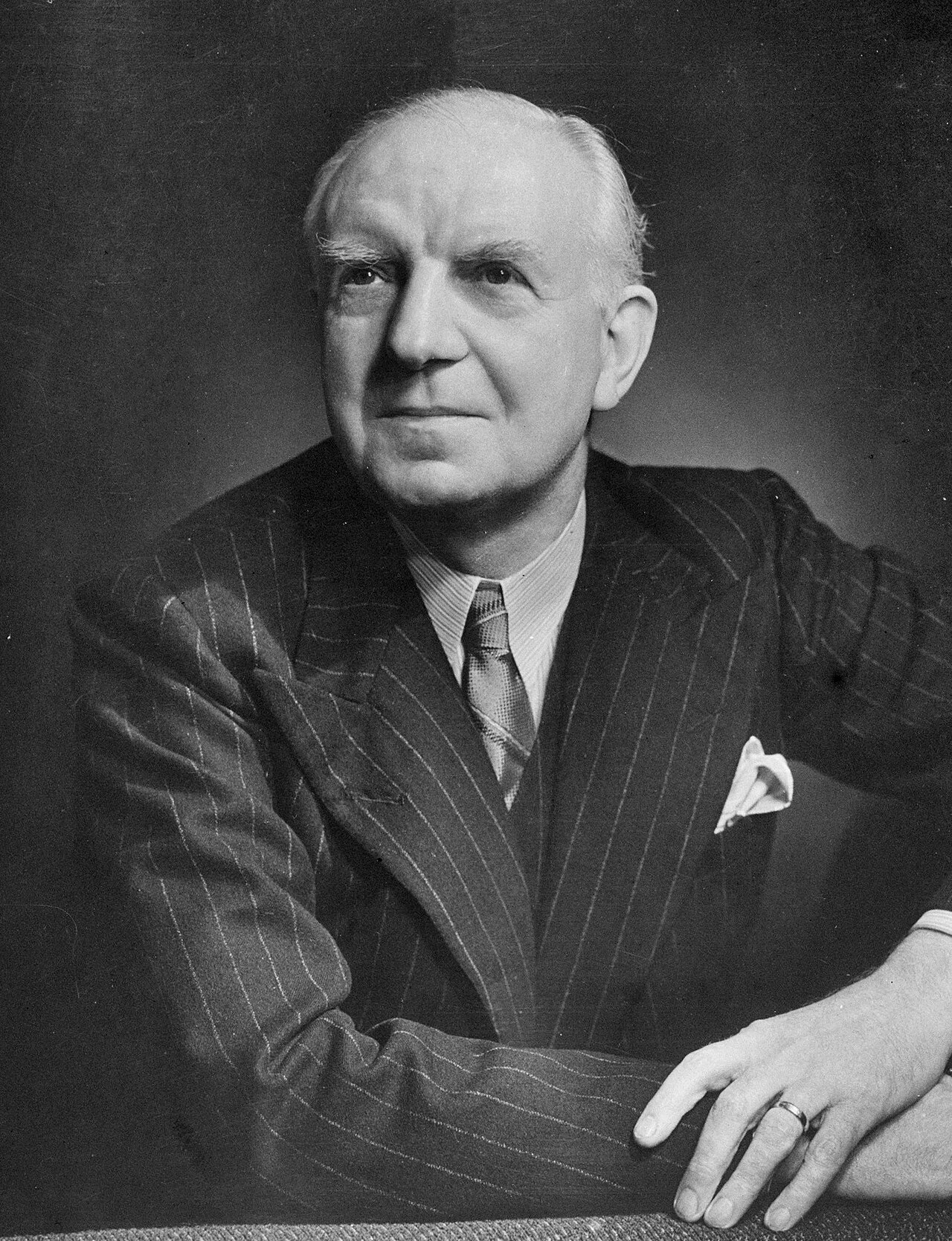
British rationing put to the test in 1941
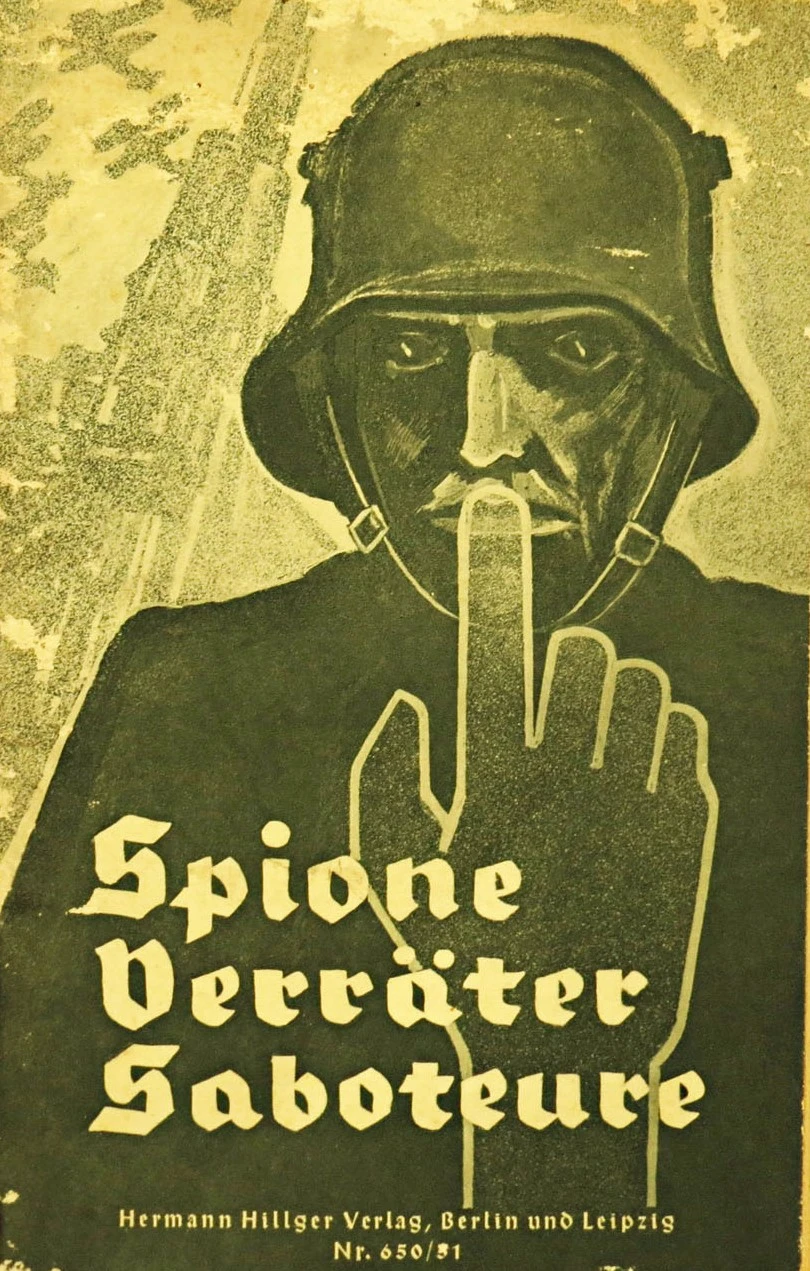
The Karten: Rationing Germany at War
Buy Each for Themselves or with a Single Voice
Hannah Arendt, Stateless and Interned, Facing Exile
The Police Informer During the Phoney War
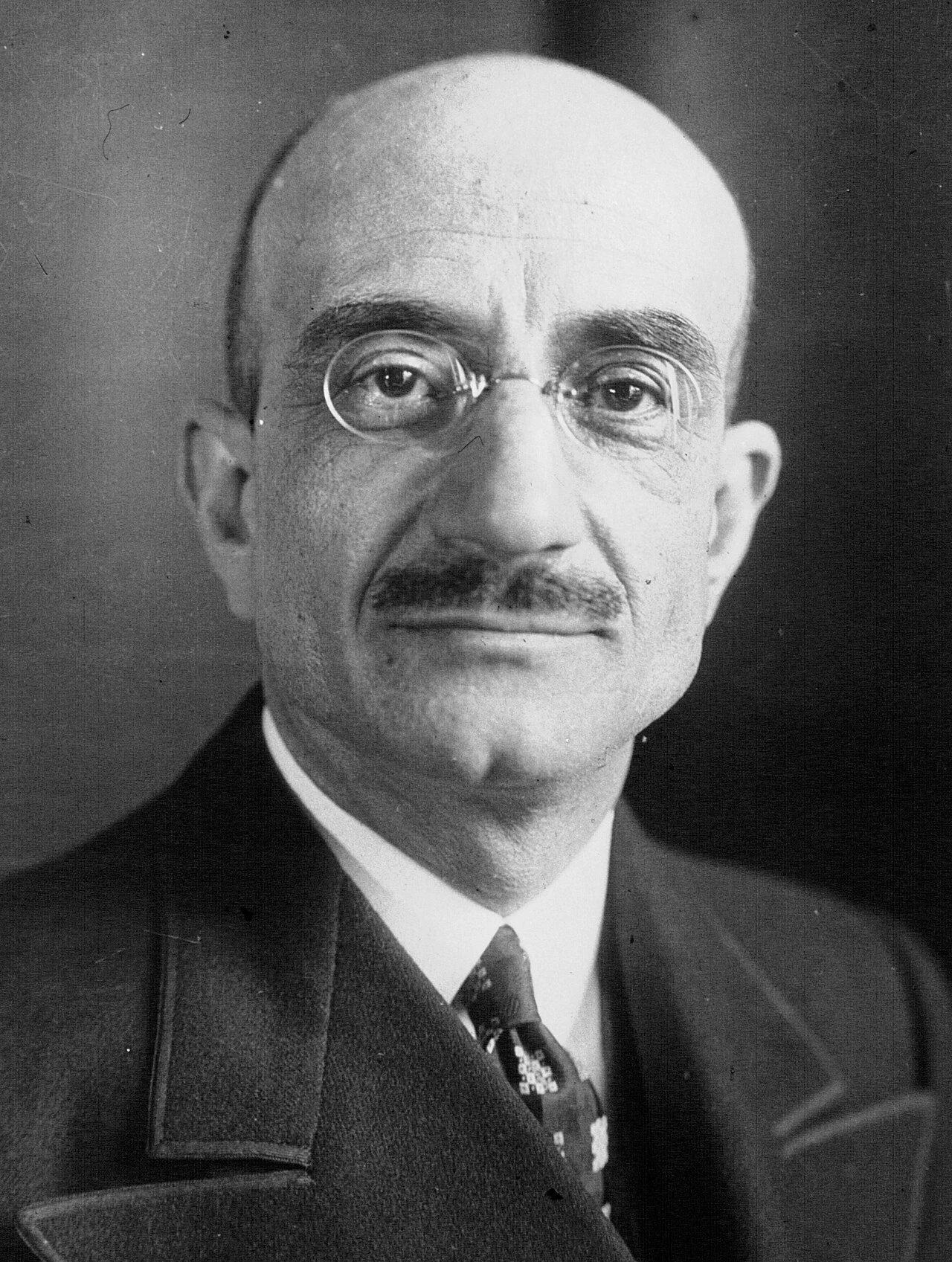
Langeron — Prefecture of Police, 14 June
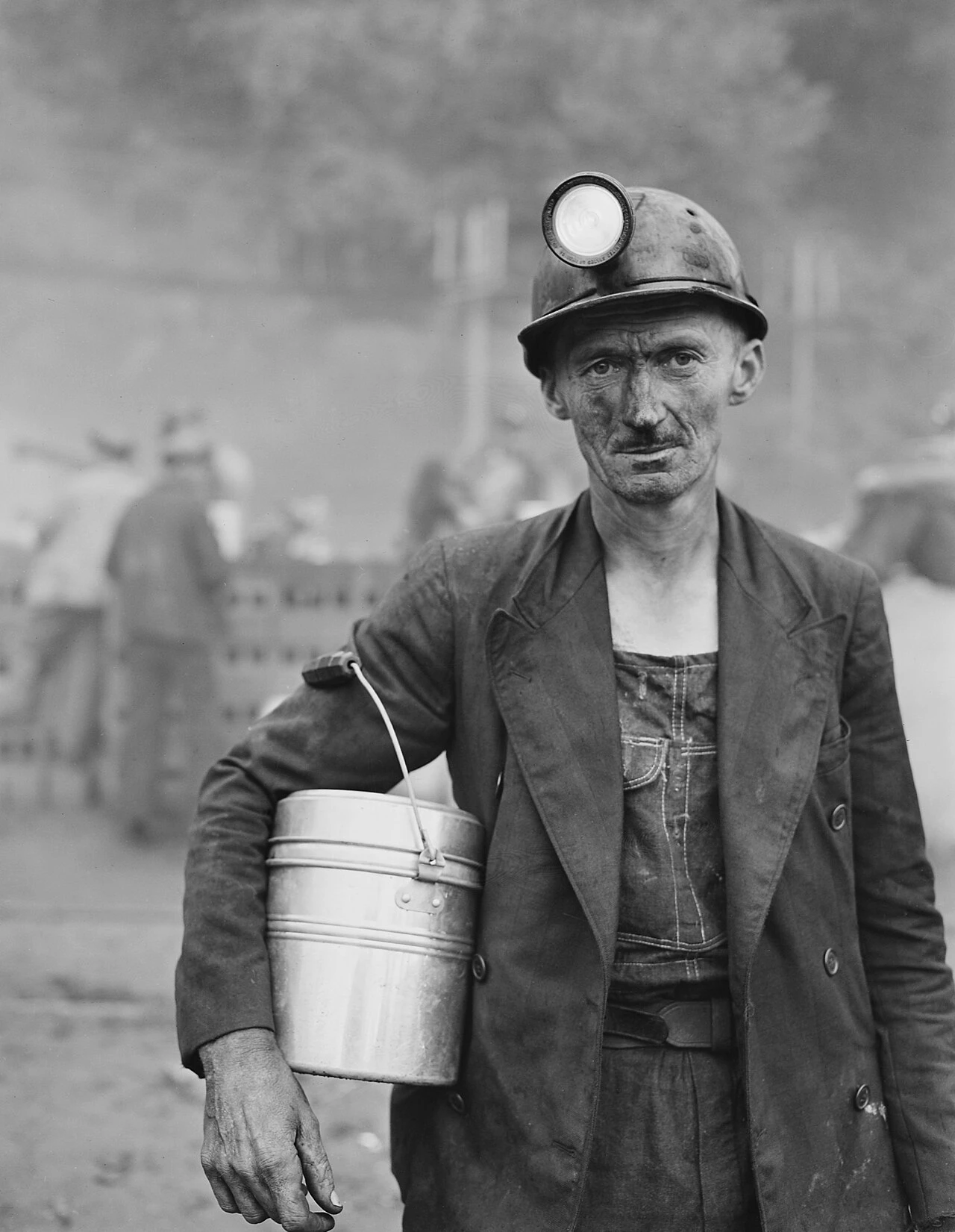
At the Dahomey pit, the morning of team-rate pay
The Upper Silesian Pole Subjected to Forced Labour
Marquet — Bordeaux overwhelmed, 12 June
British rationing — Morrison and the principle
British rationing put to the test in 1941
The Karten: Rationing Germany at War
Buy Each for Themselves or with a Single Voice
Hannah Arendt, Stateless and Interned, Facing Exile
The Police Informer During the Phoney War
Langeron — Prefecture of Police, 14 June