
Waalhaven — assault on the Rotterdam airfield
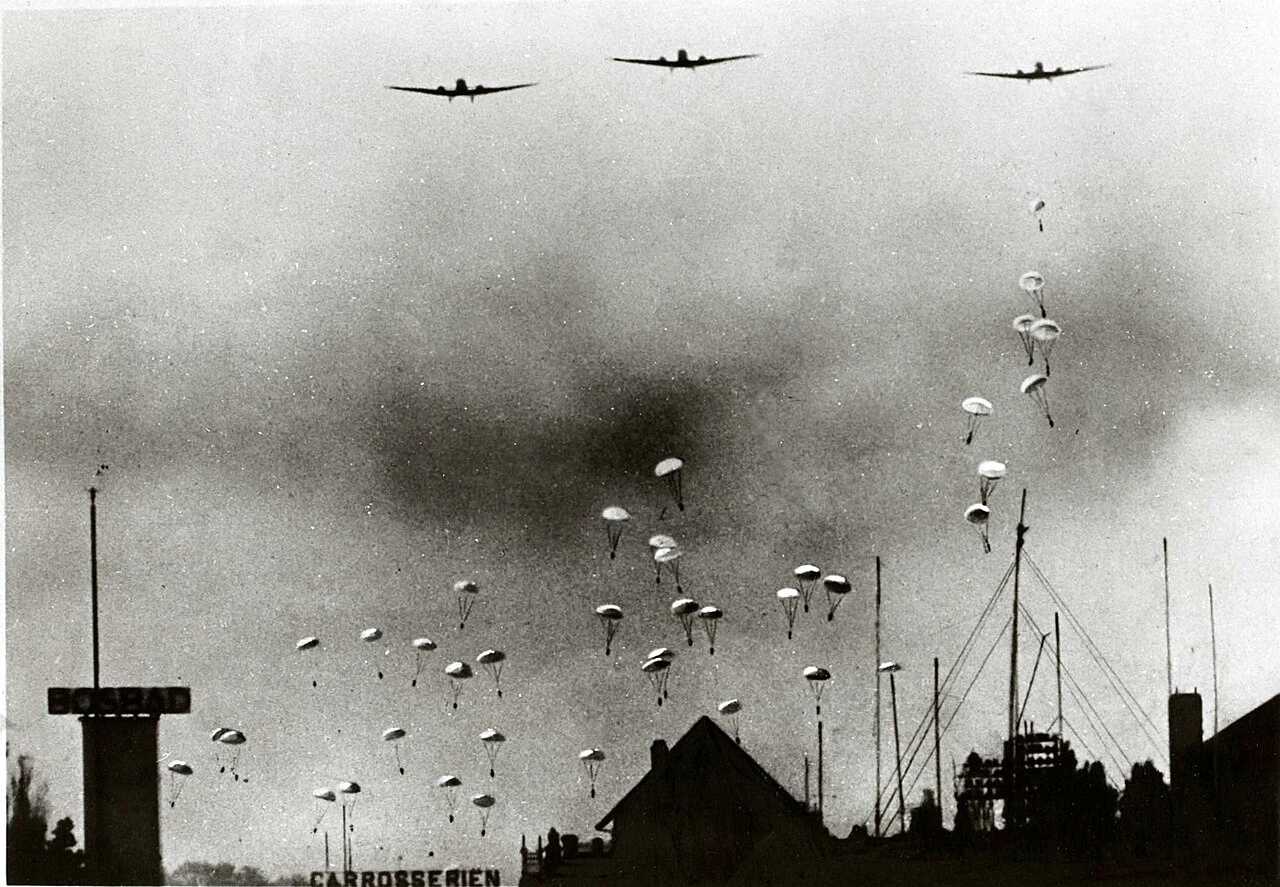
Waalhaven airfield, south of Rotterdam, commanded the air defence of the Rotterdam-The Hague area: it was the pivot the Germans wanted to seize intact in order to land their reinforcements. At 04:45 on 10 May, a company of Fallschirmjäger paratroopers dropped into the marshy ground bordering the runway. The Dutch defence, a few hundred men supported by Fokker G.I heavy fighters, resisted but gave way in under two hours; the airfield was in the attackers' hands by early morning.
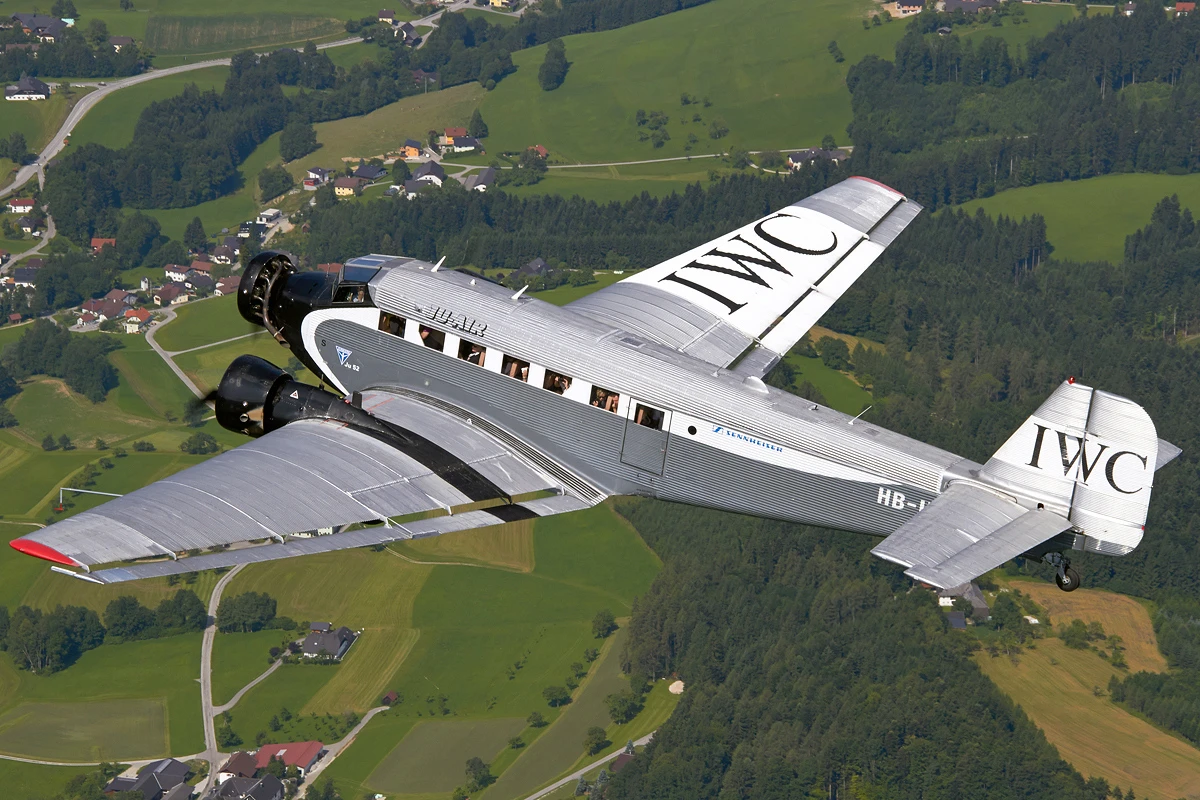
At once, dozens of Ju 52s landed in a continuous chain on the captured runway to disembark the infantry of the — the first massive tactical airlift in military history. It was on this shuttle that Oberstleutnant arrived at the head of the .
Choltitz — the officer who in August 1944 would refuse to destroy Paris on Hitler's order — took operational command at Waalhaven. Before him lay the centre of Rotterdam and its bridges over the Maas. Behind him, a freshly captured airfield, still loosely held, vital for the flow of reinforcements. He had to decide on the immediate use of his forces.
Should he push at once toward the centre of Rotterdam, or first lock down the captured airfield?
Choltitz applied A, then B: he pushed toward Rotterdam from the evening of 10 May, reached the approaches to the bridges over the Maas but ran up against a Dutch defence that held the north bank, then fell back to consolidate Waalhaven. The airfield remained the logistical lung of the German bridgehead in the city. The situation was brutally resolved on 14 May with the bombing of Rotterdam, which precipitated the Dutch capitulation. Choltitz, a Prussian officer applying Auftragstaktik to the letter, was in 1940 still only a zealous executant. His posterity would be played out four years later, when he disobeyed Hitler to spare Paris. Released by the Allies in 1947, he published his memoirs and died in 1966.
Learn more about this event
Related polls
10
The paratroopers on The Hague
Valkenburg — paras on a grass strip
Ypenburg — German paras outside The Hague
The Houx weir
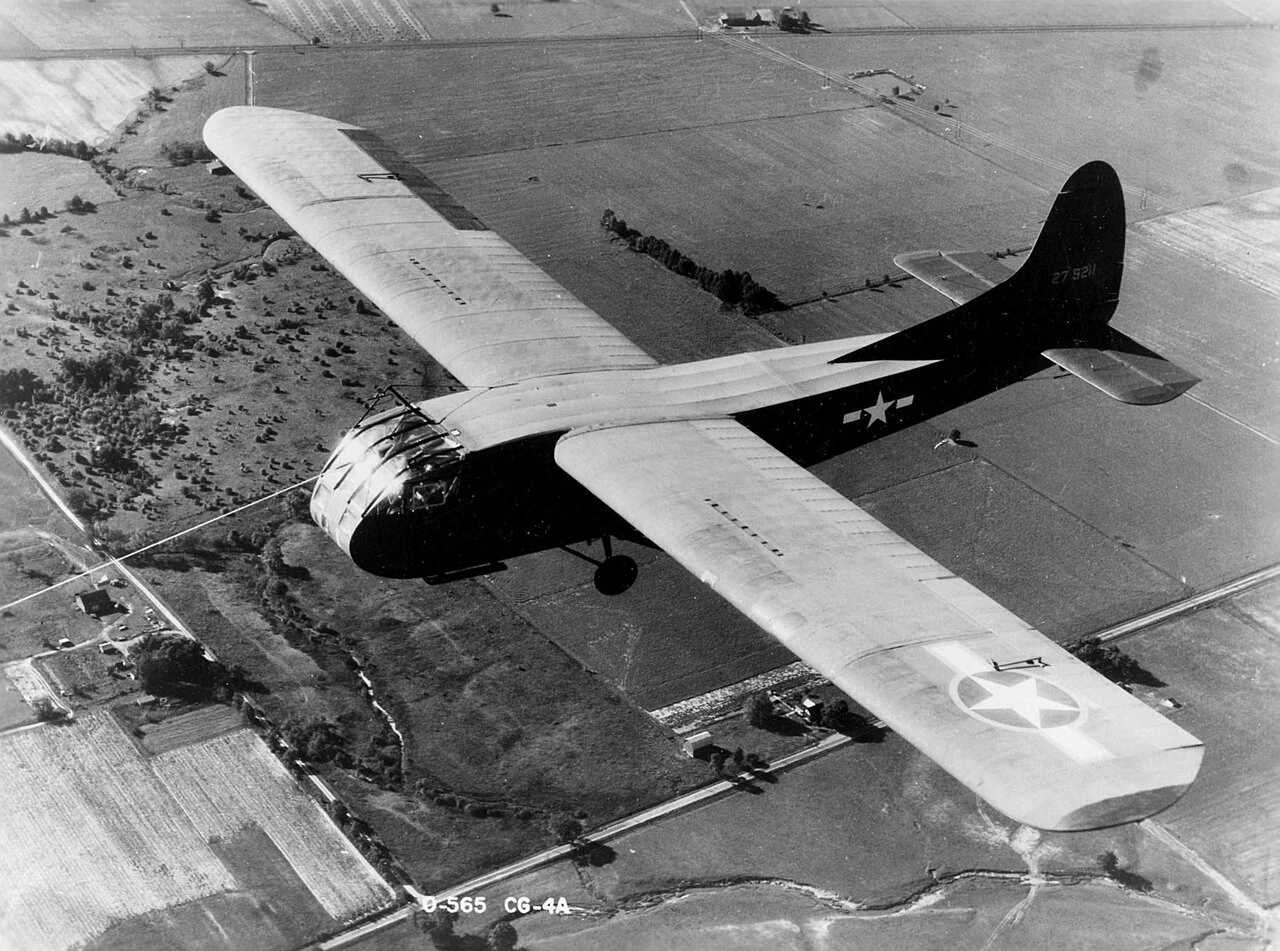
The coup de main on Ében-Émael
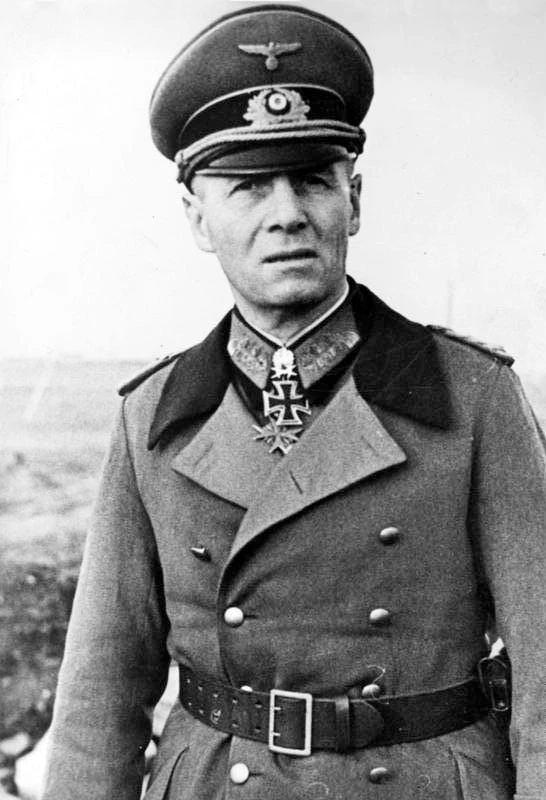
Rommel's ghost division
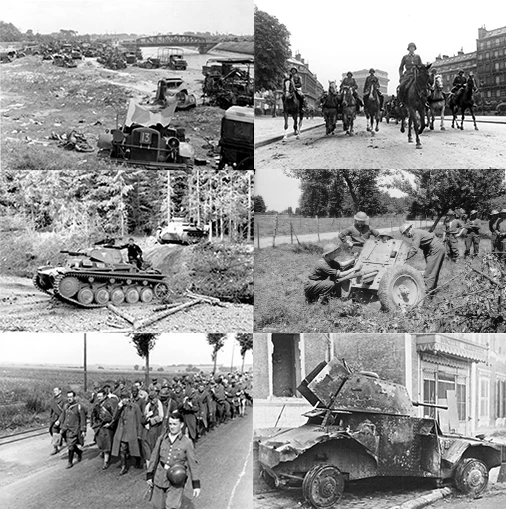
Fall Gelb — the order of 9 May 20:00
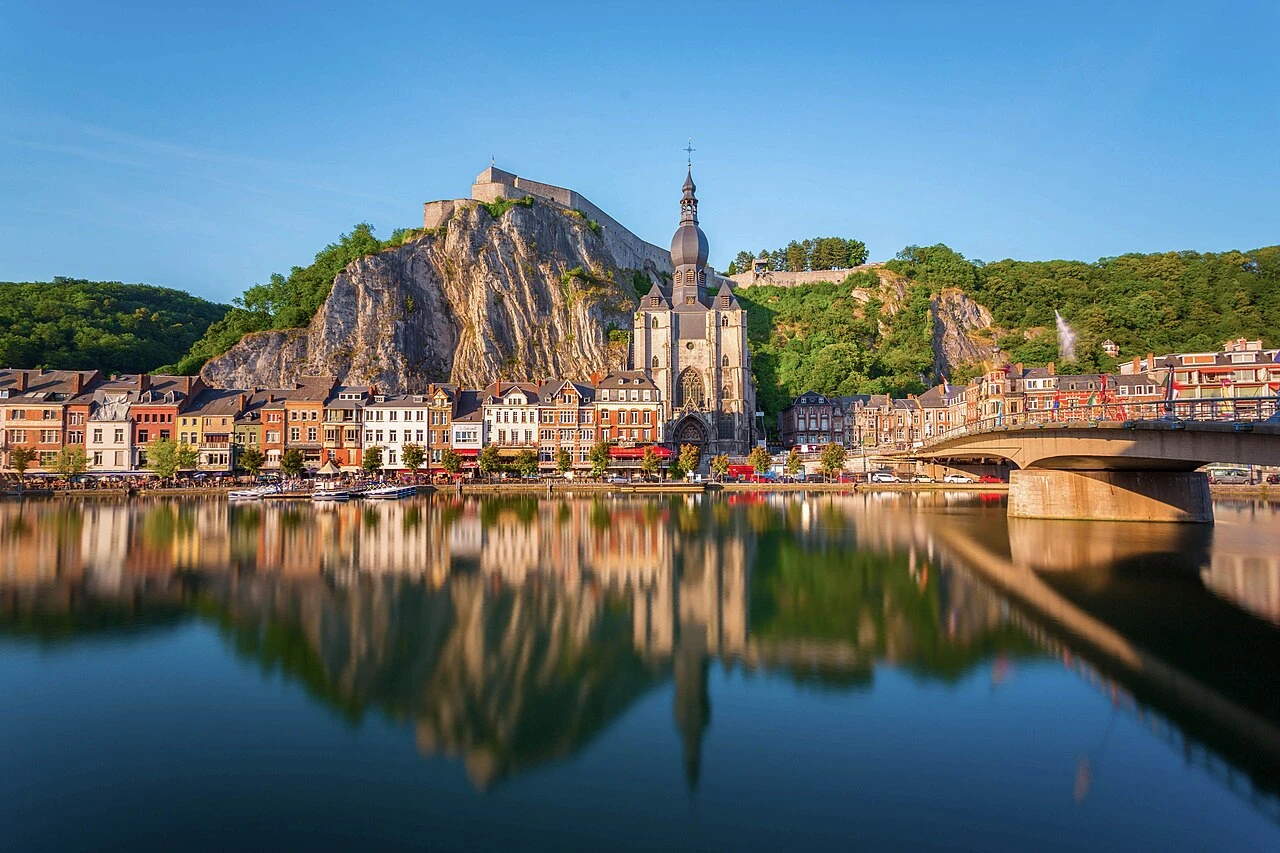
The crossing of the Meuse at Dinant
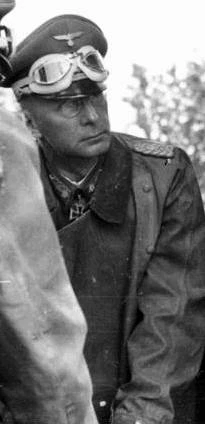
Reinhardt stuck in the Ardennes — 11 May
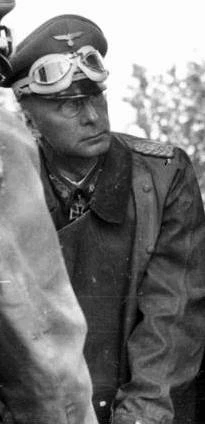
Reinhardt toward the ports — the Arras threat
The paratroopers on The Hague
Valkenburg — paras on a grass strip
Ypenburg — German paras outside The Hague
The Houx weir
The coup de main on Ében-Émael
Rommel's ghost division
Fall Gelb — the order of 9 May 20:00
The crossing of the Meuse at Dinant
Reinhardt stuck in the Ardennes — 11 May