
Helsinki was bombed for the first time on 30 November 1939 at 09:20 — the opening act of the Winter War. The Soviet stated target: "military objectives". The real target: the civilian centre. Tupolev SB-2s of the VVS RKKA (Red air force), formations of eight to twelve aircraft, without fighter escort.
Over the 105 days of the conflict 89 raids fell on Helsinki and 97 on other towns (Turku, Tampere, Lahti, Lappeenranta). The estimated total: 2,075 Soviet sorties, 2,075 tons of bombs dropped.
Helsinki's civil defence was organised by , a civil engineer of 51. The levers available were many: underground shelters (the city built 320 new ones in six months, with capacity for 250,000 people), siren alerts (the first Scandinavian system), blackout (extinction of public lighting), and the management of population movement. With limited means and an exposed population of 350,000, Aalto-Setälä had to choose his priority between evacuation, fortification of shelters and mobility.
What priority should Aalto-Setälä give?
Aalto-Setälä applied A and B: maximum evacuation of civilians and fortification of shelters. The programme to evacuate children to Sweden (an operation known in Swedish as Finnbarnsorganisationen) grew in scale: 70,000 Finnish children were evacuated by December 1939 (the programme would expand to 70,000-80,000 children at its peak during the Continuation War 1941-1944). Between November 1939 and March 1940 Helsinki lost 35 percent of its civilian population (from 350,000 to 230,000). Frantic shelter construction: by the war's end 64 percent of Helsinki residents lived within 200 metres of a shelter. The final toll of the bombings: 956 dead in Helsinki — a low figure given the intensity, testifying to the effectiveness of civil defence. Civilian dead across Finland totalled 5,000. Aalto-Setälä remained a civil servant after the war. He died in 1972. The Finnish children evacuated to Sweden (sotalapset — "war children") remained a lively subject of historiographical debate: 15 percent never returned, adopted by their Swedish families. Documented by (who had himself been a sotalapsi).
Learn more about this event
Related polls
10
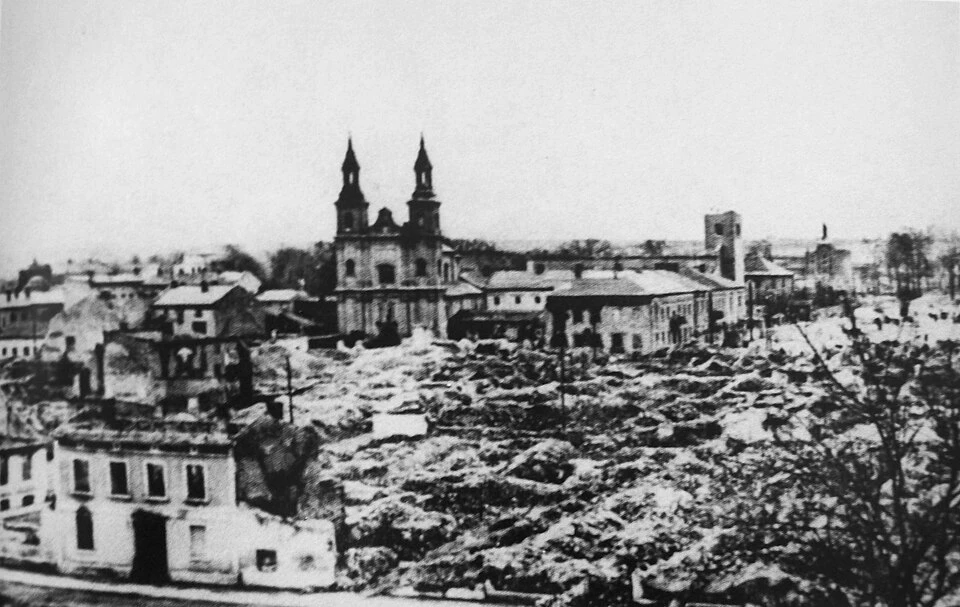
Wieluń at 04:40 — the first air strike
Belgrade under the bombs
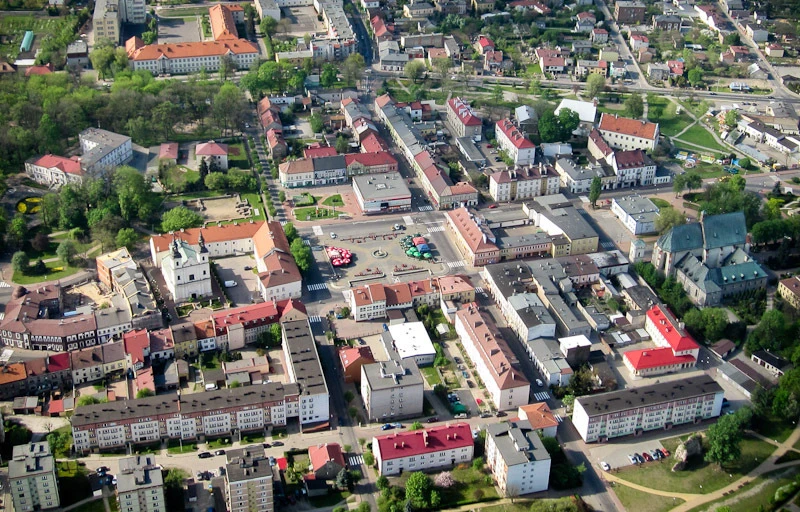
Wieluń, 4:40 a.m. — the first bomb of the war
The Jewish Schoolteacher of Kazimierz
The Banned Czech University
Prague, 17 November 1939: the Czech universities shut down
Abbeville — the roads under the fighters
Czerniaków — the offer of the Judenrat
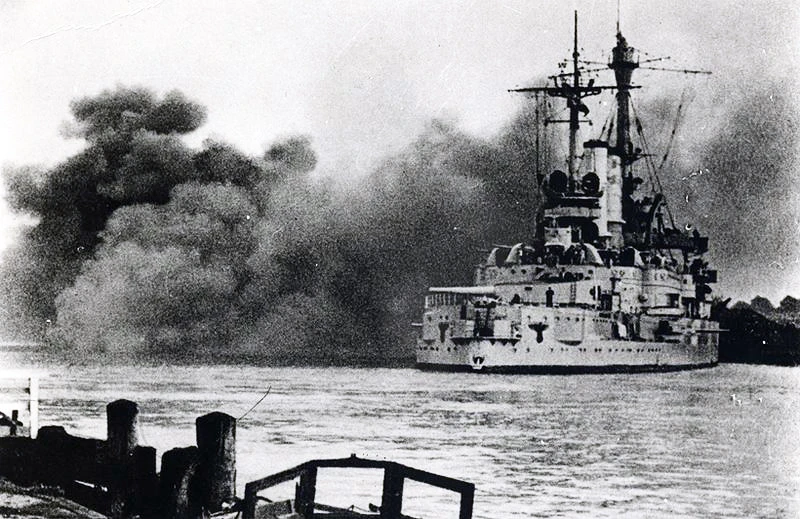
Danzig, September 1939 — the policeman of the Free City
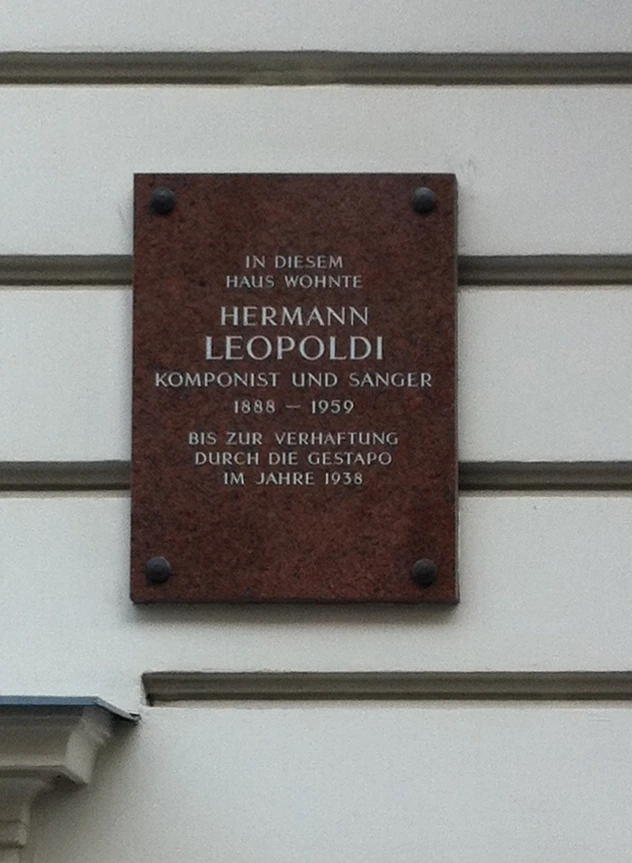
Informing on a Jewish Neighbor in Vienna
Wieluń at 04:40 — the first air strike
Belgrade under the bombs
Wieluń, 4:40 a.m. — the first bomb of the war
The Jewish Schoolteacher of Kazimierz
The Banned Czech University
Prague, 17 November 1939: the Czech universities shut down
Abbeville — the roads under the fighters
Czerniaków — the offer of the Judenrat
Danzig, September 1939 — the policeman of the Free City