
News of Mers-el-Kébir reaches Pétain on the evening of 3 July: 1,297 French sailors killed by the Royal Navy, an ally of the day before. The country is in shock; opinion, already shaken by defeat, expects a strong response. Pétain, just finishing setting up his government, must decide on the reprisal.
Pressures diverge. Laval pushes for a maximum break with London. Darlan, whose fleet has just been struck, demands reprisals. Baudouin, at Foreign Affairs, pleads prudence so as not to tip France into the Axis camp as a co-belligerent.
For many French, the shock is all the sharper because the Royal Navy was, ten days earlier, an allied navy fighting at their side. Pétain can declare war on London, which would make Vichy a co-belligerent of Hitler; respond with symbolic air reprisals; or limit himself to a diplomatic break. The choice commits the orientation of the entire nascent regime and its relationship with both camps.
What response should Pétain make to the attack on Mers-el-Kébir?
Pétain settles on a combination of B and C: Vichy France breaks diplomatic relations with London on 5 July (recall of Ambassador Corbin) without declaring war. Purely symbolic air reprisals will target Gibraltar in the autumn, without military result. Mers-el-Kébir leaves a lasting bitterness against the British, which Vichy propaganda exploits to justify the estrangement from London and feed the collaborationist drift led by Darlan and Laval. The episode illustrates how the British attack, designed to prevent the fleet from switching sides, paradoxically reinforced Vichy's anti-Britishness — without precipitating France into an open war against England.
Learn more about this event
Related polls
10
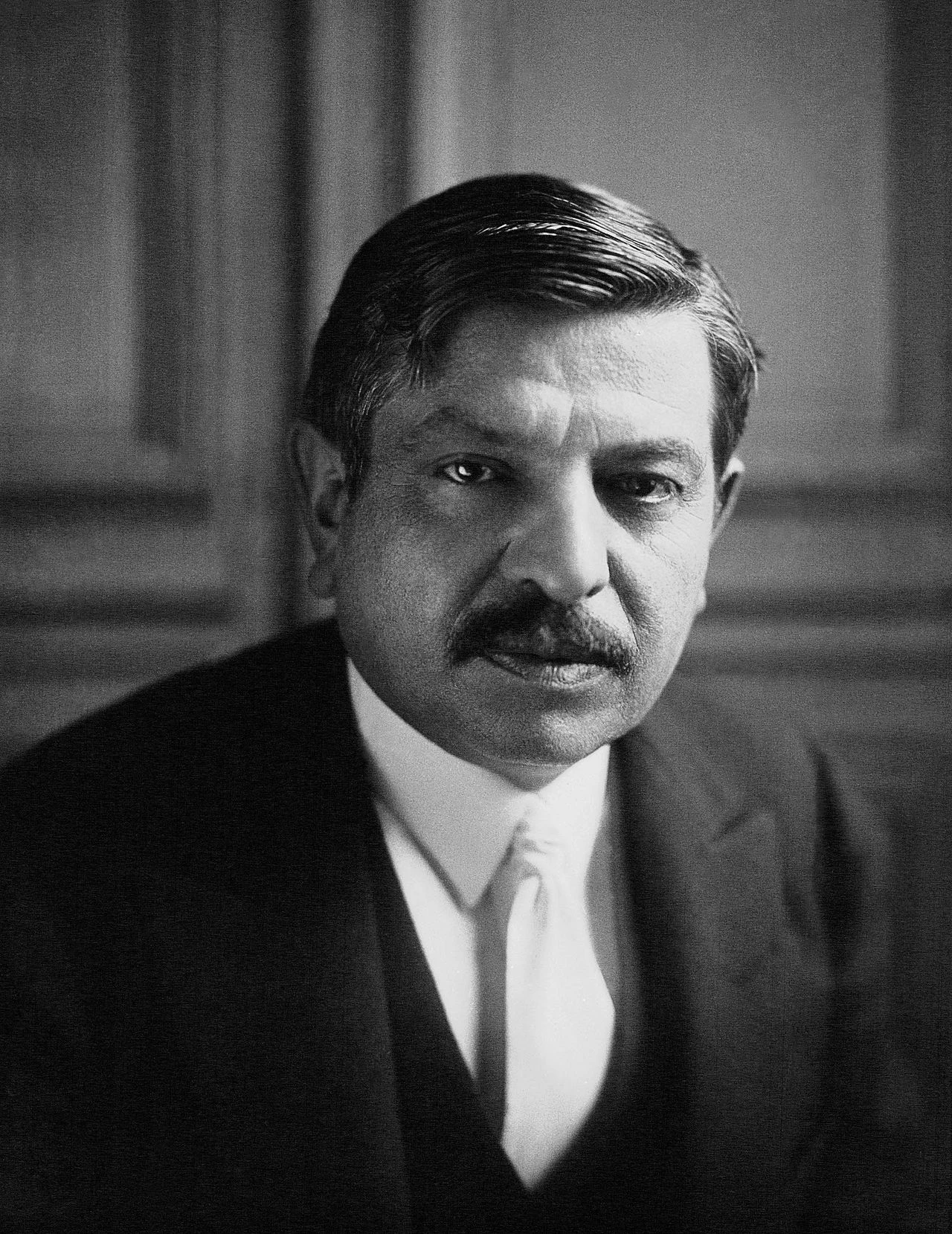
Laval at the Vichy Casino — 10 July
The Massilia — Bordeaux 21 June
Vincent Badie — Vichy Casino, 10 July
Daladier asked to leave the War Ministry
Hannah Arendt, Stateless and Interned, Facing Exile
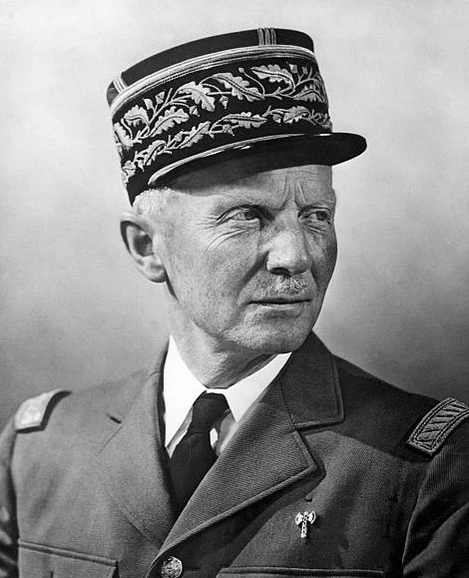
Huntziger in Foch's Carriage — 22 June
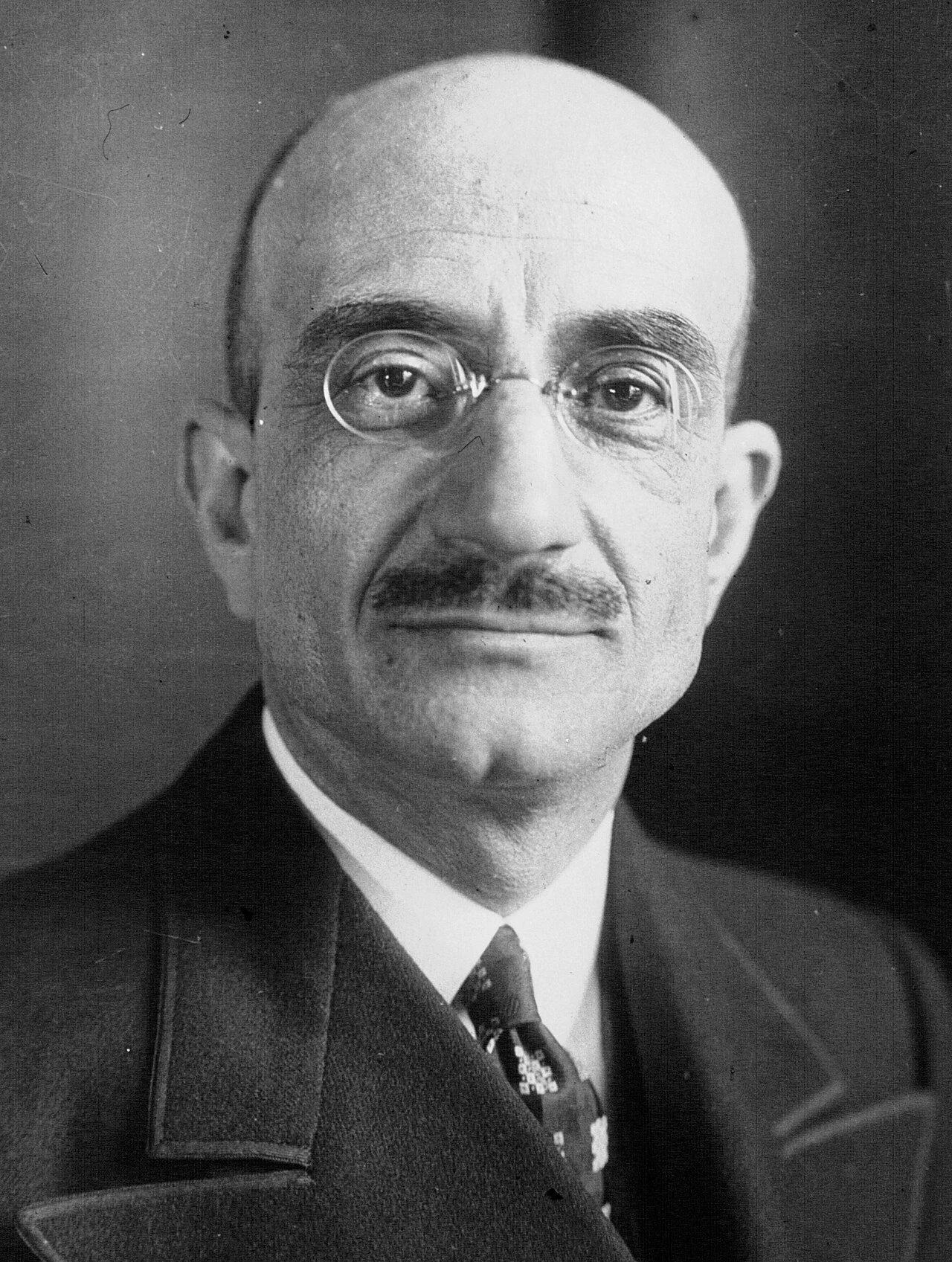
Langeron — Prefecture of Police, 14 June
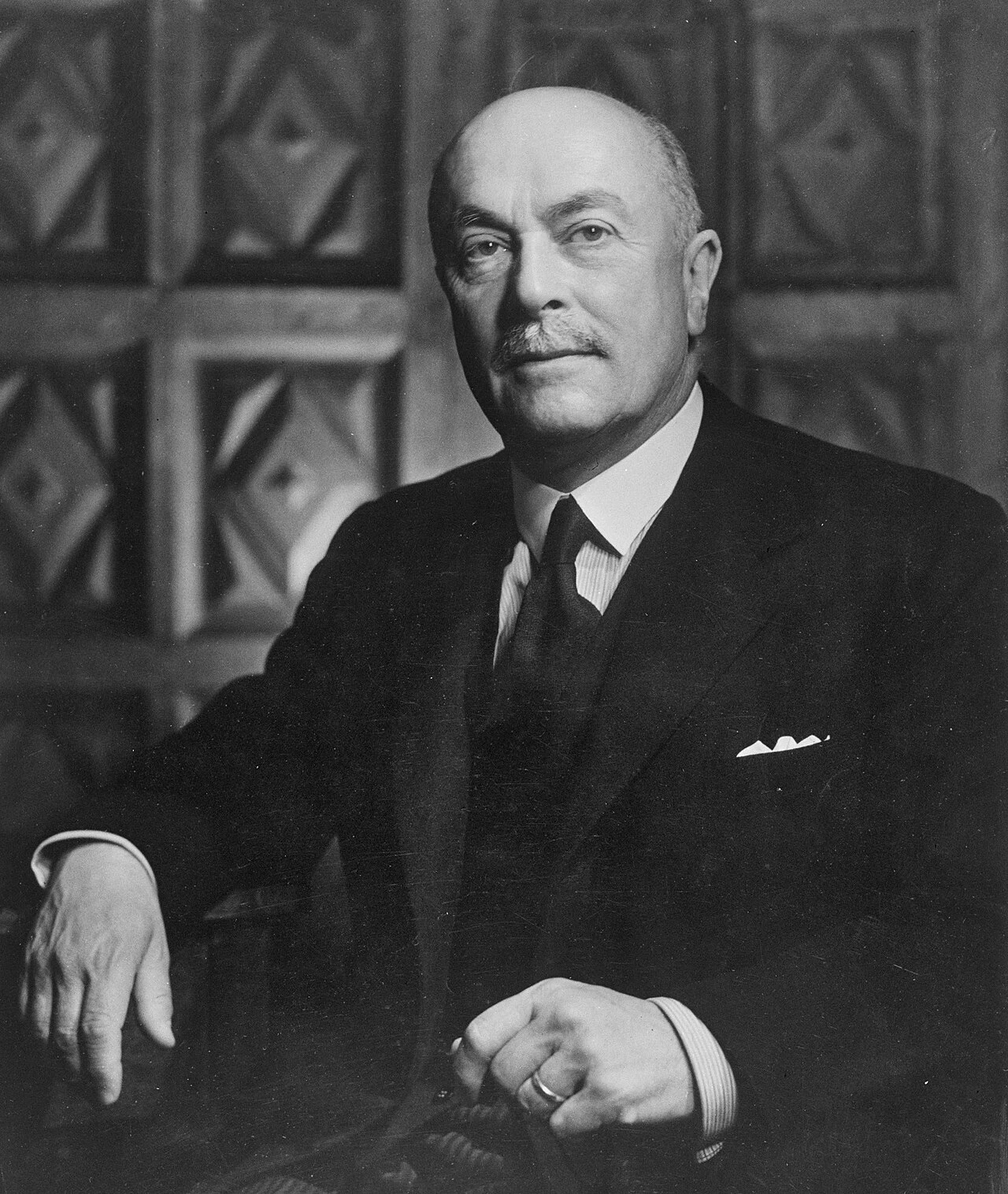
Pierlot at Limoges — from where to carry on?
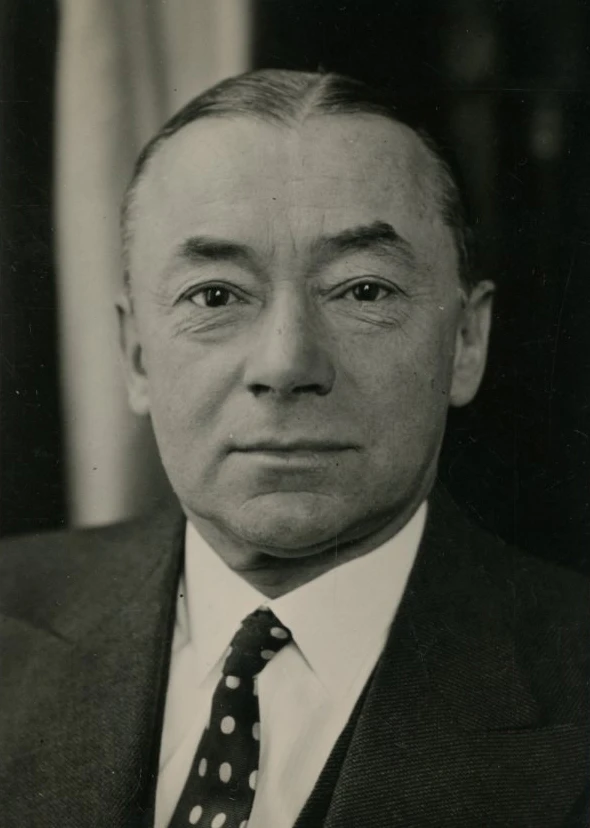
Reynaud faces the Council — Bordeaux, 16 June, 22:00
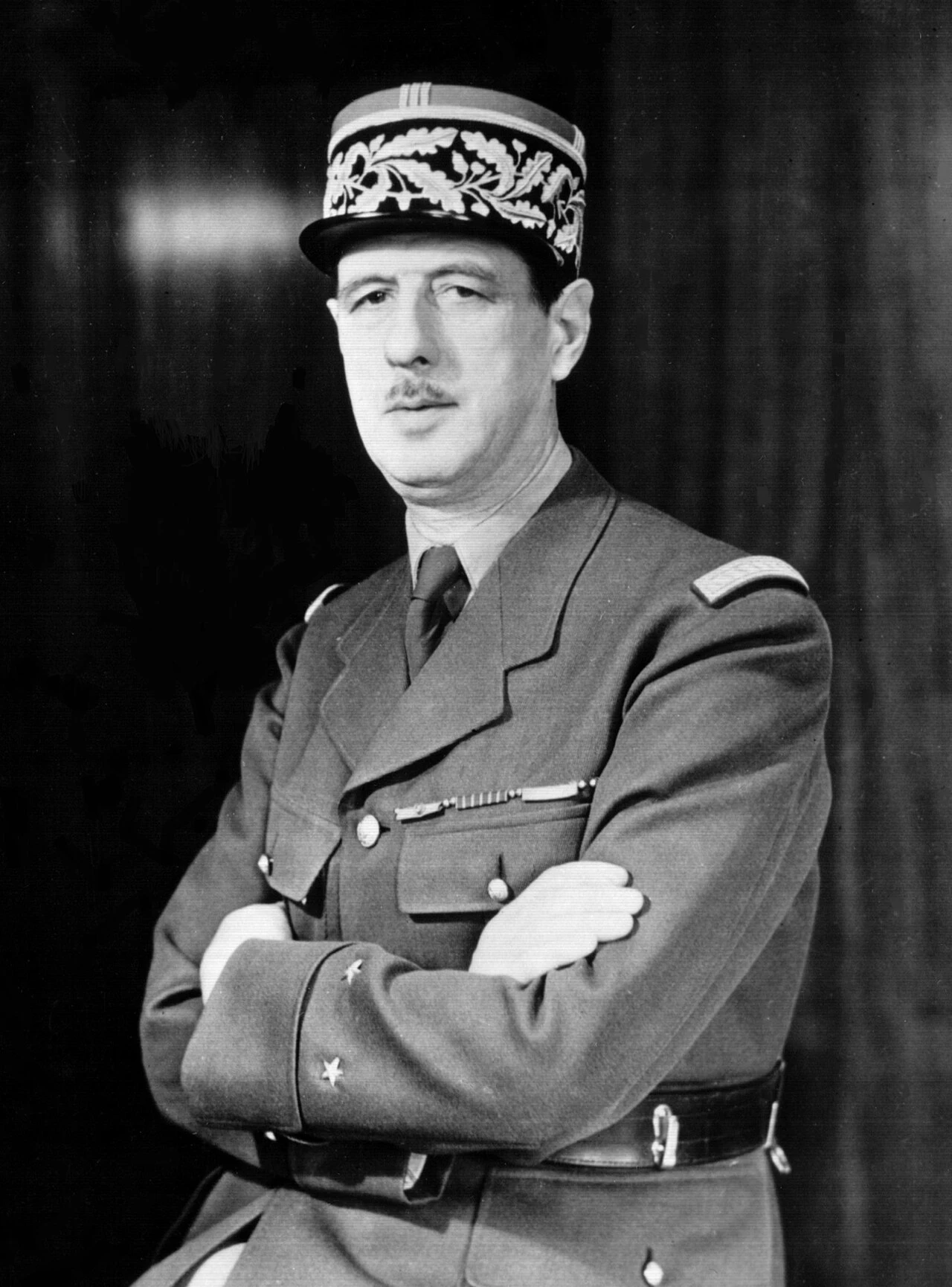
De Gaulle joins the government — 5 June
Laval at the Vichy Casino — 10 July
The Massilia — Bordeaux 21 June
Vincent Badie — Vichy Casino, 10 July
Daladier asked to leave the War Ministry
Hannah Arendt, Stateless and Interned, Facing Exile
Huntziger in Foch's Carriage — 22 June
Langeron — Prefecture of Police, 14 June
Pierlot at Limoges — from where to carry on?
Reynaud faces the Council — Bordeaux, 16 June, 22:00