
Éboué Rallies Chad
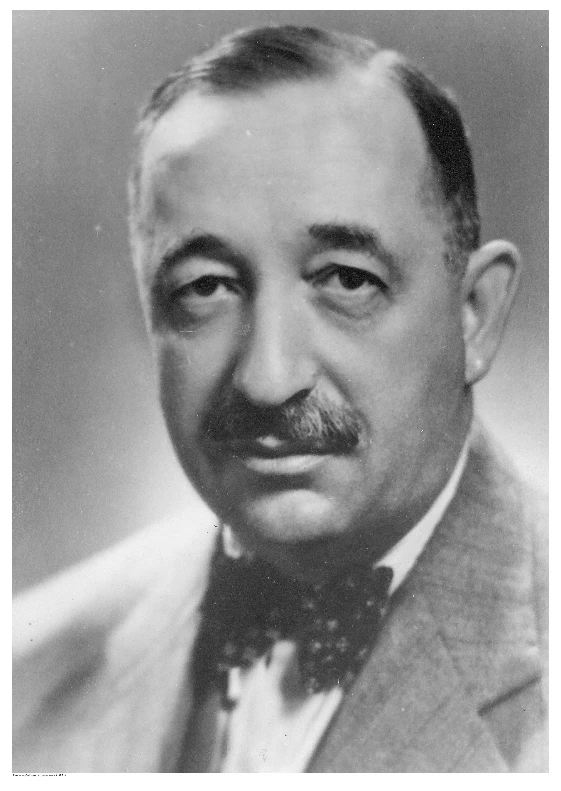
After the armistice, the French colonial empire splits between loyalty to the Vichy government and rallying to de Gaulle's Free France. In French Equatorial Africa, the Governor of Chad, — an administrator originally from Guiana, one of the few black senior officials of the empire — faces a decisive and risky choice.
To rally to de Gaulle is to disobey the legal Vichy government, to expose oneself to dismissal or worse, and to commit an entire territory to continuing the war alongside the British. To remain loyal to Vichy is to respect legality and avoid reprisals, but to accept submission to the armistice.
Éboué can rally to Free France, offering de Gaulle a territorial base in Africa. He can remain loyal to Vichy out of legalism. Or he can play for time, awaiting developments. His choice is all the weightier in that the first territory to rally might perhaps draw in the others, giving Free France — until then virtually without territory — a foothold and a legitimacy.
Should Éboué rally to Free France, remain loyal to Vichy, or play for time?
Éboué chooses A: on 26 August 1940, Chad rallies to Free France — the first territory of the empire to do so. His gesture immediately draws in Cameroon, the Congo (Brazzaville) and Oubangui-Chari: it is the rallying of almost the whole of French Equatorial Africa to de Gaulle. This turnaround gives Free France a decisive territorial foothold, a legitimacy and a base of operations (from which the Leclerc column will later set out for Koufra and the Fezzan). , appointed Governor-General of French Equatorial Africa, becomes a major figure of Free France. His choice of August 1940, courageous and foundational, anchors Fighting France on African soil.
Learn more about this event
Related polls
10
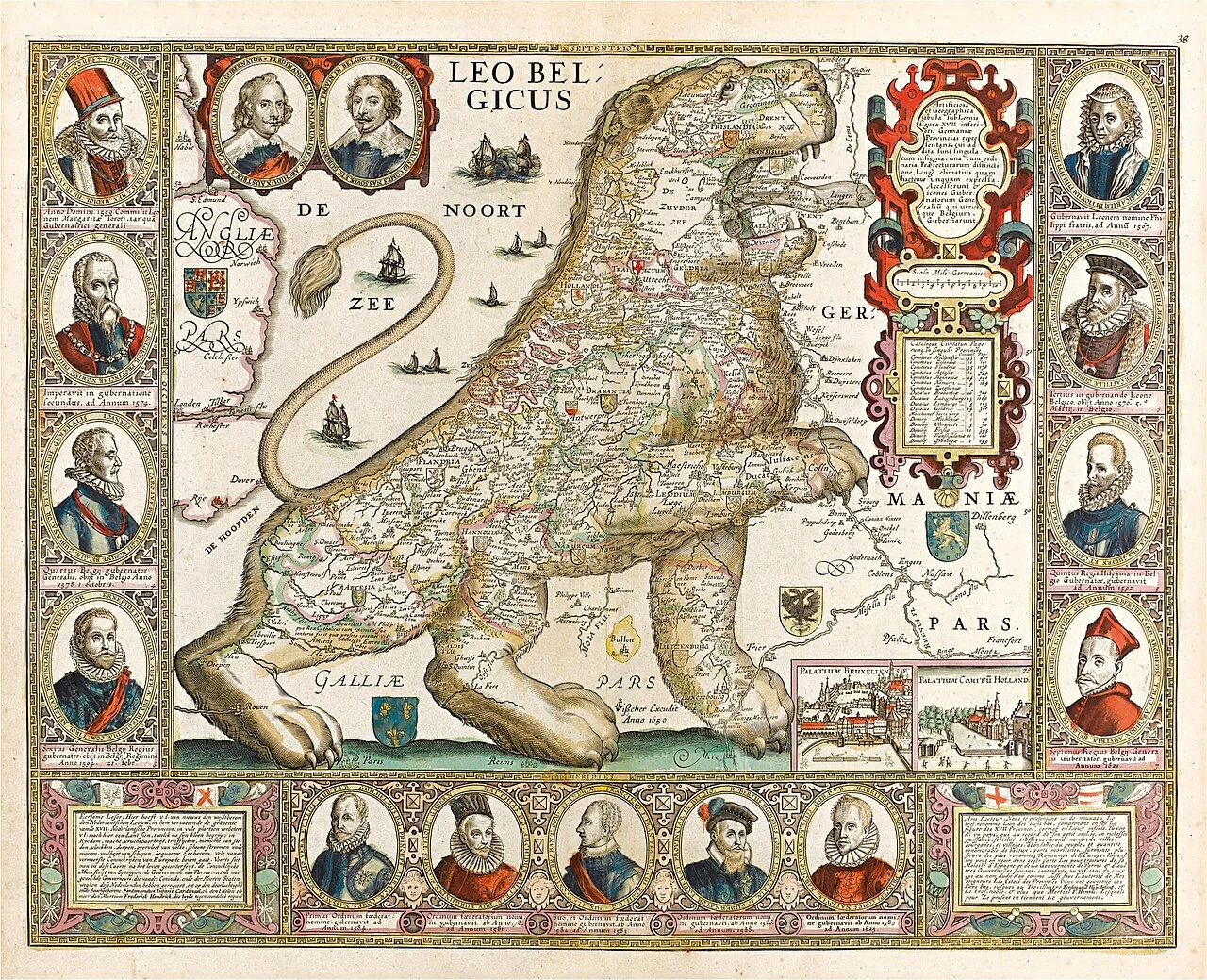
The Belgian Congo in the War
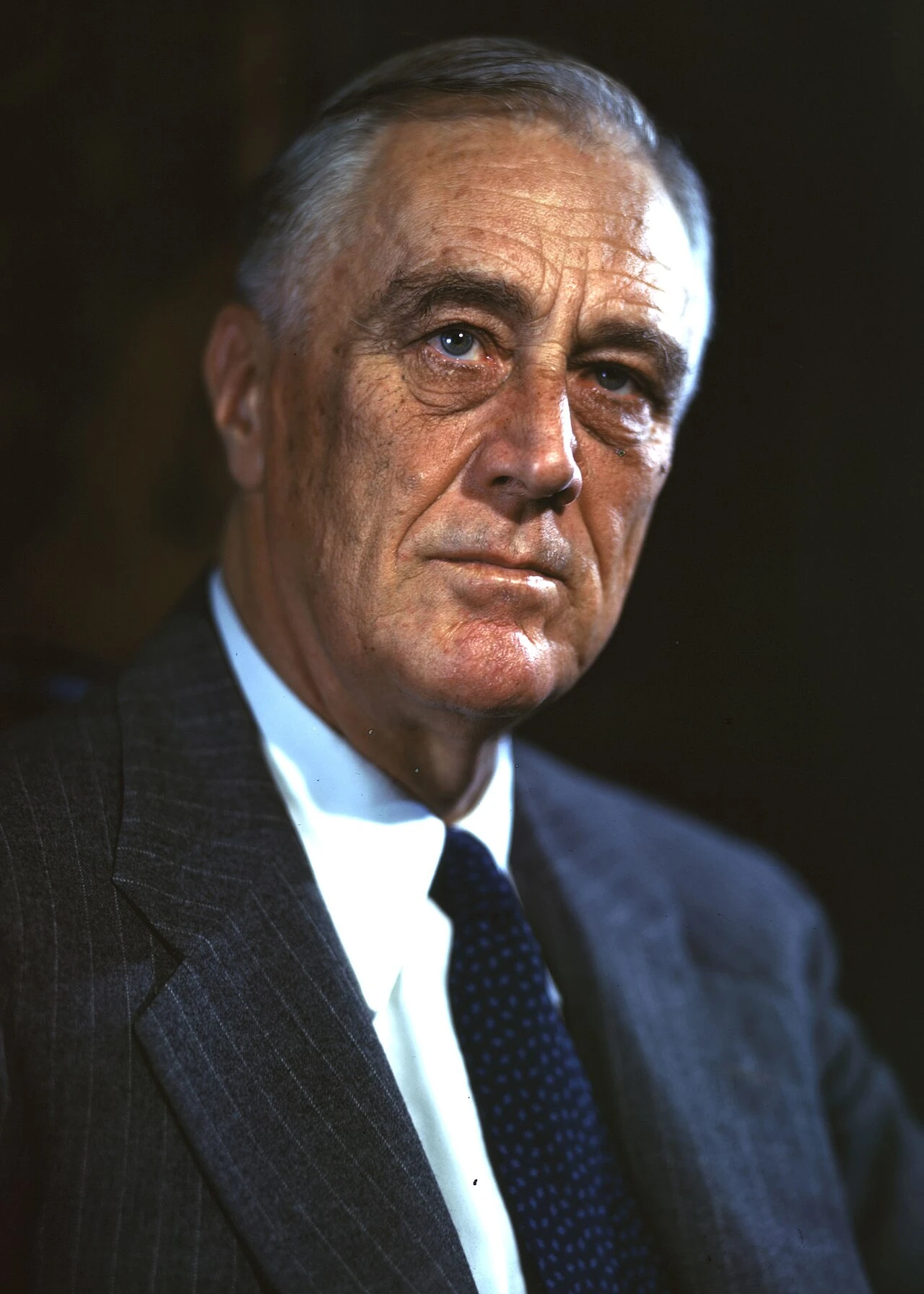
Roosevelt — destroyers for bases
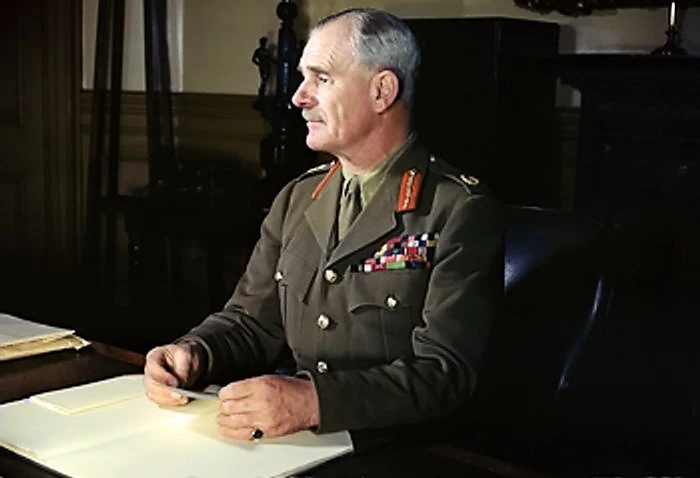
Wavell and the 'butcher's bill'
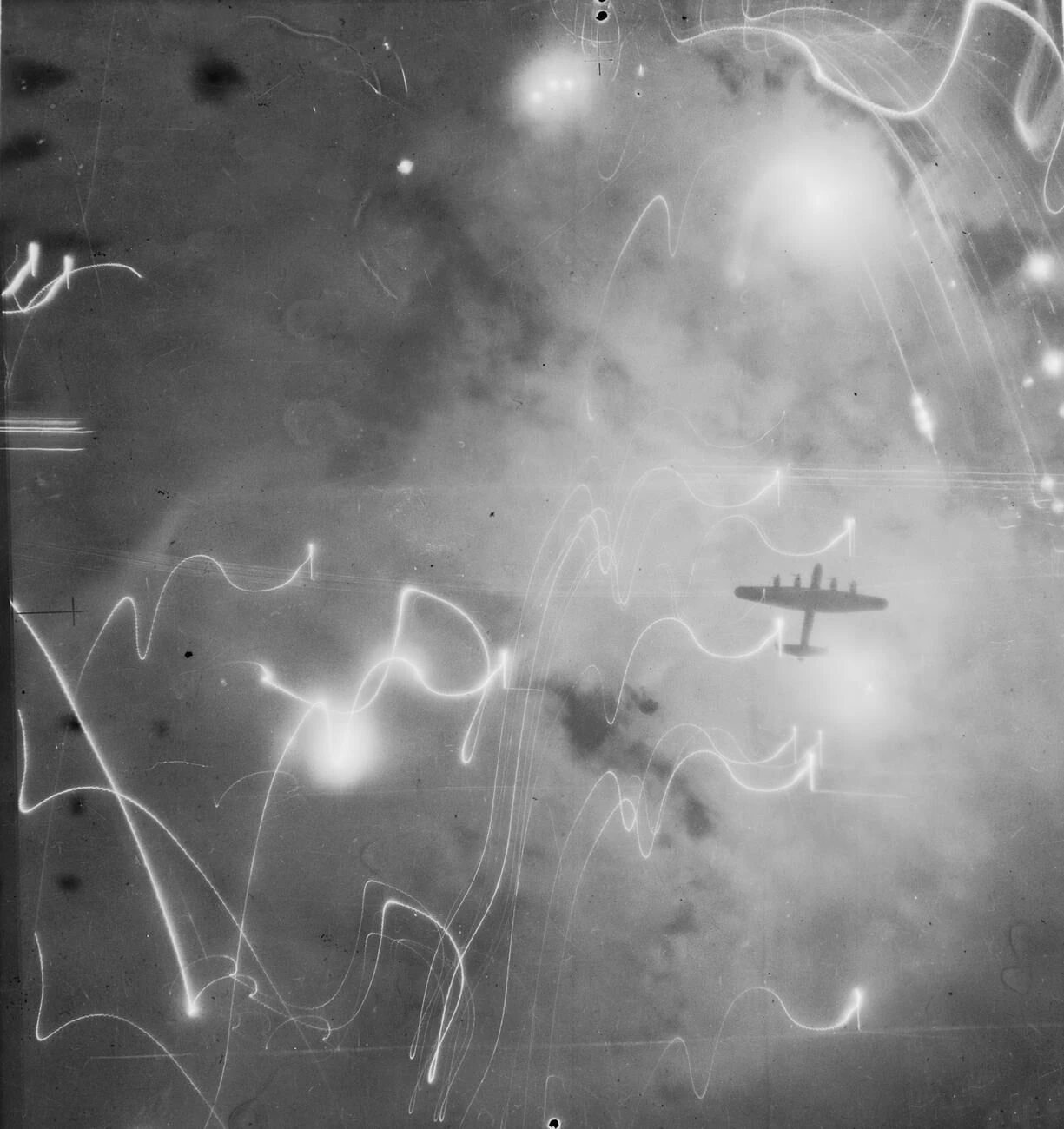
Bombing London — and the reply on Berlin
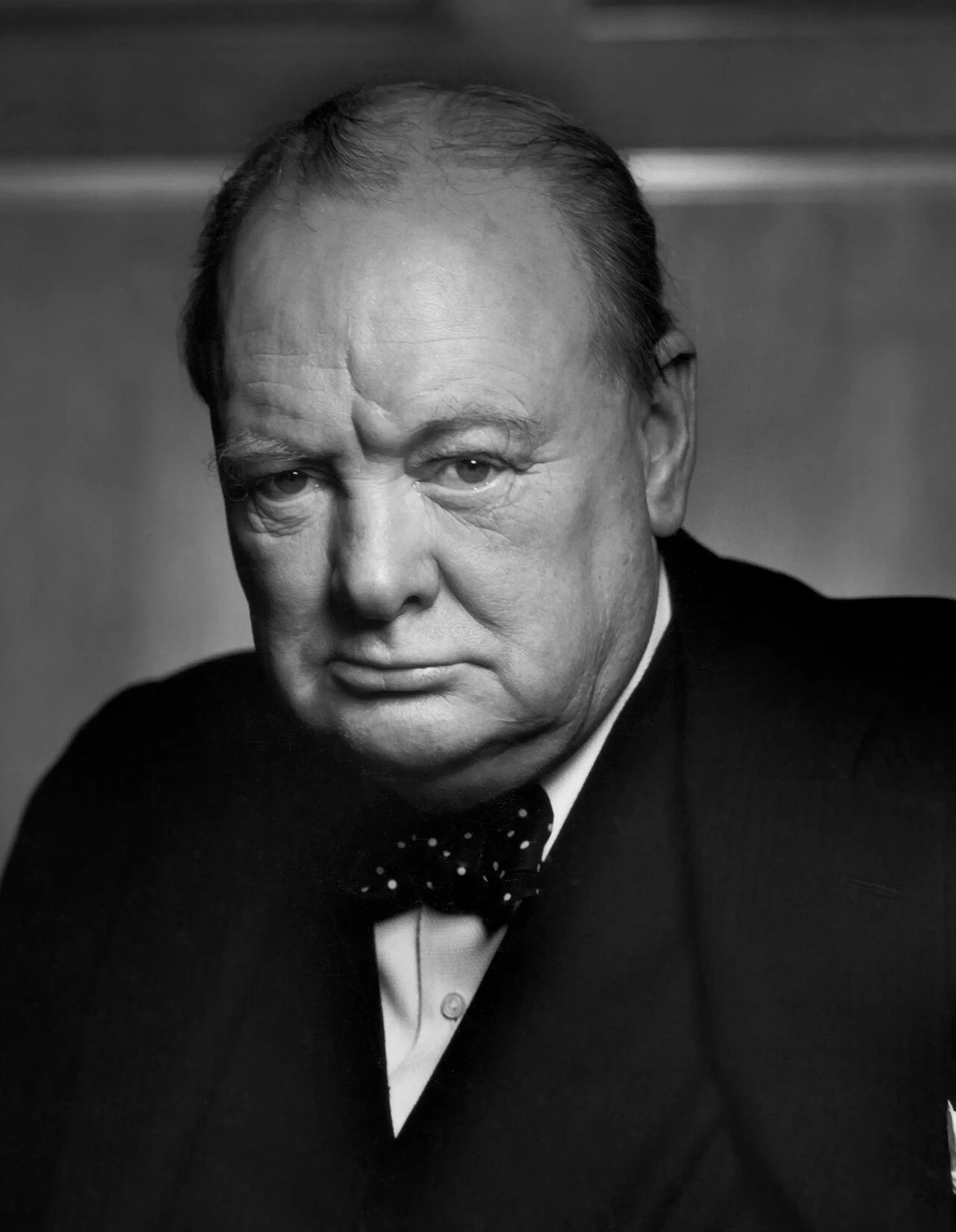
Churchill and the ultimatum on the Burma Road
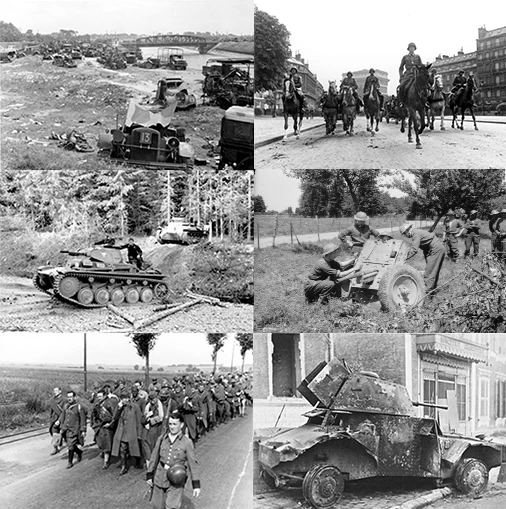
The Empire — Vichy or de Gaulle
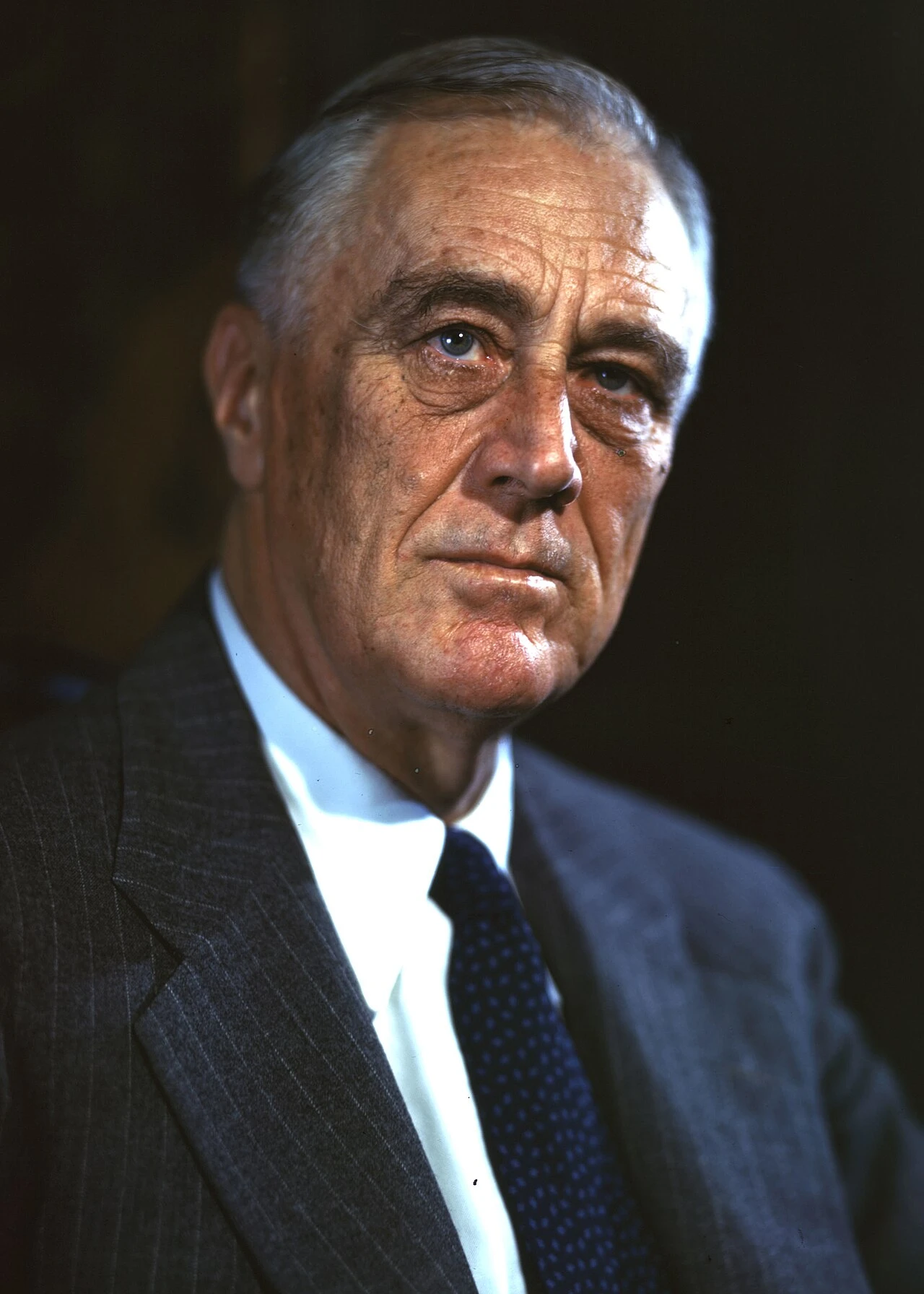
Roosevelt and the Squadron for Singapore — Washington, October 1940
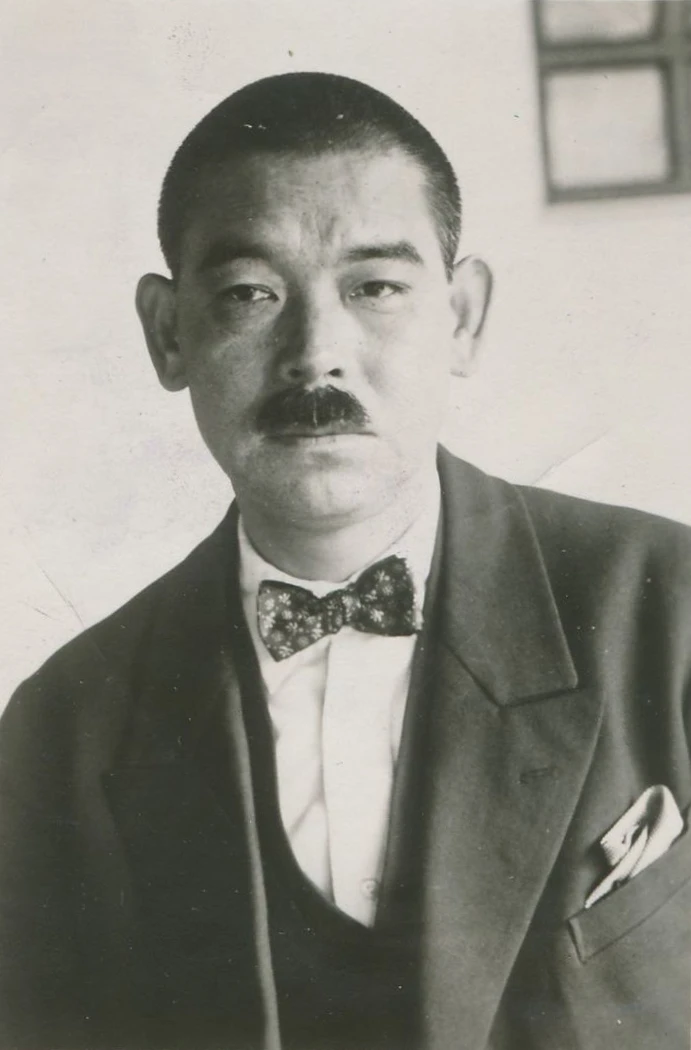
Tokyo — Japan and the Tripartite Pact
Bulgaria: lock of the Balkans, a price to pay
The War Cabinet — Negotiate or Carry On
The Belgian Congo in the War
Roosevelt — destroyers for bases
Wavell and the 'butcher's bill'
Bombing London — and the reply on Berlin
Churchill and the ultimatum on the Burma Road
The Empire — Vichy or de Gaulle
Roosevelt and the Squadron for Singapore — Washington, October 1940
Tokyo — Japan and the Tripartite Pact
Bulgaria: lock of the Balkans, a price to pay