
Beria — the NKVD ordinance of 19 September
, 40, has been People's Commissar for Internal Affairs of the USSR since November 1938 — chief of the NKVD, the Soviet repressive apparatus. A Georgian like Stalin, he himself "purged" his predecessor Yezhov in the executions of 1938-1940.
The Soviet invasion of Poland on 17 September 1939 places under Soviet control 200,000 sq km and 13 million inhabitants — Volhynia, Polesia, western Belarus, eastern Galicia, the northern part of the Wilno voivodeship. From 19 September Beria has precise instructions from Stalin: to eliminate politically the Polish ruling class in the occupied territories.
NKVD Ordinance No. 0308 of 19 September 1939 designates four categories of "class enemies" to be arrested. First come active and reserve officers of the Polish army; next, police, gendarmes, and border guards (KOP); then civil servants — judges, prosecutors, prefects, mayors; finally landowners, industrialists, and merchants, lumped under the heading of the "bourgeoisie."
To this list will soon be added priests, journalists, professors, engineers, and doctors who served before 1918 in the Russian or Austrian armies. By 30 November 1939, 220,000 people have been arrested — half in the single month of October. Arrests will continue until June 1941.
What policy should be applied to the Polish officer prisoners — about 15,000 — concentrated in the camps of Kozelsk, Starobielsk, and Ostashkov?
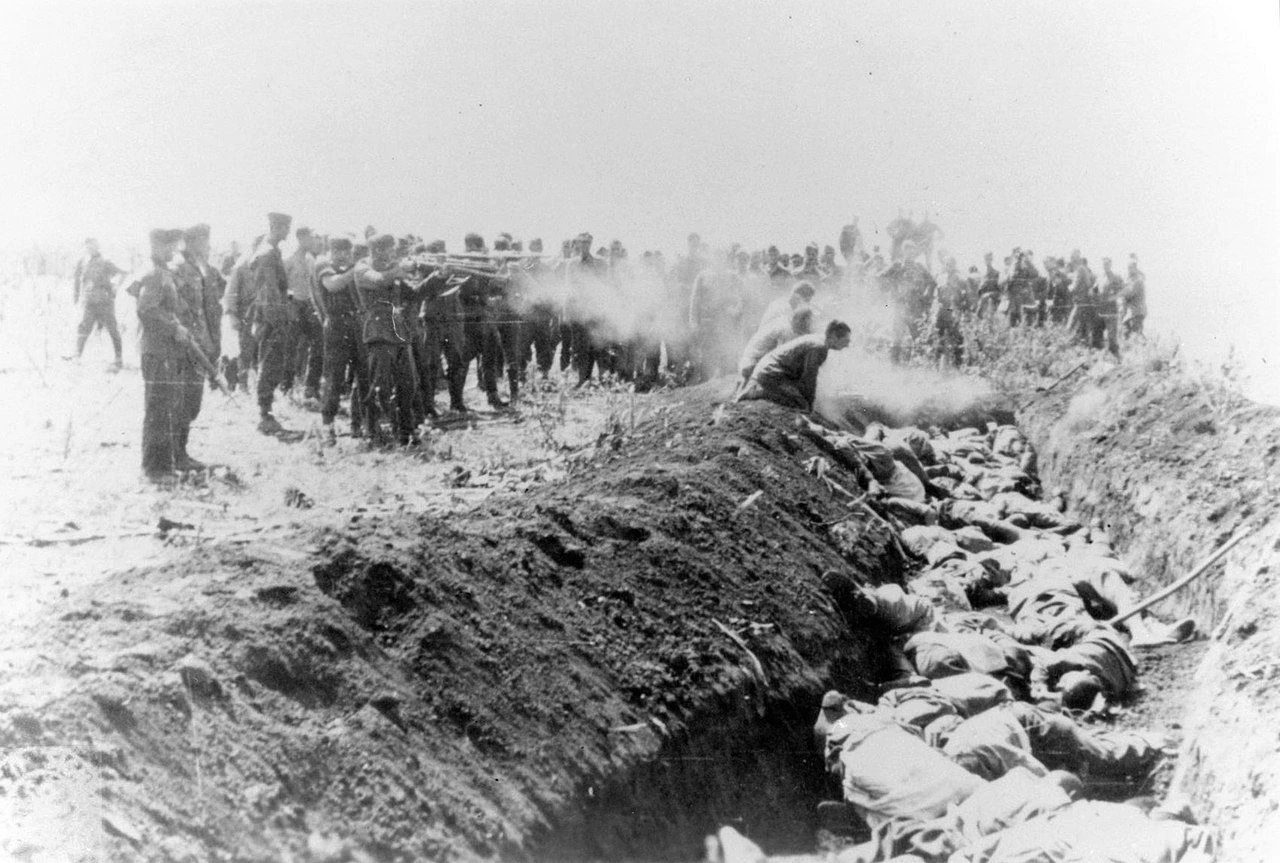
Beria proposes C to Stalin. The Beria Note to Stalin of 5 March 1940, signed by Stalin, Voroshilov, Molotov, and Mikoyan, orders the execution of 25,700 detained Poles — including 14,700 officers and 11,000 Polish and Jewish civil servants from the eastern territories. The executions are carried out by the NKVD between April and May 1940 in the Katyn forest (3,820 dead, from the Kozelsk camp), at Mednoye near Kalinin (Tver) (6,311 dead, Ostashkov camp), at Pyatikhatky near Kharkov (3,820 dead, Starobielsk camp), and at other mass graves discovered later (Bykivnia near Kiev, Khataïn). 22,000 Poles in total. The bodies are buried in mass graves in groups of 10-12. The Germans discover the Katyn graves in April 1943 and use them for propaganda. The USSR denies the deed and accuses the Germans until 1990, when officially acknowledges Soviet responsibility. The Beria Note of 5 March 1940 is declassified in 1992 by Yeltsin. Beria is executed in December 1953 by his former Politburo colleagues, after Stalin's death. The Katyn massacre remains one of the principal mass crimes of Soviet communism; the juridical debate is lively: the European Court of Human Rights refused in 2013 to qualify the event as genocide.
Learn more about this event
Related polls
10
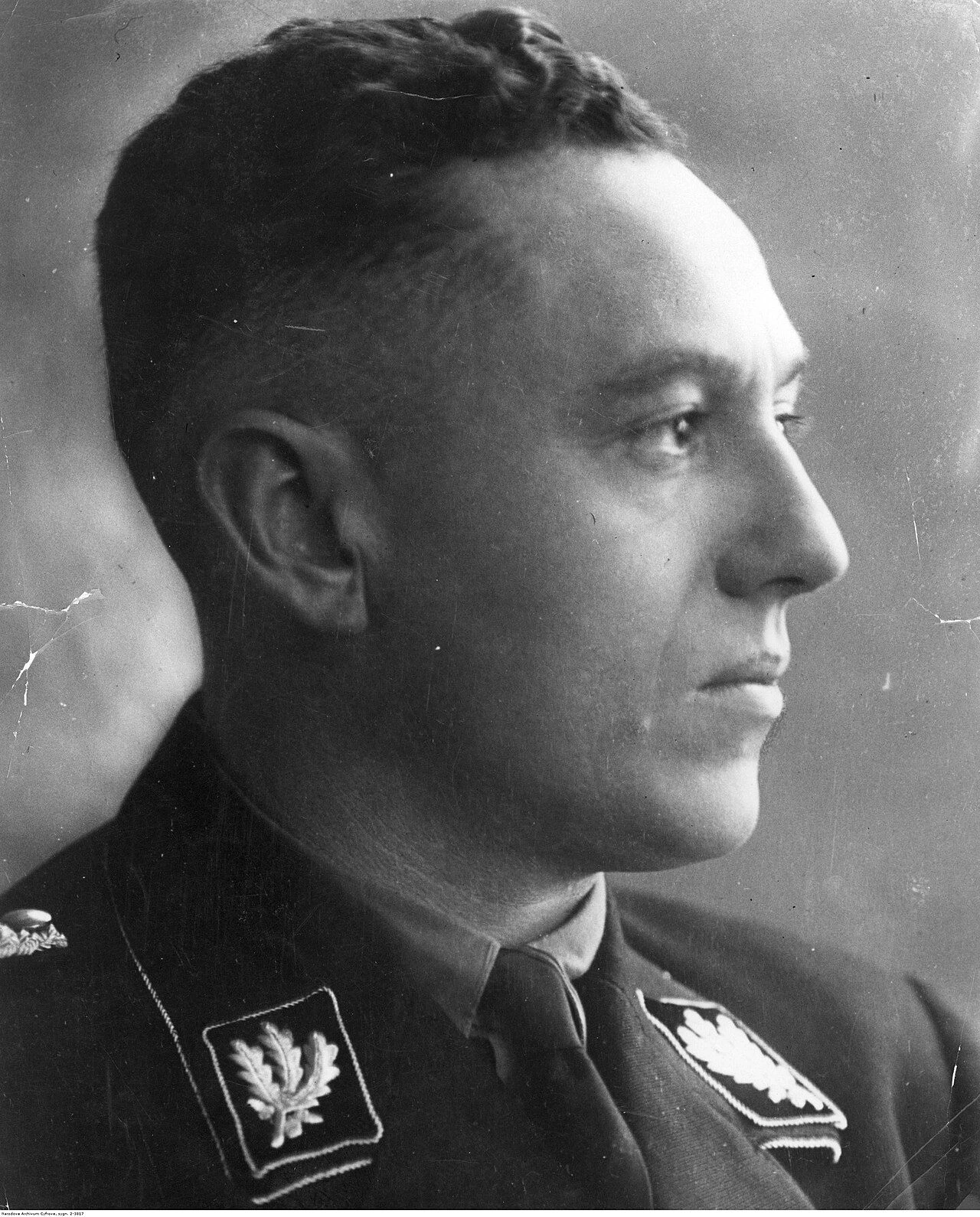
Heydrich — the Conference of 21 September
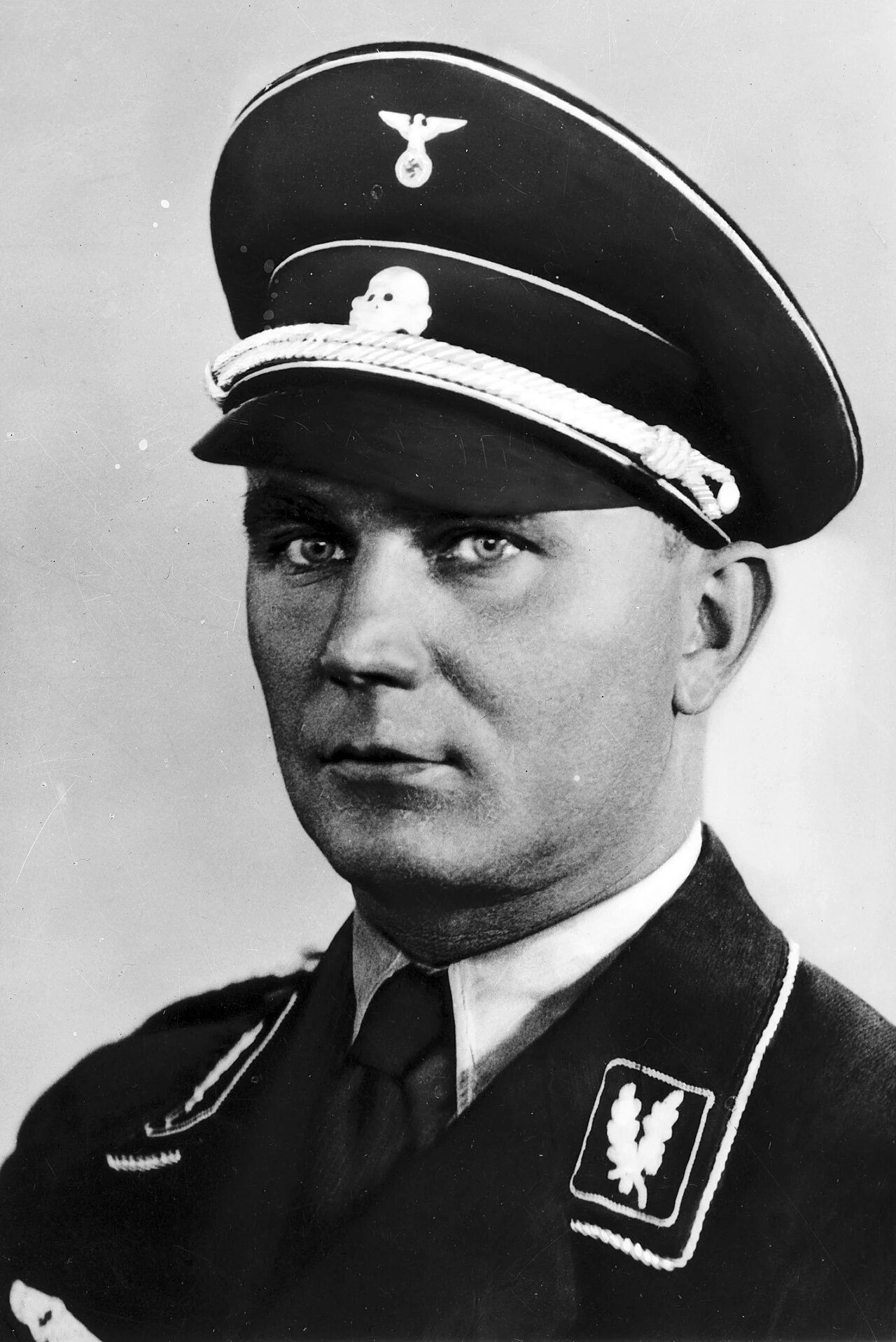
Forster — Kashubians and Kociewiacy
Greiser — the Priority of the Wartheland
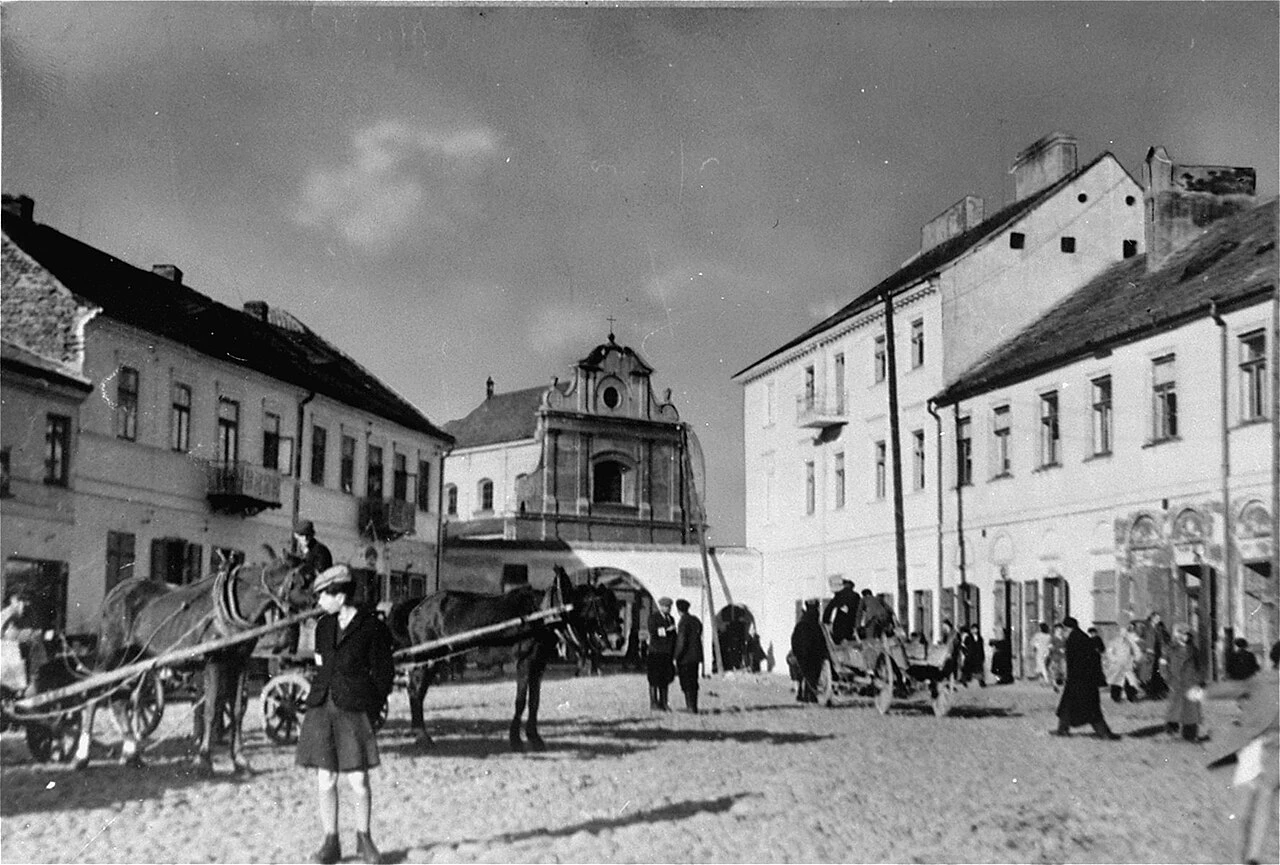
Piotrkow — Tenenberg Facing the Judenrat
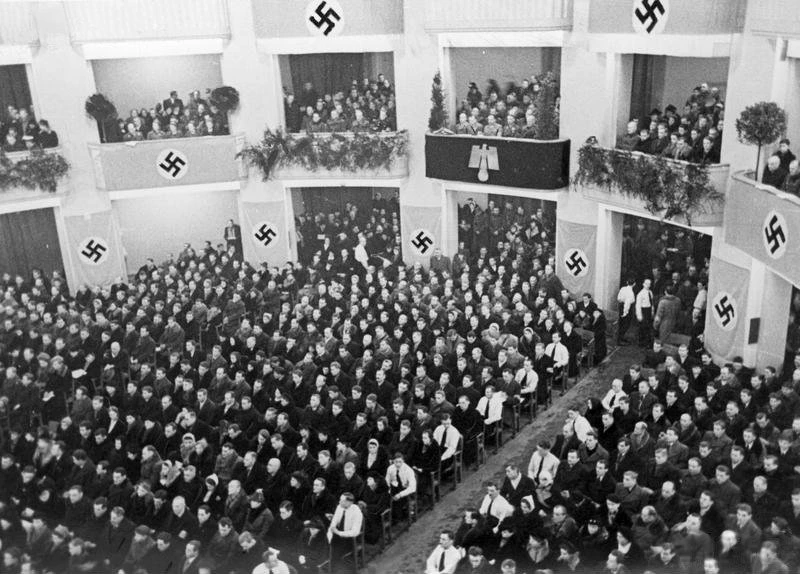
Selbstschutz — Alvensleben in Pomerania
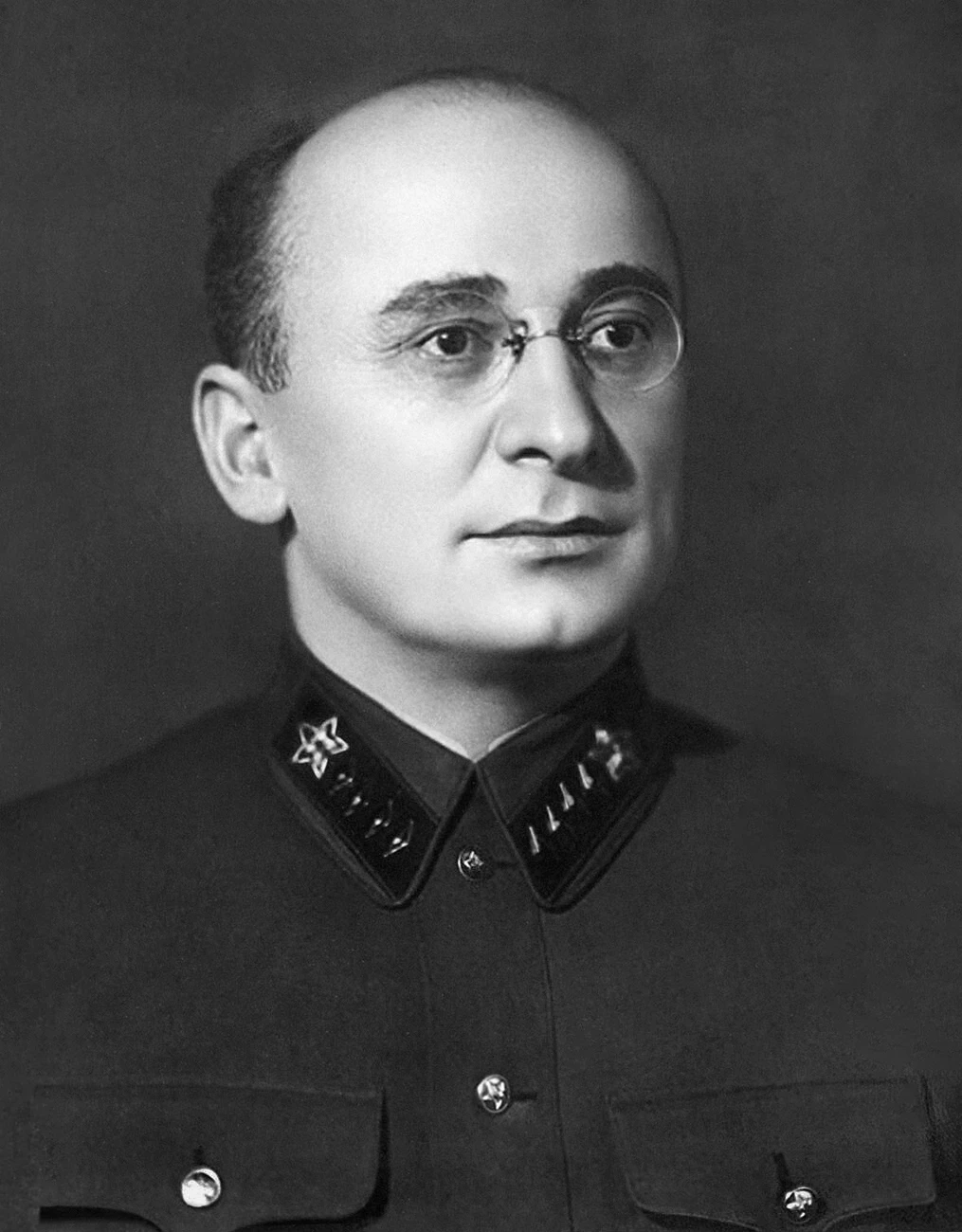
Katyn — the order on Beria's desk
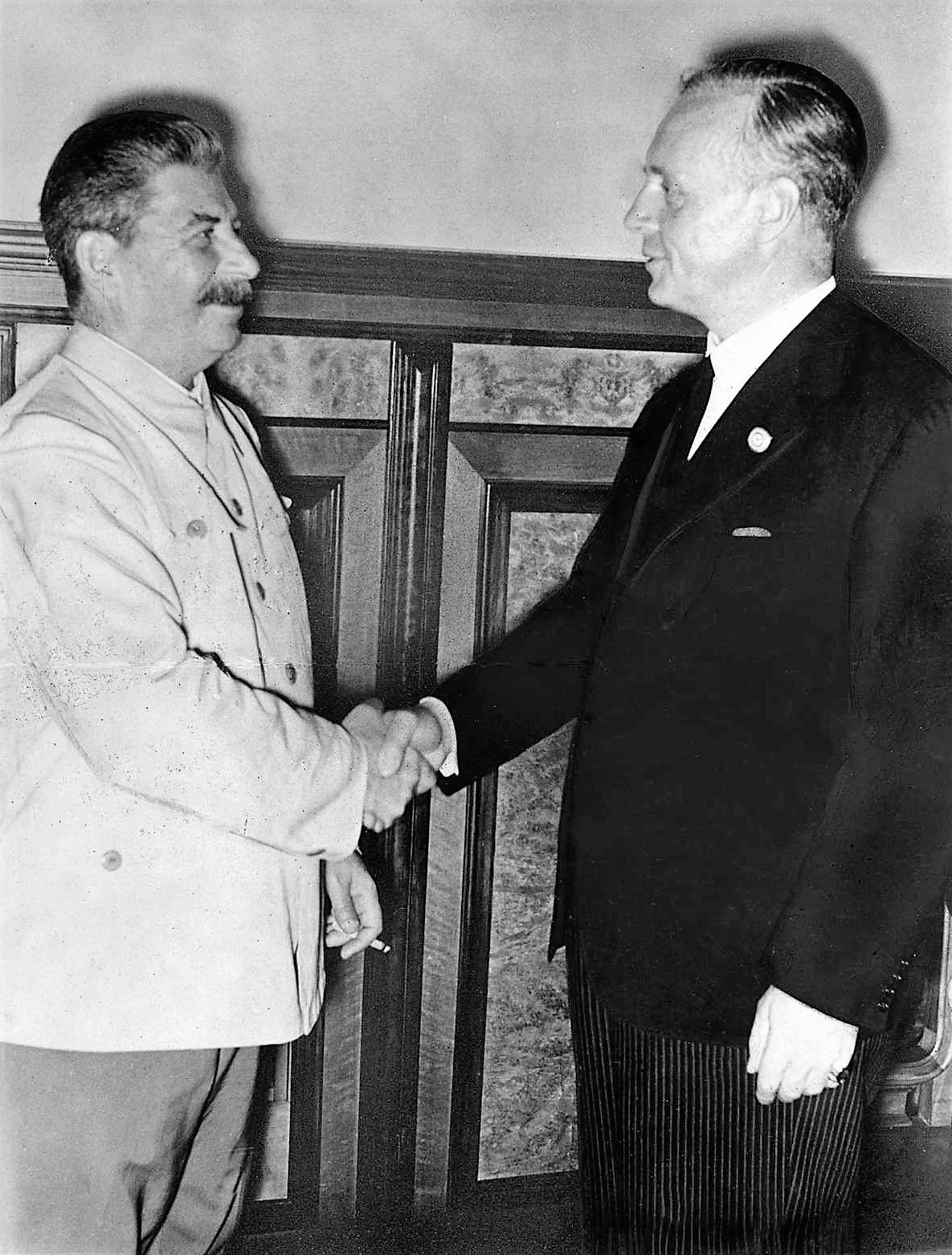
Ribbentrop in Moscow — the Accord of 28 September
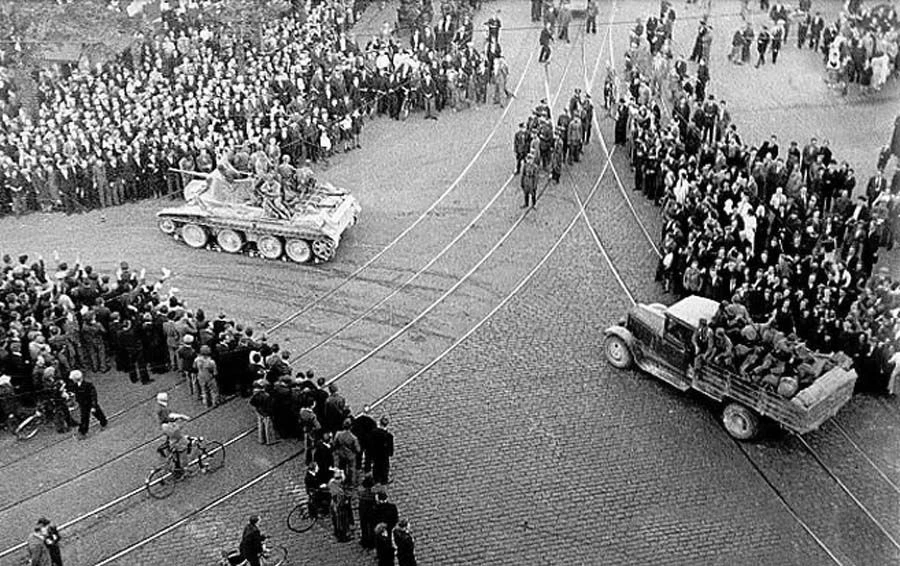
Serov — 10 February 06:00 at Lwów
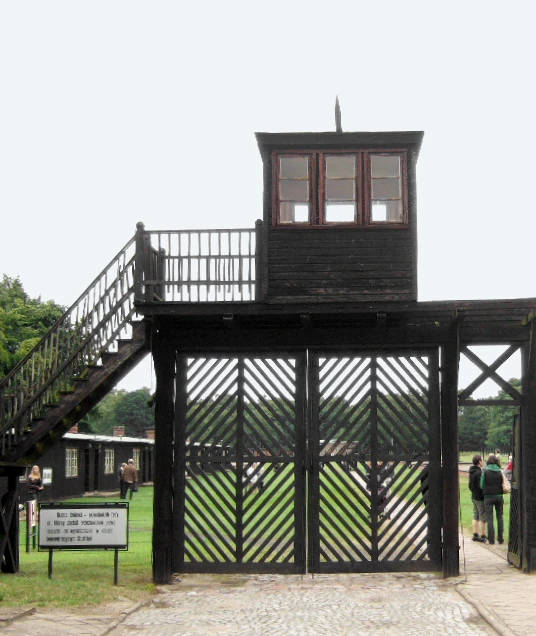
Stutthof — Pauly and the first contingent
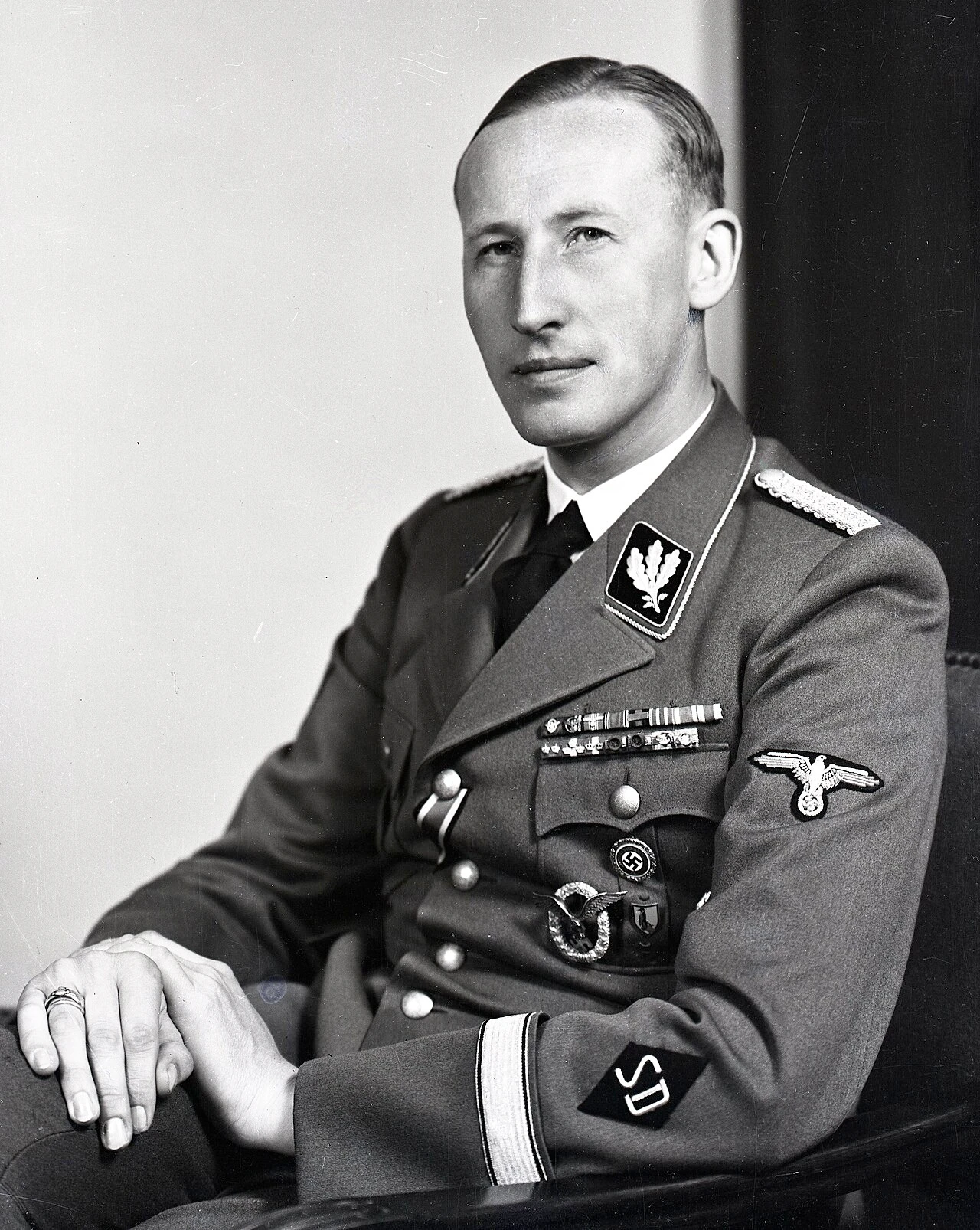
Heydrich's mandate
Heydrich — the Conference of 21 September
Forster — Kashubians and Kociewiacy
Greiser — the Priority of the Wartheland
Piotrkow — Tenenberg Facing the Judenrat
Selbstschutz — Alvensleben in Pomerania
Katyn — the order on Beria's desk
Ribbentrop in Moscow — the Accord of 28 September
Serov — 10 February 06:00 at Lwów
Stutthof — Pauly and the first contingent