
Borakowski and the merchant fleet
At the outbreak of war the Polish merchant marine comprised 38 operational ships: passenger liners (the famous Piłsudski, Batory, Sobieski and Chrobry), cargo vessels (Lloyd polonais) and tankers (Polski Tankowiec). Manpower: 5,800 Polish seamen. Flag: Polish, registered at Gdynia.
On 31 August 1939 the last order from the Polish Ministry of Maritime Trade () to all captains read: "Make at once for British and French ports. Avoid the Baltic Sea." The order was applied across the Atlantic and the Mediterranean. By the fall of Poland (late September 1939) 35 of the 38 ships were in the west under Allied control. Three were seized: one by the Germans (at Hamburg), two by the Soviets.
, 50, the director of Gdynia-America Line (GAL — the principal Polish shipowner), settled in London as head of the Polish merchant marine in exile from October 1939. Sikorski entrusted him with the mission of holding the fleet together under Allied command. The legal form remained to be fixed: sell the ships to fund the government in exile at once, hand them over in some arrangement that spared the flag and sovereignty, or stand up an autonomous free fleet at the price of heavy management.
Borakowski had to decide on the legal form of integration with the Allied effort.
How should the Polish merchant marine be integrated into the Allied war effort?
Borakowski applied B. On 30 November 1939 the agreement was signed between Borakowski and the British Ministry of Shipping (under Sir ): all the Polish ships kept their flag, their Polish crews and their administrative identity — hierarchy and ship's language preserved — but were chartered in full to the Allies for the duration of the war. Seamen's wages: at British levels, paid by London. Losses during the war: 20 ships out of 35 were sunk (troop transports at Narvik in 1940, where the Chrobry was lost; Mers-el-Kébir; Atlantic convoys with the U-boats). Survivors at the end of the war: 15 ships. But new ships were acquired during the war, and the fleet was in fact reconstituted. By 1 January 1945 the Free Polish merchant marine numbered 47 ships. At the liberation, the Polish communist government in Warsaw claimed the ships. The 1947 compromise: 28 ships returned to Poland, 19 remained in exile (London) until dissolution in 1969. Borakowski stayed in London, refused to return and died in 1958.
Learn more about this event
Related polls
10
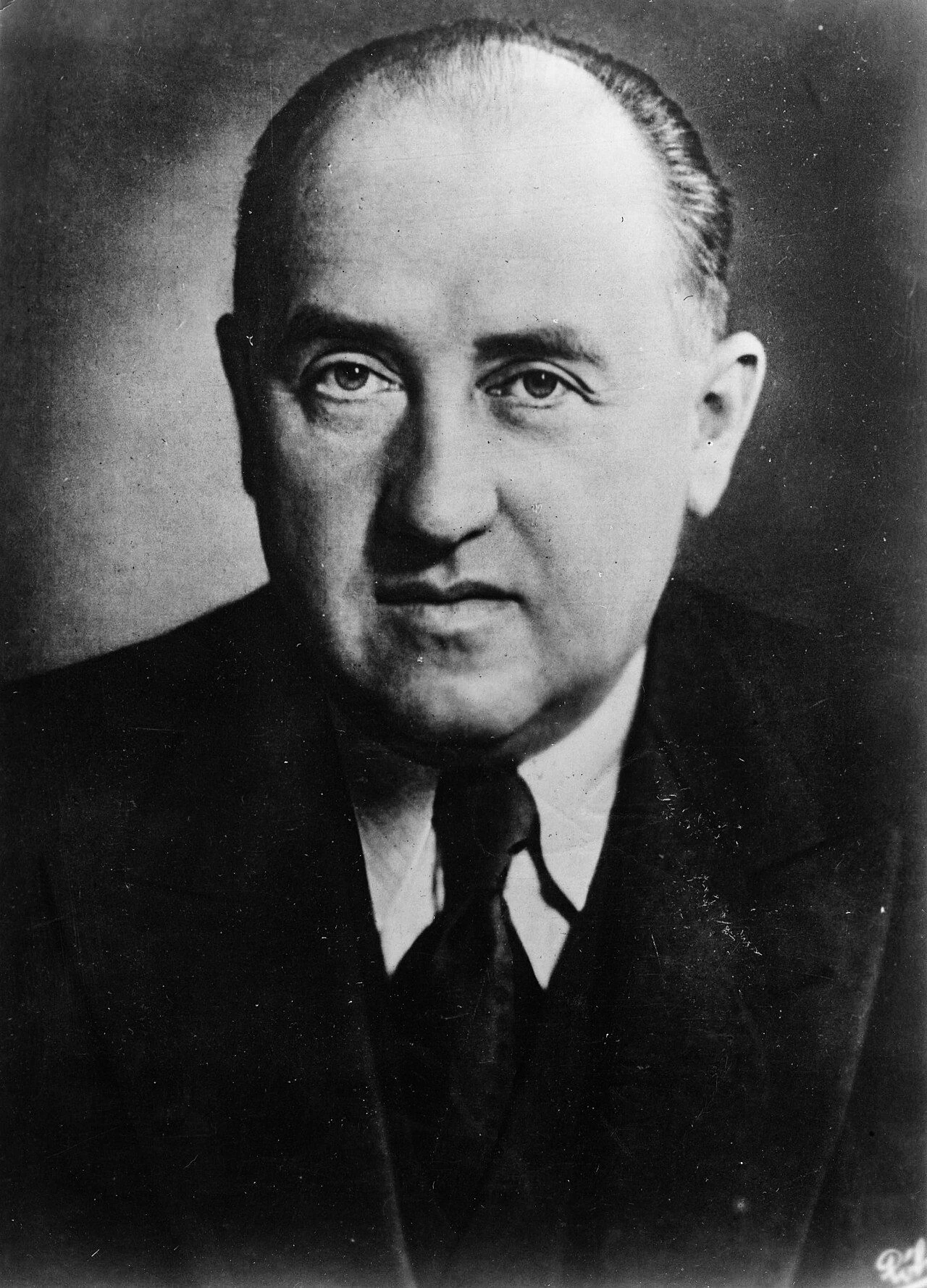
The Gold of the Bank of Poland — the destination of the SS Eocene
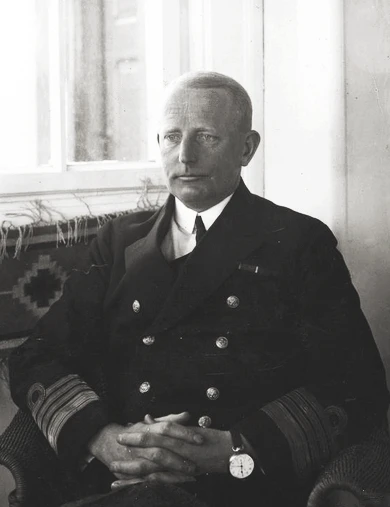
Hel — Unrug faces the German envoy
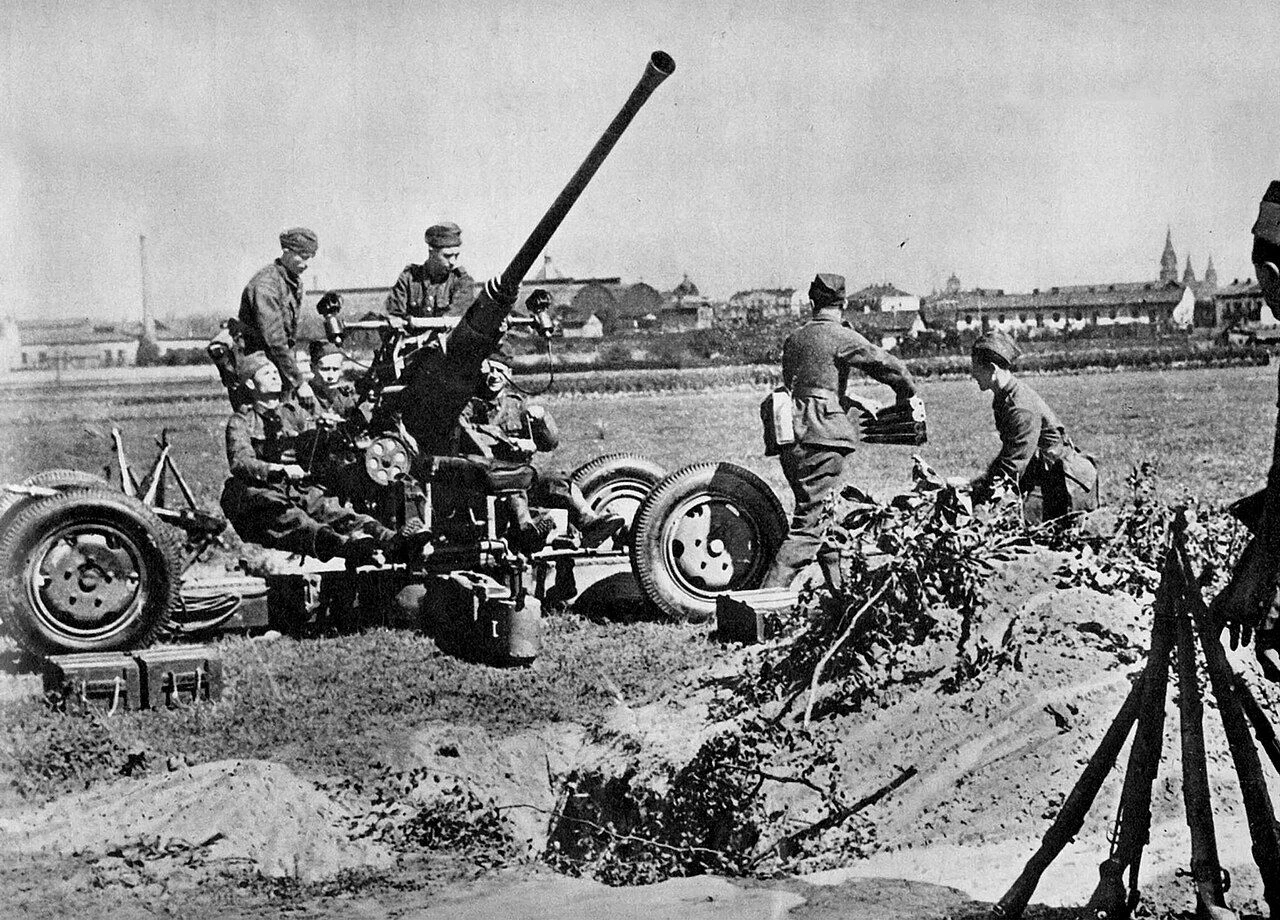
Lwów — Langner between two occupiers
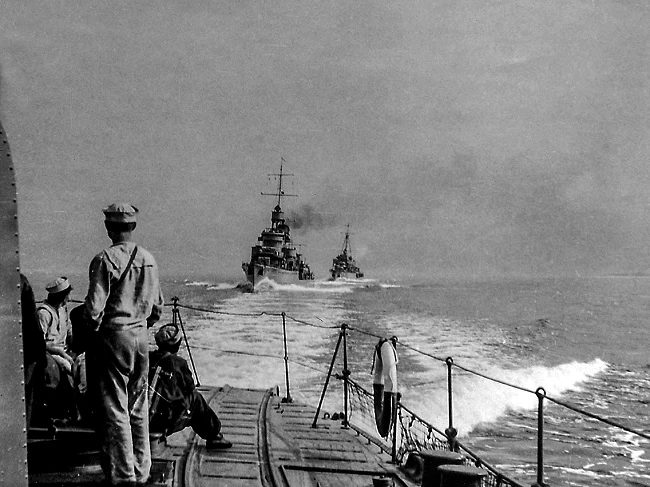
Operation Peking — Stankiewicz Facing the Sound
ORP Wilk — Krawczyk and the Sund
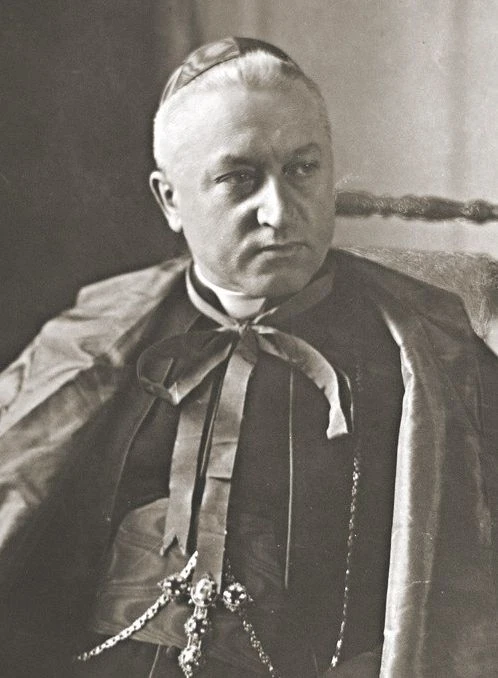
Cardinal Hlond — the Vatican's instruction
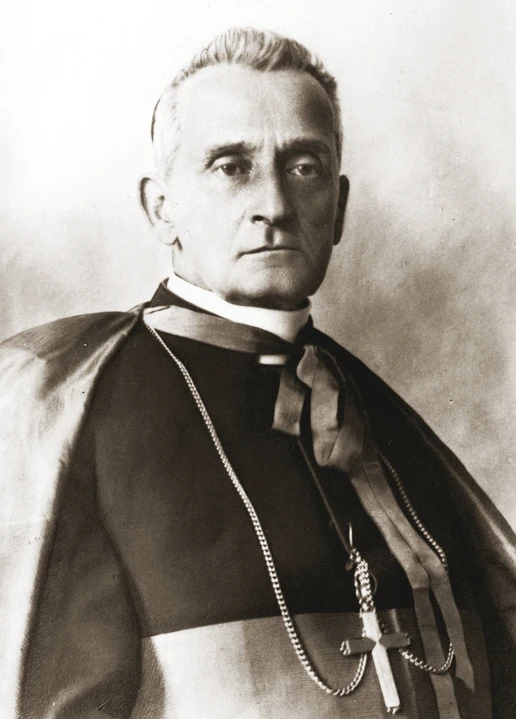
Cardinal Sapieha — Krakow under Occupation
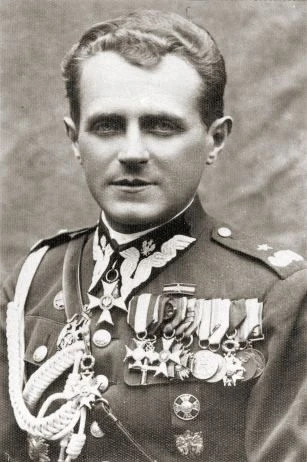
Karaszewicz-Tokarzewski — Founding the SZP
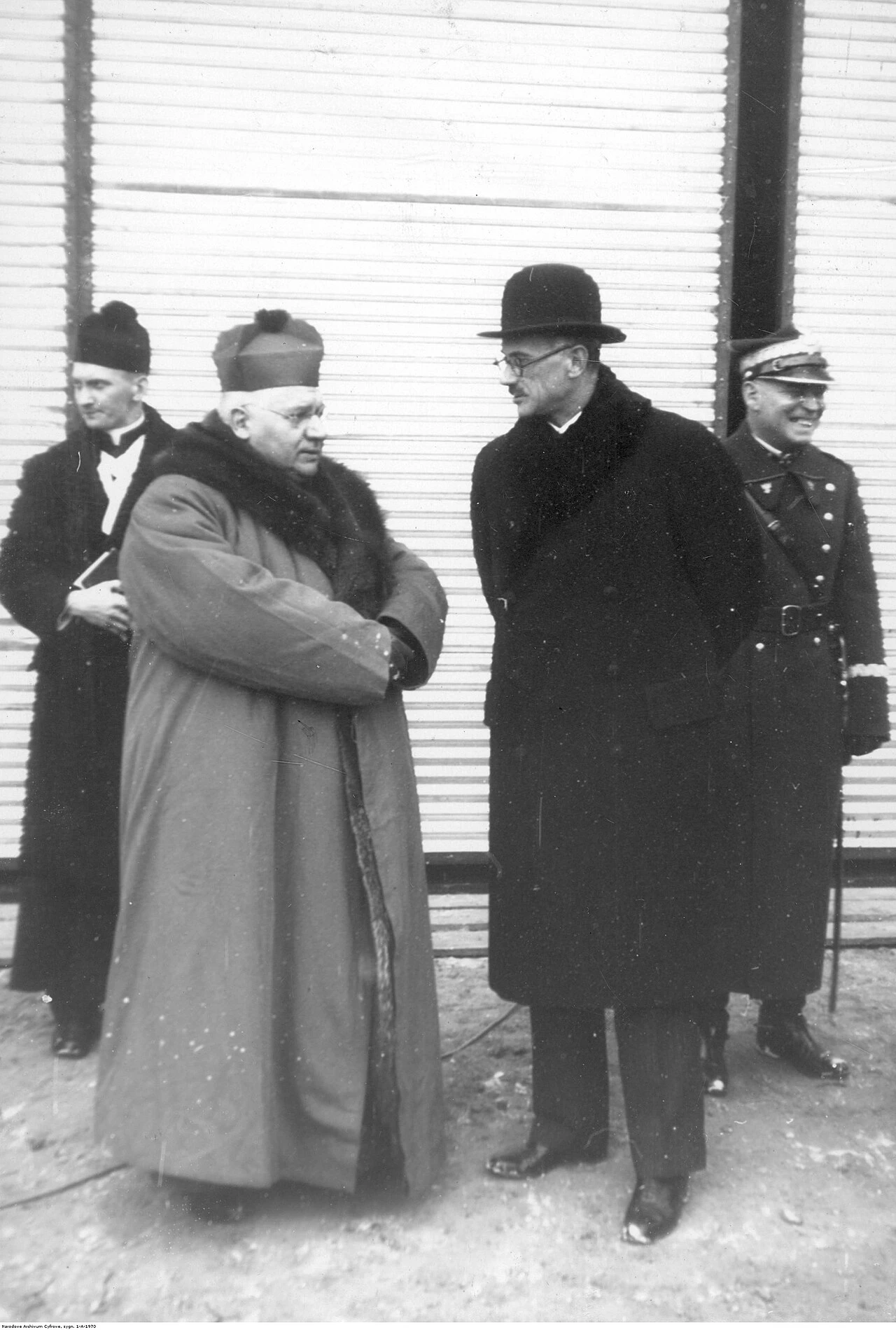
Bishop Adamski in annexed Katowice
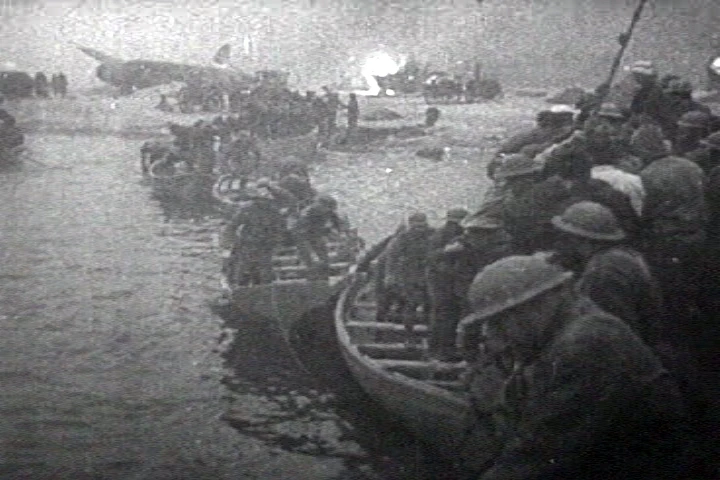
Ramsay — Dover, 14:23
The Gold of the Bank of Poland — the destination of the SS Eocene
Hel — Unrug faces the German envoy
Lwów — Langner between two occupiers
Operation Peking — Stankiewicz Facing the Sound
ORP Wilk — Krawczyk and the Sund
Cardinal Hlond — the Vatican's instruction
Cardinal Sapieha — Krakow under Occupation
Karaszewicz-Tokarzewski — Founding the SZP
Bishop Adamski in annexed Katowice