
Hold the bastion or save the divisions?
In mid-December 1940, sees his dream of an African empire cracking apart. Launched on 9 December, the British Operation Compass has swept away in forty-eight hours the fortified Italian camps around Sidi Barrani, in Egypt, taking tens of thousands of prisoners.
The rout is swift. Marshal , commander-in-chief in Libya, abandons Sollum on 16 December and withdraws four divisions along the coastal road towards a stronghold of eastern Cyrenaica: Bardia. The small force of General , though greatly inferior in numbers, pursues its breakthrough westward, supported by the Royal Navy and the RAF.
Mussolini must settle on a course of action. To concentrate further west, towards Tobruk, would save the divisions still available but would mean abandoning conquered ground and publicly accepting the scale of the disaster. To hold Bardia, fortified and backed by the sea, might break the British momentum — at the risk of locking four divisions there against an adversary who dominates the sky, intelligence and morale. The Duce, anxious for the regime's prestige after the Greek failure, weighs the honour of arms against military prudence. The order he sends to the garrison commander will seal the fate of tens of thousands of men.
Should Mussolini order Bardia held at all costs, or authorise a withdrawal to preserve the divisions and concentrate further west?
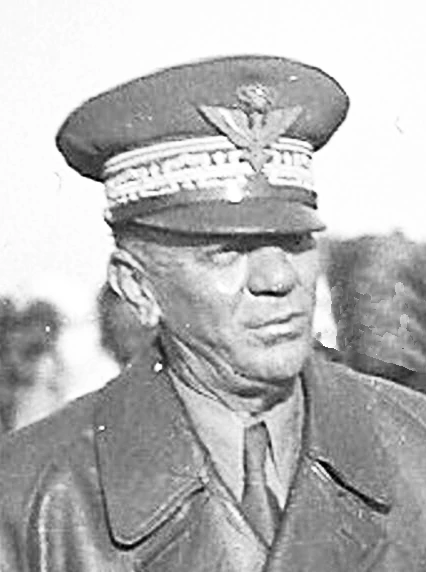
Mussolini chooses A: he sends the garrison commander, General , nicknamed 'Electric Whiskers', the order to defend the fortress of Bardia to the end, reminding him of his courage as a fearless old soldier. Bergonzoli replies that he will hold. But on 3 January 1941, General Mackay's , supported by artillery, the navy and the air force, launches the assault. In three days, from 3 to 5 January, the stronghold falls: some 40,000 Italians are killed, wounded or captured, along with hundreds of guns and dozens of tanks. The decision to hold, dictated by prestige rather than by the tactical situation, delivers the army to mass capture. Compass moves on at once to Tobruk, and Cyrenaica collapses, opening the way to the German intervention of the a few months later.
Learn more about this event
Related polls
10
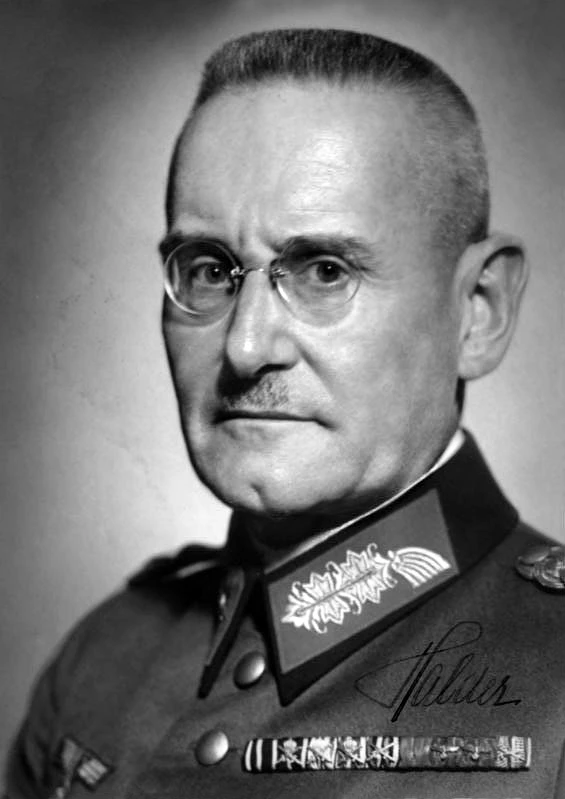
Which heart to strike in the East?
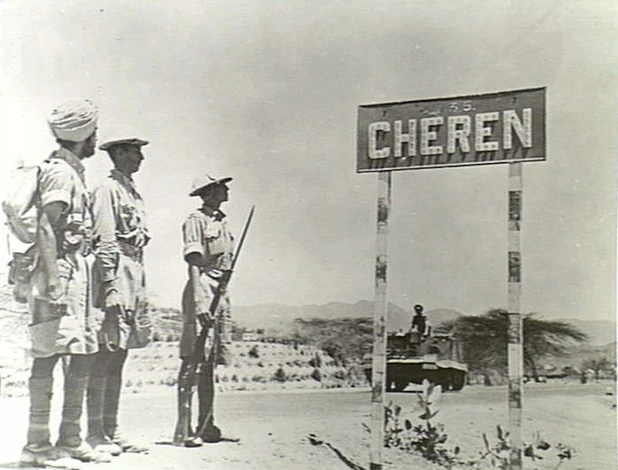
The Battle of Keren — Eritrea
"Cromwell" — England, 7 September 1940
Prestige or orders, at Kassala
Withdrawing the Stukas
Amba Alagi — the Duke of Aosta encircled
The Polish Army and the Deployment
Asmara: a second Keren or an open city?
Fall Gelb — the order of 9 May 20:00
France Behind the Maginot
Which heart to strike in the East?
The Battle of Keren — Eritrea
"Cromwell" — England, 7 September 1940
Prestige or orders, at Kassala
Withdrawing the Stukas
Amba Alagi — the Duke of Aosta encircled
The Polish Army and the Deployment
Asmara: a second Keren or an open city?
Fall Gelb — the order of 9 May 20:00