
The Admiralty and the Strasbourg Rumour
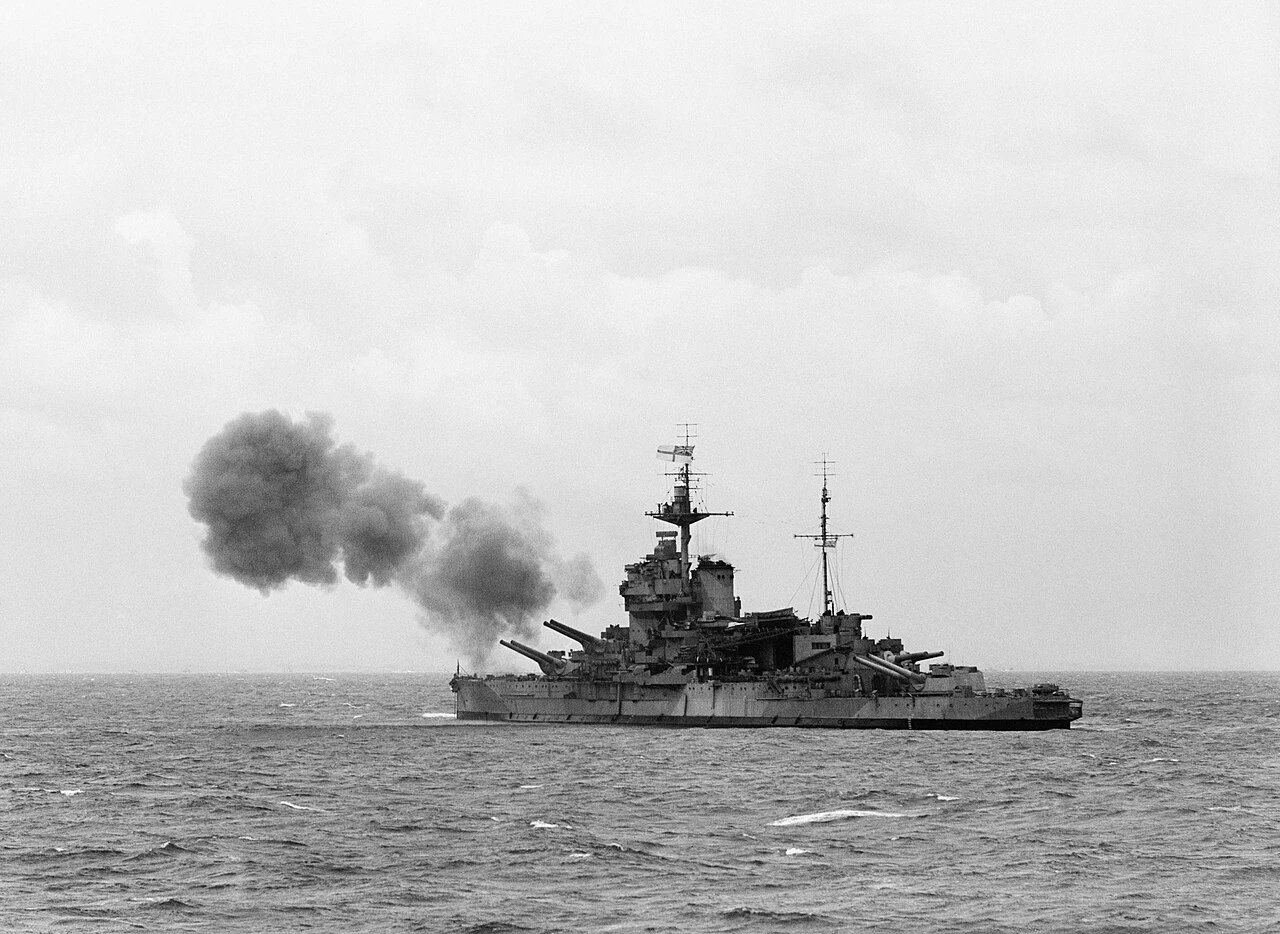
In late June 1940, the British Admiralty lives in anguish over the fate of the French fleet. With the armistice signed, London fears that the powerful French ships, especially the modern Dunkerque-class vessels, will end up serving Germany or Italy, tipping the naval balance in the Mediterranean. The Dunkerque-class vessels are among the fastest in the world, and the thought of seeing them captured by the enemy haunts the British staff.
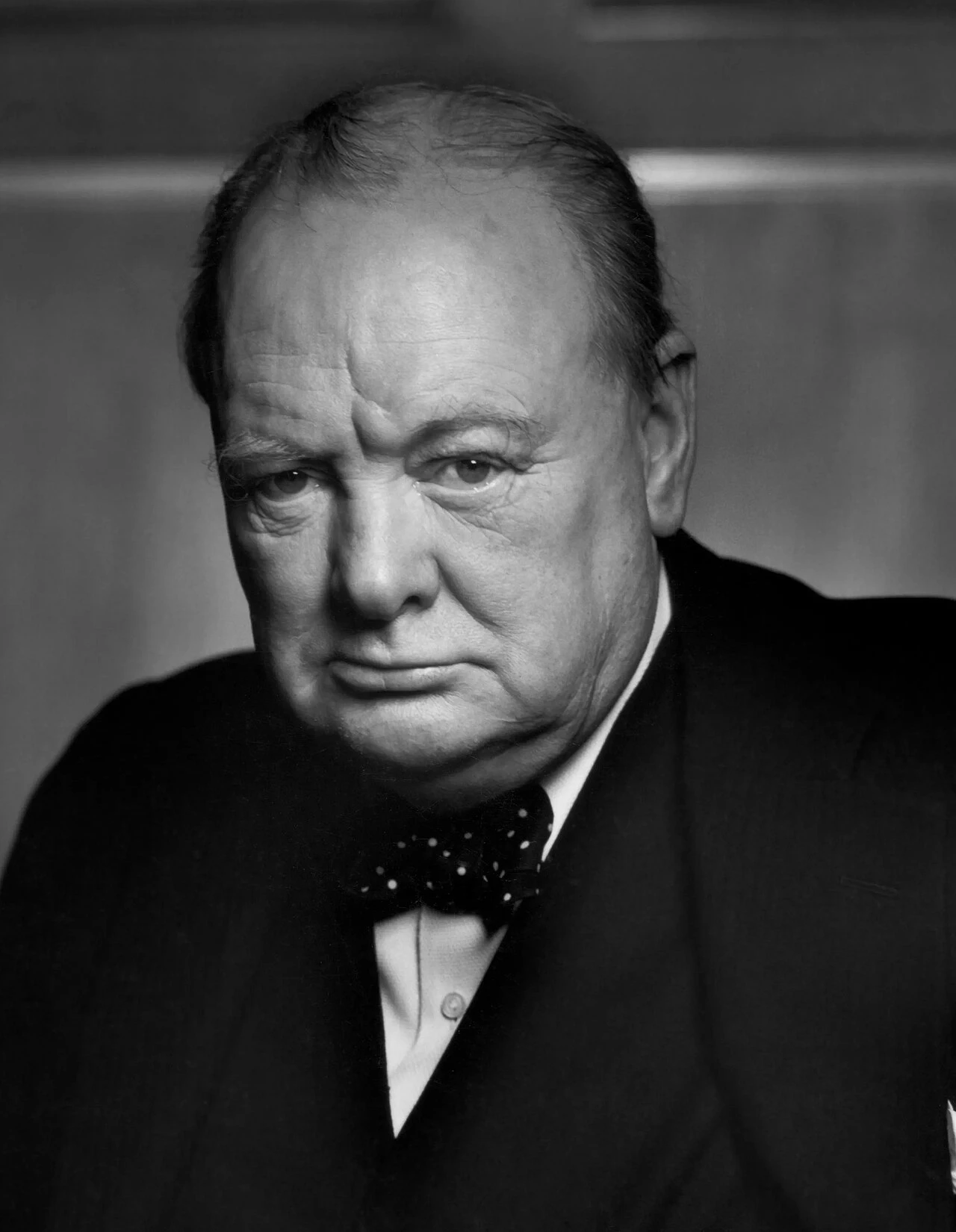
On the evening of 28 June, a note from naval intelligence reports that the battleship Strasbourg, anchored at Mers-el-Kébir, has apparently weighed anchor to join Toulon — or worse, to reach a port controlled by the Axis. The information cannot be verified immediately. The rumour reaches Churchill, who must decide the fate of the French fleet in the coming days. At the same time, the Royal Navy assembles Force H at Gibraltar and sets up Operation Catapult, intended to neutralise the French fleet in several ports at once.
The dilemma is that of intelligence in a time of crisis: act on unverified information at the risk of a serious mistake, or take the time to confirm at the risk of letting a threat slip. The officers' recommendation will weigh on the decision whether or not to attack Mers-el-Kébir.
What should naval intelligence recommend in the face of the Strasbourg rumour?
The Admiralty recommends B. Aerial reconnaissance flown from Gibraltar on 29 June confirms that the Strasbourg is still at Mers-el-Kébir. The rumour was unfounded, but it will have accelerated the political decision: Operation Catapult moves into its operational phase on 1 July. This episode illustrates the role of uncertain information in the chain that leads to the Mers-el-Kébir tragedy: it is less an established fact than a fear — that of seeing the French fleet change sides — that drives the British to strike an ally of the day before. Intelligence here corrected a false alarm without defusing the distrust.
Learn more about this event
Related polls
10
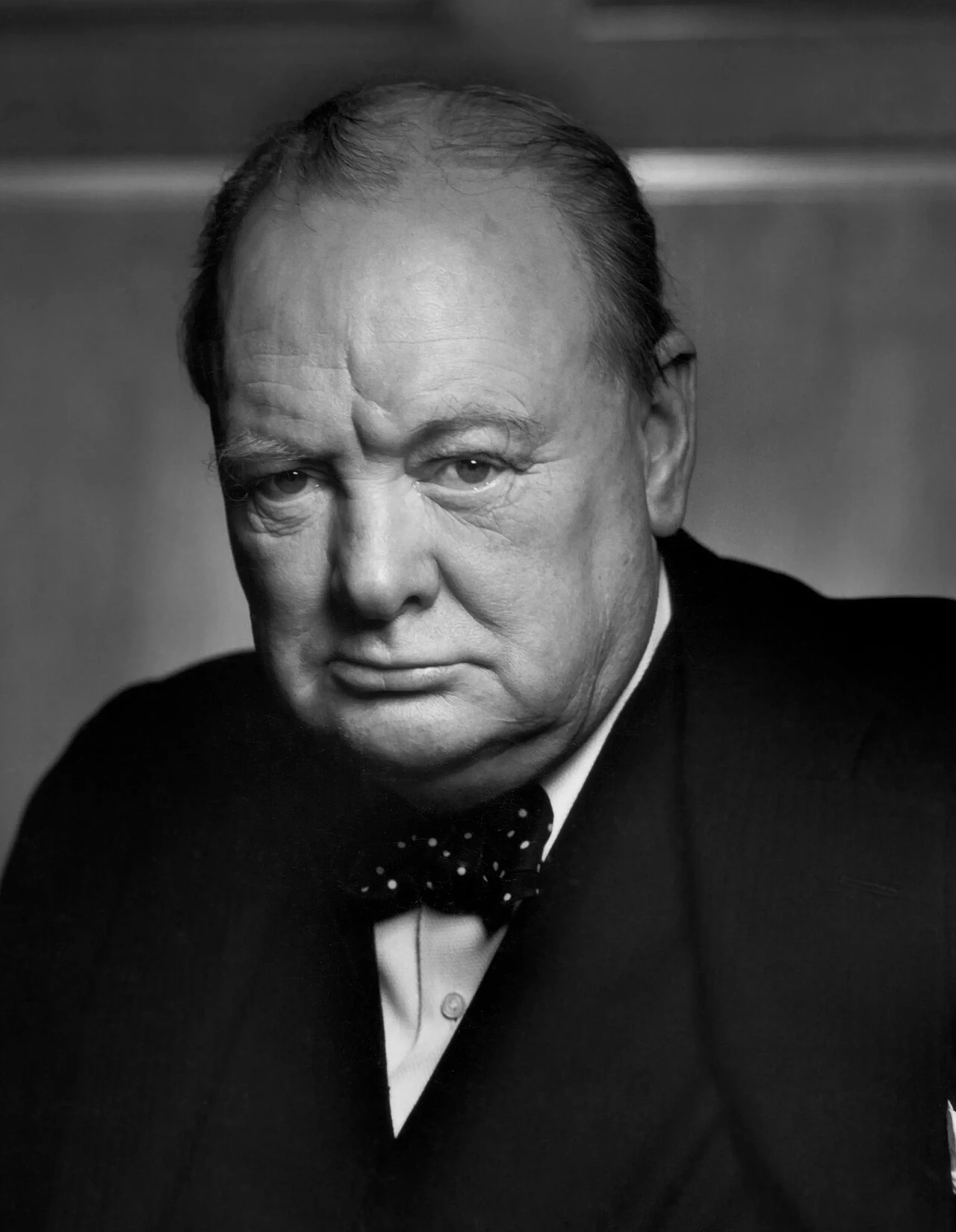
The Cabinet and Operation Catapult — 1 July
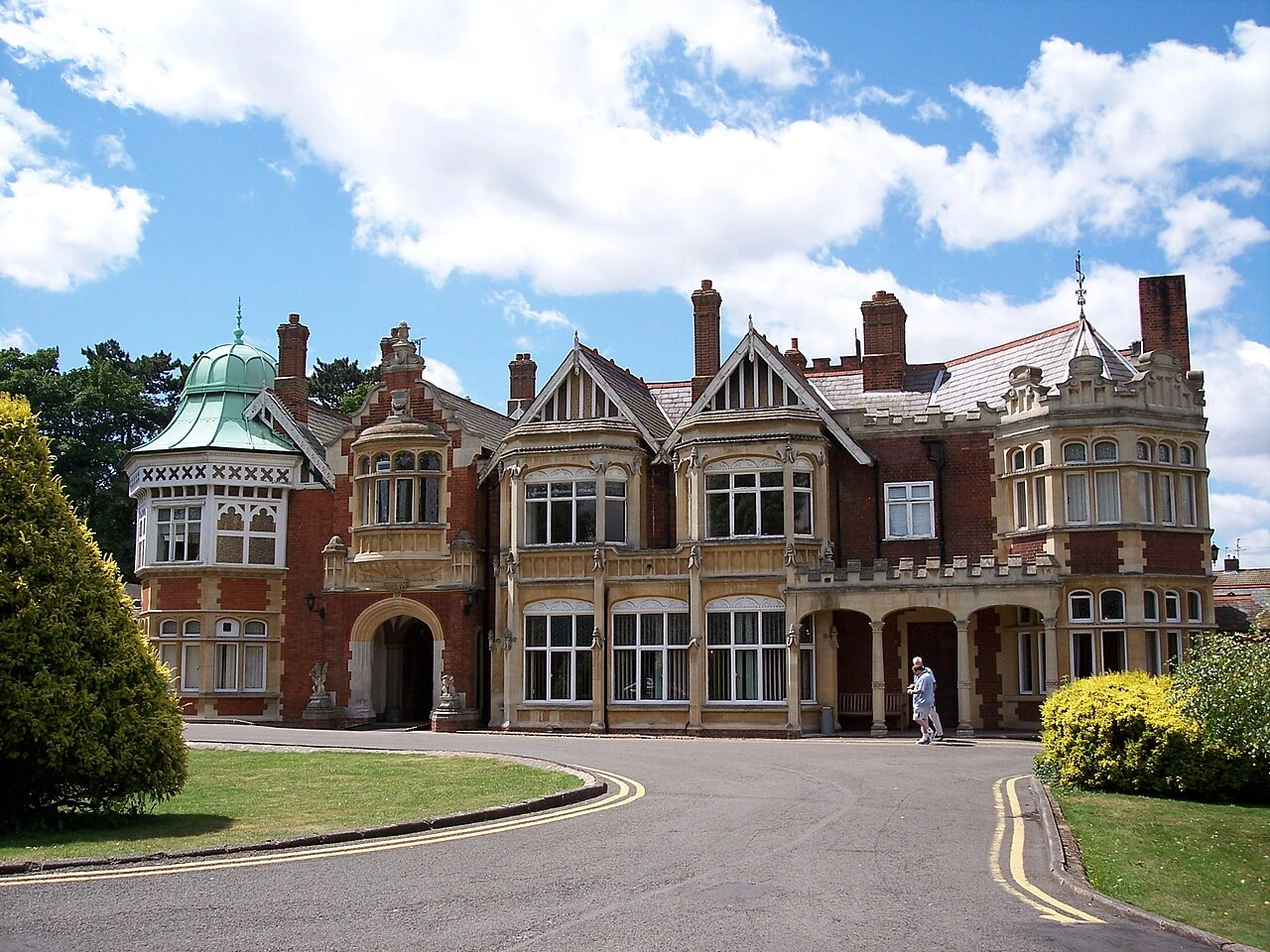
Bletchley breaks the Norway Enigma
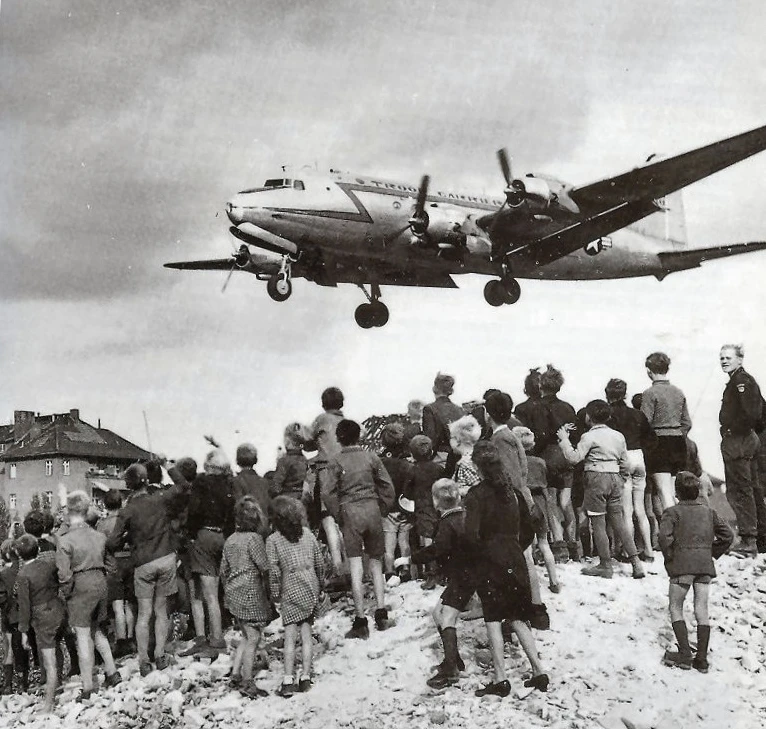
The blockade of Germany
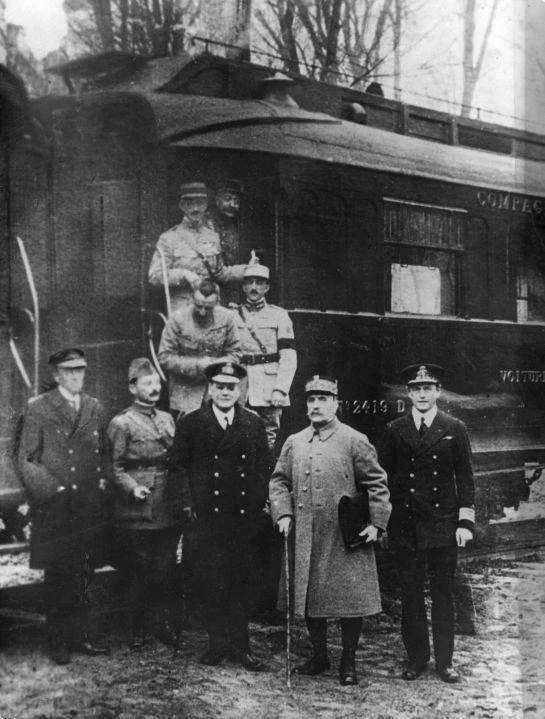
Rethondes — Article 8 on the Fleet
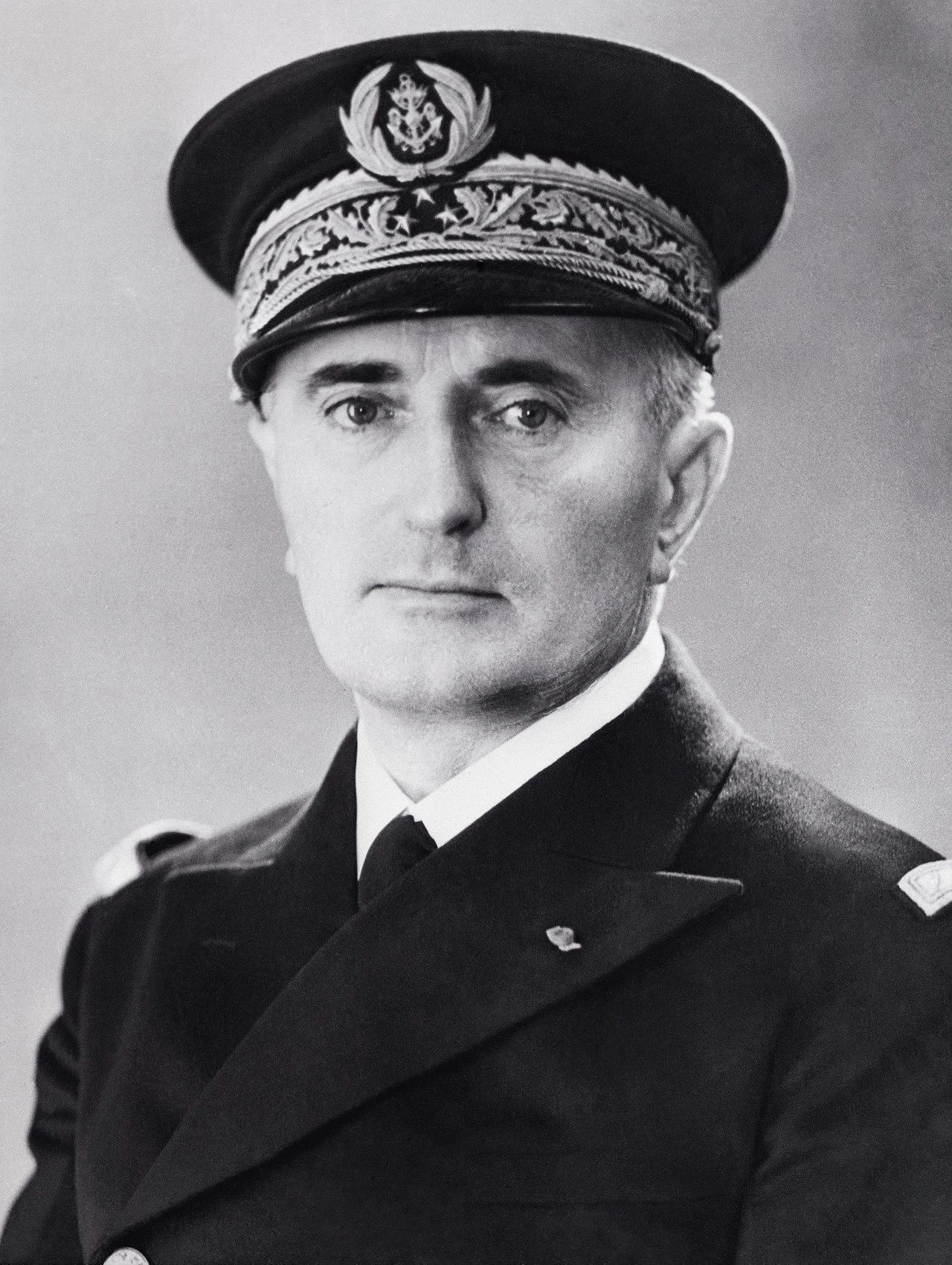
The French navy disperses
Mining the Rhine — Operation Royal Marine
U-110 — a U-boat abandoned but afloat
Narvik — too senior an admiral
Bombing London — and the reply on Berlin
Cape Matapan — Cunningham against Iachino
The Cabinet and Operation Catapult — 1 July
Bletchley breaks the Norway Enigma
The blockade of Germany
Rethondes — Article 8 on the Fleet
The French navy disperses
Mining the Rhine — Operation Royal Marine
U-110 — a U-boat abandoned but afloat
Narvik — too senior an admiral
Bombing London — and the reply on Berlin