
Rostov: Withdraw or Obey the Führer
On 21 November 1941, Kleist's 1st Panzer Army — with the Leibstandarte division — takes Rostov-on-Don, the gateway to the Caucasus and its oil. But the spearhead is dangerously overstretched; a Soviet counter-offensive threatens to encircle it.
Rundstedt, commanding Army Group South, judges the position exposed and fears for his flank. A fallback line exists to the rear, along the Mius, but Hitler has laid down the principle of "hold at all costs": no retreat is to be conceded without his approval. The field marshal is caught between the salvation of his divisions and the discipline owed to headquarters.
The choice before him is unprecedented on the Eastern Front: can a senior German commander, on his own authority, defy a formal order from the Führer?
Threatened with encirclement at Rostov, should Rundstedt hold the city on Hitler's order, or order the withdrawal to the Mius at the risk of being dismissed?
Rundstedt ordered the withdrawal to the Mius line; Hitler cancelled the order. The field marshal refused to revoke it. The retook Rostov on 28-29 November 1941 — the first major German reverse of the war. Rundstedt was sacked on 1 December and replaced by Reichenau, who at once found that he had been right and obtained from Hitler, reluctantly, permission to fall back to the Mius. It was the 's first major strategic withdrawal — a crack in the myth of invincibility, a few weeks before the Moscow counter-offensive.
Learn more about this event
Related polls
10
Zhukov Facing the Void Before Moscow
Kirponos, Kiev and Stalin's Prohibition
The Polish Army and the Deployment
"Cromwell" — England, 7 September 1940
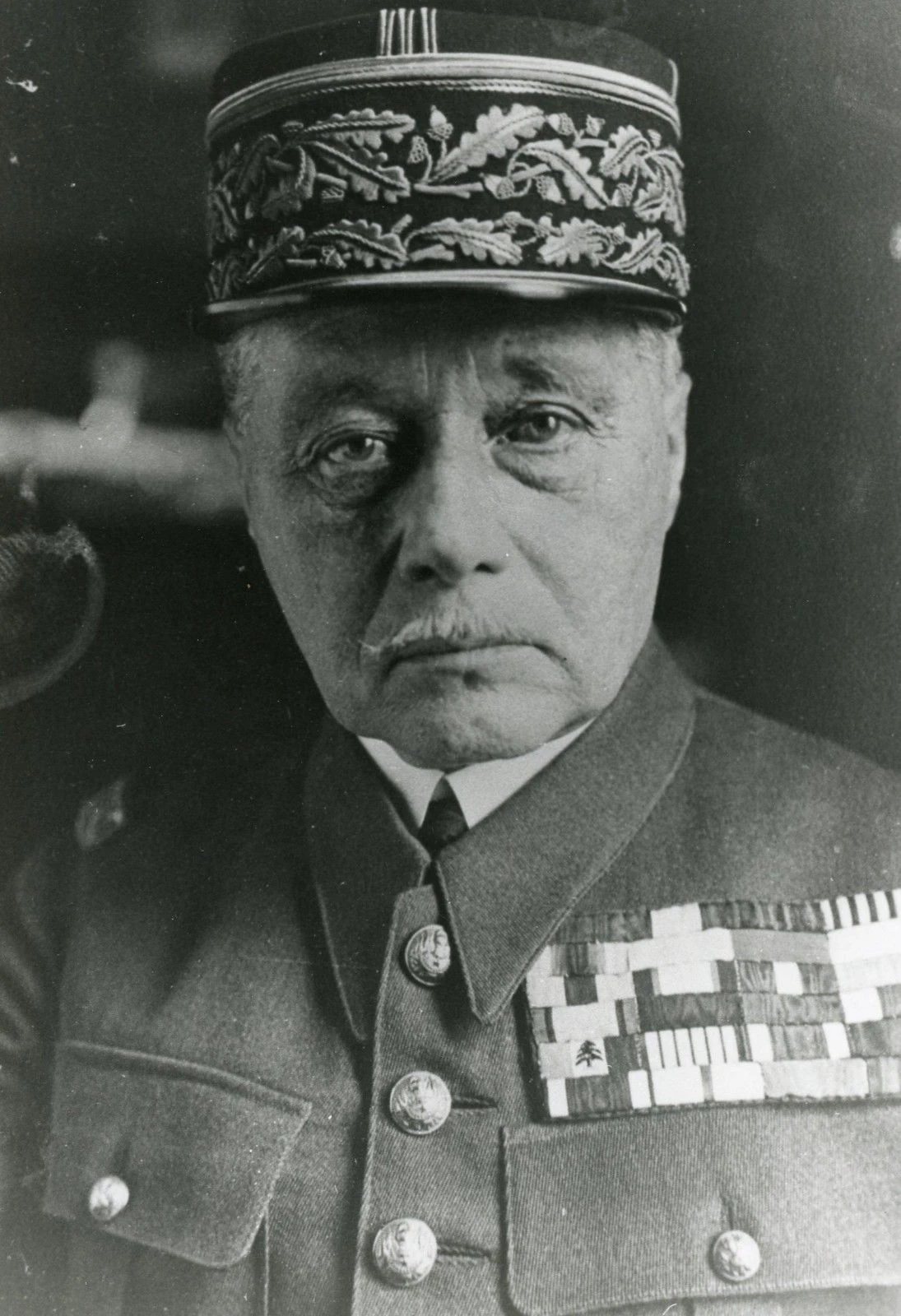
France Behind the Maginot
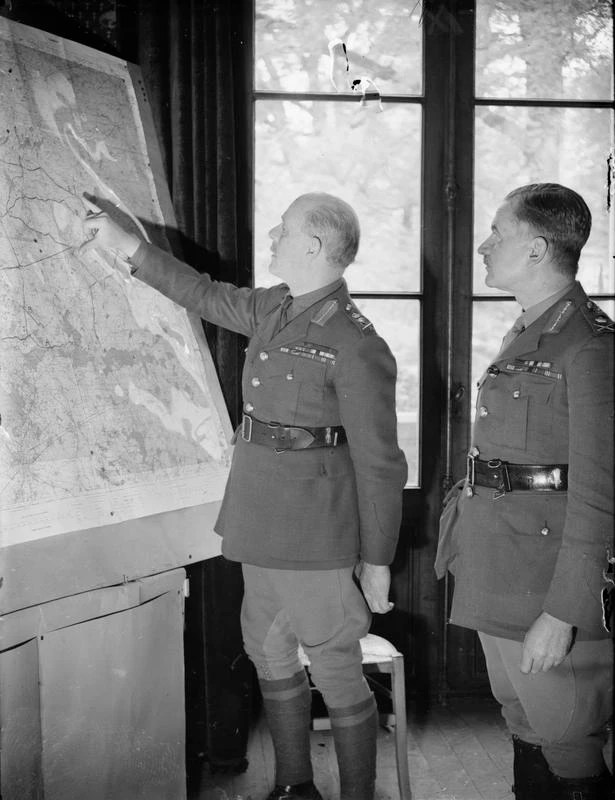
Gort at Habarcq — trust in the French plan
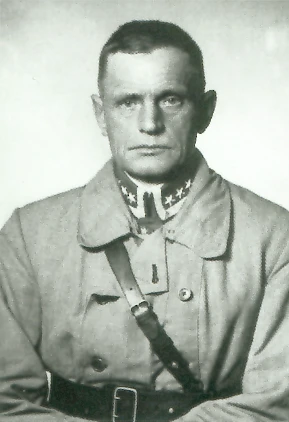
Gudbrandsdal — Ruge imposes his line
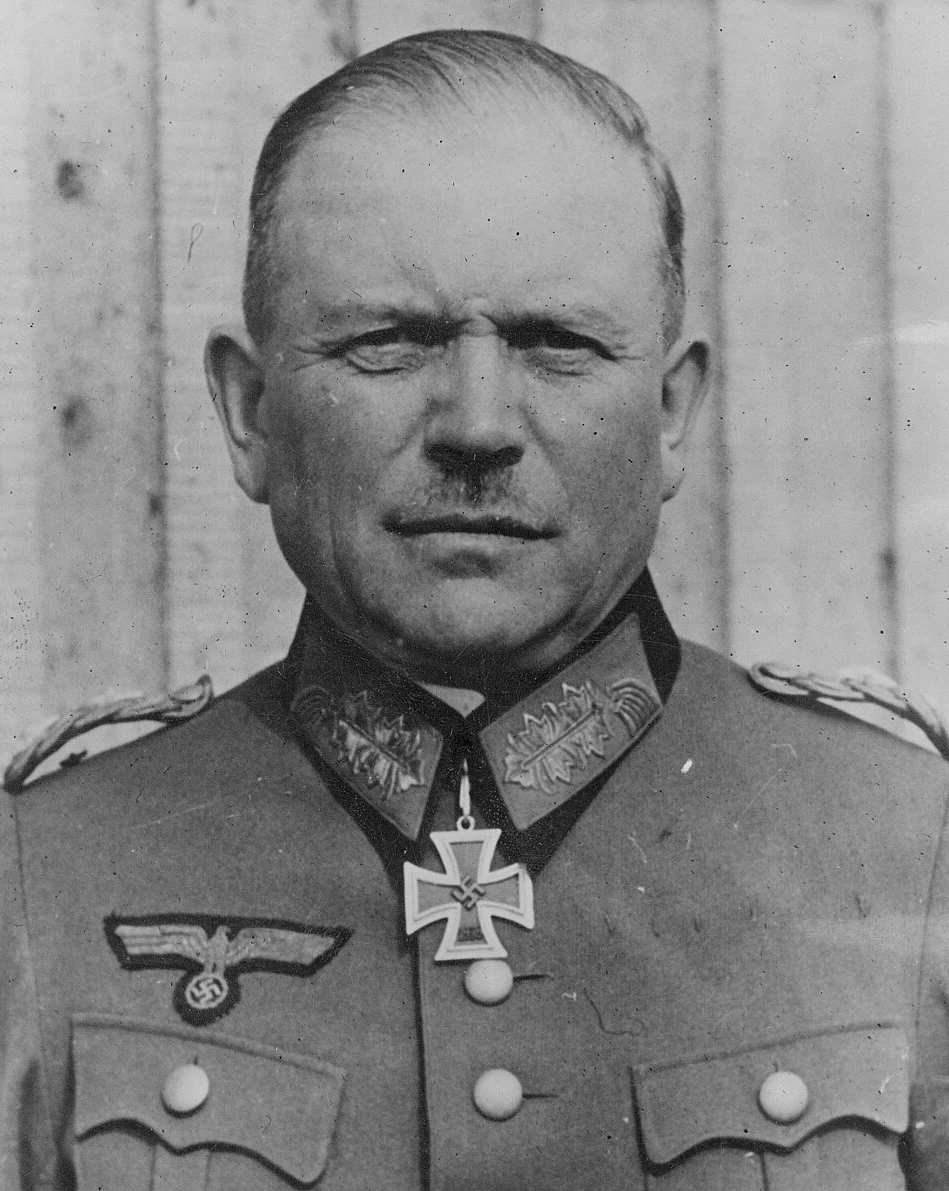
The Mud, the Winter and the Road to Moscow
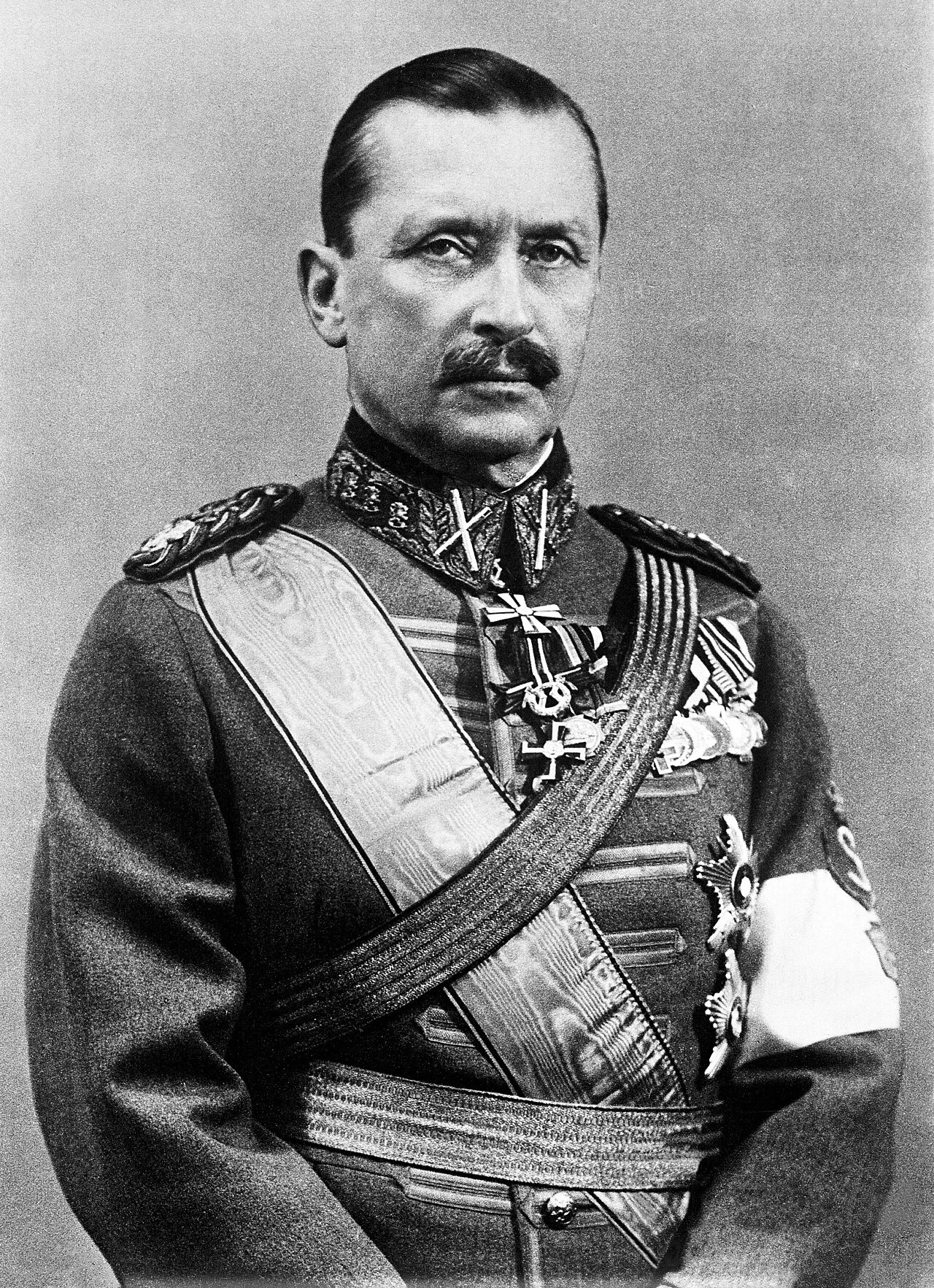
Mannerheim — the order facing Viipuri
Hold the bastion or save the divisions?
Zhukov Facing the Void Before Moscow
Kirponos, Kiev and Stalin's Prohibition
The Polish Army and the Deployment
"Cromwell" — England, 7 September 1940
France Behind the Maginot
Gort at Habarcq — trust in the French plan
Gudbrandsdal — Ruge imposes his line
The Mud, the Winter and the Road to Moscow
Mannerheim — the order facing Viipuri