
Zhukov Facing the Void Before Moscow
Western Front, October 1941. The Vyazma pocket has just closed: several Soviet armies are encircled inside it, and the center of the formation that covered the road to Moscow has collapsed in a matter of days. The capital, some hundred kilometers away, now rests on uncertain means, and a new commander has just been recalled from another sector to take the front in hand.
Before him, the German armored groups are seeking the decisive breakthrough before winter and are advancing toward the city's approaches. The Stavka demands that Moscow be held at all costs, but the intelligence is fragmentary: the staffs themselves often have no idea what is still holding, and the command must decide quickly, without a clear view of the enemy or of its own reserves.
A new factor weighs on the calculation: the autumn rains turn the roads into rivers of mud, the rasputitsa, whose effects bear on both camps. Time, the available men, the state of the roads, the depth to be defended: everything must be weighed at once, while the enemy will not stop to wait. The command must decide within a few hours.
How should Zhukov organize the defense of Moscow after the Vyazma catastrophe?
The command chose to concentrate the defense on the fortified line of Mozhaysk rather than sacrificing itself forward or yielding ground all the way to the city. Zhukov regrouped his meager forces along this axis, behind a belt of still-unfinished fortifications, to buy time. The rasputitsa, then the first frosts, bogged down the German columns; the Siberian reinforcements, freed by the assurance that Japan would not attack, finally poured in. Despite the fall of Mozhaysk itself and violent breakthroughs toward Klin and Tula, the front did not break. When the freeze hardened the ground in late November, the German offensive, out of breath and out of logistics, exhausted itself at the gates of the capital. On December 5, 1941, Zhukov launched a massive counteroffensive that threw the Wehrmacht back one to two hundred kilometers: it was Hitler's first great strategic failure and the turning point of the war in the East.
Learn more about this event
Related polls
10
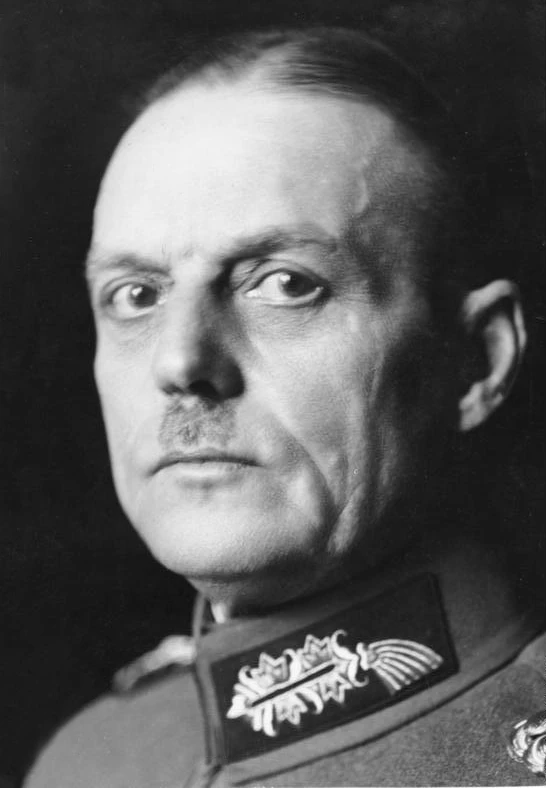
Rostov: Withdraw or Obey the Führer
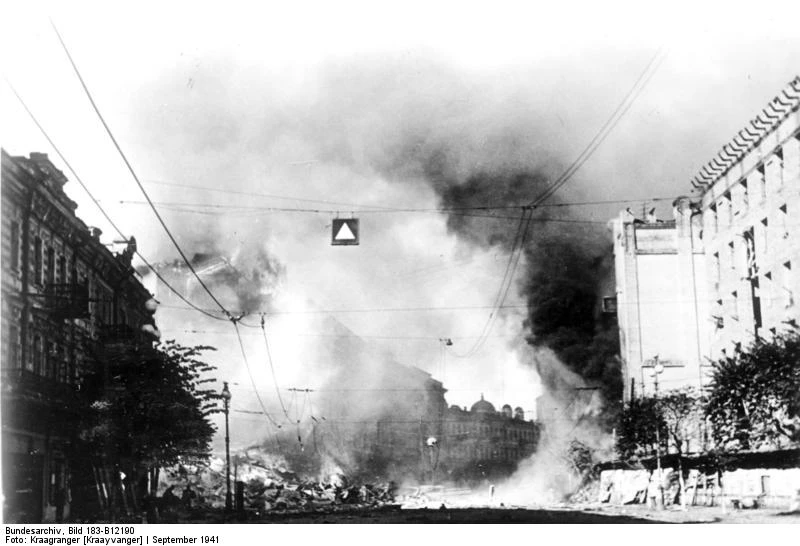
Kirponos, Kiev and Stalin's Prohibition
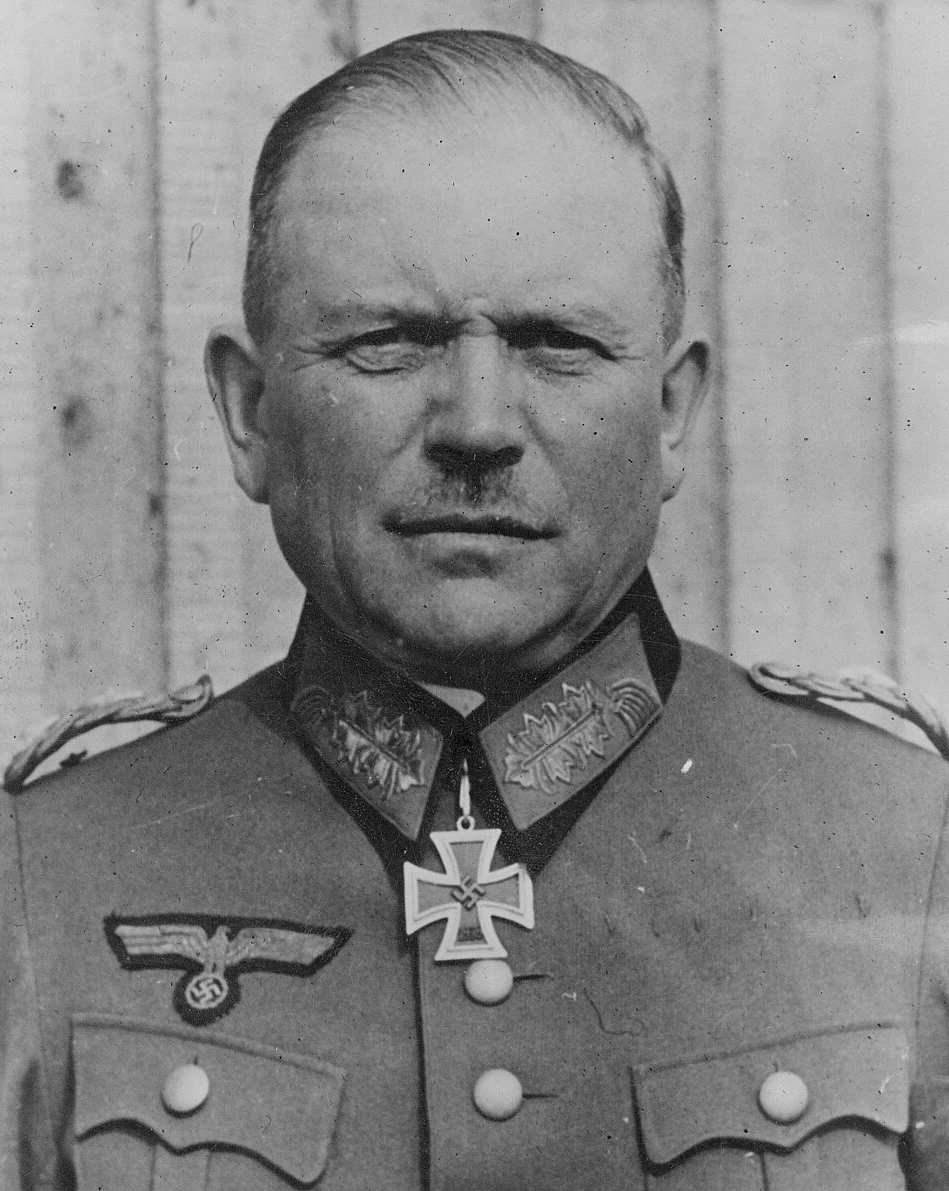
The Mud, the Winter and the Road to Moscow
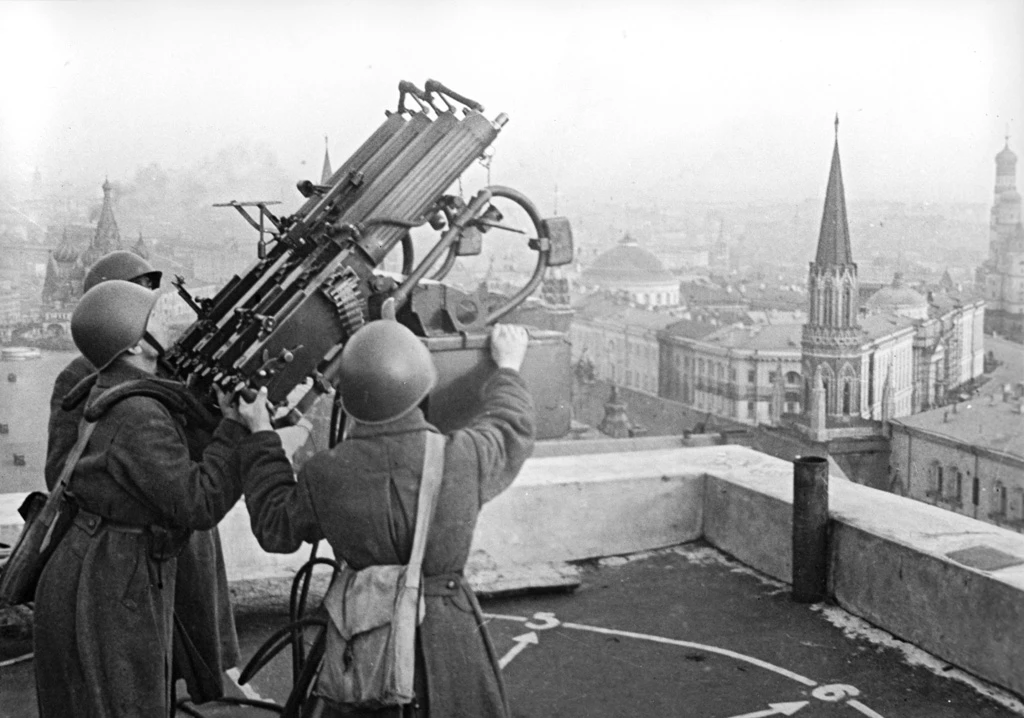
Vyazma, October 1941: the militia faces the onslaught
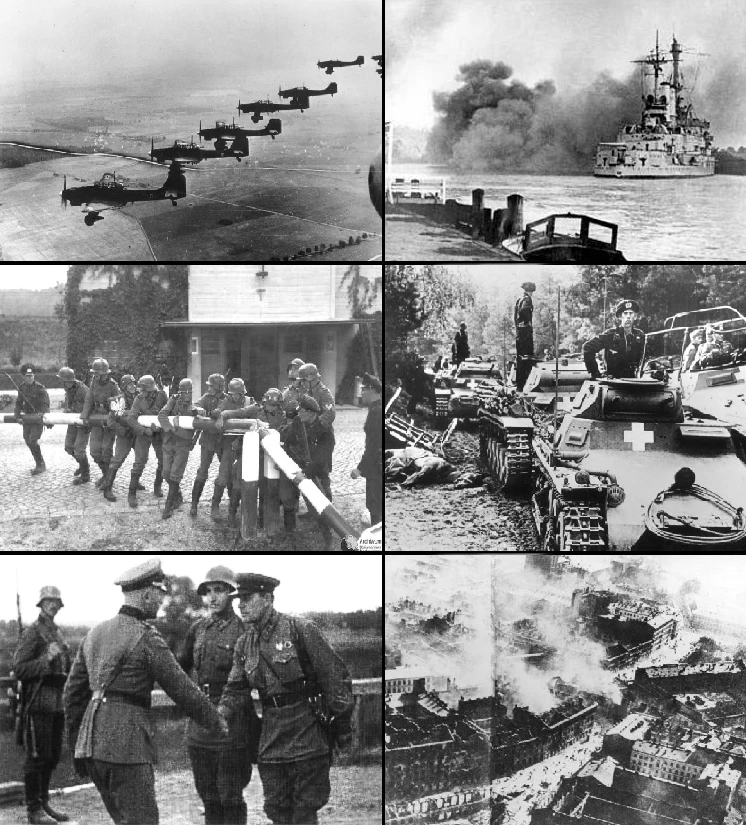
The Polish Army and the Deployment
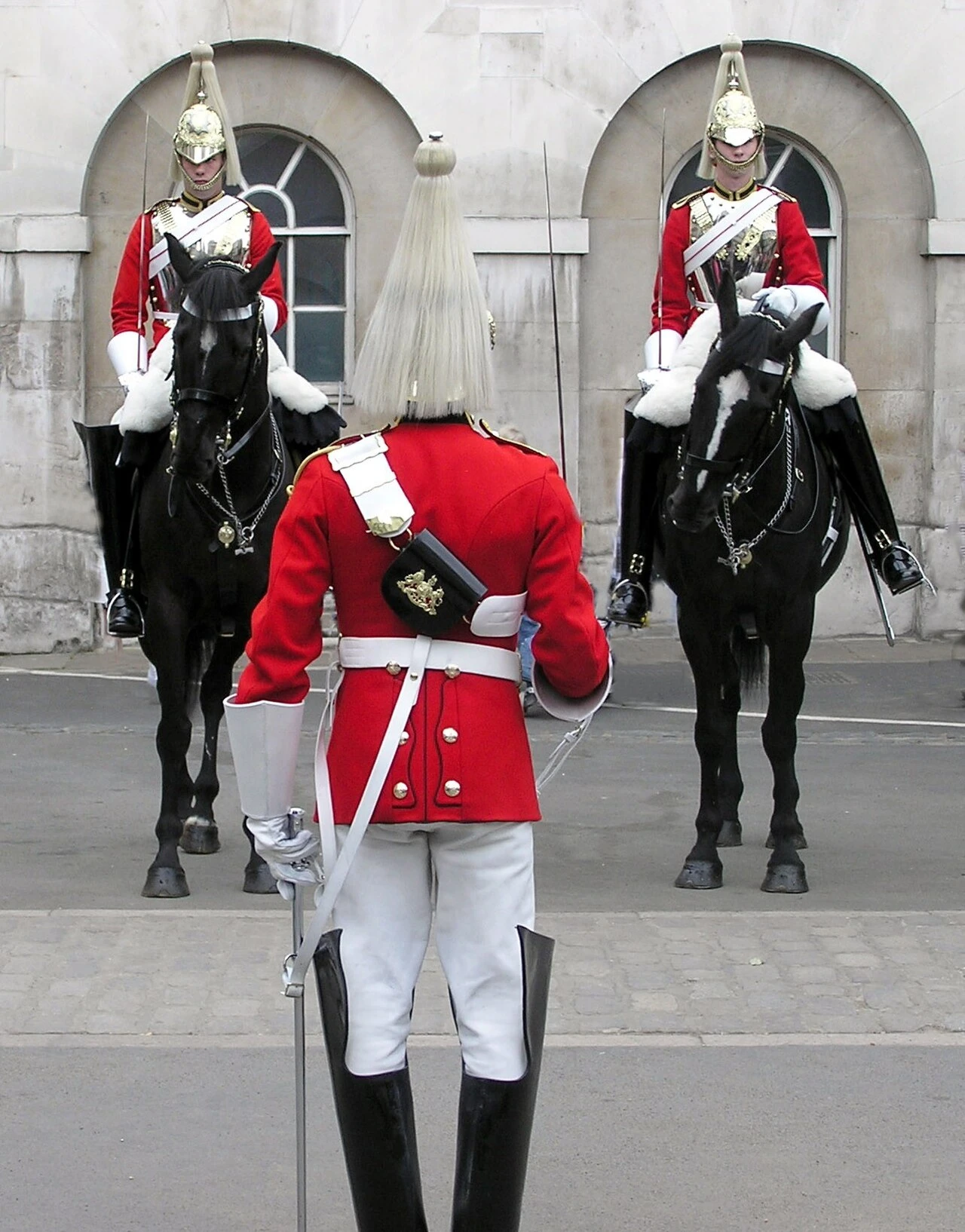
"Cromwell" — England, 7 September 1940
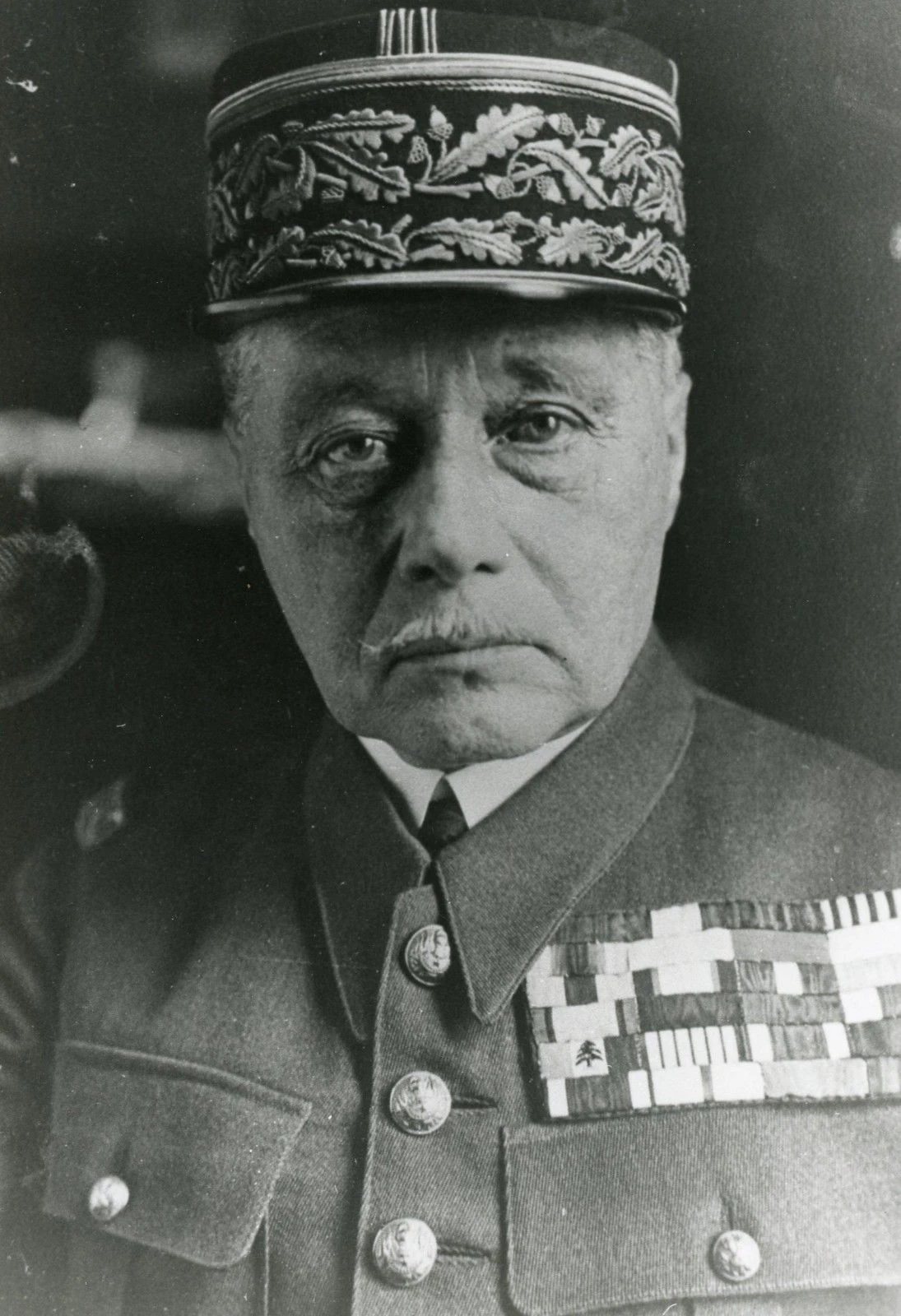
France Behind the Maginot
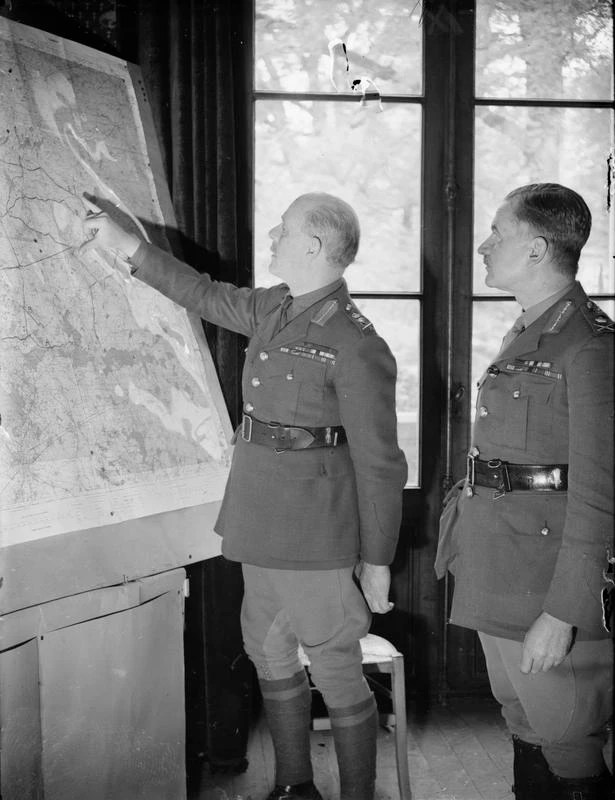
Gort at Habarcq — trust in the French plan
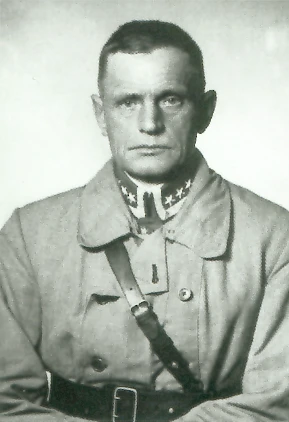
Gudbrandsdal — Ruge imposes his line
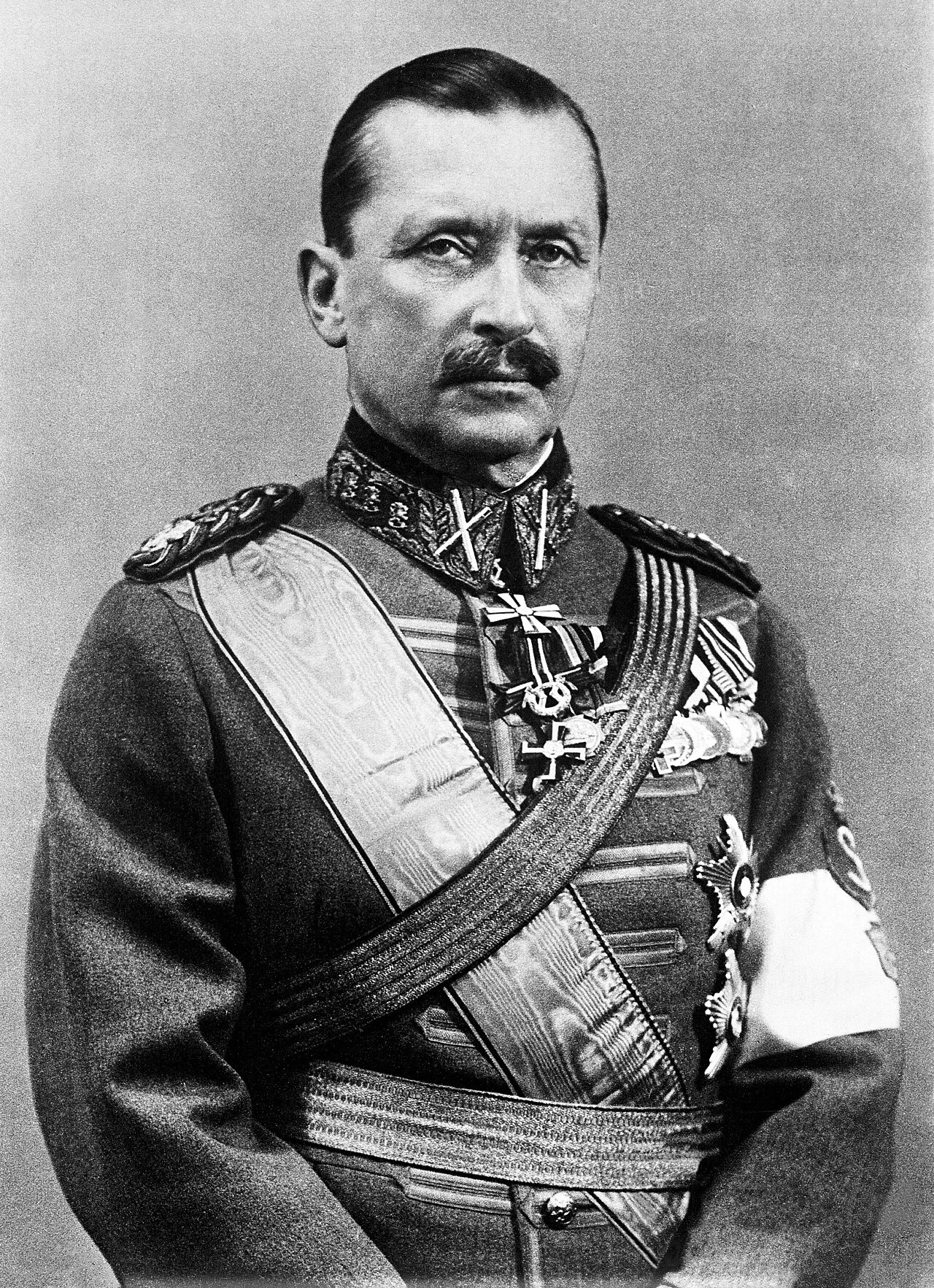
Mannerheim — the order facing Viipuri
Rostov: Withdraw or Obey the Führer
Kirponos, Kiev and Stalin's Prohibition
The Mud, the Winter and the Road to Moscow
Vyazma, October 1941: the militia faces the onslaught
The Polish Army and the Deployment
"Cromwell" — England, 7 September 1940
France Behind the Maginot
Gort at Habarcq — trust in the French plan
Gudbrandsdal — Ruge imposes his line