
Göring's promise — Operation Adler
Reichsmarschall , 47, is the most decorated man of the regime, commander-in-chief of the Luftwaffe and designated heir to . An ace of 1914-18, architect of the Nazi air arm, his reputation has been dented by the Allied evacuation at Dunkirk, which he had promised to crush from the air.
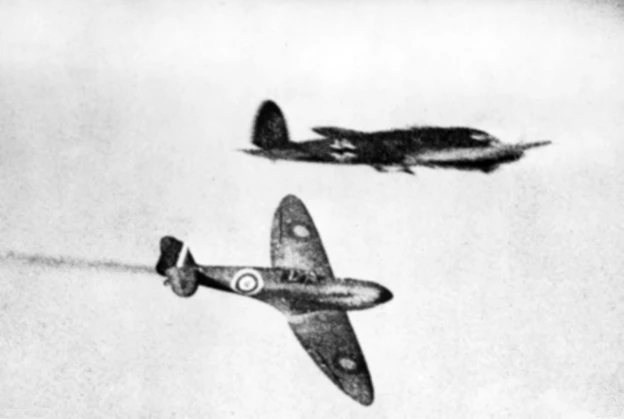
France has fallen. Hitler has just signed Directive No. 16 (invasion of Britain) and then Directive No. 17, ordering the Luftwaffe to 'crush the English air force with all the forces at its disposal'. The air operation takes the name Adlerangriff ('Eagle Attack').
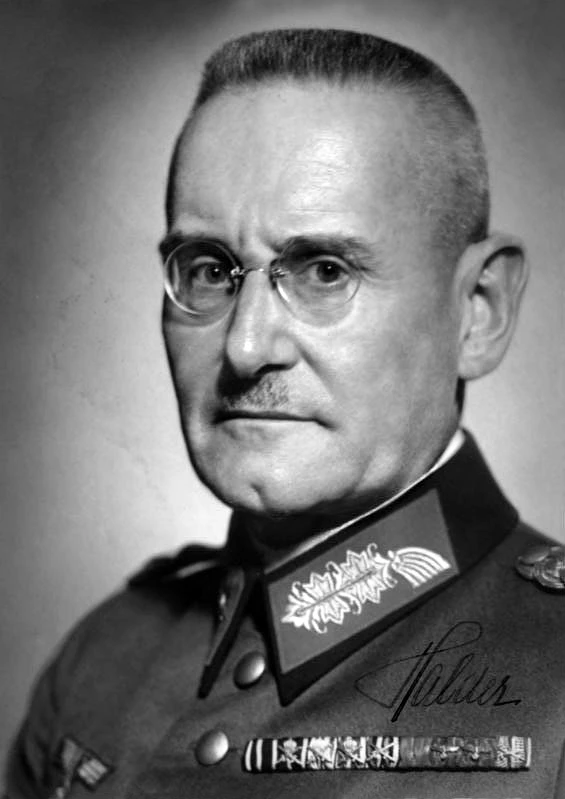
On 1 August, Göring relays to his commanders the mission received from the Führer: break the RAF. But his own commanders — and , who lead the Luftflotten, and , in charge of production — see serious problems: improvised field airstrips in conquered territory, reduced range of the Bf 109s over England, pilots lost in enemy country, and British fighter production outstripping Germany's.
Göring must decide what to promise the Führer.
Do you promise to crush the RAF by brute force, or listen to your commanders who see the flaws?
Göring opts for A. On 1 August he tells his generals: 'The Führer has ordered me to crush Britain with my Luftwaffe. By means of hard blows, I intend to bring this enemy, who has already suffered a crushing moral defeat, to his knees in the very near future, so that an occupation of the island by our troops can take place without any risk.' He sweeps aside the objections of Kesselring, Milch and Sperrle. The offensive will be launched without a detailed plan of execution or strategic bombing doctrine, on the strength of intelligence flattering the RAF's supposed exhaustion. The promise will prove unkeepable: the British fighter force, superior in production and fighting on its own soil, will not be broken, and the invasion will be postponed indefinitely. The failure will durably damage Göring's standing with Hitler.
Learn more about this event
Related polls
10
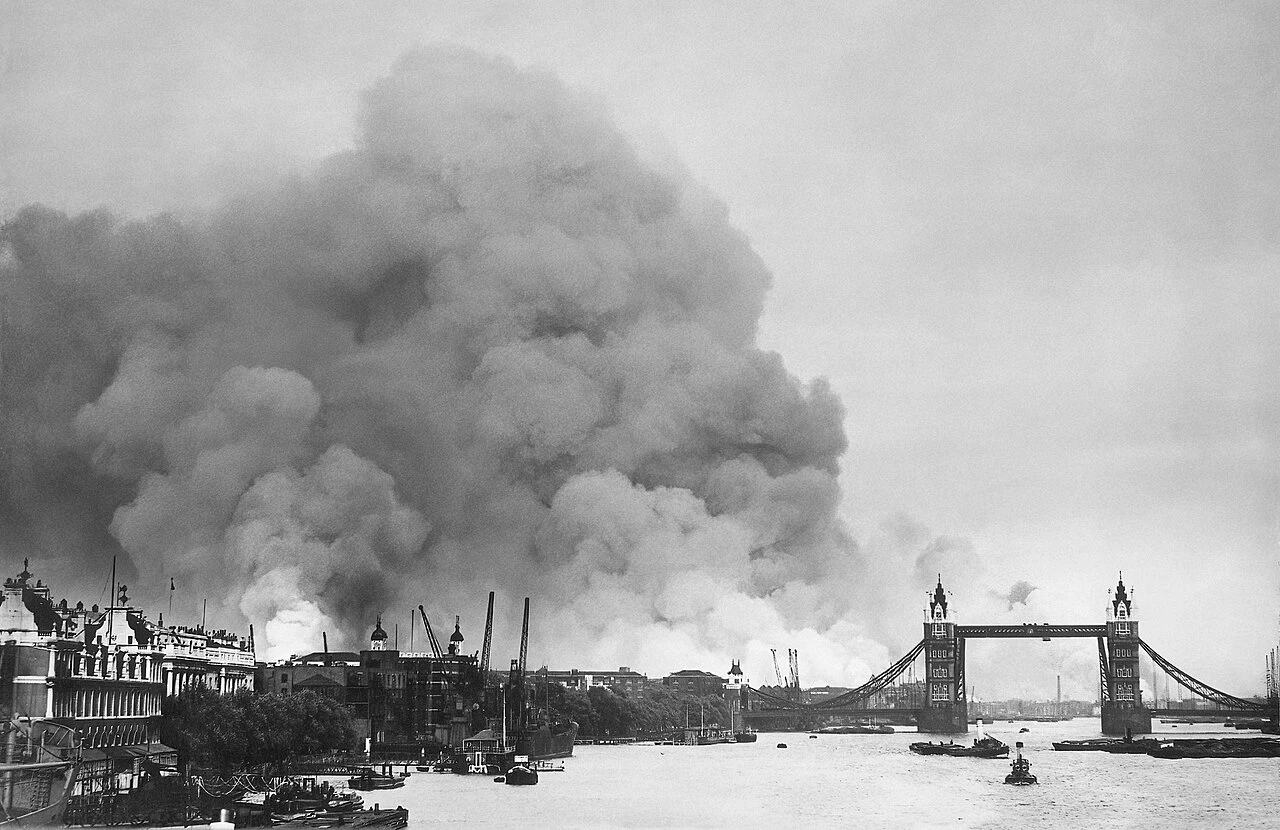
Adlertag — which targets?
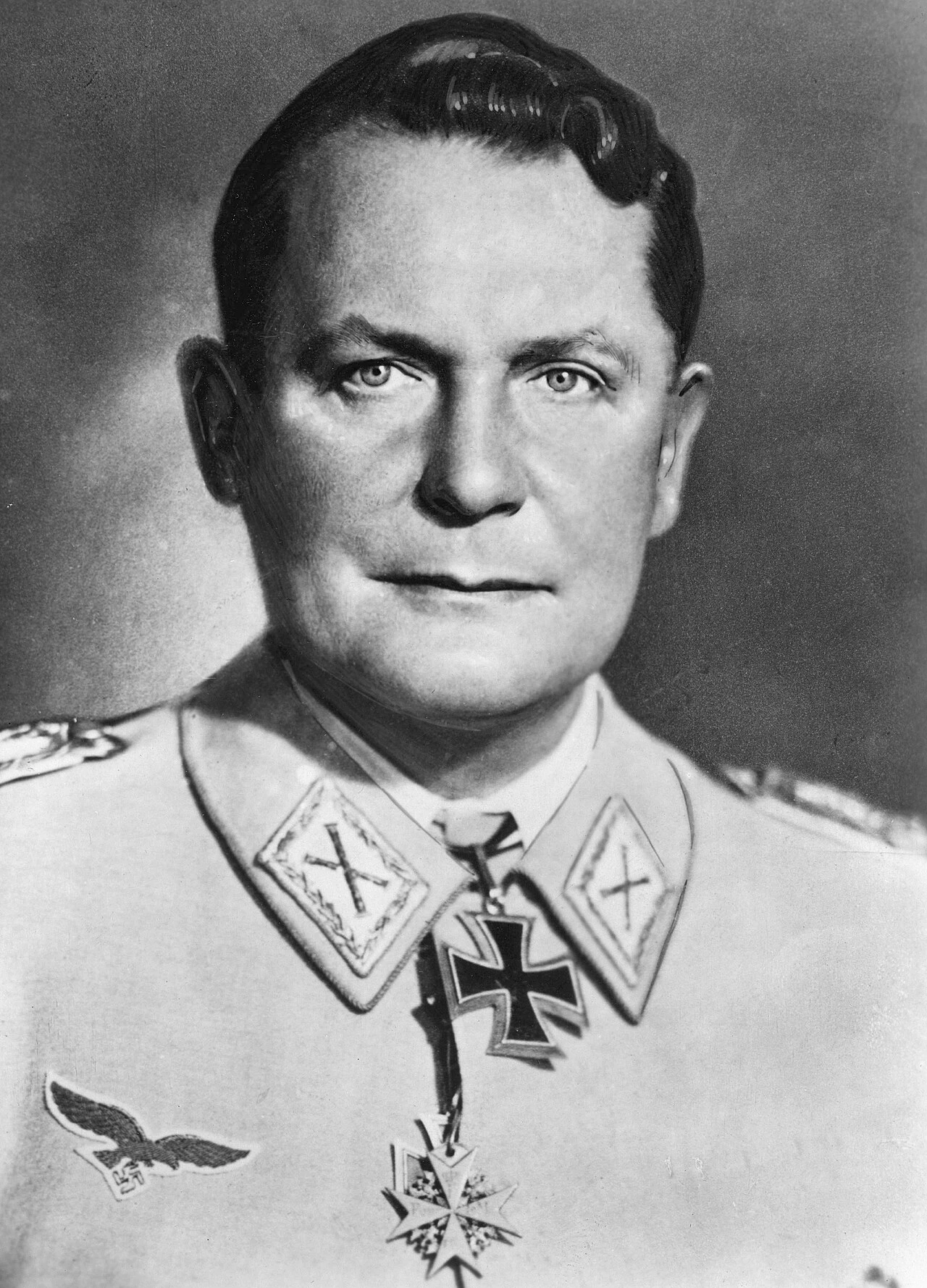
Göring at Cap Gris-Nez — September 7
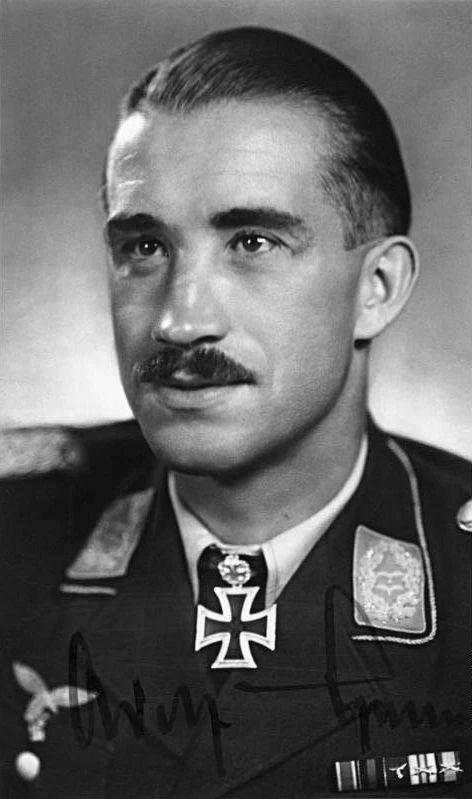
Galland over the Estuary
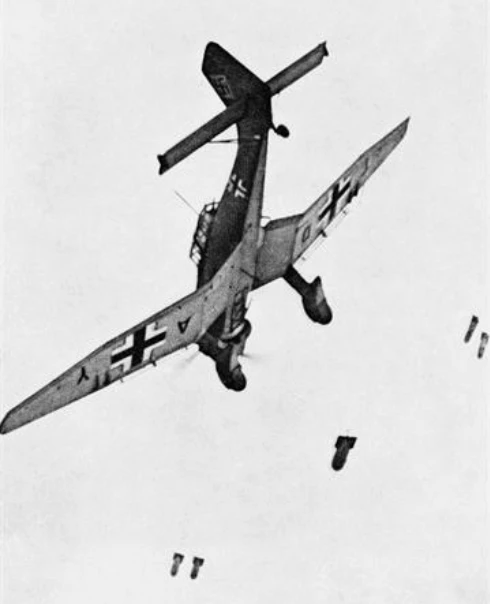
Withdrawing the Stukas
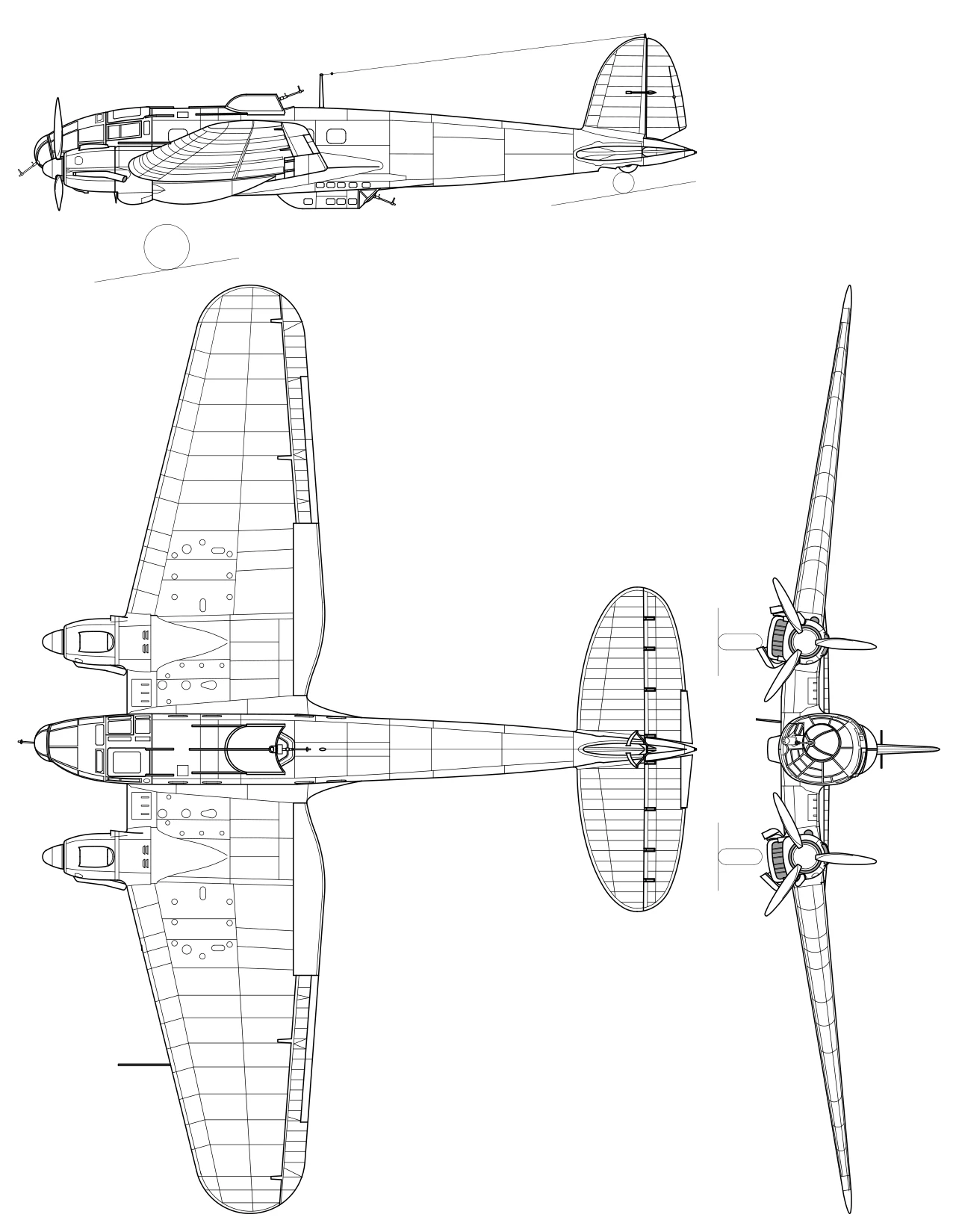
The doctrine of terror bombing
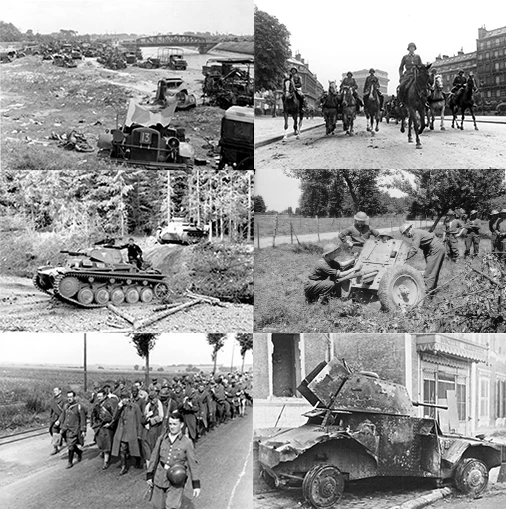
Fall Gelb — the order of 9 May 20:00
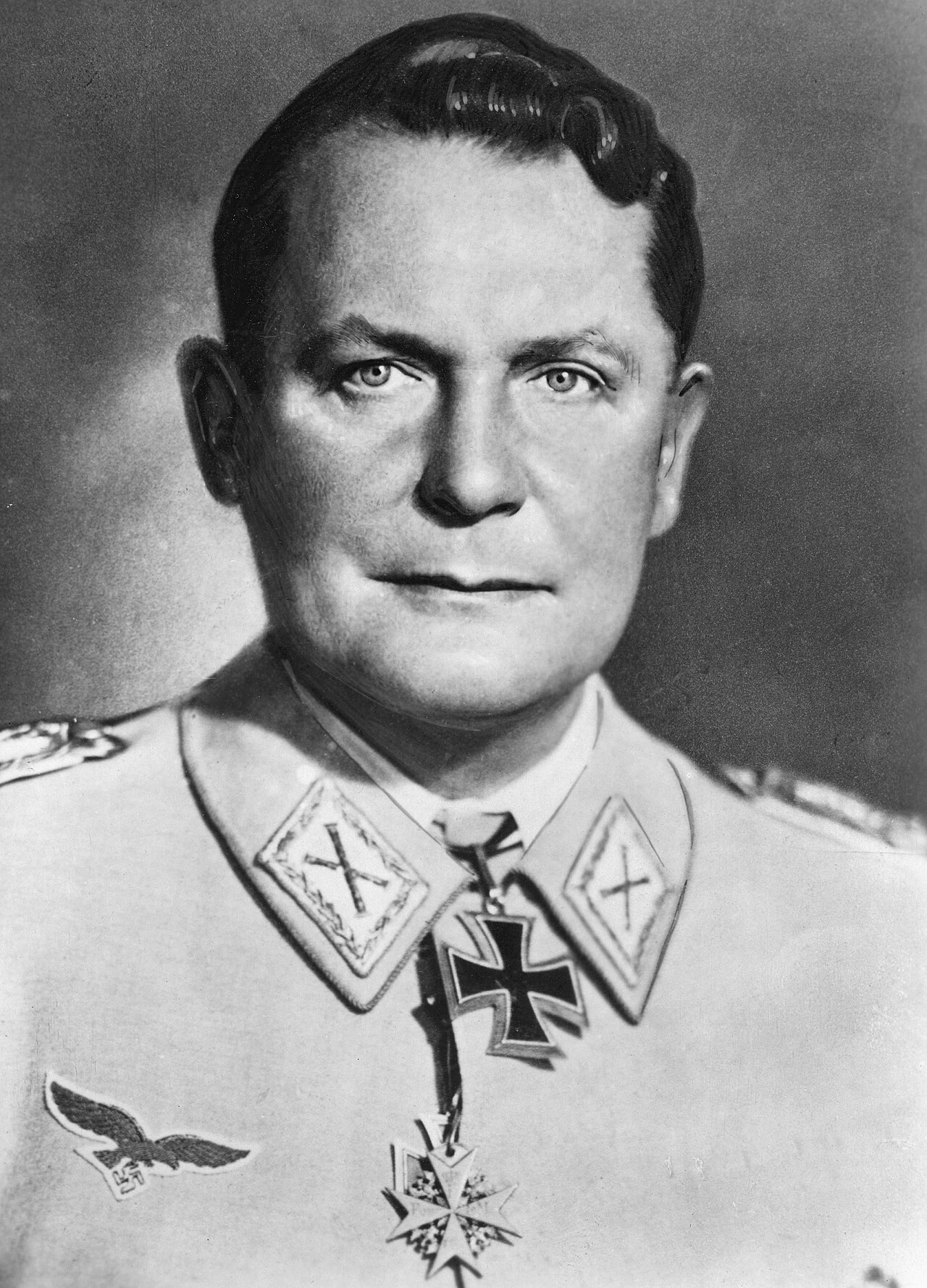
Goering at Carinhall — the promise to Hitler
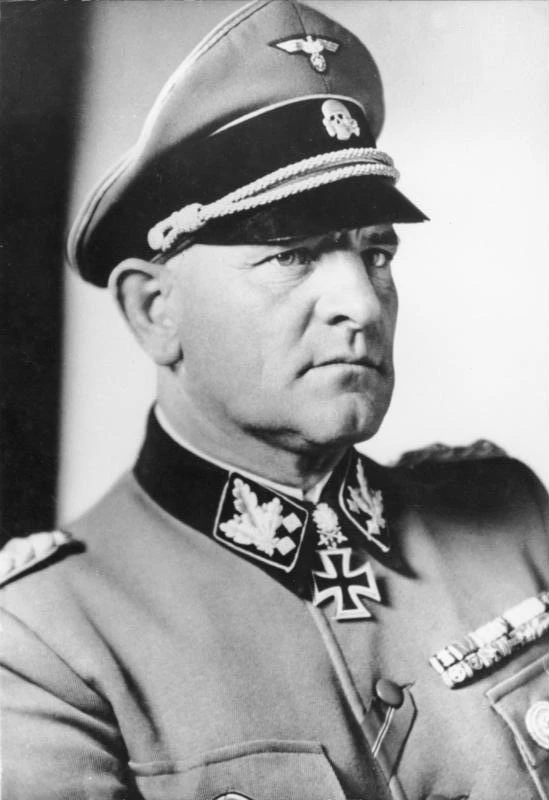
Hitler signs the Barbarossa directive
Eagle Day
Which heart to strike in the East?
Adlertag — which targets?
Göring at Cap Gris-Nez — September 7
Galland over the Estuary
Withdrawing the Stukas
The doctrine of terror bombing
Fall Gelb — the order of 9 May 20:00
Goering at Carinhall — the promise to Hitler
Hitler signs the Barbarossa directive
Eagle Day