
The Lutterworth Turbine
, an RAF officer, had patented the turbojet principle as early as 1930. At Lutterworth, his small company Power Jets is developing a revolutionary engine, but the aeronautical establishment, dominated by piston-engine manufacturers, remains sceptical.
In the autumn of 1940, the project has at last been classified as a priority by the Air Ministry. This raises the decisive question: who should build these engines, and according to what industrial strategy?
Whittle wants above all to perfect his machine in his own workshop, through repeated trials. The Ministry, for its part, is already thinking about wartime output and the large industrialists capable of mass production.
In the autumn of 1940, how should the turbojet be moved from the test bench to series production?
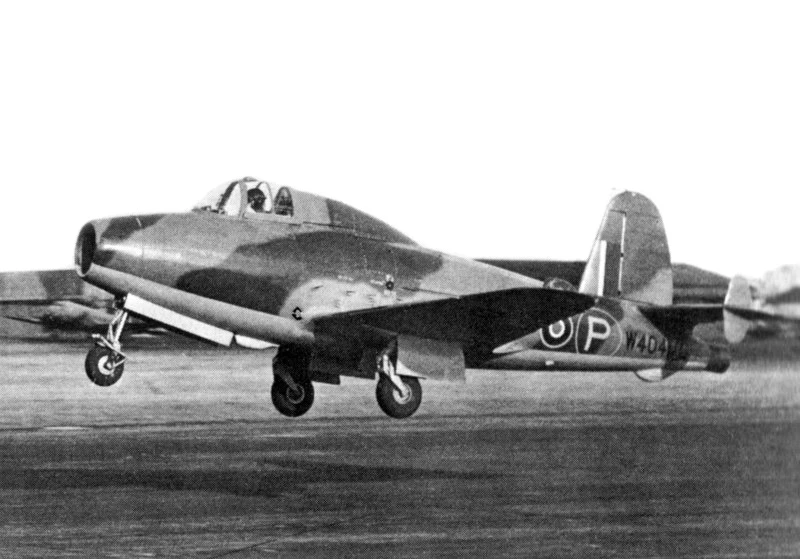
The Air Ministry chose to entrust series production to large outside manufacturers: as early as 1940, contracts for the W.2 engine were placed with firms such as Rover, much to the dismay of Whittle, who feared that inexperienced subcontractors would distort his design. Power Jets retained the role of a design and testing office. The W.1 flew for the first time on 15 May 1941 aboard the Gloster E.28/39. The rivalry with Rover, followed by the transfer of the project to Rolls-Royce in 1943, left a lasting mark on the history of the British turbojet.
Learn more about this event
Related polls
10
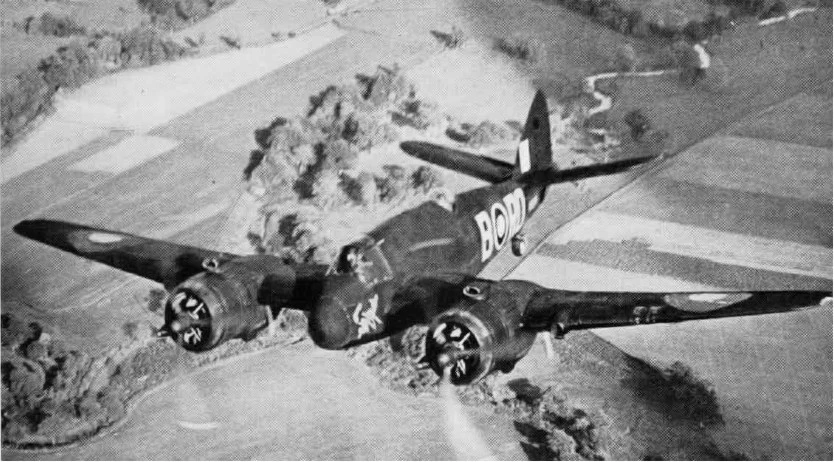
Breaking the night Blitz: who owns the darkness?
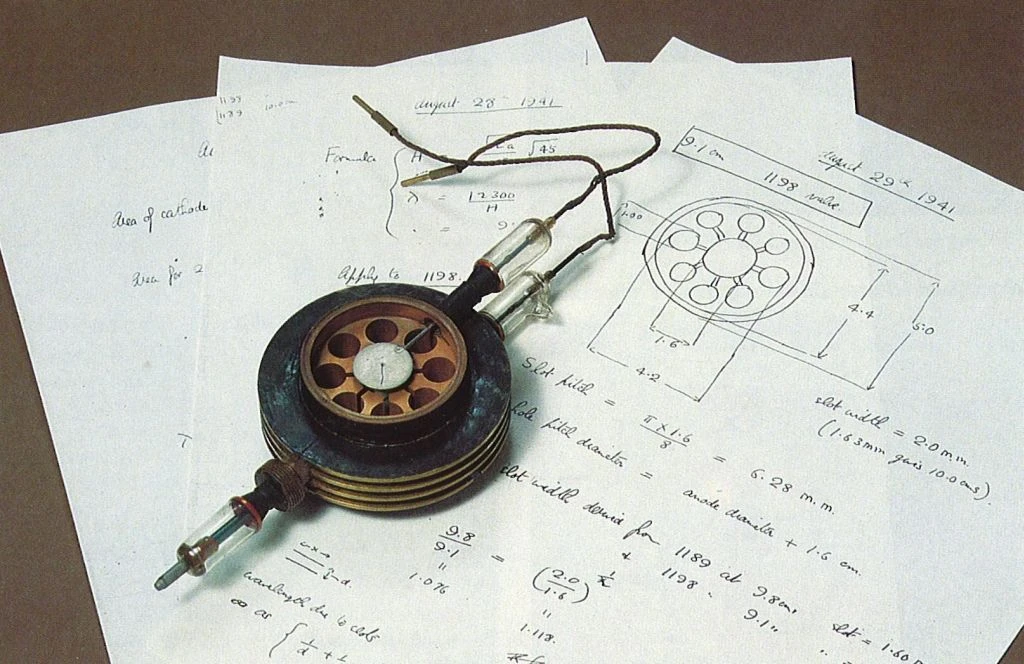
The Tizard Mission's Trunk for America
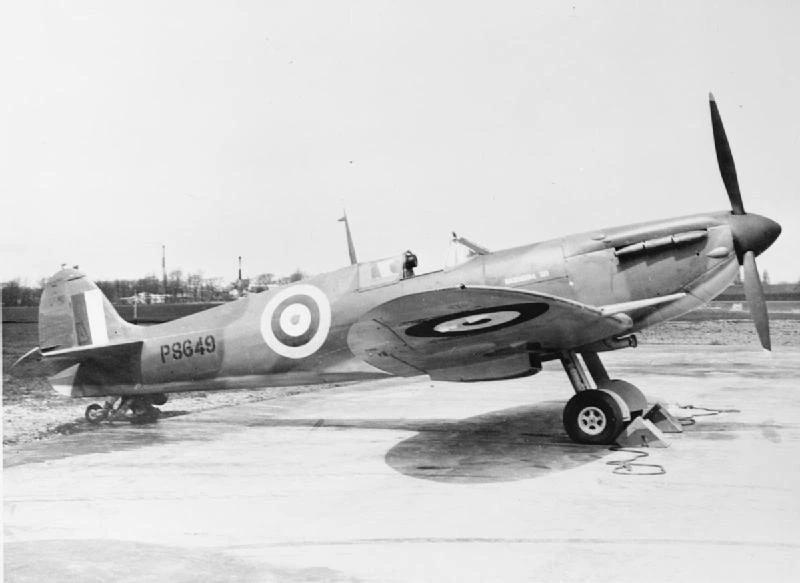
The Shadow Factories

The Cambridge mathematician sworn to secrecy at Bletchley
Whittle, his jet engine and the rebellious combustion chamber
Chain Home — the Invisible Wall
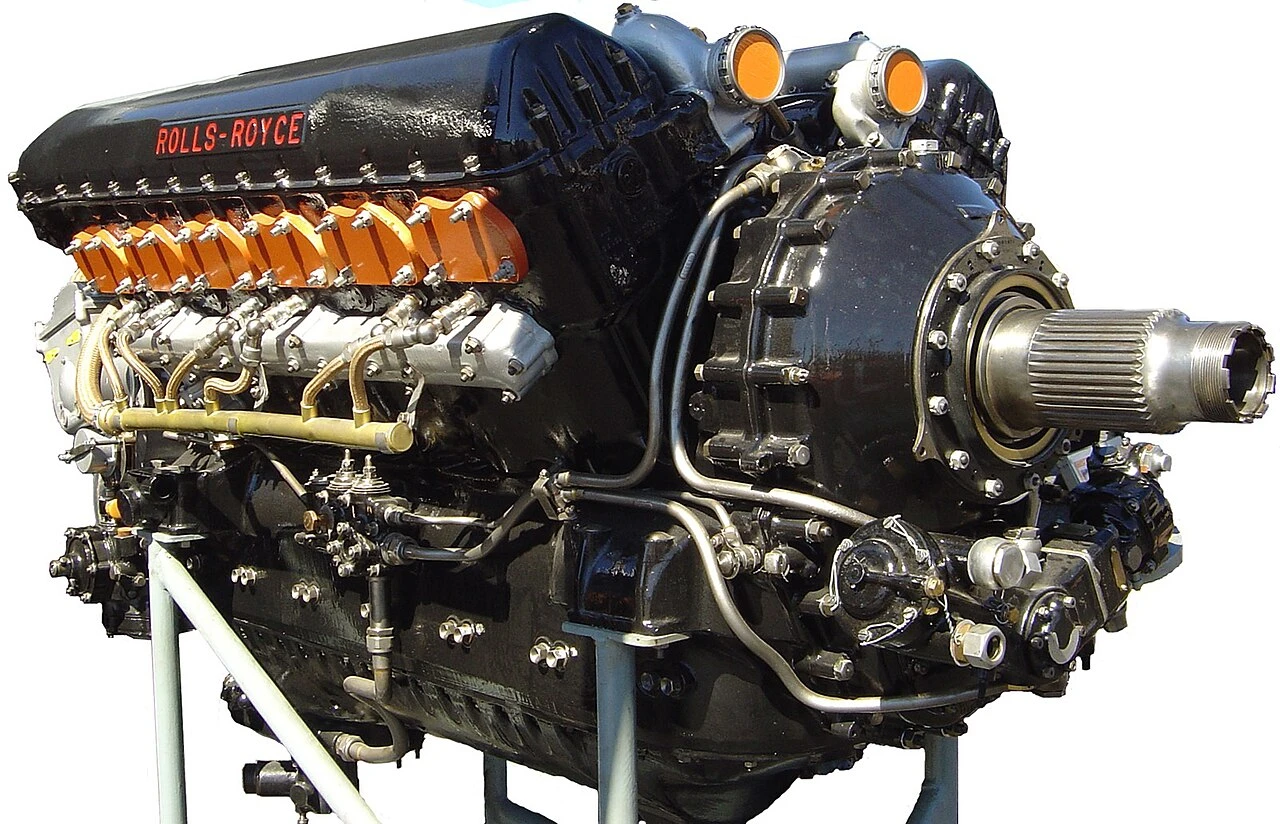
Car assembly lines for an aircraft engine

The Fourth Buna — Where to Site the Plant
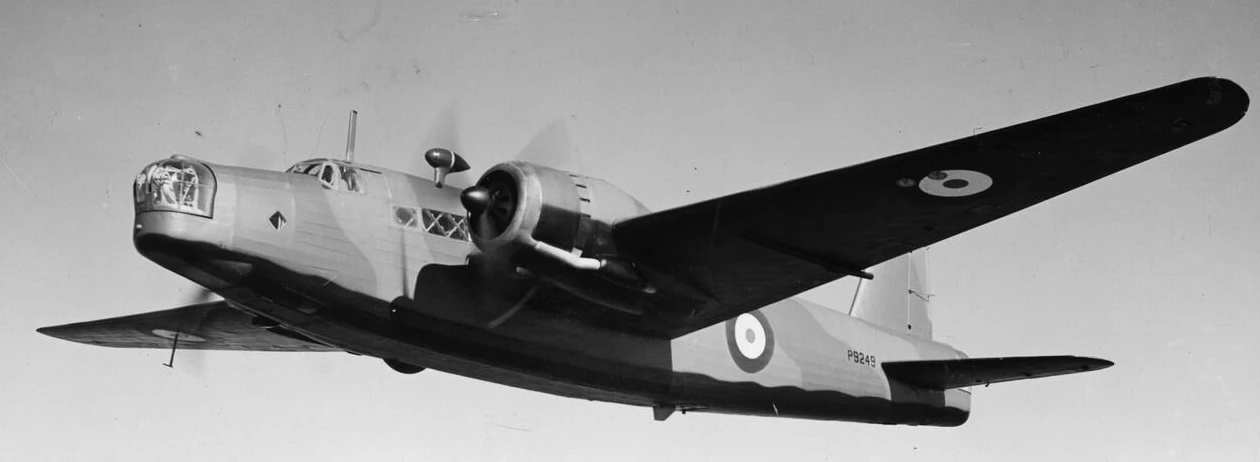
The lattice of steel that defied mass production
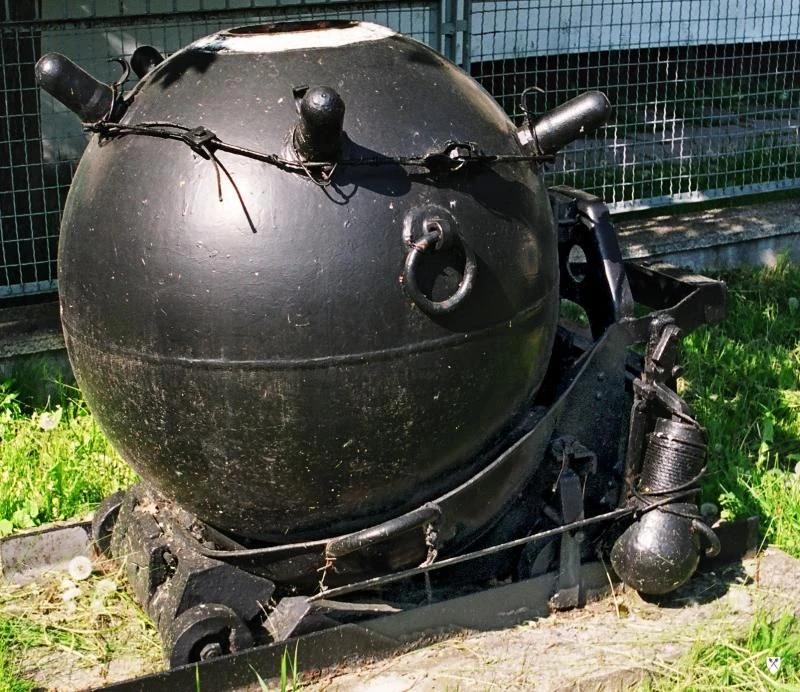
Ouvry and the magnetic mine
Breaking the night Blitz: who owns the darkness?
The Tizard Mission's Trunk for America
The Shadow Factories
The Cambridge mathematician sworn to secrecy at Bletchley
Whittle, his jet engine and the rebellious combustion chamber
Chain Home — the Invisible Wall
Car assembly lines for an aircraft engine
The Fourth Buna — Where to Site the Plant
The lattice of steel that defied mass production