
Kanne bridge — fourth airborne target
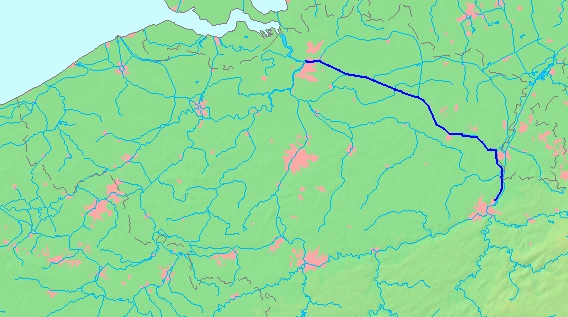
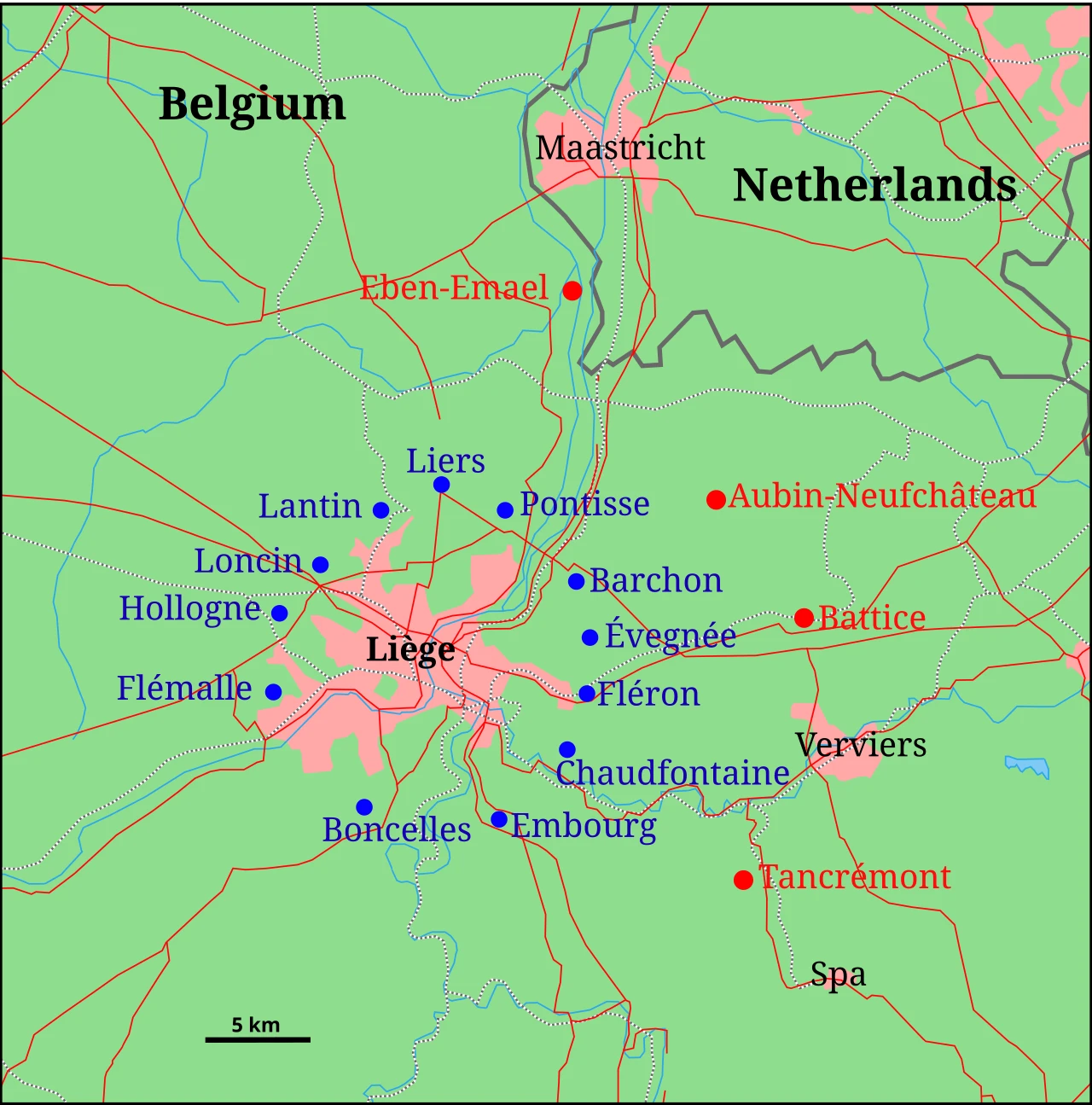
Lieutenant guarded the Kanne bridge on the Albert Canal with around thirty men of the . Kanne was the southernmost of the four German airborne targets that morning, some two and a half miles north of Fort Eben-Emael. Like his comrades at Vroenhoven and Veldwezelt, Rohling had orders to destroy his bridge the moment the enemy appeared; the charges were in place under the deck.
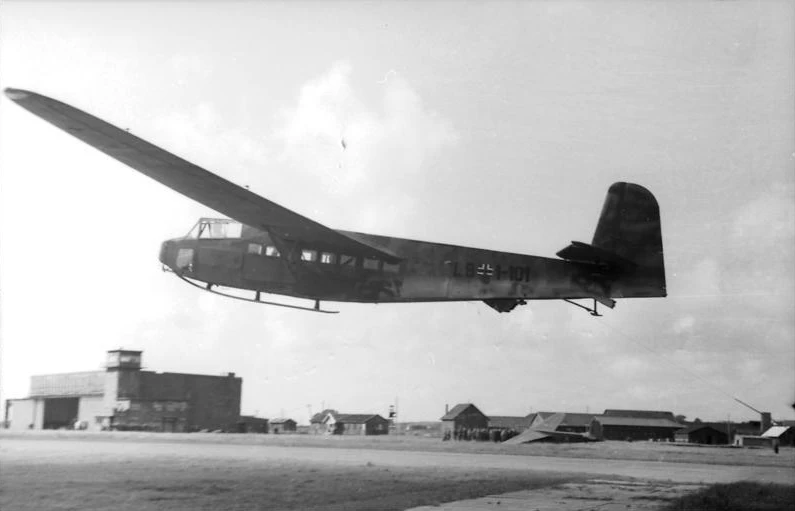
At dawn on 10 May, Rohling had an advantage the other defenders did not: distance. The gliders of the came down on Eben-Emael at 04:25, and the rumble of the first explosions carried as far as his position before his own attackers — the , about 90 paratroopers in gliders — were upon him. For the first time that morning, a bridge guard heard the attack coming.
Rohling had to read that distant uproar. Was it the signal of a general attack that concerned him too, or an isolated event at the neighbouring fort? His hand was on the firing key; the enemy was not yet visible on his deck.
Should he blow Kanne on the strength of the Eben-Emael explosions, without waiting to see the enemy?
Rohling applied A: he fired the charges at the sound of Eben-Emael, without waiting to see his attackers. The Kanne bridge blew up a fraction of a second before the first paratroopers of the reached the deck — the blast wave threw gliders into the air. Kanne was the only one of the four bridges targeted that morning to be destroyed before the assault: Vroenhoven, Veldwezelt and the roof of Eben-Emael fell intact or were neutralised. The immediately suffered eight killed and several wounded, and missed its objective. Locally, the demolition delayed the , which had to use the neighbouring bridges left intact; on the scale of the campaign, the respite remained modest. Rohling, taken prisoner, was released in 1945 and died in 1962. His reaction is taught as a textbook case of rapid decision under surprise attack.
Learn more about this event
Related polls
10
The abatis of the Chasseurs Ardennais
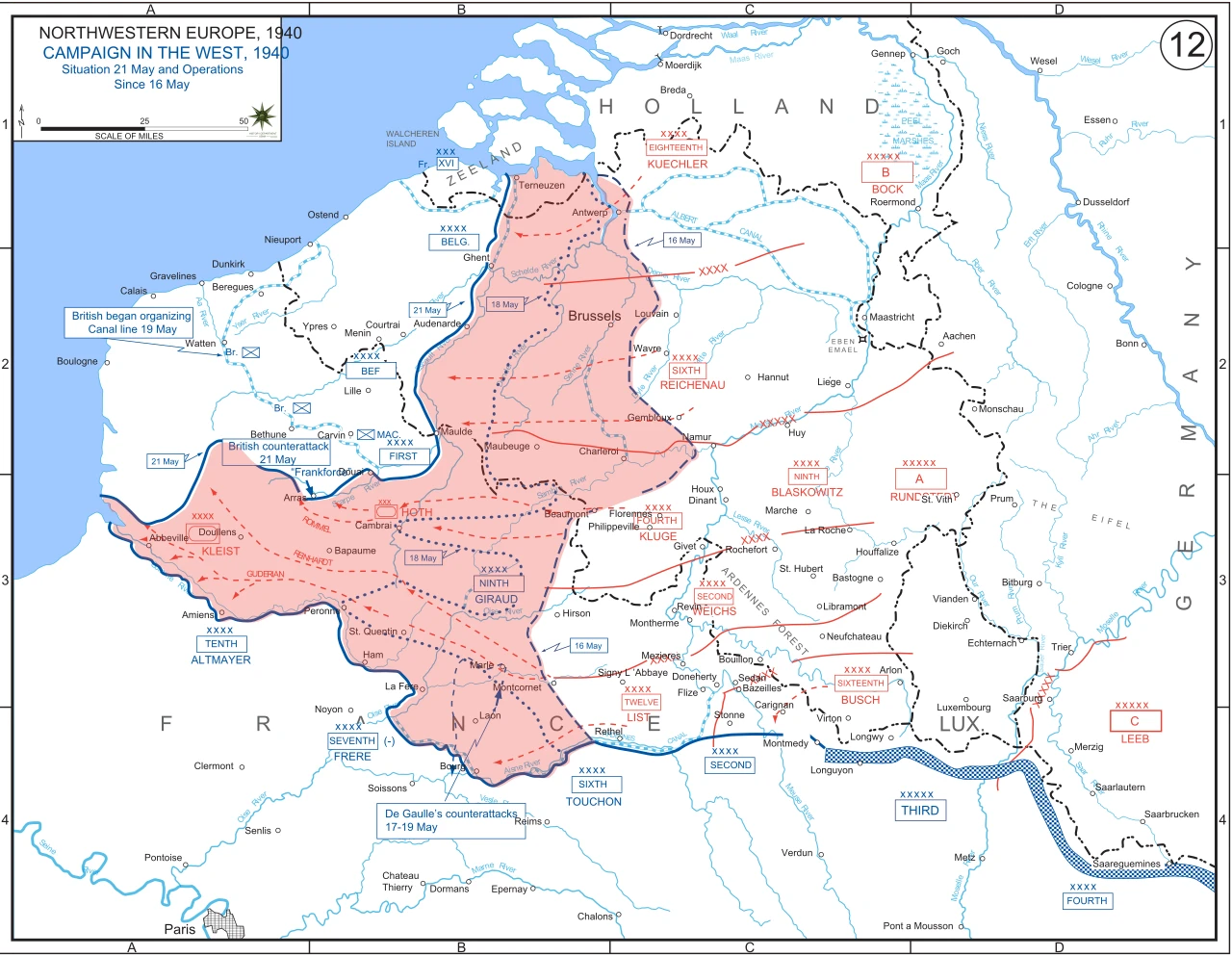
The Battle of the Lys
The bridges of the Meuse
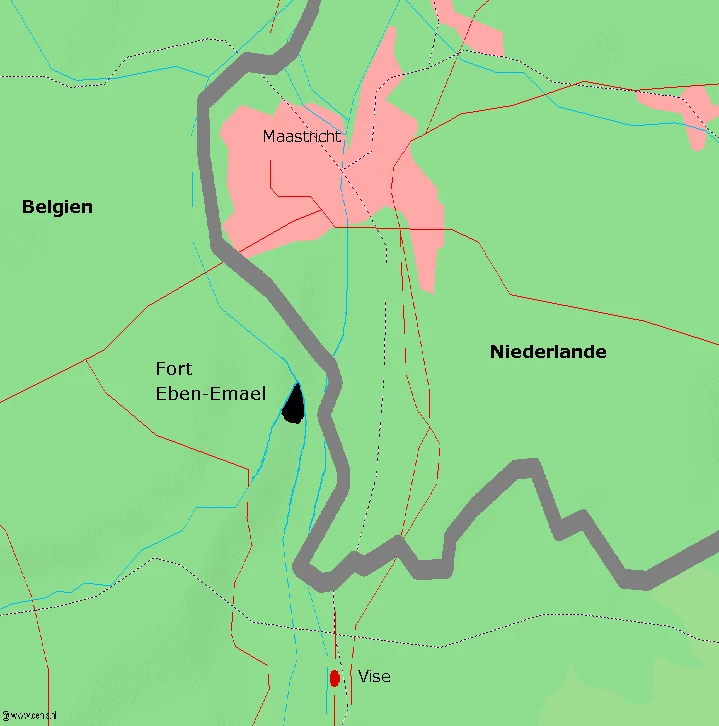
Eben-Emael — Jottrand under the explosions
Veldwezelt bridge — Beert and the demolition officer
Vroenhoven bridge — the demolition order
The bridges of the Albert Canal
The fortified position of Liège
The Gembloux gap
Boulogne — Fox-Pitt and the Guards facing the port
The abatis of the Chasseurs Ardennais
The Battle of the Lys
The bridges of the Meuse
Eben-Emael — Jottrand under the explosions
Veldwezelt bridge — Beert and the demolition officer
Vroenhoven bridge — the demolition order
The bridges of the Albert Canal
The fortified position of Liège
The Gembloux gap