
Operation Peking — Stankiewicz Facing the Sound
In 1939 the Polish navy musters four modern destroyers — ORP Burza (1929), ORP Wicher (1930), ORP Grom (1937) and ORP Blyskawica (1937) — the last two among the most powerful in the whole Baltic, built at the British J. Samuel White yards, capable of thirty-nine knots and armed with seven 120 mm Bofors guns. But the Baltic is a strategic trap: at the first invasion the Kriegsmarine and the Luftwaffe could easily neutralise Polish ships penned between Danzig and Hel.
From the spring of 1939 the Polish naval staff around Admiral Swirski had therefore worked out with the British Admiralty Plan Worek, "the Sack": at the first threat of war the three best destroyers would withdraw to the Royal Navy to fight in the Atlantic alongside the Allies, while the fourth, Wicher, the oldest, would remain to ensure coastal defence with the submarines.
On 29 August 1939 the Polish analyst posted in Berlin, Captain , signals that the Wehrmacht is in position for imminent attack. The following morning Admiral , the fleet's commander-in-chief, receives from President Moscicki the order to launch the operation, code-named Peking. , thirty-six, a lieutenant-commander, commands the division of three destroyers — Grom, Burza, and Blyskawica. His mission: to leave Gdynia clandestinely at 2 p.m., set a course due north, force the Sound between Denmark and Sweden, and reach the British coast. The perils are not few: to be spotted by German or Swedish aircraft, to be attacked by a German submarine, or to be refused passage by Denmark, which has remained neutral.
How to force the Sound — a narrow, shallow strait, watched by the Danes and probably spotted by the Germans?
Stankiewicz applies A. On 30 August at 2 p.m. the three destroyers leave Gdynia openly, in formation. On 31 August at around 2 a.m. they pass the Sound at full speed (thirty-two knots), Polish colours hoisted, with no attempt at concealment. The Danish patrols observe and report to Copenhagen, which passes the word to Berlin. The Kriegsmarine sends two submarines (U-31 and U-32) to intercept. Too late: the Polish destroyers are already in the North Sea by dawn on 31 August. On 1 September at 11.57 a.m. (the invasion of Poland has been under way for seven hours), they reach the British port of Leith (Edinburgh). Official reception by the Admiralty. The three destroyers are at once integrated into the Royal Navy as Polish units under British command. They will take part in the entire war of the Atlantic. Losses: Grom sunk on 4 May 1940 at Narvik by Luftwaffe bombing (fifty-nine dead). Burza and Blyskawica survive the war — Blyskawica today serves as a museum ship at Gdynia (Poland), the oldest surviving destroyer in the world. Operation Peking is one of the best-planned naval operations of the war.
Learn more about this event
Related polls
10

Borakowski and the merchant fleet
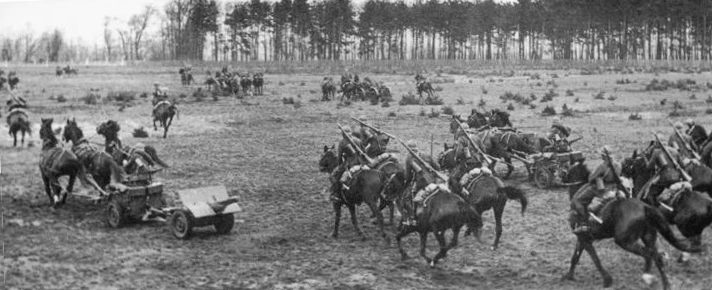
The Bzura — Kutrzeba faces the trap
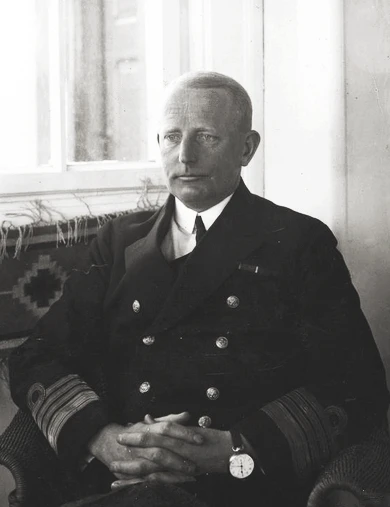
Hel — Unrug faces the German envoy
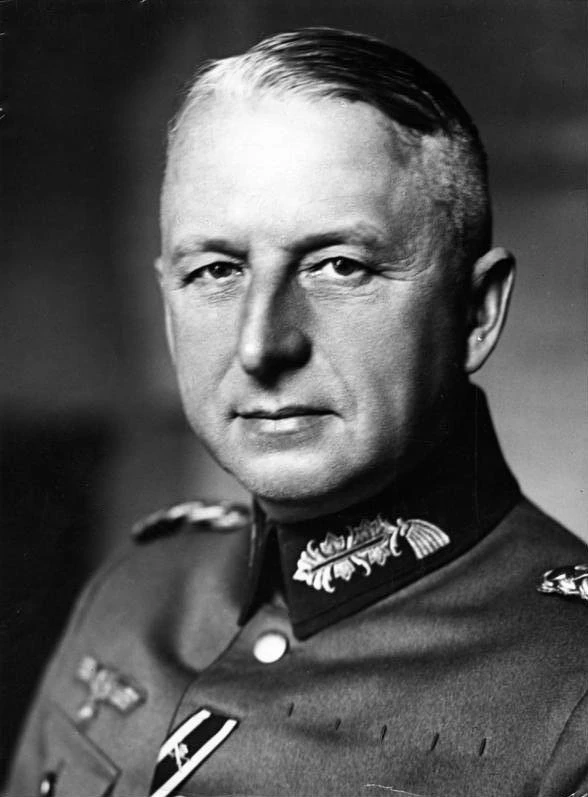
Manstein at Liegnitz — the October memorandum
ORP Wilk — Krawczyk and the Sund
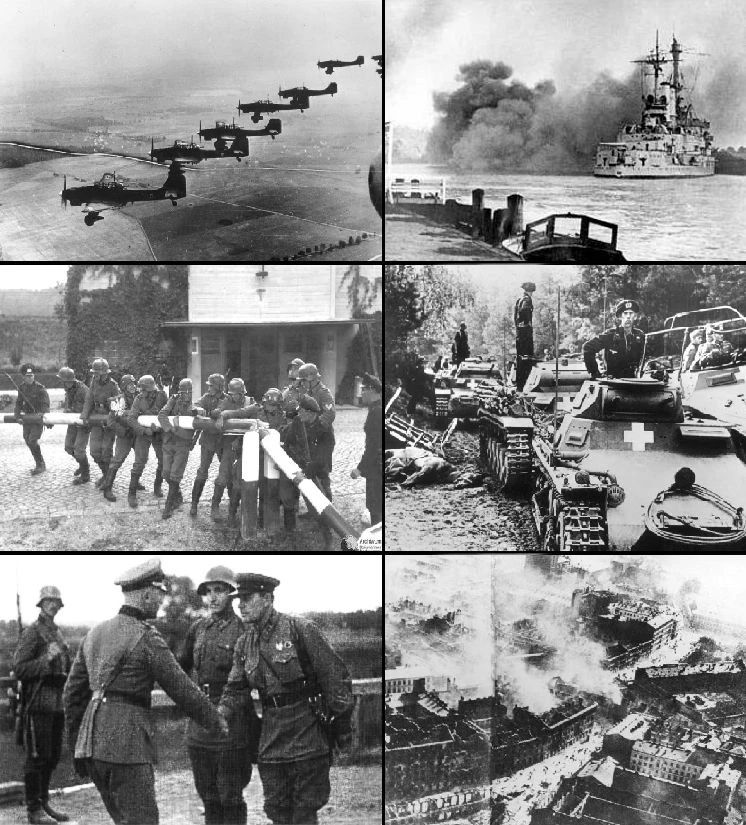
Rydz-Śmigły at Kuty — the directive of 17 September
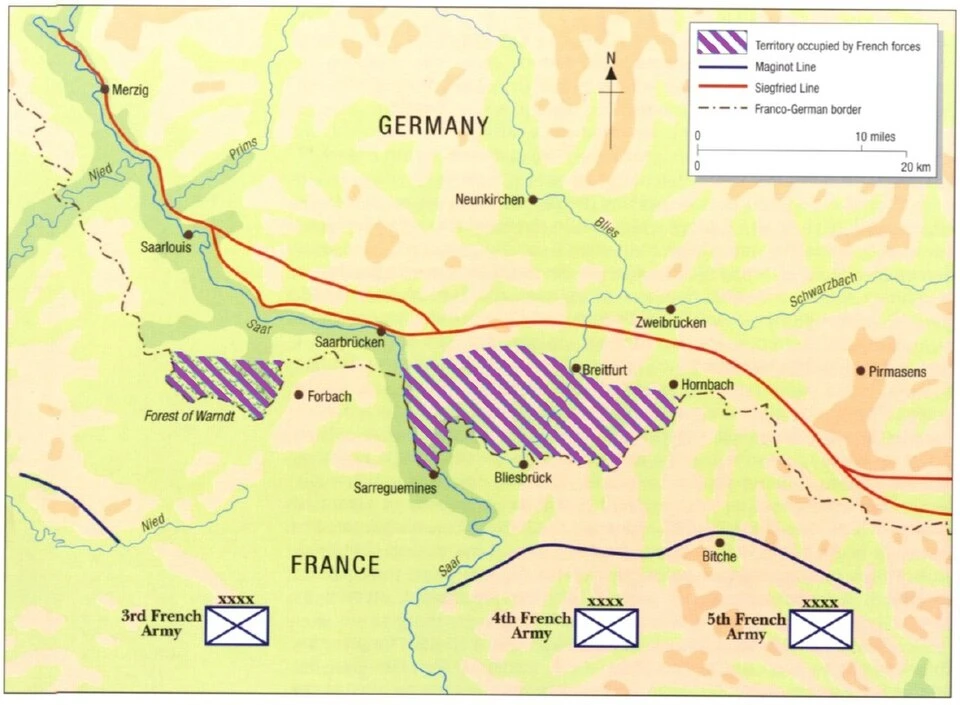
The Saar Offensive — Gamelin at Vincennes
HMS Courageous — Makeig-Jones after the Torpedoes
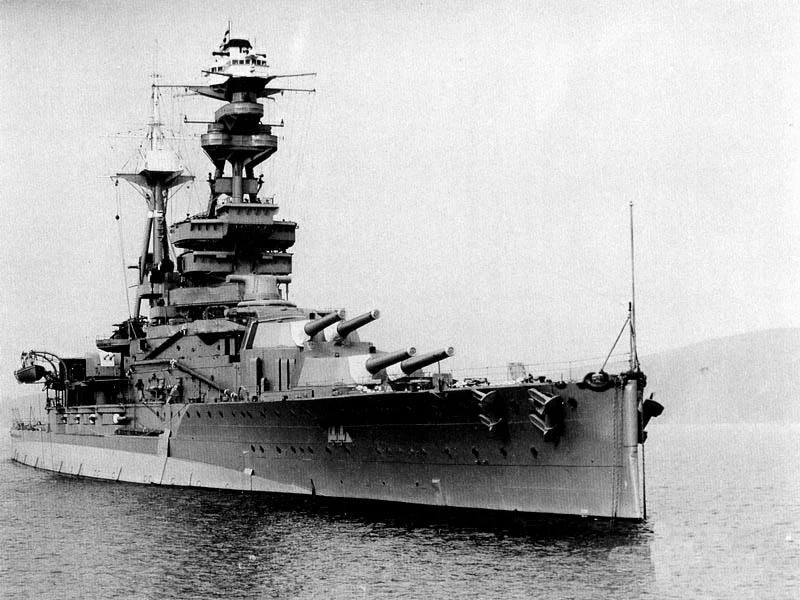
Royal Oak — Prien in Scapa Flow
Send out the Bismarck alone, or wait for her sisters
Borakowski and the merchant fleet
The Bzura — Kutrzeba faces the trap
Hel — Unrug faces the German envoy
Manstein at Liegnitz — the October memorandum
ORP Wilk — Krawczyk and the Sund
Rydz-Śmigły at Kuty — the directive of 17 September
The Saar Offensive — Gamelin at Vincennes
HMS Courageous — Makeig-Jones after the Torpedoes
Royal Oak — Prien in Scapa Flow