
In the autumn of 1940, the Vichy regime is putting in place its "National Revolution." On September 27, the occupier issued in the northern zone an ordinance defining and registering Jews. In the unoccupied zone, where Germany has no authority, Pétain's government must in turn settle its own stance on the "Jewish question."
The Keeper of the Seals, , a jurist close to Action française, is working with the Interior Minister Peyrouton on the possibility of an exclusionary text. Such a project would define a "Jew" by "race" and not by religion, and might bar him from the civil service, teaching, the press, radio, and cinema. Evidence will establish how far Pétain himself personally intervened, notably on justice and education.
The government must decide on the scope and origin of the measure: align itself minimally with the German ordinance, take a broader autonomous French initiative, or refrain in the absence of outside constraint. The choice will commit — or not — the French State to an exclusionary policy of its own.
Should Vichy legislate against Jews on its own initiative, and how far?
Vichy chooses A. The Statute on Jews is signed on October 3, 1940 (published in the Journal officiel on the 18th): it applies to both zones, defines a "Jew" by "race" (at least three Jewish grandparents), bars Jews from many professions and sets quotas. A law of October 4 allows foreign Jews to be interned in camps. Historiography (, ) has established that this legislation was a spontaneous French initiative, not demanded by Berlin, and that Pétain personally intervened to harden it. It strikes tens of thousands of people, paves the way for the "Aryanization" of property in 1941, and makes the French administration a cog in the persecutions that will lead to the roundups and deportations of 1942. The first Statute on Jews is today a central marker of Vichy's own responsibility in the Shoah.
Learn more about this event
Related polls
10
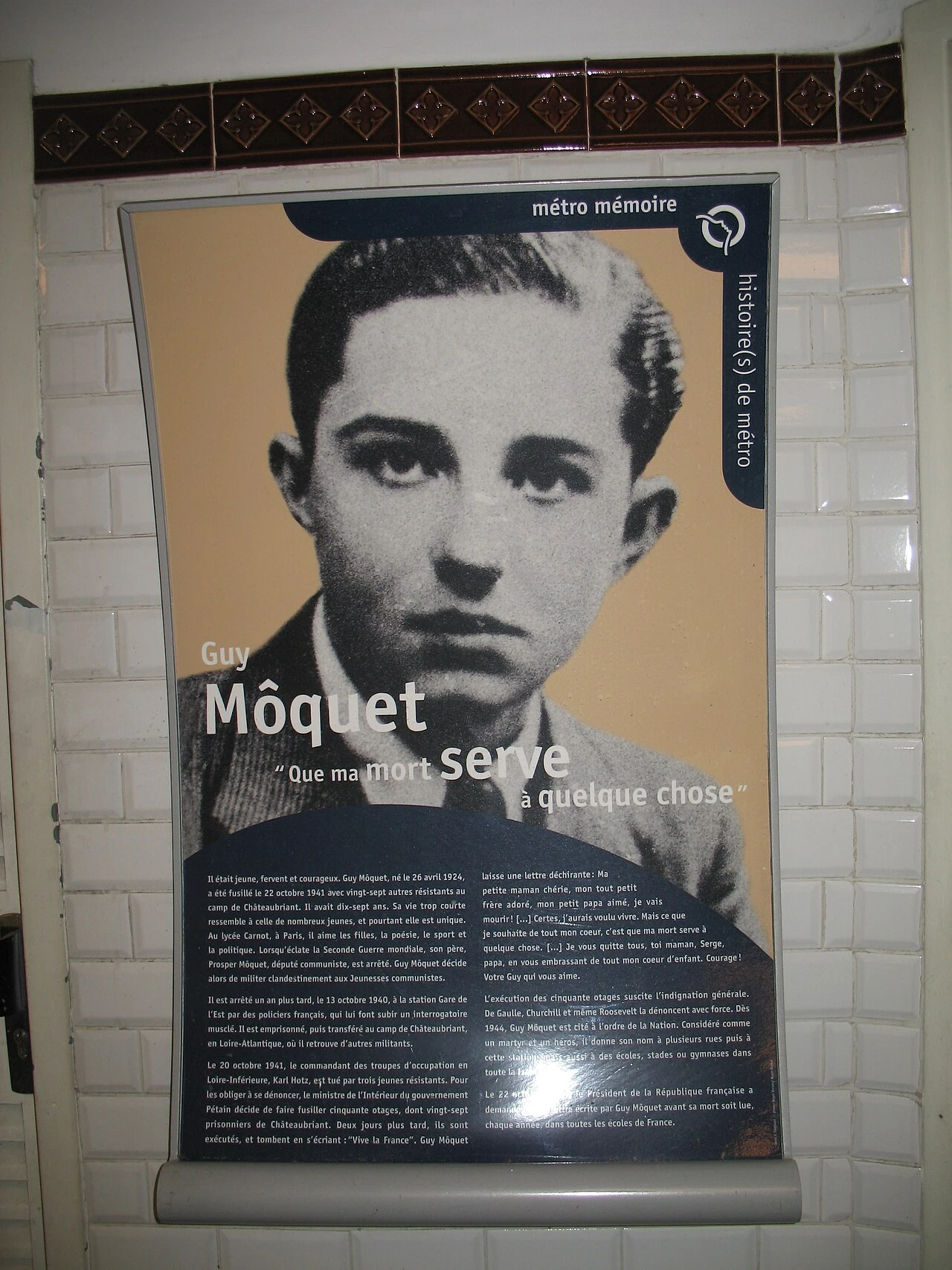
Châteaubriant: The List of Hostages
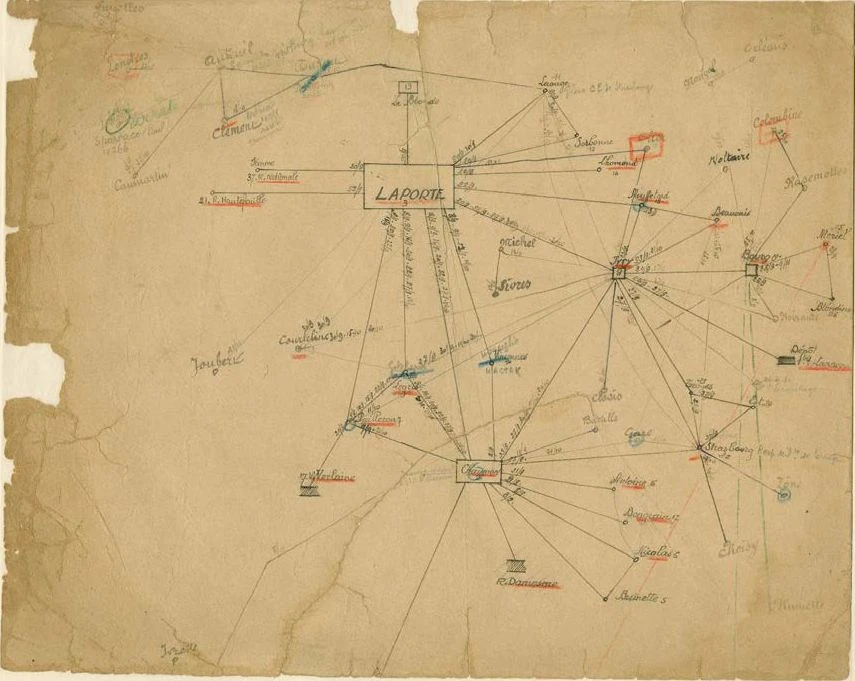
Doussot — Special Brigade No. 1
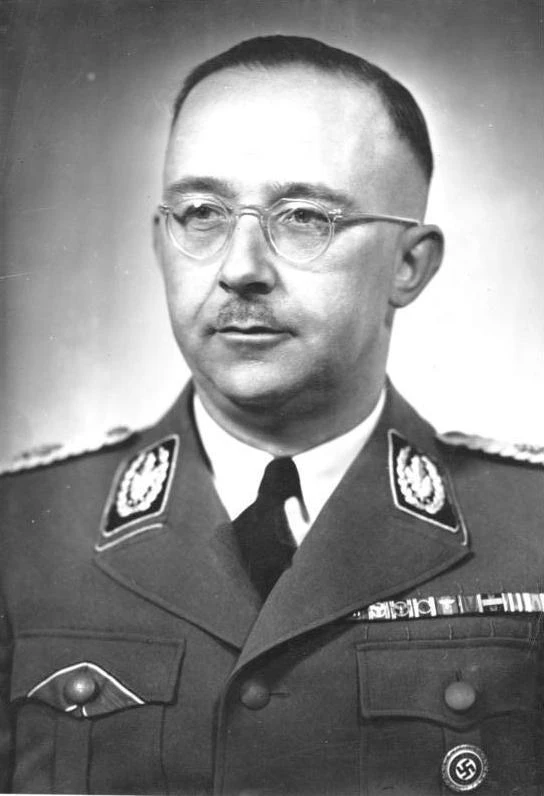
Himmler's memorandum to the Führer
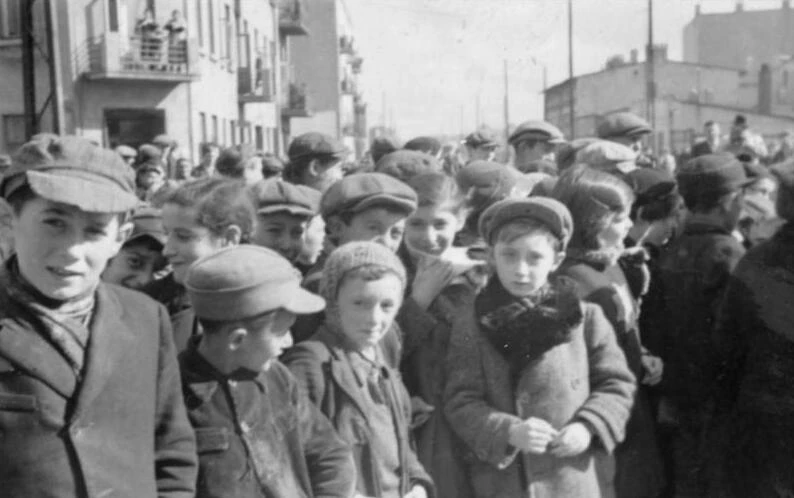
Lodz — sealing the ghetto
The Madagascar Plan on paper
The Holy Office against the scalpel of the State
AB Aktion — planning at the Wawel
Biebow at Litzmannstadt — 8 February
Czerniaków — the offer of the Judenrat
Danzig, September 1939 — the policeman of the Free City
Châteaubriant: The List of Hostages
Doussot — Special Brigade No. 1
Himmler's memorandum to the Führer
Lodz — sealing the ghetto
The Madagascar Plan on paper
The Holy Office against the scalpel of the State
AB Aktion — planning at the Wawel
Biebow at Litzmannstadt — 8 February
Czerniaków — the offer of the Judenrat