
A crossroads between Europe, the Middle East and the USSR, guardian of the Straits, the Turkey of President — Atatürk's successor — occupies a coveted strategic position. The democracies would like to make an ally of it to lock down the eastern Mediterranean; Germany and Italy, on the contrary, seek to neutralise it.
To win over Ankara, France agreed in June 1939 to cede to it the Sanjak of Alexandretta (the Hatay), detached from mandate Syria — a gesture heavy with meaning. An Anglo-Turkish declaration in May had already sketched a rapprochement.
İnönü must choose his country's orientation. To commit resolutely alongside the Allies through a treaty of assistance, at the risk of being drawn into a war that Turkey, barely recovered from decades of conflict, dreads? To maintain a prudent neutrality, selling its position without chaining itself? Or to draw closer to the Axis, which also courts Ankara? Control of the Straits and the security of the region are at stake.
Should İnönü bind Turkey to the Allies by treaty, or preserve a prudent neutrality?
İnönü leans towards A while keeping B in reserve: after the declarations of the spring and the cession of the Hatay, Turkey signs a treaty of mutual assistance with France and the United Kingdom in October 1939. But Ankara qualifies its commitment with an essential reservation — not to be drawn into a conflict against the USSR — and will remain, in practice, neutral for almost the entire war, declaring war on Germany only in 1945, symbolically. Turkey will have succeeded in drawing closer to the Allies on paper while preserving its non-belligerence. France's cession of the Hatay will nonetheless leave a lasting dispute with Syria.
Learn more about this event
Related polls
10
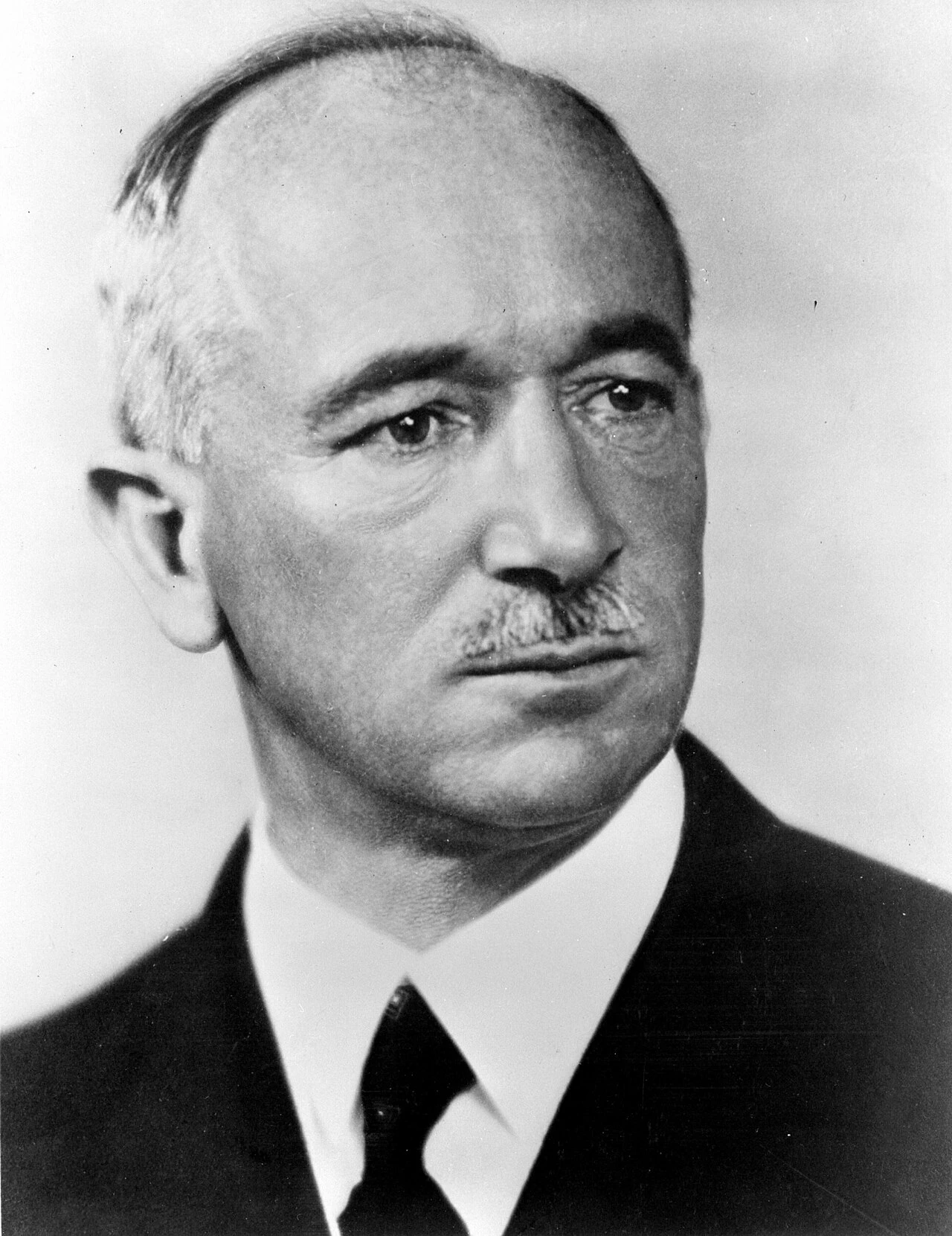
Beneš in London — autumn 1939
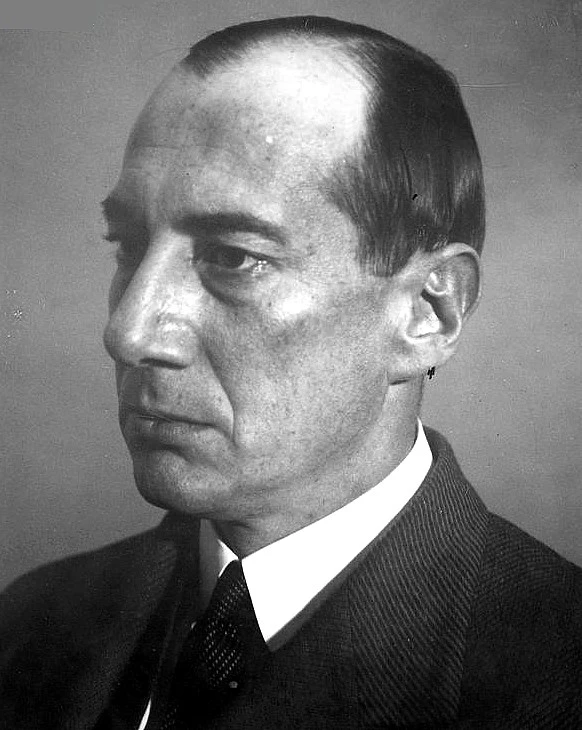
Danzig — the Escalation
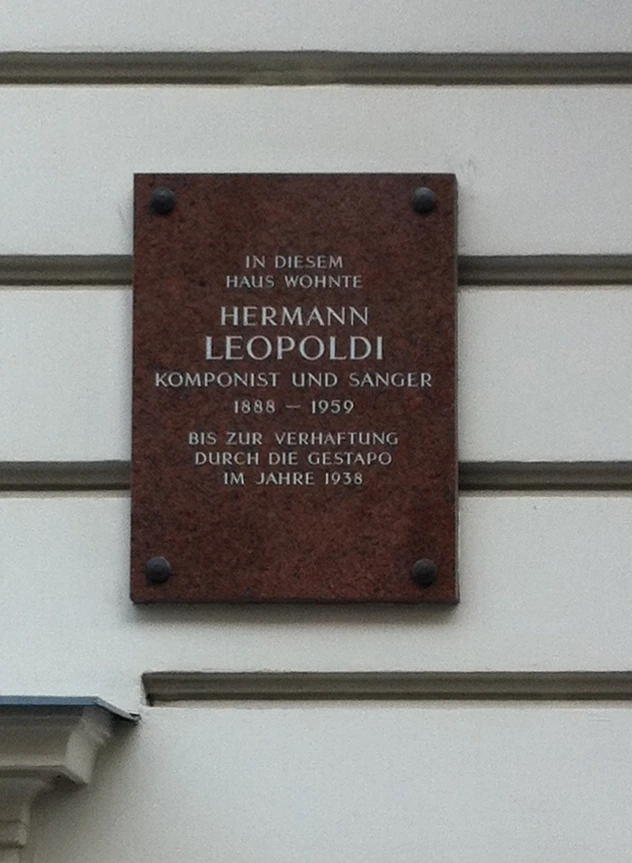
Informing on a Jewish Neighbor in Vienna
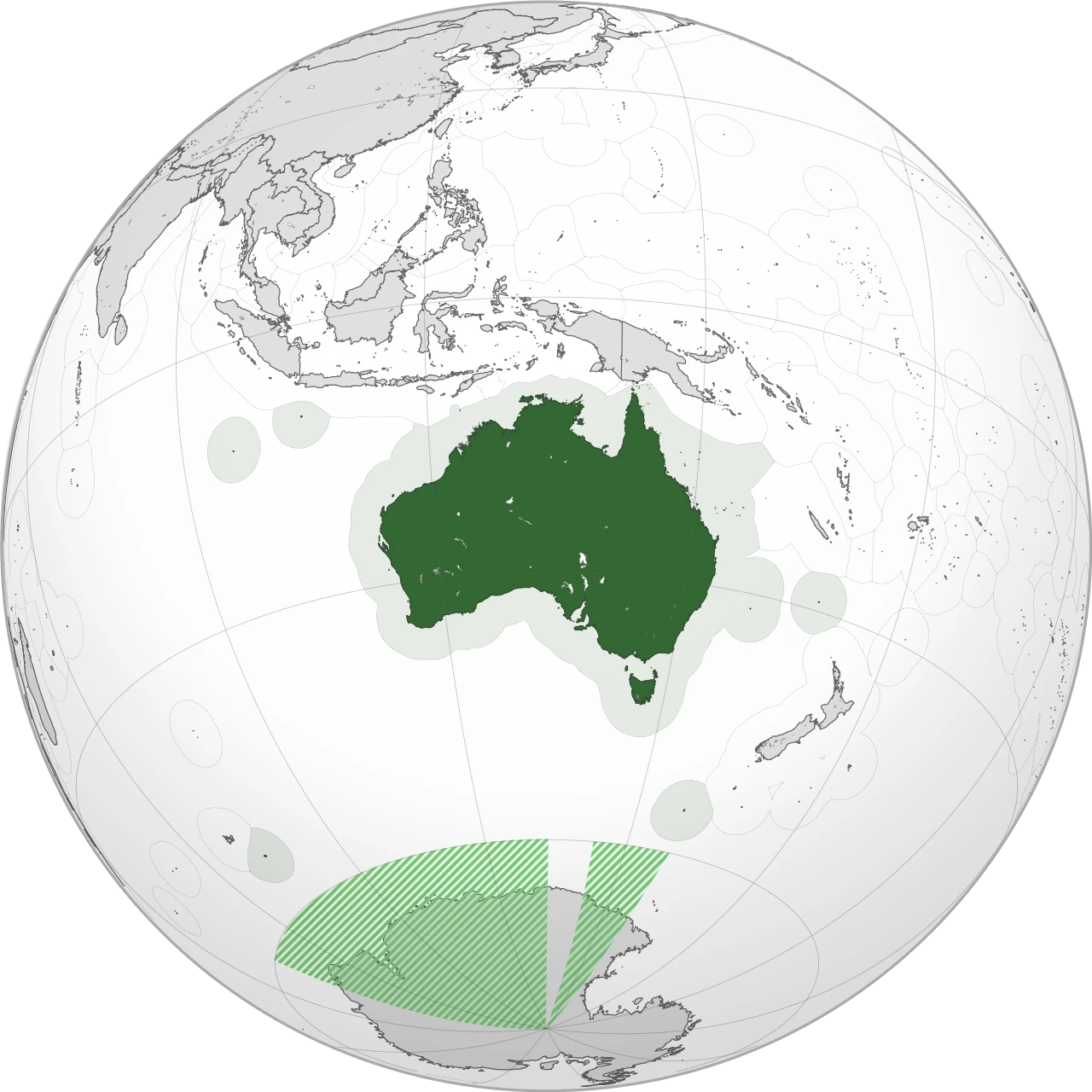
The Dominions Facing War
The Tientsin Incident
India and the Congress
Japan Disoriented
The Youth of the Reich
Chongqing's Strategic Ore
Armed Neutrality
Beneš in London — autumn 1939
Danzig — the Escalation
Informing on a Jewish Neighbor in Vienna
The Dominions Facing War
The Tientsin Incident
India and the Congress
Japan Disoriented
The Youth of the Reich
Chongqing's Strategic Ore