
War council — leave central Norway?
, British Prime Minister, in late April 1940 presides over a War Cabinet confronted with the wreck of the Norway expedition. A few days earlier, he had assured that Hitler had "missed the bus." But the Anglo-French forces landed at Namsos and Andalsnes to retake Trondheim were assembled in haste, without maps, without transport, without reliable communications.
On the ground, the situation is deteriorating. The Luftwaffe has total mastery of the skies over central Norway and pounds Namsos relentlessly; there is no natural cover and the Norwegian coast is too far from British air bases. Generals Carton de Wiart and Paget conduct delaying actions against German troops supported by tanks, artillery and aviation. Six successive operational plans have already been dismissed; the London meetings turn to confusion.
The ministers are caught between two logics. Holding Norway carries real political weight — for the neutrals, for the Norwegians to whom London has made promises, for the credit of the alliance — yet its military value is now uncertain against the price to be paid. The French are arriving in London for a Supreme War Council. Chamberlain and his Cabinet must settle the fate of central Norway.
Will you evacuate central Norway, or hold despite German aerial supremacy?
Chamberlain and the Cabinet chose A. The French, stunned by the sudden proposal to leave Norway, opposed it; left for Paris believing he had swayed London — but two hours later, the order to evacuate was given. Reynaud called the British ministry "old men who do not know how to take a risk." The local commanders were even given the order not to warn the Norwegians of their departure, and to simply leave. The evacuation of Namsos and Andalsnes sealed the abandonment of central Norway. The Norwegian fiasco would provoke, in early May 1940, the Commons debate that swept Chamberlain away: on 10 May, the day of the offensive in the west, Churchill succeeded him. The affair lastingly nourished distrust between the British and French staffs.
Learn more about this event
Related polls
10
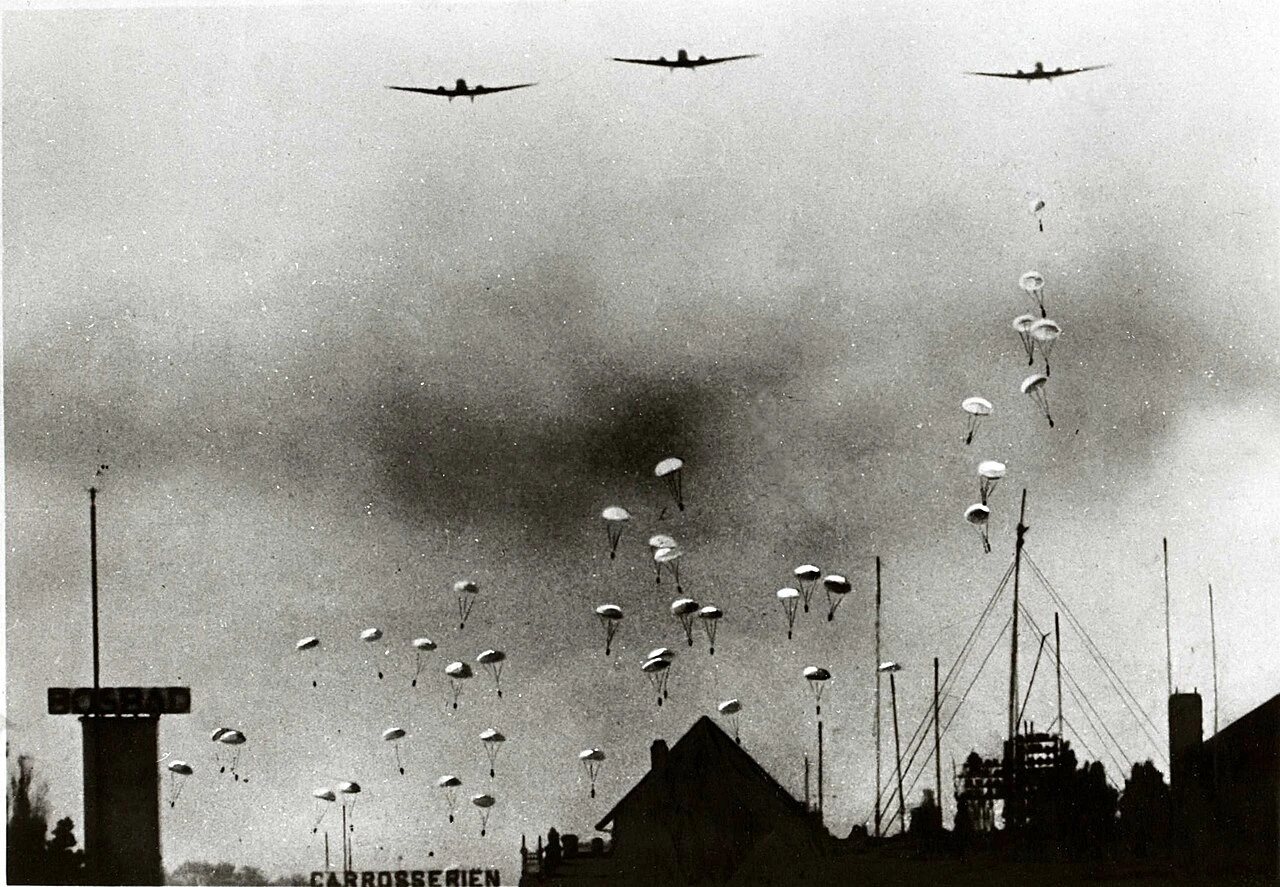
Winkelman and the fate of the Netherlands
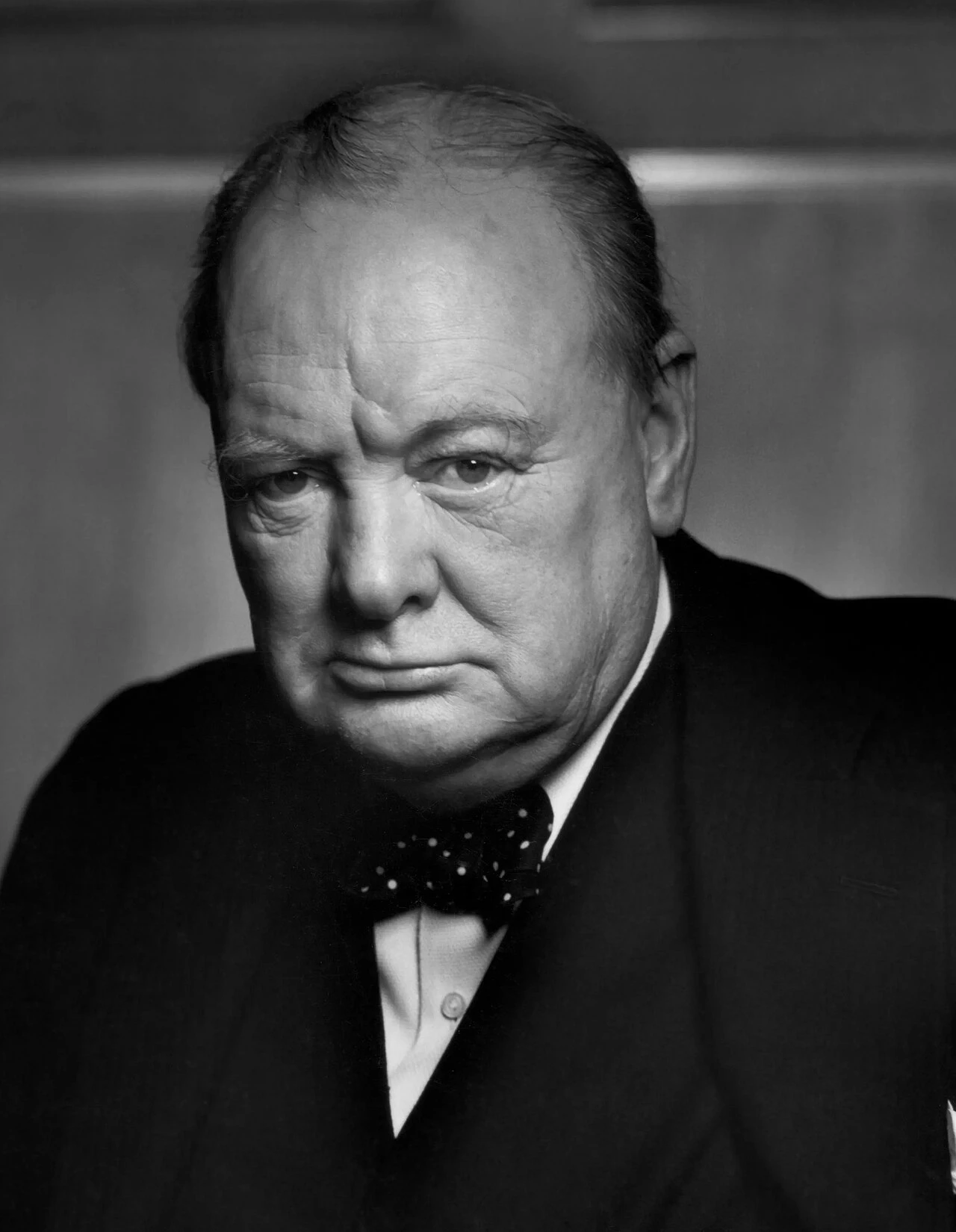
The War Cabinet — Negotiate or Carry On
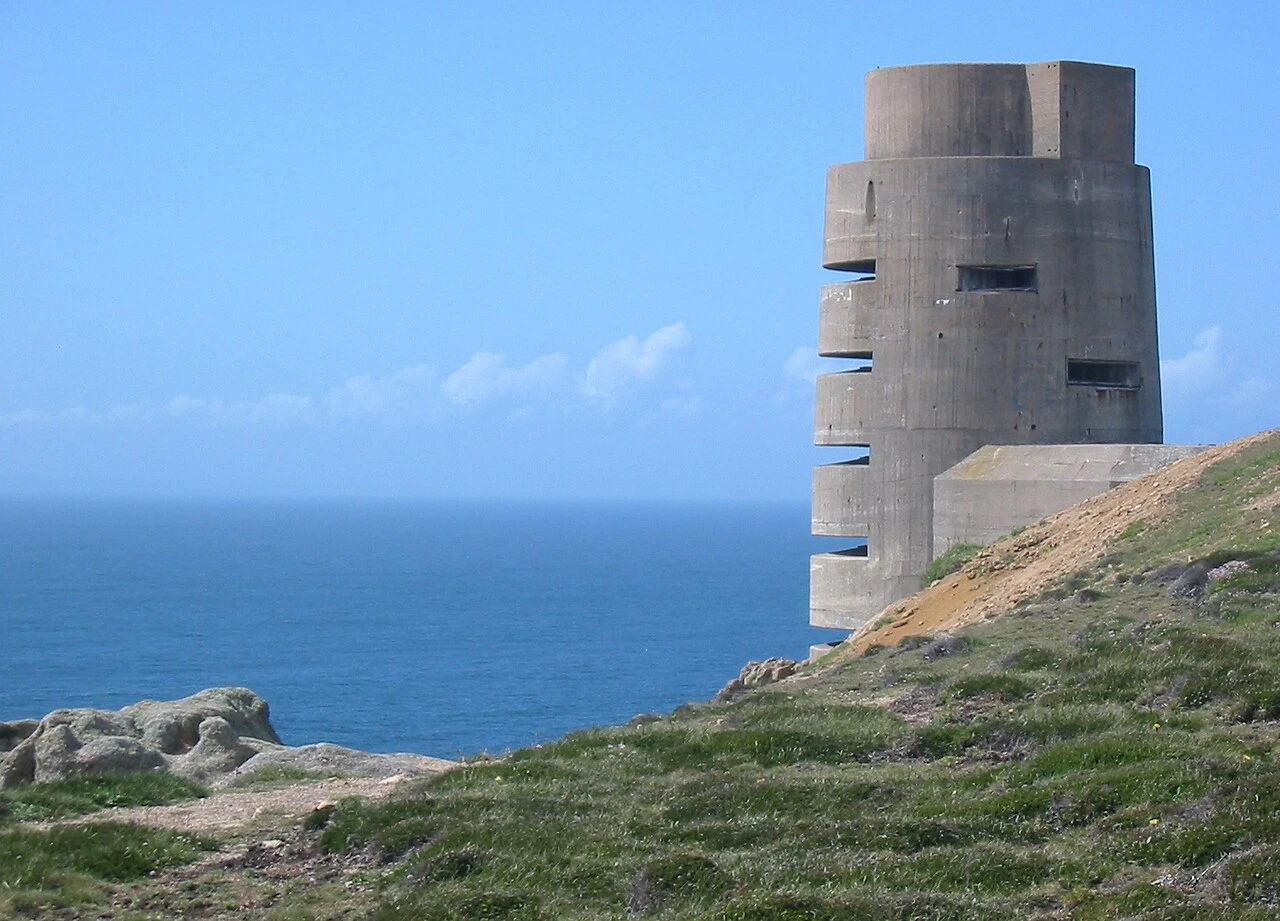
The fate of the Channel Islands
Mining the Rhine — Operation Royal Marine
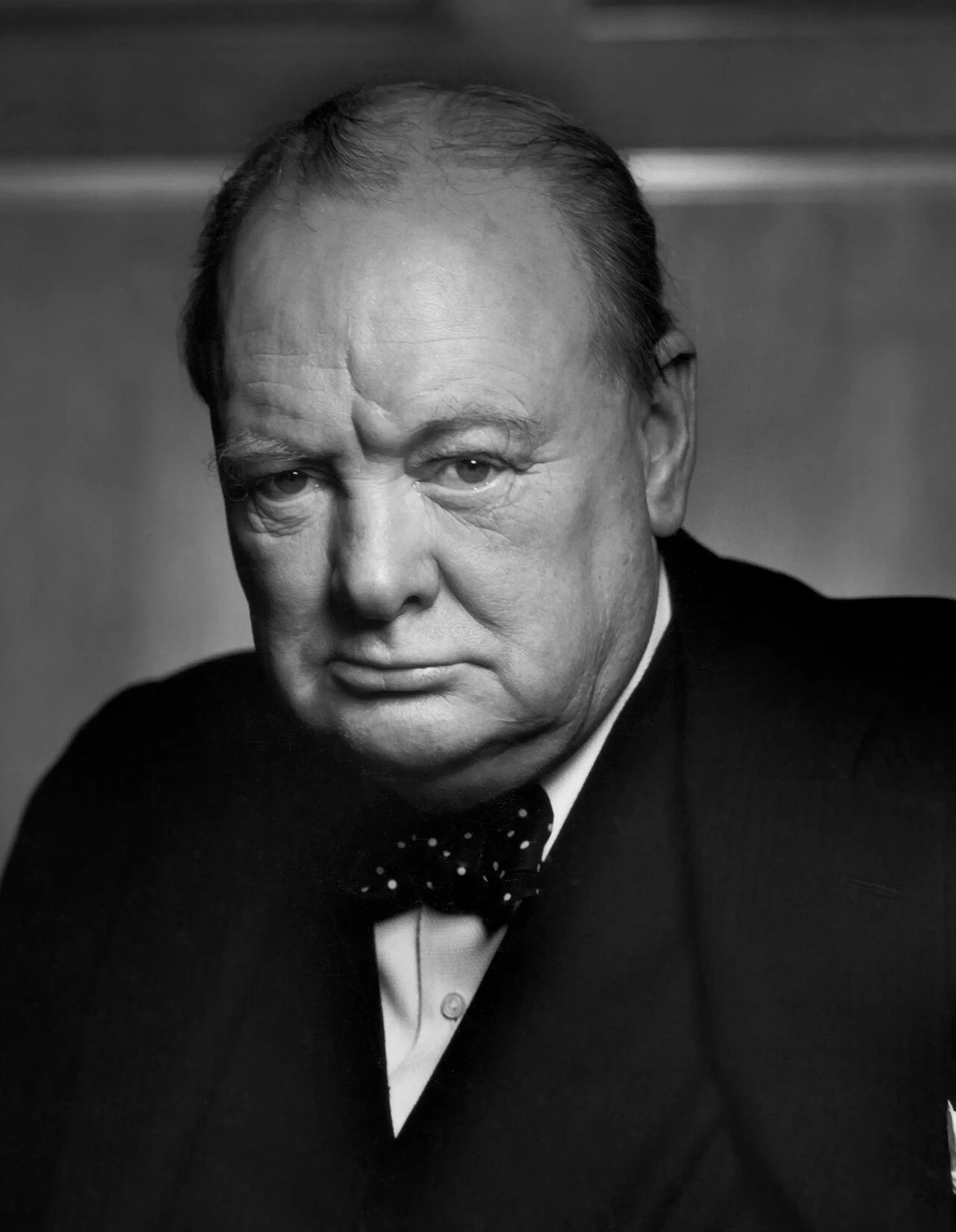
Churchill and the ultimatum on the Burma Road
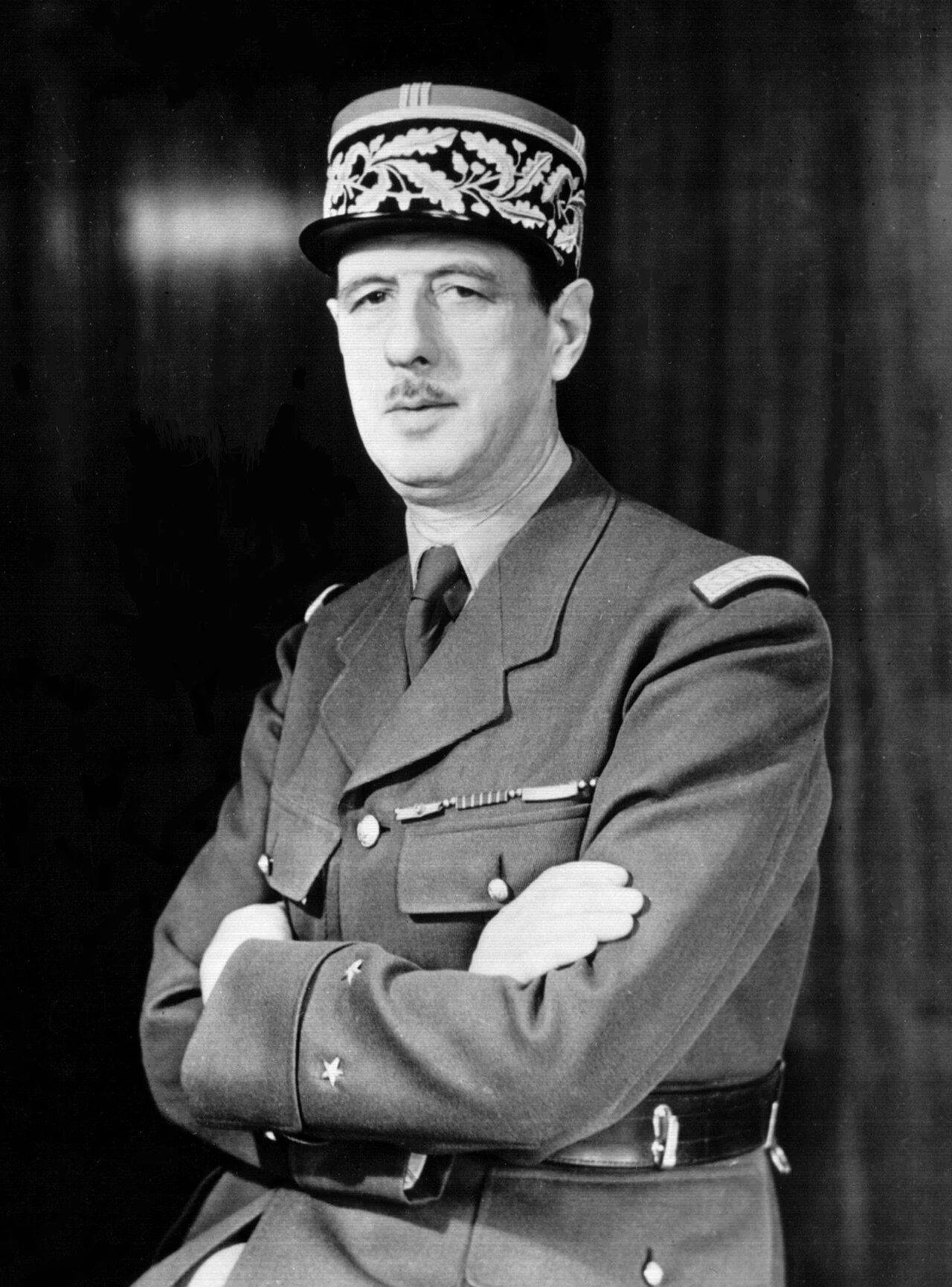
De Gaulle calls on Churchill — 9 June
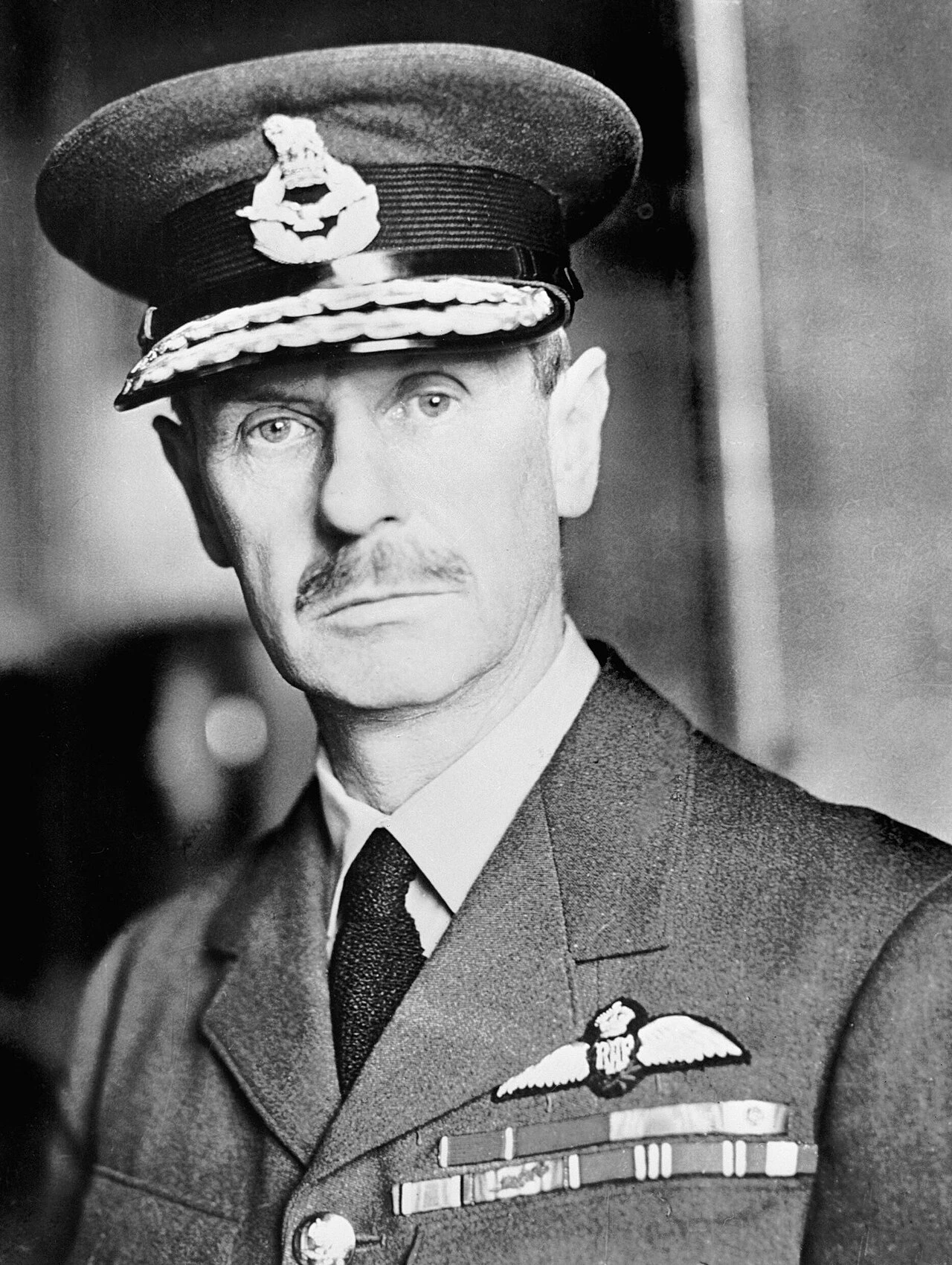
Dowding — Keep the Fighters?
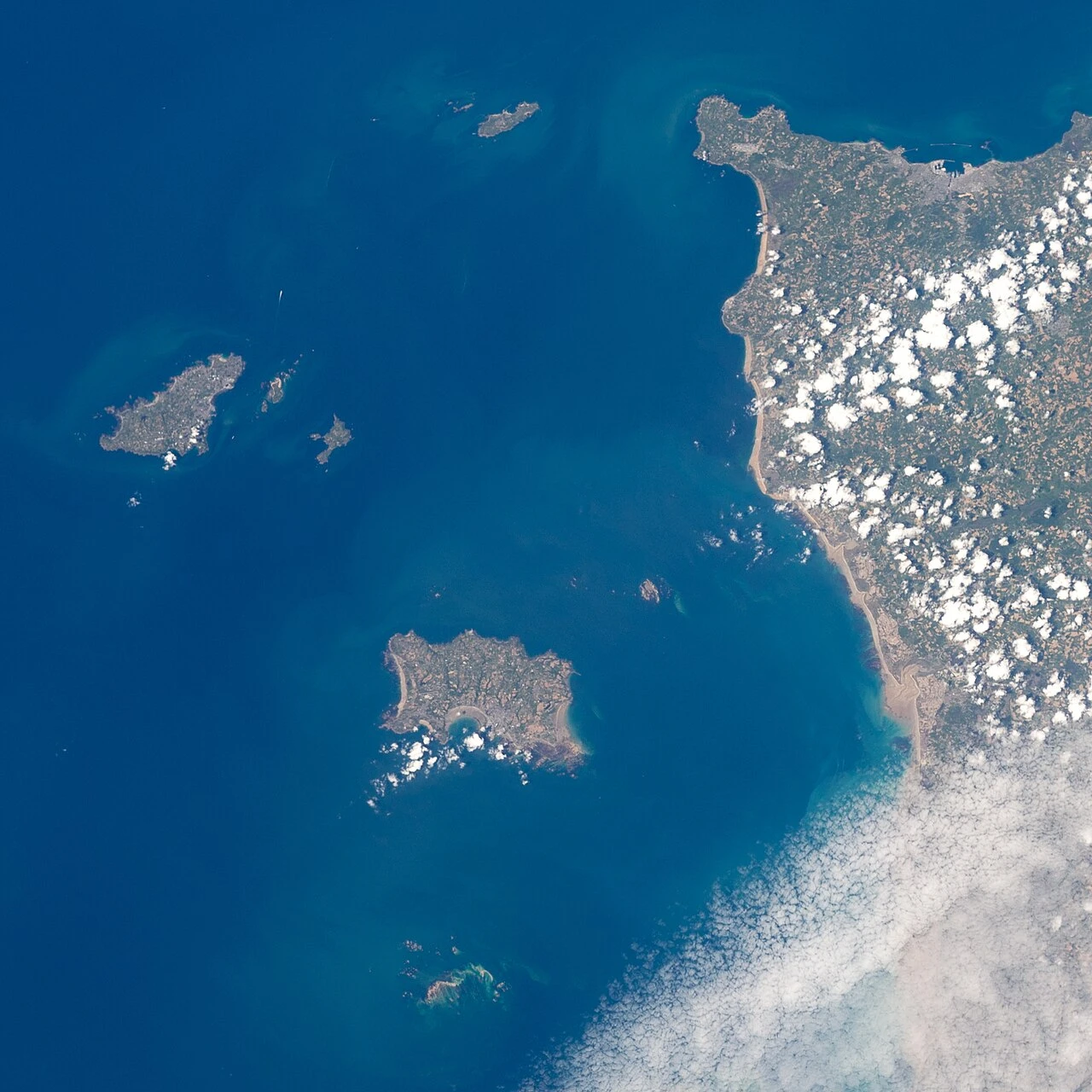
The Channel Islands — open city?
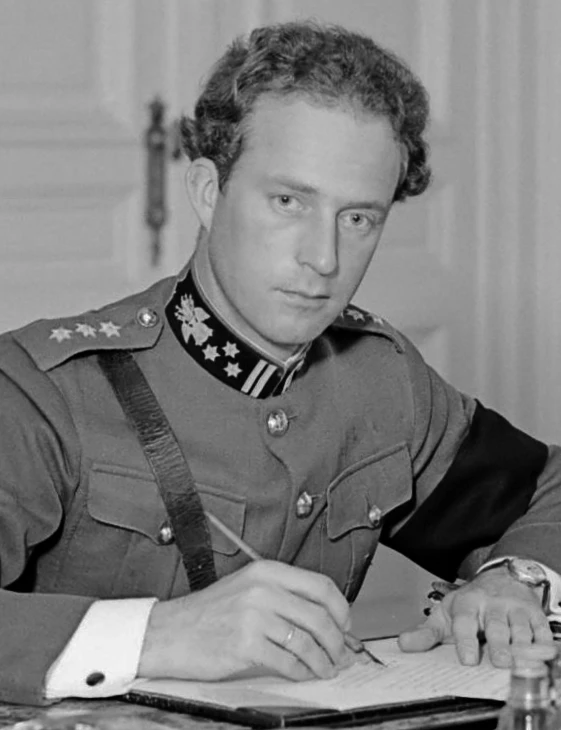
Leopold III takes command
Auchinleck replaces Wavell
Winkelman and the fate of the Netherlands
The War Cabinet — Negotiate or Carry On
The fate of the Channel Islands
Mining the Rhine — Operation Royal Marine
Churchill and the ultimatum on the Burma Road
De Gaulle calls on Churchill — 9 June
Dowding — Keep the Fighters?
The Channel Islands — open city?
Leopold III takes command