
The bridges of the Meuse
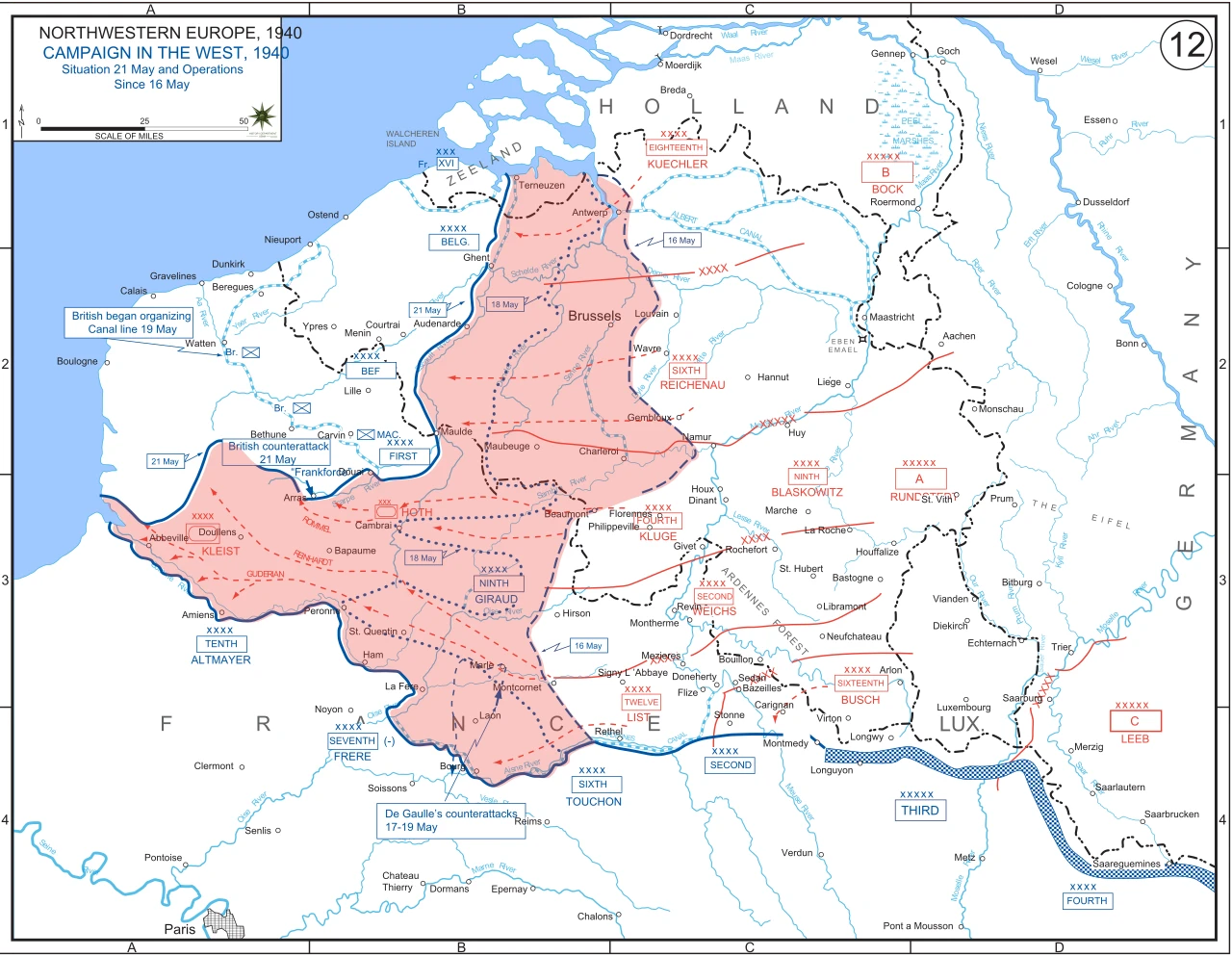
As the German armour approached the Meuse, destroying its bridges became imperative to slow the enemy and hold the line of the river. The Belgian engineers, like the French engineers further south, were tasked with blowing the works at the right moment — neither too soon (which would cut off one's own retreating troops), nor too late (which would leave them intact for the enemy).
The sapper's dilemma was cruel and tightly timed. Blowing the bridges as soon as the Germans approached risked trapping friendly units and refugees still on the east bank. Waiting for the last moment and the formal order risked having commandos or advance guards seize them intact (as at Houx or Gennep). Or one could defend the bridges in order to destroy them in coordinated fashion later on.
Across a broad front and in the confusion of the enemy advance, communications were uncertain, orders were late, and each prepared bridge was a special case. The success or failure of these demolitions determined the solidity of the Meuse line — the obstacle meant to stop the "Blitzkrieg".
Should the Belgian engineers destroy the Meuse bridges as soon as the Germans approach, wait for the formal order, or defend them first?
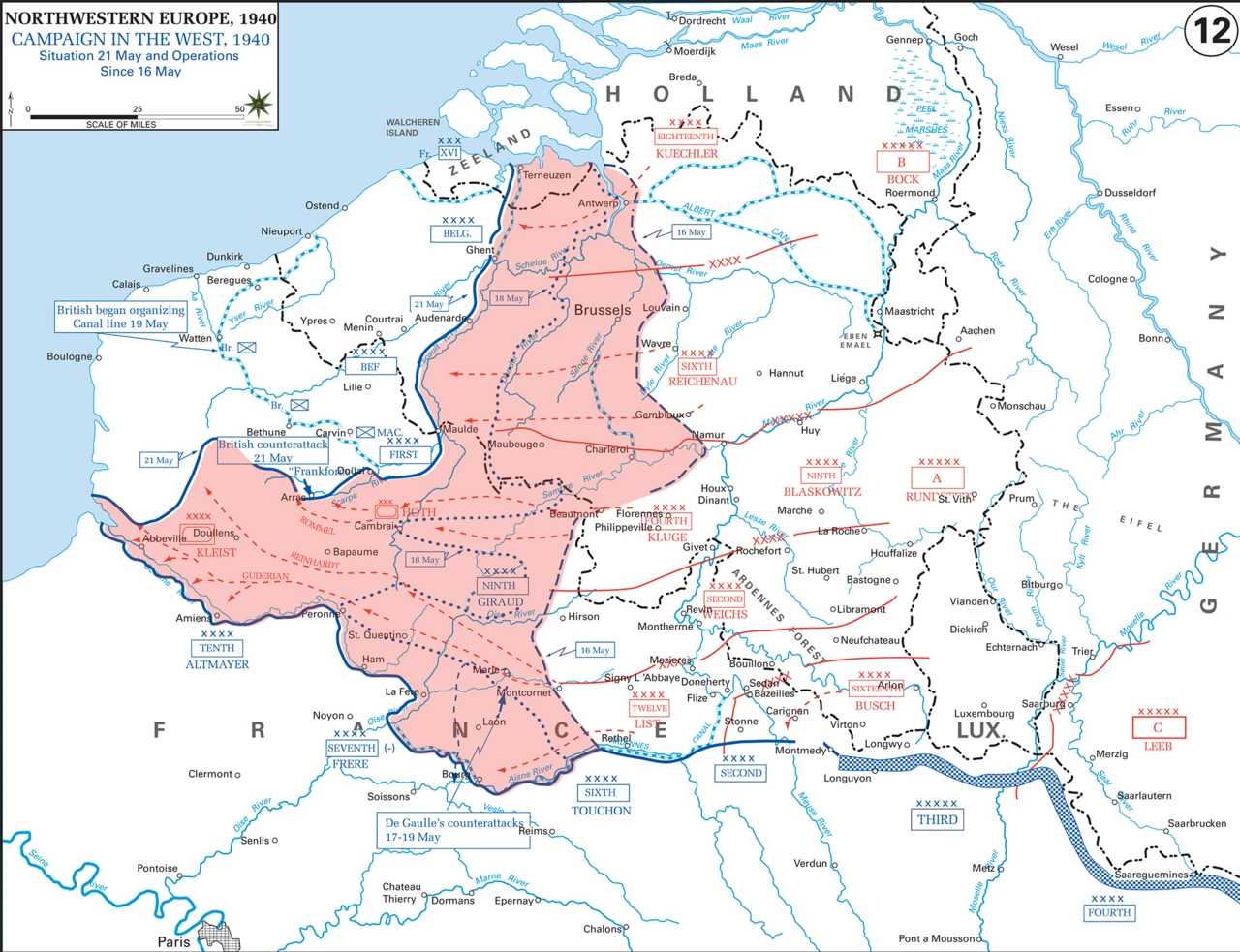
The results were uneven, but the general instruction tended towards A: most of the Meuse bridges between Namur and Dinant were destroyed by the Belgian engineers as the Germans approached, forcing the enemy to force the river in boats and to improvise crossings (Houx, Dinant). These demolitions, more systematic than on the French Meuse at Sedan, genuinely slowed the advance in the Belgian sector. But the decisive breakthrough came where the French were defending (Sedan, Monthermé), and the collapse of the rendered the solidity of the Belgian line useless. Blowing the bridges in time was, for the sappers, a tightly timed duty, between sacrificing the stragglers and refusing to hand over an intact passage.
Learn more about this event
Related polls
10

The abatis of the Chasseurs Ardennais
The Battle of the Lys
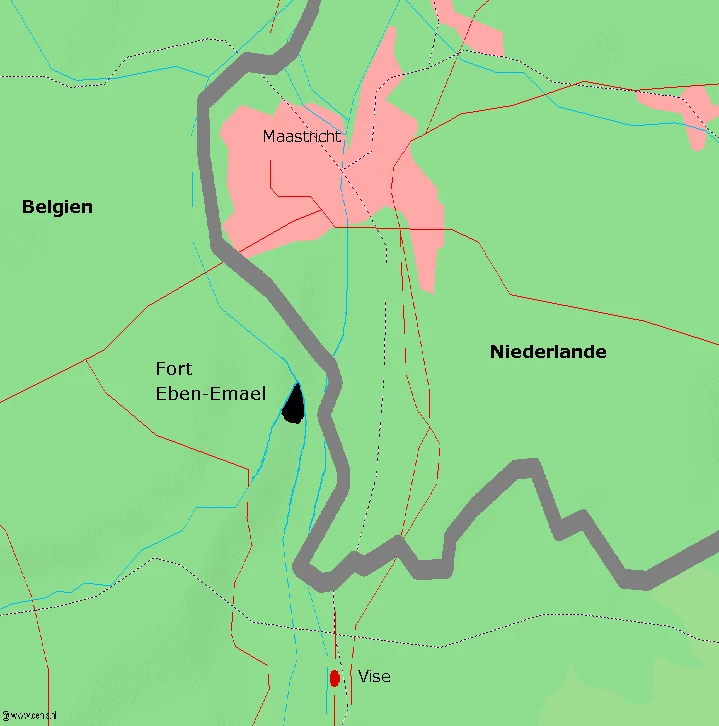
Eben-Emael — Jottrand under the explosions
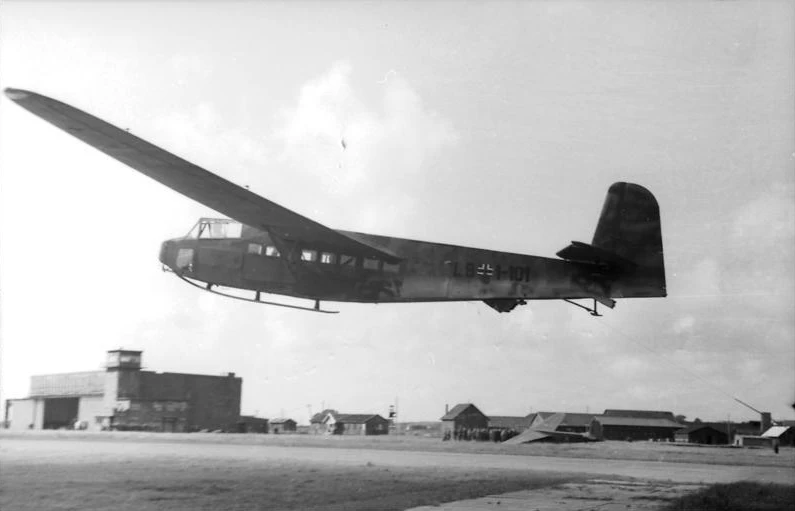
Kanne bridge — fourth airborne target
Veldwezelt bridge — Beert and the demolition officer
Vroenhoven bridge — the demolition order
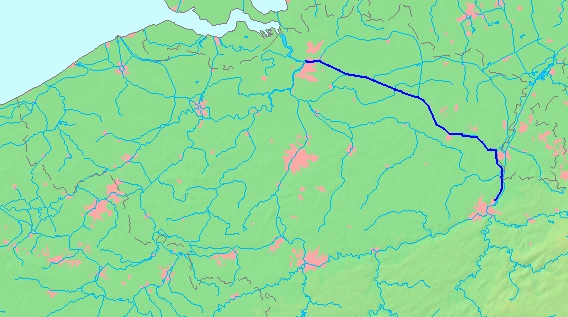
The bridges of the Albert Canal
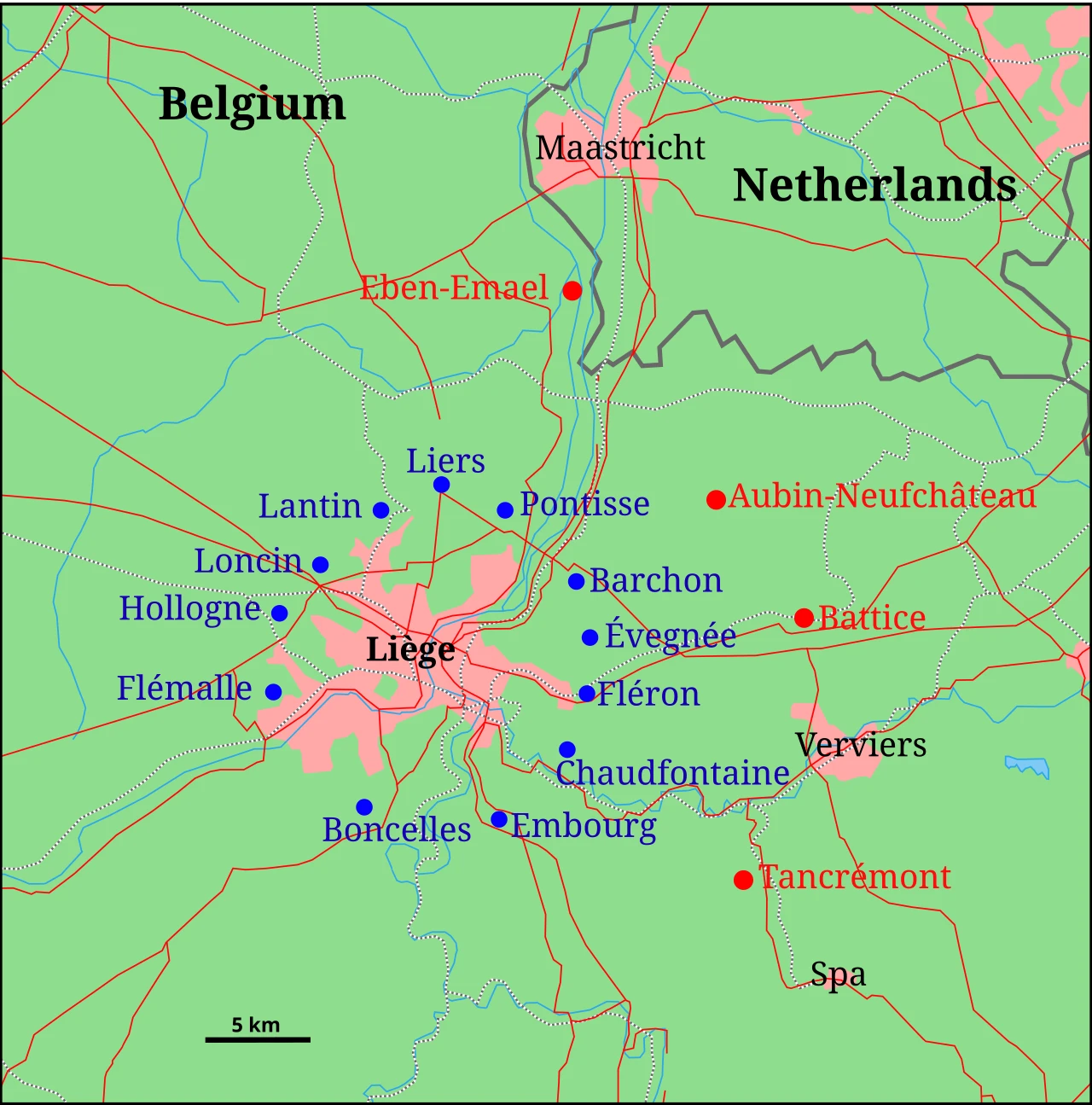
The fortified position of Liège
The Gembloux gap
Boulogne — Fox-Pitt and the Guards facing the port
The abatis of the Chasseurs Ardennais
The Battle of the Lys
Eben-Emael — Jottrand under the explosions
Kanne bridge — fourth airborne target
Veldwezelt bridge — Beert and the demolition officer
Vroenhoven bridge — the demolition order
The bridges of the Albert Canal
The fortified position of Liège
The Gembloux gap