
Arras — the Matildas against Rommel's flank
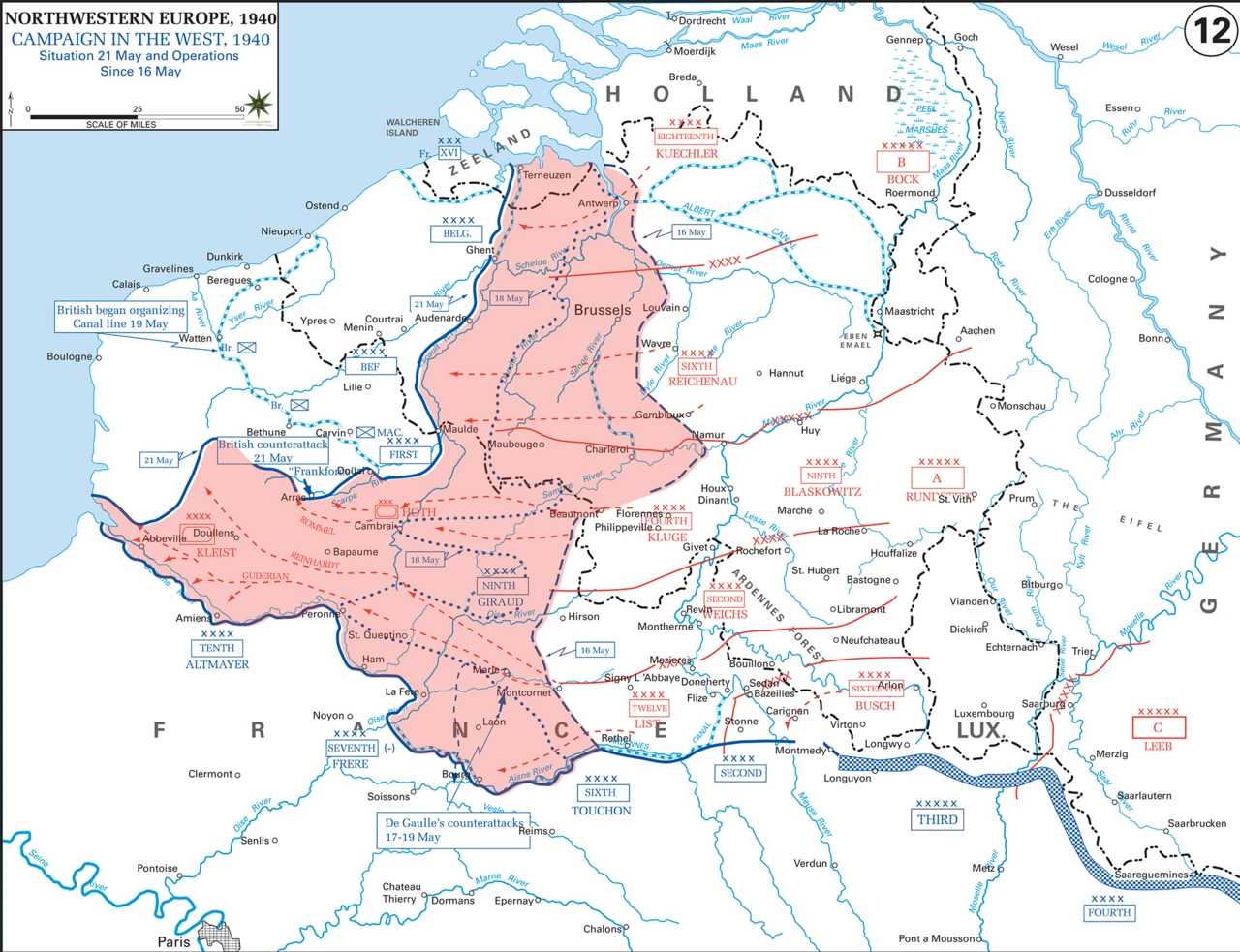
Major-General , commanding the British , received on 21 May 1940 the mission of counter-attacking south of Arras to hamper the German rush toward the Channel. He was given a composite force named : elements of the 5th and 50th Infantry Divisions and the (4th and 7th Royal Tank Regiments), about 2,000 men and 74 tanks.
The armour consisted of Matildas: 58 Mk Is, armed with a single machine gun, and 16 heavier Mk IIs. Slow — about eight miles an hour — they had one decisive asset: a frontal armour of around 70 mm, which the standard German 37 mm anti-tank gun could not pierce. Opposite advanced 's , which was not expecting an attack from the north.
H-hour was set for the afternoon. Franklyn had limited means, no air support and no fresh infantry reserve. He had to fix his column's objective before launching it against the Panzers' flank.
How far should Franklyn push the Arras counter-attack?
Franklyn applied A in its realistic version: he launched southward, along the Mercatel-Beaurains axis. The surprise was total. The German 37 mm guns bounced off the Matildas; Rommel's infantry recoiled, and the general, by his own admission, knew a brief moment of crisis. Rommel then improvised the parry that would become a model: he brought his 88 mm anti-aircraft guns and his 105 mm pieces into battery for direct anti-tank fire. At short range, the 88 at last pierced the Matildas' armour. The counter-attack exhausted itself by evening; lost about sixty of its tanks. Tactically, Arras was a failure. Strategically, the shock shook the German command: fear of a threat against the armoured flank weighed in the decision of the Halt-Befehl of 24 May, which suspended the Panzers before Dunkirk and made the evacuation possible. Arras, a lost battle, thus contributed to saving the BEF.
Learn more about this event
Related polls
10
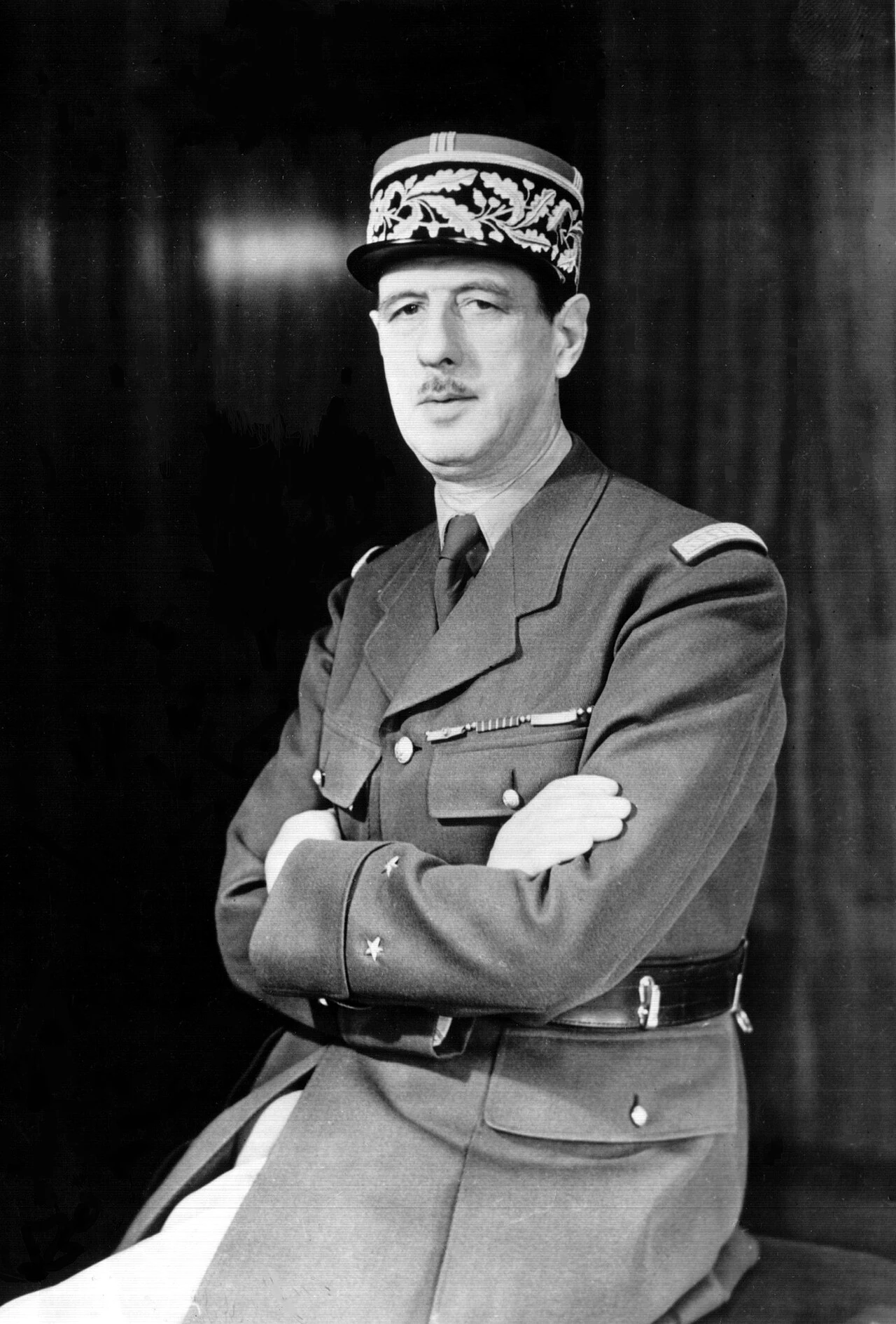
De Gaulle at Abbeville
De Gaulle at Montcornet — 17 May
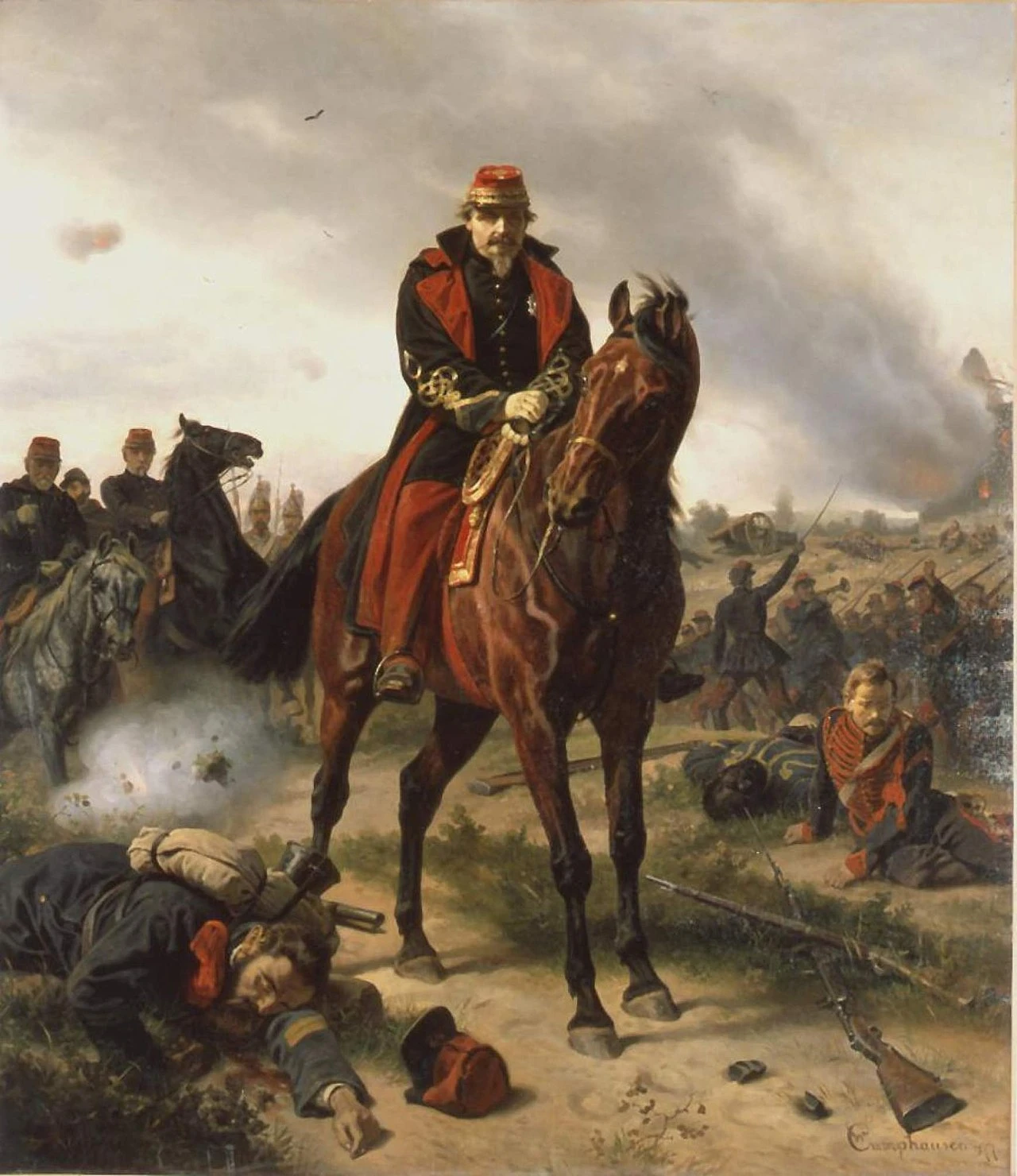
Boulogne — Fox-Pitt and the Guards facing the port
Bulson — Lafontaine and the 02:00 rumour
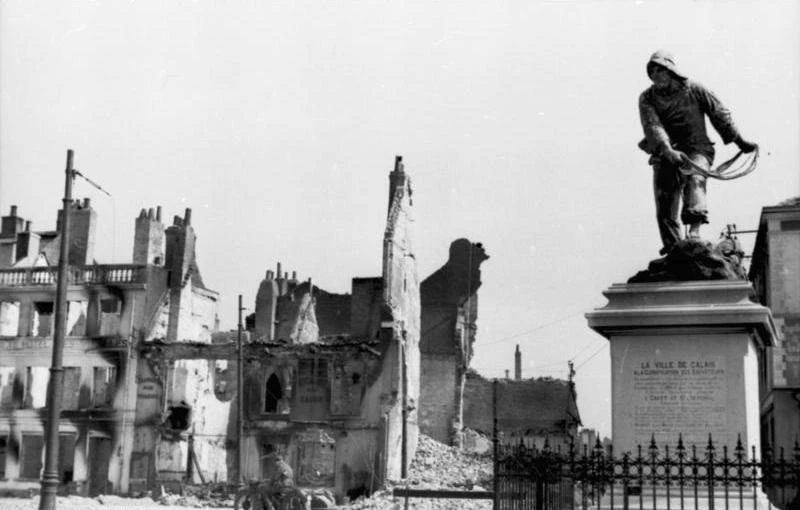
Calais — Nicholson facing the ultimatum
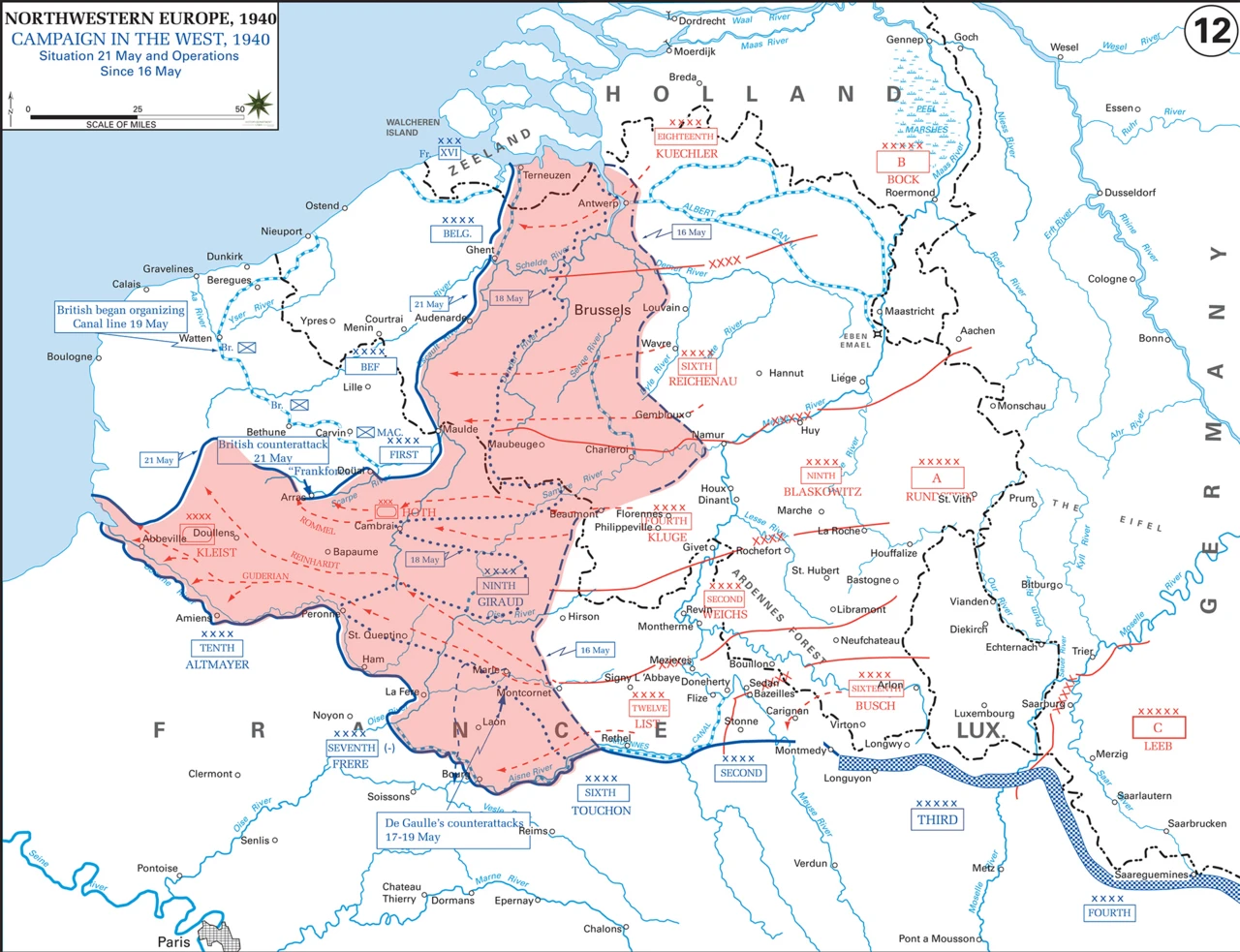
The Arras counter-attack
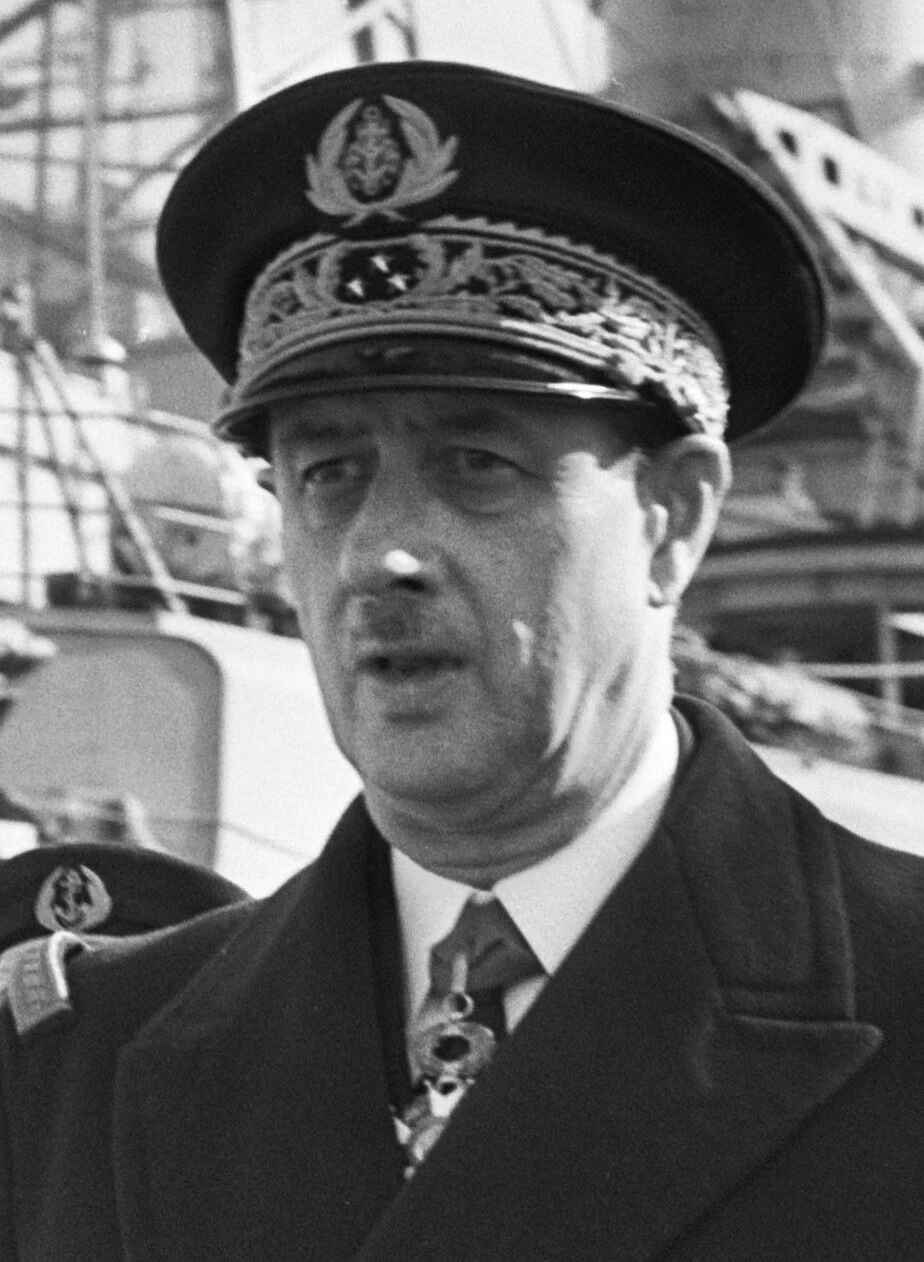
De Gaulle at Montcornet
The Defence of Boulogne
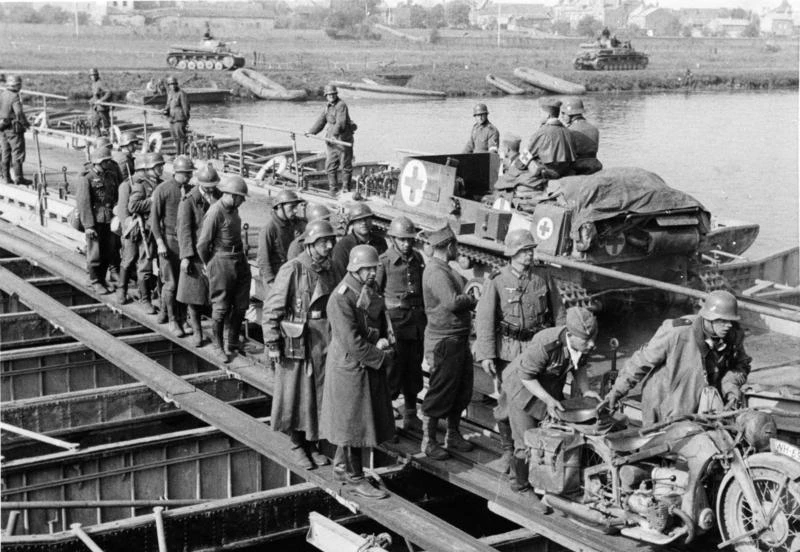
Grossdeutschland crosses at Sedan
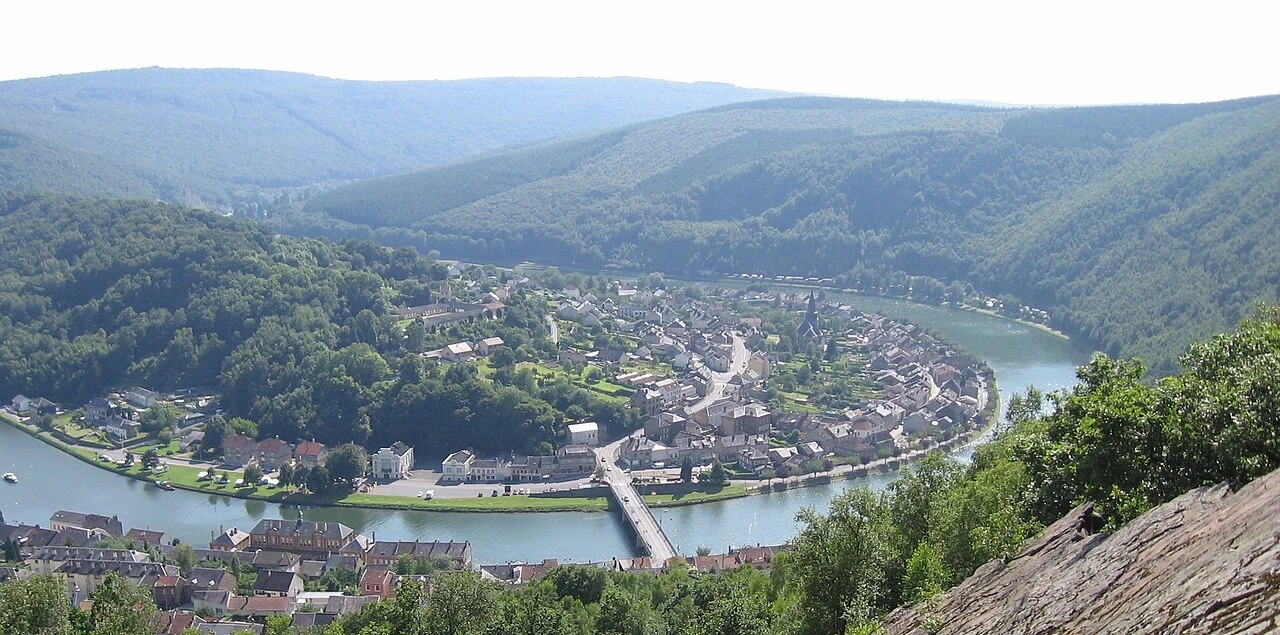
Monthermé — Portzert in the Meuse loop
De Gaulle at Abbeville
De Gaulle at Montcornet — 17 May
Boulogne — Fox-Pitt and the Guards facing the port
Bulson — Lafontaine and the 02:00 rumour
Calais — Nicholson facing the ultimatum
The Arras counter-attack
De Gaulle at Montcornet
The Defence of Boulogne
Grossdeutschland crosses at Sedan