
The bridges of the Albert Canal
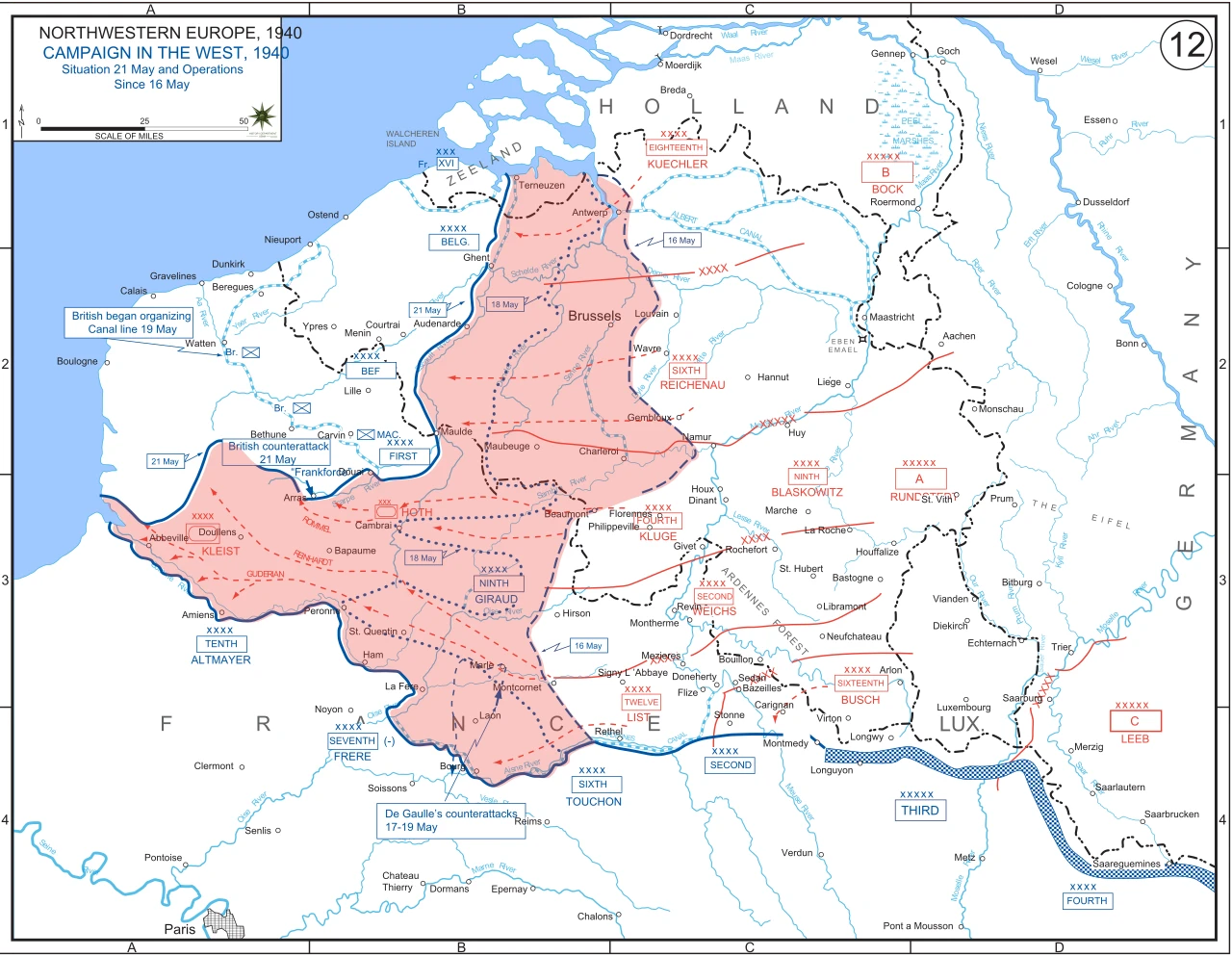
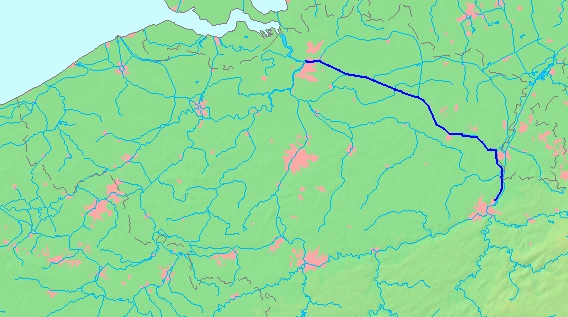
On the morning of 10 May 1940, the Belgian defence rested in part on the Albert Canal, a broad anti-tank obstacle. Three essential bridges — Veldwezelt, Vroenhoven and Briegden — were prepared for demolition: as the enemy approached, it was enough to blow the charges to bring the German armour to a dead halt.
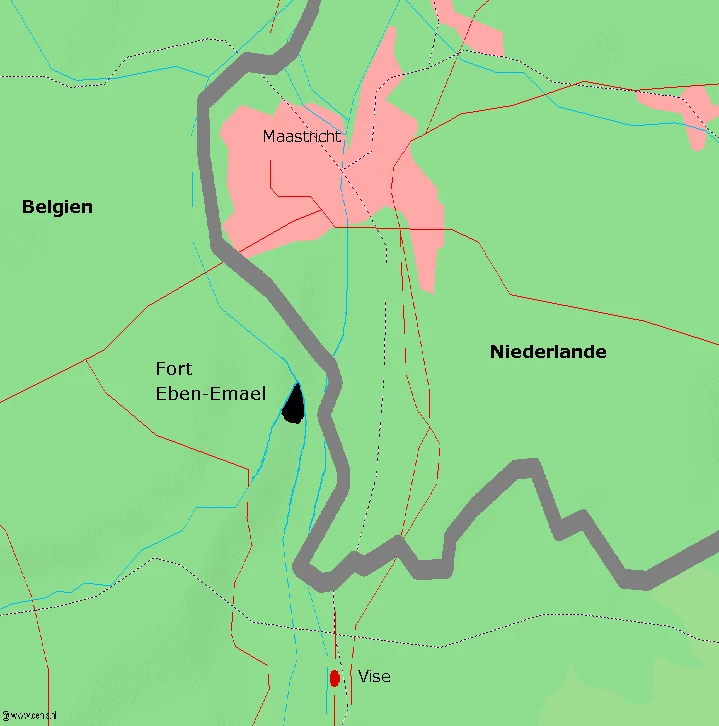
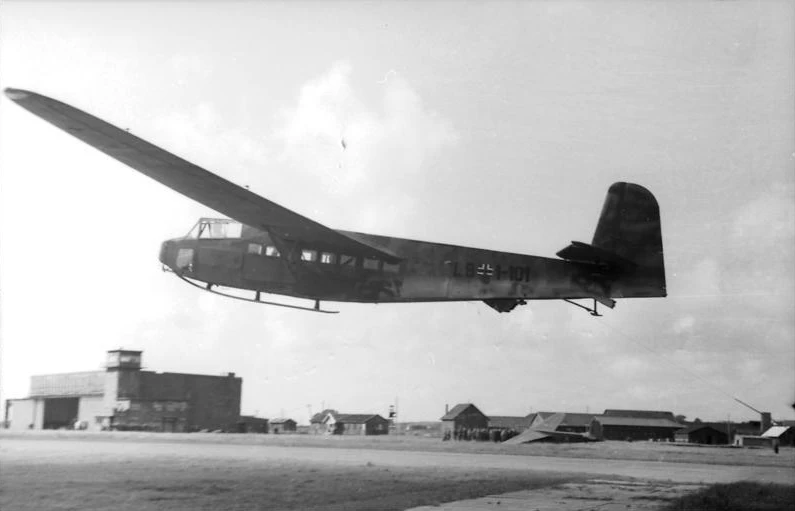
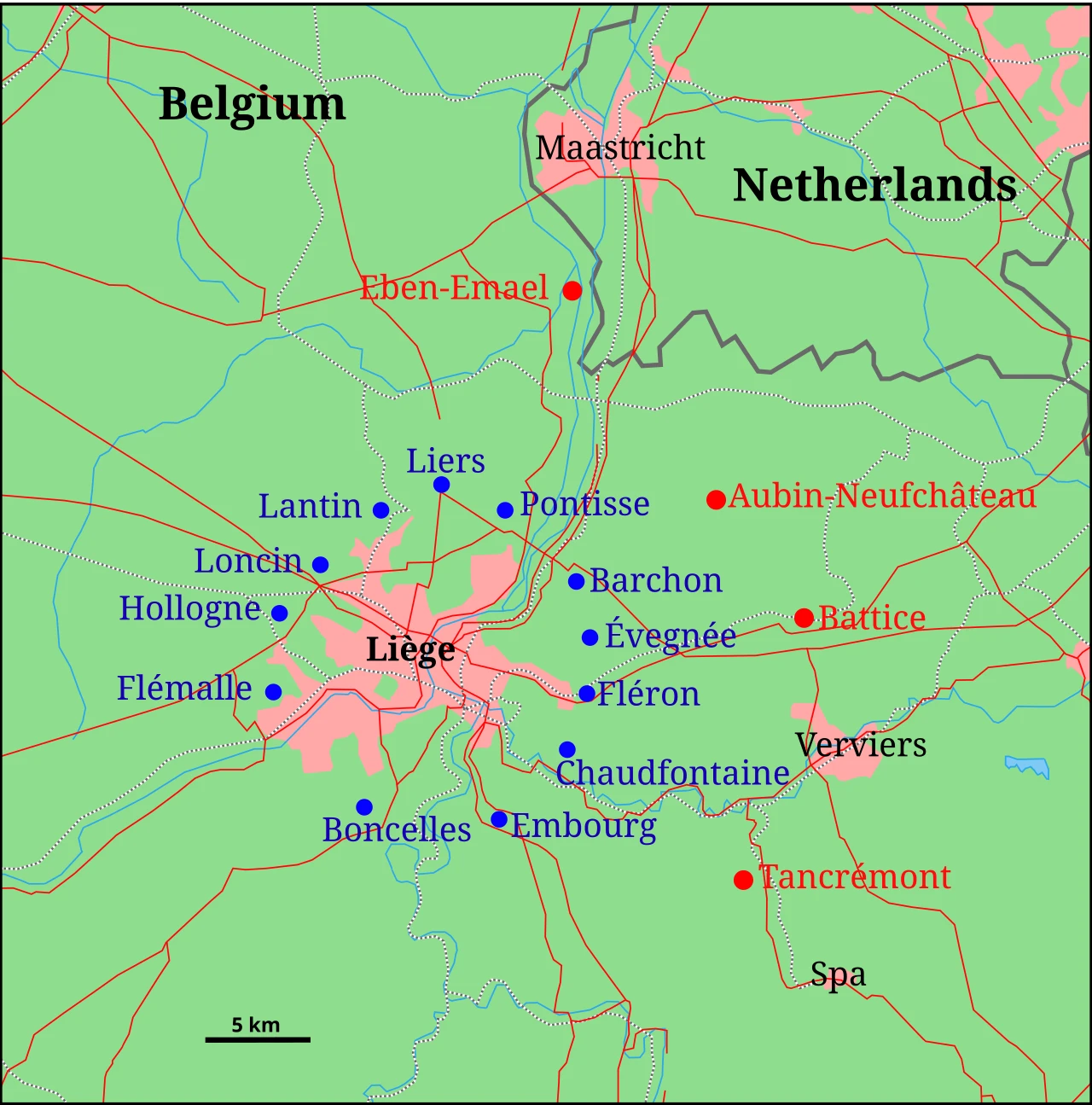
But the Germans had planned to land airborne commandos there by glider, at the same time as on Ében-Émael, precisely to seize the bridges intact before they could be blown. Everything would be decided in a few minutes, amid the confusion of the surprise attack.
For the Belgian engineers, the instruction was clear but the timing crucial. They could blow the bridges immediately at the first alert, even at the risk of destroying them a little too soon, to be sure of barring the crossing. They could wait for the formal demolition order, at the risk of being caught out by the commandos. Or they could try to defend the bridges and destroy them later in a coordinated way. The speed of the decision would determine whether the first Belgian line held or gave way at once.
Should the Belgian engineers blow the bridges immediately, wait for the formal order, or defend them first?
The result was mixed: only one of the three bridges (Briegden) was destroyed in time, while Veldwezelt and Vroenhoven were captured intact by the German commandos landed by glider, who outpaced the demolition teams. The seizure of these bridges, combined with the fall of Ében-Émael, opened a gaping breach in the defence of the Albert Canal in the very first hours. The Belgian defenders, taken aback by the speed and novelty of the airborne attack, could not react in time. The episode shows how German tactical innovation neutralised, within minutes, obstacles long in preparation.
Learn more about this event
Related polls
10

The abatis of the Chasseurs Ardennais
The Battle of the Lys
The bridges of the Meuse
Eben-Emael — Jottrand under the explosions
Kanne bridge — fourth airborne target
Veldwezelt bridge — Beert and the demolition officer
Vroenhoven bridge — the demolition order
The fortified position of Liège
The Gembloux gap
Boulogne — Fox-Pitt and the Guards facing the port
The abatis of the Chasseurs Ardennais
The Battle of the Lys
The bridges of the Meuse
Eben-Emael — Jottrand under the explosions
Kanne bridge — fourth airborne target
Veldwezelt bridge — Beert and the demolition officer
Vroenhoven bridge — the demolition order
The fortified position of Liège
The Gembloux gap